

Vaginal rejuvenation procedures are increasing in popularity across the UK, with a growing number of women becoming aware of the range of effective treatments available for both aesthetic and functional concerns. Yet for many women, the subject remains a source of embarrassment or uncertainty — they suffer from symptoms that significantly affect their quality of life without realising that highly effective treatment options exist.
The reality is that a healthy, well-functioning vaginal region is fundamental to normal sexual function, physical comfort, and emotional well-being. Changes to the vagina and surrounding structures are entirely normal across a woman’s lifetime — during puberty, following pregnancy and childbirth, and with the hormonal shifts of perimenopause and menopause. But normal does not always mean that women have to simply accept the changes and the symptoms that come with them. Vaginal rejuvenation offers a targeted, evidence-based approach to addressing these concerns.
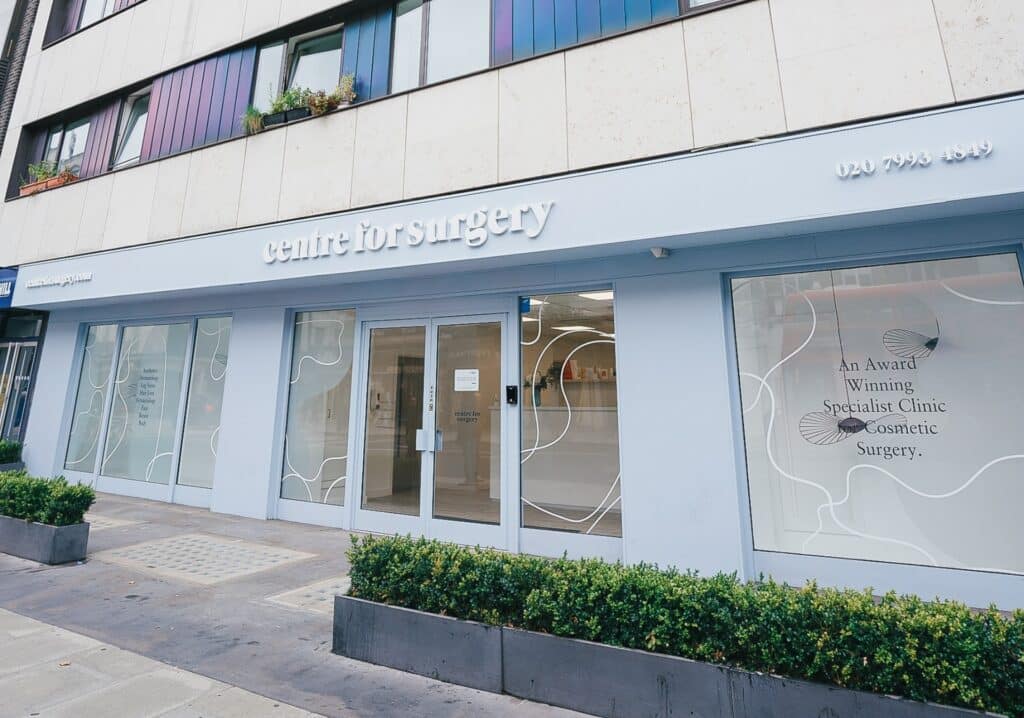
At Centre for Surgery in London, our Baker Street clinic is a specialist centre for both surgical and non-surgical vaginal rejuvenation, offering the full spectrum of treatments from laser procedures to vaginoplasty. This guide outlines the four most common reasons women consider vaginal rejuvenation and explains what the treatment landscape looks like for each.
RELATED: What Is the Difference Between Vaginal Rejuvenation and Labiaplasty?
Reason 1: Vaginal Laxity — A Loose Vagina
Vaginal laxity, commonly described as a loose vagina, is one of the most frequent reasons women seek vaginal rejuvenation. The vaginal canal and surrounding pelvic floor structures are designed to be elastic and resilient, but they are not indestructible. Childbirth — particularly vaginal delivery — places extraordinary demands on these structures, and the effects can be lasting and significant.
During vaginal delivery, the vaginal canal must dilate substantially to allow the passage of the baby’s head. The tissues of the vaginal walls, the perineum, and the pelvic floor are all subjected to extreme stretching. In many cases, tearing of the perineal tissues occurs — either spontaneously or through episiotomy — and even where no tearing takes place, the sustained dilation and pressure of labour can permanently alter the elasticity and tone of the vaginal tissues. Once the vagina has been stretched beyond its natural elastic limit, it does not return to its pre-pregnancy condition through rest or natural recovery alone.
Vaginal laxity affects women in several important ways. Many women notice a reduced sensation during sexual intercourse, as the lessened friction and reduced tightness diminishes both physical pleasure and confidence. Partners may also notice a change. Some women experience a feeling of excessive pressure in the pelvic region during standing or physical activity, which reflects the weakening of the pelvic floor muscles that provide structural support to the pelvic organs.
Treatment options for vaginal laxity range from non-surgical to surgical depending on the degree of laxity present and the patient’s preference. For mild to moderate laxity, Fotona laser vaginal tightening is one of the most effective non-invasive approaches, delivering controlled laser energy to the vaginal mucosa to stimulate collagen remodelling and tissue contraction without incisions or recovery time. Women with more significant vaginal laxity are better suited to vaginoplasty — surgical vaginal tightening — which involves tightening the vaginal muscles and reducing the calibre of the vaginal canal using precise, minimally invasive surgical techniques.
RELATED: Vaginal Tightening for a Loose Vagina and Vaginal Laxity
Reason 2: Urinary Stress Incontinence
Urinary stress incontinence (USI) is the involuntary leakage of urine triggered by physical activities that increase intra-abdominal pressure — such as coughing, sneezing, laughing, jumping, or lifting. It is one of the most common yet least discussed women’s health conditions in the UK, affecting millions of women across all age groups but with a significantly higher prevalence in those who have had children and those who are perimenopausal or postmenopausal.
The primary cause of urinary stress incontinence is weakness of the urethral sphincter mechanism and the pelvic floor muscles that support it. When these structures are unable to generate sufficient closing pressure in response to sudden increases in abdominal pressure — as occurs during a cough or sneeze — urine leaks involuntarily. For many women, this is a minor inconvenience that they manage by wearing protective pads. For others, it is a profoundly limiting condition that prevents participation in exercise, social activities, and intimate relationships.
Many women who experience urinary stress incontinence are either unaware that effective treatment exists or feel too embarrassed to seek help. Access to treatment on the NHS can be limited, with long waiting lists and conservative first-line approaches that may not adequately address the problem. Private vaginal rejuvenation at Centre for Surgery offers a direct route to expert assessment and treatment.
For mild to moderate urinary stress incontinence, non-surgical Fotona laser treatment using the IncontiLase protocol has demonstrated high levels of efficacy in clinical studies. The laser energy stimulates collagen production and remodelling in the anterior vaginal wall and the tissue surrounding the urethra, improving the support of the urethra and reducing involuntary leakage. The treatment requires no incisions, no downtime, and produces results that are sustained over time with maintenance treatments. Women with more severe or refractory urinary stress incontinence may require surgical assessment and treatment, which our team can also facilitate.
Reason 3: Pelvic Organ Prolapse
Pelvic organ prolapse is one of the more severe presentations of pelvic floor dysfunction. It develops when the pelvic floor muscles and the connective tissue that supports the pelvic organs — including the bladder, uterus, and rectum — weaken sufficiently to allow one or more of these organs to descend into or protrude through the vaginal wall.
Childbirth is the most common precipitating cause, particularly following prolonged labour, instrumental delivery (using forceps or ventouse), or delivery of a large baby. The forces involved in vaginal delivery can tear or irreversibly stretch the pelvic floor musculature and fascia, leaving the pelvic organs without their normal supportive scaffold. Hormonal changes associated with menopause also contribute, as declining oestrogen levels lead to a loss of tissue tone and elasticity throughout the pelvic region.
The symptoms of pelvic organ prolapse vary depending on which organ is affected. Bladder prolapse (cystocele) typically presents as a feeling of heaviness or dragging in the pelvis, a visible or palpable bulge at the vaginal entrance, urinary difficulties or incontinence, and increased frequency or urgency of urination. Rectal prolapse (rectocele) can cause difficulties with bowel emptying and a feeling of incomplete evacuation. Prolapse of the uterus produces a more pronounced bulging sensation and can cause significant discomfort and interference with daily activities.
For mild to moderate cases of pelvic organ prolapse, non-surgical Fotona ProlapLase laser treatment can provide meaningful improvement by stimulating collagen remodelling in the vaginal walls and supporting structures, effectively tightening and reinforcing the tissue that has become lax. Our surgeons are among the leading UK experts in vaginal laser therapy for pelvic organ prolapse. Women with more advanced prolapse may require surgical correction, and our team can provide expert guidance on the full range of available options.
Reason 4: Vaginal Dryness and Atrophy
Vaginal dryness is a highly prevalent condition that affects a significant proportion of women in the UK, particularly those who are perimenopausal or postmenopausal. Despite its prevalence, it is frequently underreported and undertreated — many women accept it as an inevitable aspect of ageing without knowing that safe and effective treatments exist.
Vaginal dryness arises primarily from declining oestrogen levels. Oestrogen plays a critical role in maintaining the health and function of the vaginal mucosa — it stimulates blood flow to the vaginal walls, promotes the production of natural lubrication, and maintains the elasticity and thickness of the vaginal epithelium. As oestrogen levels fall during perimenopause and postmenopause, these processes slow, leading to a thinning and drying of the vaginal mucosa that is clinically referred to as vulvovaginal atrophy or genitourinary syndrome of menopause (GSM).
The consequences of vaginal dryness are both physical and psychological. Physical symptoms include pain or burning during sexual intercourse (dyspareunia), which can make intimacy an unpleasant or impossible experience. Chronic irritation, itching, and a sensation of rawness or soreness in the vulvovaginal region are also common. Women may be more prone to recurrent vaginal infections as the protective acidic environment of the vagina is disrupted. The psychological impact — reduced libido, avoidance of intimacy, and a diminished sense of femininity — can be profound.
Non-surgical laser vaginal rejuvenation using Fotona’s RenovaLase protocol is one of the most effective available treatments for vaginal dryness and atrophy. By delivering controlled laser energy to the vaginal mucosa, the treatment stimulates neovascularisation — the formation of new blood vessels — which restores blood flow and dramatically improves the production of natural vaginal lubrication. It also stimulates collagen remodelling, restoring thickness, elasticity, and resilience to the vaginal walls. The procedure requires no anaesthetic, takes approximately 30 minutes per session, and carries no downtime — patients can resume normal activities immediately. A course of two to three sessions is typically recommended, with a maintenance session annually.
RELATED: What Conditions Can Vaginal Rejuvenation Target?
Additional Benefits of Vaginal Rejuvenation
Beyond the four core reasons outlined above, vaginal rejuvenation encompasses a broader range of procedures that address other concerns affecting women’s confidence and comfort. Cosmetic improvements — including labiaplasty for enlarged or asymmetric labia, clitoral hood reduction for excess clitoral hood tissue, and perineoplasty for perineal irregularity or scarring from childbirth — are all part of the vaginal rejuvenation spectrum. Many women choose to combine functional treatments with cosmetic procedures in a single surgical session for the most comprehensive result.
Surgical vs Non-Surgical Vaginal Rejuvenation — Which Is Right for You?
The choice between surgical and non-surgical vaginal rejuvenation depends on several factors, including the severity of the symptoms, the nature of the structural changes, and the patient’s preferences and lifestyle.
Non-surgical laser treatments are highly effective for mild to moderate cases of vaginal laxity, urinary stress incontinence, pelvic organ prolapse, and vaginal dryness. They carry no incisions, no downtime, and minimal risk, making them an attractive option for women who cannot take extended time off from their professional or family commitments. Results are typically evident after the first session and build progressively over the course of treatment.
Surgical options — including vaginoplasty, perineoplasty, and labiaplasty — produce more substantial and permanent structural correction and are recommended for women with moderate to significant degrees of laxity, prolapse, or labial hypertrophy. Surgical procedures are performed as day cases at our Baker Street clinic, and most patients require two weeks off before returning to work and six weeks before resuming sexual activity and vigorous exercise.
The best way to determine which approach is most appropriate for your specific circumstances is through a thorough, face-to-face consultation with one of our specialist surgeons. At Centre for Surgery, we provide honest and detailed guidance on the full range of options available to you, with a treatment plan tailored to your anatomy, symptoms, and goals.
Frequently Asked Questions
What does vaginal rejuvenation involve?
Vaginal rejuvenation is an umbrella term covering both surgical procedures — such as vaginoplasty, labiaplasty, and perineoplasty — and non-surgical treatments such as Fotona laser therapy. The specific procedures involved depend entirely on the individual patient’s concerns and goals.
Is vaginal rejuvenation available on the NHS?
Non-surgical and cosmetic vaginal rejuvenation procedures are not available on the NHS. Surgical treatment for significant medical conditions affecting the pelvic floor — such as severe prolapse — may be available through NHS gynaecological services, but waiting times are typically lengthy and treatment options may be limited.
How long does recovery take after vaginal rejuvenation?
Non-surgical laser treatments involve no recovery time at all. Surgical procedures typically require two weeks off work and six weeks before resuming vigorous physical activity and sexual intercourse. Your surgeon will provide detailed guidance tailored to your specific procedure.
Is laser vaginal rejuvenation permanent?
Laser vaginal rejuvenation produces long-lasting improvements, but periodic maintenance treatments are recommended to sustain results, particularly as the natural ageing process continues. Most patients find that an annual maintenance session is sufficient to maintain the improvement achieved from their initial course of treatment.
Can I combine vaginal rejuvenation with other procedures?
Yes. Combining procedures — for example, vaginoplasty with labiaplasty or laser treatment with clitoral hood reduction — is both safe and efficient. Combined procedures reduce the total number of anaesthetic episodes and recovery periods compared with having each procedure separately.
Explore More About Vaginal Rejuvenation at Centre for Surgery
RELATED: Labiaplasty at Centre for Surgery
RELATED: Labiaplasty Before & After Photos
RELATED: How Much Does a Labiaplasty Cost?
RELATED: Labiaplasty FAQs — Q&A About Labia Reduction
RELATED: Recovery After Labiaplasty — Top Tips
RELATED: Vaginoplasty — Vaginal Tightening Surgery
RELATED: Clitoral Hood Reduction — Hoodectomy
Laser Vaginal Rejuvenation at Centre for Surgery
Centre for Surgery is a centre of excellence for laser vaginal rejuvenation in London, treating a wide range of vaginal concerns — including laxity, urinary incontinence, pelvic organ prolapse, and dryness — with state-of-the-art Fotona laser technology. We also offer the full range of surgical cosmetic gynaecology procedures. If you would like to learn more about the treatment options available to you, please contact us today to book a face-to-face consultation at our Baker Street clinic.
[contact-form-7 id=”256″ title=”Treatments form”]