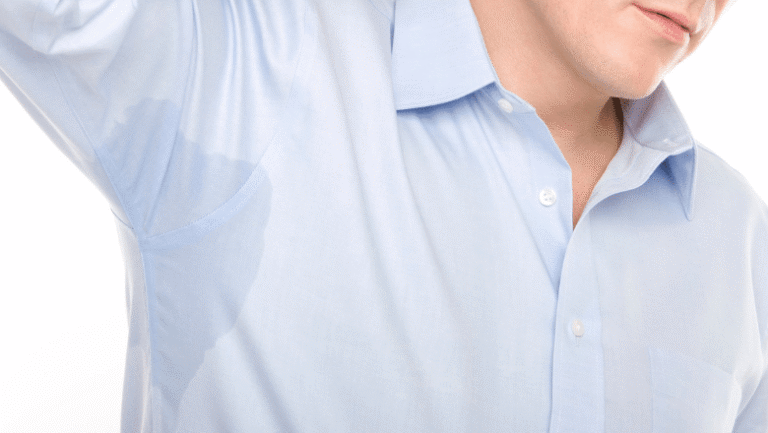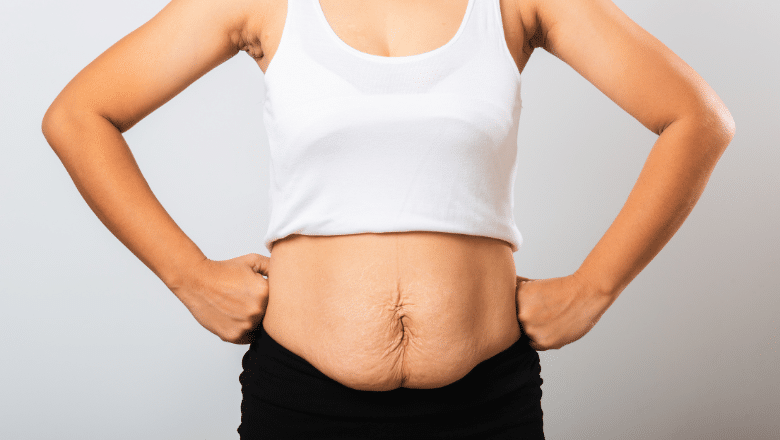
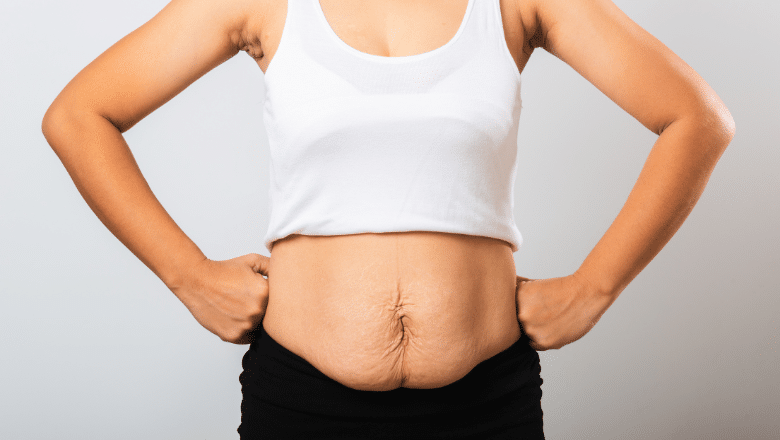
For many people, losing a large amount of weight — whether through sustained lifestyle changes, bariatric surgery, or medically assisted programmes — is one of the most significant achievements of their lives. But the physical reality of substantial weight loss does not always match the expectation. Excess, loose skin is one of the most common and frustrating consequences of losing a large amount of weight, and it is a problem that diet and exercise alone cannot resolve.
Skin removal surgery is the most effective solution — but timing matters enormously. Having surgery too soon after weight loss, or while weight is still fluctuating, significantly compromises the result and increases the risk of complications. Understanding when you are ready, what to look for, and which procedures are most appropriate for your situation is the starting point for planning a safe and successful outcome.
At Centre for Surgery in London, our GMC-registered consultant plastic surgeons perform the full range of body contouring after weight loss at our CQC-regulated Baker Street clinic. In this guide, we explain what surgeons look for before operating, why weight stability is non-negotiable, and what the process of planning skin removal surgery after significant weight loss involves.
Why Rapid or Large-Scale Weight Loss Produces More Excess Skin
When the body gains weight, the skin stretches over time to accommodate the increased volume beneath it. The skin’s elastin and collagen fibres — the proteins responsible for its ability to snap back — are progressively stretched and, over time, damaged. When weight is then lost, those fibres cannot fully retract, leaving redundant folds of skin behind.
The amount of excess skin that develops depends on several factors: the total amount of weight lost, the speed at which it was lost, the patient’s age, their skin’s baseline elasticity, genetics, and whether they smoke. Crucially, the rate of weight loss plays a significant role — skin that is stretched and then rapidly de-loaded has less time to adapt than skin that reduces gradually over a longer period. This is why patients who lose a very large amount of weight over a relatively short timeframe often have more significant skin laxity than those who lose similar amounts over longer periods.
The areas most commonly affected include the abdomen, flanks, upper arms, thighs, chest, and back — as detailed in our dedicated post on which areas of the body are most affected by excess skin after weight loss. Some patients develop problematic skin folds that cause practical difficulties — skin rashes, infections in the folds, difficulty with hygiene, and clothing that fits poorly — while others are primarily concerned with the aesthetic appearance of the residual skin.
The Most Important Rule: Weight Must Be Stable First
The single most important requirement for skin removal surgery after significant weight loss is weight stability. Operating on a patient whose weight is still changing — whether still losing or at risk of regaining — produces results that will not last and that may require revision surgery at significant additional cost and risk.
Most plastic surgeons require a minimum of twelve months of stable weight before performing skin removal surgery following major weight loss. Some surgeons recommend eighteen months, particularly for patients who have lost very large amounts of weight or whose weight loss was extremely rapid. The rationale is straightforward: the body needs time to reach its natural stable weight, for skin laxity to declare itself fully (some skin retraction continues for months after weight loss ceases), and for overall nutrition and health to stabilise.
Nutritional status is particularly relevant after major weight loss, especially where surgical intervention has been involved. Deficiencies in protein, vitamins, and micronutrients impair wound healing, increase infection risk, and compromise the body’s ability to recover from surgery. Before proceeding with any skin removal procedure, your surgical team will review your nutritional status and may recommend supplementation or dietary support to optimise your readiness for surgery.
What BMI Do I Need for Skin Removal Surgery?
There is no single BMI threshold that applies universally to skin removal surgery, and different surgeons apply different criteria. However, as a general guide, most plastic surgeons prefer patients to have a BMI below 30 before performing major body contouring procedures following weight loss. For certain procedures — particularly lower body lifts and belt lipectomy — a BMI below 28 is often preferred to minimise complication risk.
This is not a rigid rule, and surgeons take a holistic view: a patient’s weight relative to their height, their overall health, the specific areas to be treated, and the complexity of the planned surgery all factor into the assessment. Patients with a BMI above 30 are not automatically excluded from surgery, but they face meaningfully higher risks of wound complications, infection, and poor scar quality, and the surgical results tend to be less well-defined than in patients who are closer to an optimal weight.
If your BMI remains above the recommended threshold, your surgeon may advise further weight reduction before proceeding. Achieving and maintaining a stable, healthy weight before surgery is the single most effective step you can take to optimise both your safety and your outcome. Our post on whether you can tighten loose skin after weight loss provides useful context on the difference between what surgery and non-surgical options can realistically achieve.
Which Skin Removal Procedures Are Available?
The appropriate procedure — or combination of procedures — depends entirely on which areas are affected and the degree of skin laxity in each. A thorough consultation with your surgeon is the only way to determine what is right for your individual situation, but the most commonly performed skin removal procedures following significant weight loss are as follows.
Tummy Tuck (Abdominoplasty)
The abdomen is the area most commonly affected following significant weight loss, particularly where the weight was concentrated in the midsection. A tummy tuck removes the excess skin and fat from the lower and sometimes upper abdomen, tightens the abdominal wall muscles where they have separated (diastasis recti), and repositions the navel. For patients with very significant abdominal skin excess, a Fleur de Lis abdominoplasty — which includes a vertical as well as horizontal excision — may be the most appropriate approach. For patients with less extensive laxity, an apronectomy (panniculectomy) addresses the overhanging skin fold specifically, without the full muscle repair of a tummy tuck. Our post on tummy tuck vs apronectomy explains the distinction in detail.
Arm Lift (Brachioplasty)
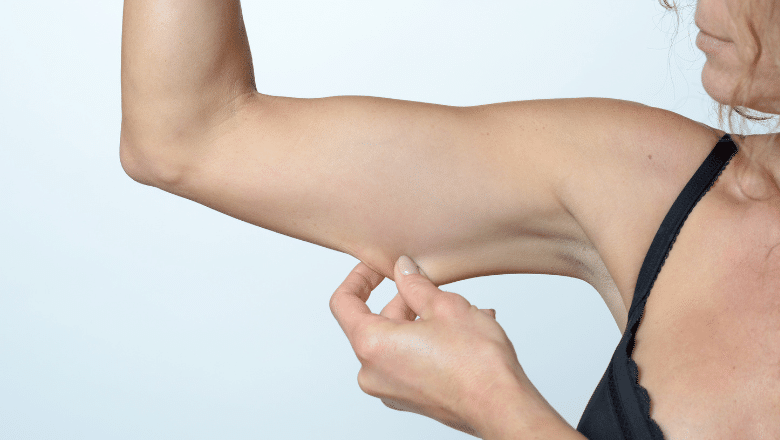
The upper arms are frequently affected after large-scale weight loss, with loose skin hanging from the underside of the arm. An arm lift removes this excess skin through an incision running along the inner arm from the armpit to the elbow — the length and position of which is tailored to the degree of laxity present. For less severe cases, a mini arm lift addresses the upper portion only, through a shorter incision in the armpit. Our post on arm lift vs arm liposuction helps clarify which approach is appropriate at different stages.
Thigh Lift
Loose skin on the inner and outer thighs is a common concern following weight loss from the lower body. A thigh lift removes excess skin through incisions in the groin and along the inner thigh, tightening and reshaping the contour of the upper leg. The extent of the procedure depends on whether the concern is primarily with the inner thigh, outer thigh, or both. Our post on surgical solutions for sagging thighs covers the options in detail.
Lower Body Lift (Belt Lipectomy)
For patients with excess skin affecting the abdomen, flanks, buttocks, and outer thighs simultaneously, a lower body lift — also called a belt lipectomy — addresses all of these areas in a single comprehensive operation through a circumferential incision around the body. This is a major procedure with a correspondingly longer recovery, and it is reserved for patients with the most significant skin excess and the physical resilience to tolerate a substantial surgical session. Our post on body lift surgery after massive weight loss explains what the procedure involves.
Upper Body Lift
For patients with loose skin affecting the chest, back, and arms, an upper body lift addresses these areas together. It is commonly combined with a breast lift for female patients. Our post on body shaping surgery after massive weight loss provides an overview of the upper body lift alongside belt lipectomy and thigh lift procedures.
Breast Lift
Significant weight loss frequently affects the breasts — they lose volume and the overlying skin becomes ptotic (drooping). A breast lift repositions the nipple-areola complex and removes excess skin to restore a more youthful breast profile. For patients who wish to restore lost volume at the same time, a breast lift can be combined with implants or fat transfer. The options for women with drooping breasts after weight loss are covered in our dedicated post on options for drooping breasts after weight loss.
Can Multiple Areas Be Treated at Once?
Yes — combining procedures in a single operation is common and often preferred, as it reduces the total number of anaesthetics and recovery periods required. The decision about what can safely be combined in one session depends on the patient’s overall health, BMI, fitness for anaesthesia, and the estimated surgical time. Longer combined procedures carry a higher risk of complications and require more careful patient selection.
The most commonly combined procedures include tummy tuck with arm lift, lower body lift with thigh lift, and upper body lift with breast lift. Your surgeon will assess your individual suitability for combined surgery at consultation and recommend the safest and most effective plan for achieving your goals. Our post on the top skin removal procedures after weight loss provides a useful overview of how these procedures are commonly sequenced.
What About NHS Funding?
Skin removal surgery following weight loss is occasionally available on the NHS, but criteria are strict and approval is not guaranteed. NHS funding is generally reserved for cases where excess skin is causing documented medical problems — recurrent skin infections, ulcers, mobility difficulties, or significant psychological distress. Even meeting clinical thresholds does not guarantee funding, as decisions are made by local Integrated Care Boards (ICBs) with varying criteria. Our detailed post on NHS skin removal surgery after weight loss covers the referral process in full.
Most patients who pursue skin removal surgery after significant weight loss do so privately. Finance options including 0% APR are available through our partner Chrysalis Finance — visit our Finance Options page for details.
Frequently Asked Questions
How long should I wait before having skin removal surgery after losing a lot of weight?
Most surgeons require a minimum of twelve months of stable weight before operating. For patients who have lost very large amounts of weight very quickly, eighteen months is often recommended. This stability period allows the body to reach its natural settled weight, for residual skin retraction to occur, and for nutritional status to optimise ahead of surgery.
Can I have skin removal surgery if I am still losing weight?
No. Operating on a patient whose weight is still changing produces results that will not be durable. Further weight loss after surgery will create new skin laxity; weight regain will stretch the repaired skin. Stable weight for a sustained period is a prerequisite for all skin removal procedures.
Will the NHS pay for skin removal surgery after major weight loss?
Occasionally, where there is documented medical necessity — recurrent infection, sores, or significant functional impairment from excess skin. Most cases are considered cosmetic and ineligible for NHS funding. Private surgery through a specialist clinic is the most reliable route for the majority of patients.
How much skin can be removed in one operation?
This depends on the procedure and the individual patient. A tummy tuck typically removes several kilograms of skin and fat from the abdomen. A combined lower body lift may remove considerably more. Your surgeon will give you a realistic indication of what can be achieved at your consultation.
What is the recovery like after skin removal surgery?
Recovery varies by procedure. Arm lift and thigh lift patients typically return to light activity within two to three weeks. Tummy tuck and lower body lift patients require a longer initial recovery of three to four weeks before resuming most daily activities, with full recovery taking several months. Our individual recovery guides for arm lift recovery and lower body lift recovery cover what to expect in detail.
Body Contouring After Weight Loss at Centre for Surgery
Centre for Surgery performs the full range of body contouring after weight loss and excess skin removal surgery at our CQC-regulated Baker Street clinic in central London. Our GMC-registered consultant plastic surgeons have extensive experience with post-weight-loss body contouring across all areas of the body, including complex combined procedures. Every patient receives a personalised surgical plan following a thorough consultation that considers their anatomy, goals, health status, and readiness for surgery.
Phone: 0207 993 4849 | Email: contact@centreforsurgery.com | Address: 95-97 Baker Street, London W1U 6RN
[contact-form-7 id=”256″ title=”Treatments form”]