Many people desire a body shape that looks proportionate, toned, and aesthetically pleasing from every angle, yet certain areas can remain stubbornly underdeveloped. For some individuals, regular workouts, dietary adjustments, and the use of supplements will not yield the results they want in specific regions such as the chest, calves, or other targeted muscle groups. When conventional methods do not yield the desired results, body contouring implants can be an effective way to enhance definition and restore symmetry. These implants offer permanent results without requiring one to continually rely on weight gain in certain areas or on adjusting muscle mass through relentless exercise alone.
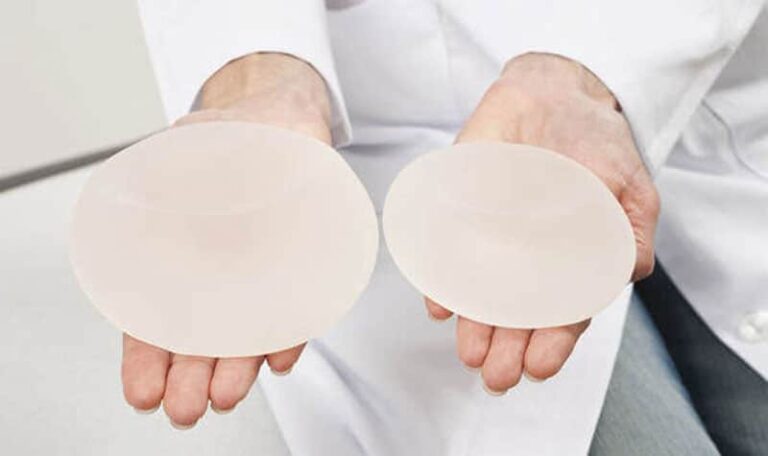
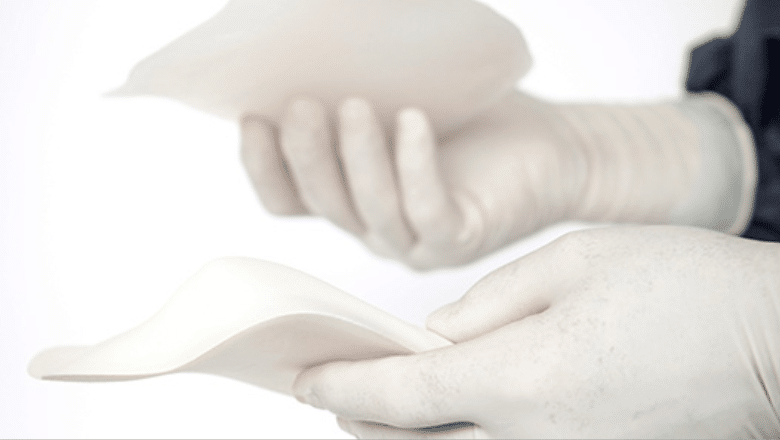
Body contouring implants are typically made from medical-grade silicone. They are crafted to fit precisely into the anatomical pockets where more volume, shape, or structural improvement is needed. Inserting these implants can help correct genetic deficiencies, address the effects of medical conditions, or produce a more balanced outline. Whether individuals aim to enlarge a smaller chest, refine the contour of the lower legs, or correct existing chest wall deformities, these implants can be customised to meet a wide range of aesthetic or reconstructive needs.
Those who choose to undergo body contouring implant procedures often appreciate that the implanted material maintains its size and shape over time. Unlike fat transfer techniques, which can be affected by the body’s natural processes of fat absorption, implants remain stable and predictable in volume. This predictability means that patients can be confident in the long-term appearance of the treated region. Nevertheless, it is essential to understand the types of implants available, the procedures involved, and the usual aftercare or recovery processes before making an informed decision to proceed with surgery.
This comprehensive guide delves into the various options for body contouring implants, explains how they are placed, and explores how they differ from fat transfer methods. It also discusses recovery timelines and post-operative considerations to ensure that each patient can decide which approach best suits their circumstances and overall health. The goal is to provide an overview of the most common types of body contouring implants, including pectoral implants, implants designed to correct chest wall deformities, and calf implants, as well as highlight the crucial points that set implant-based enhancements apart from other methods, such as fat grafting.
Concept of Body Contouring Implants
Body contouring implants have emerged as a preferred option for those seeking durable augmentation or reconstruction in various parts of their body. The idea behind these implants is relatively straightforward. A specialised surgeon will create a pocket in the target area, where the custom implant is inserted and positioned to sit naturally against existing muscles or bone structures. Over time, the body heals around the implant, which then permanently occupies that space.
The surgical procedures associated with body contouring implants are performed under anaesthesia, which may range from local to general, depending on the complexity and extent of the procedure. The incisions used for implant insertion are usually discreetly placed in locations that make the resulting scars less noticeable, such as in the armpit for pectoral implants or the crease behind the knee for calf implants. Because of advances in surgical methods and implant design, the vast majority of these procedures yield results that appear both harmonious and authentic.
Patients who opt for implants typically do so for one of two main reasons. The first is aesthetic enhancement, where the goal is to accentuate certain parts of the body in a way that is difficult or impossible to achieve through exercise alone. The second is reconstructive, where conditions such as Pectus Excavatum or Poland Syndrome result in significant tissue or muscle loss, leading to deformities or asymmetries. In these cases, custom implants can be designed using advanced 3D imaging and computer-assisted design technology to address the individual’s unique needs.
Pectoral Implants for a More Defined Chest
The chest is often a focal point for men seeking to build a strong, sculpted upper torso. Unfortunately, there are instances when no amount of weightlifting, press-ups, or gym routines yields the desired chest volume or shape. When the pectoral muscles do not respond to exercise as one might hope, pectoral implants offer a powerful solution that can transform the upper body.
During a pectoral implant procedure, which usually takes around two hours, the patient is placed under general anaesthesia for utmost comfort. The surgeon makes an incision in the armpit. A pocket is then carefully fashioned between the pectoralis major muscle and the rib cage, leaving enough space to insert a custom silicone implant. Once the implant is positioned, the incision is closed in layers, ensuring optimal healing and a secure implant.
Recovery from pectoral implant surgery can require about six weeks for the chest area to settle and for the patient to regain a full range of motion without discomfort. During this period, surgeons typically advise wearing a compression garment to minimise swelling, stabilise the implant, and aid healing. Some individuals may notice bruising, tightness, or pain in the initial days, which is managed with prescribed medication or recommended pain relief methods. Most patients find that returning to gentle daily activities is feasible within a week or two, but they are cautioned to avoid intense exercise for an extended period to prevent complications.
RELATED: Do Pectoral Implants Impact Muscle Growth?
Addressing Chest Wall Deformities with Specialist Implants
Certain conditions, including Pectus Excavatum and Poland Syndrome, can create noticeable asymmetries or concavities in the chest wall. These conditions may affect one’s confidence, make it difficult to find clothing that fits properly, or even lead to functional concerns if the deformity impacts breathing or posture. Specialist chest wall implants offer a targeted approach to correcting these issues and restoring a more regular contour.
Pectus Excavatum, characterised by a sunken breastbone, can be corrected with custom-made implants designed using CAD (Computer-Aided Design) and often 3D imaging. These implants fill in the depressed area by following the natural outlines of the patient’s chest, creating a smooth, symmetrical appearance without the need for extensive bone restructuring. Poland Syndrome, on the other hand, involves a partial or complete absence of the pectoral muscle on one side of the chest. This deficiency might be addressed by placing a tailored implant that mimics the missing muscle tissue, thereby evening out the overall chest shape.
Procedures to correct these chest wall deformities are generally performed under general anaesthesia and may take between 1 and 2 hours to complete, depending on the complexity of each case. Many surgeons who perform these operations will monitor the patient’s recovery for the first few days to ensure that everything is progressing as expected. Some individuals also consider an additional procedure in which fat is transferred to the chest area after implant insertion, which can enhance the result by providing a more natural transition around the edges of the implant. Patients are often advised to rest for about 15 days and to avoid strenuous sports or high-impact activities for 3 months. This careful approach helps to ensure that the implants settle properly and that the incision sites fully recover, ultimately resulting in a stable, long-term outcome.
Enhancing Leg Definition with Calf Implants
Calf implants are designed to address underdeveloped calves that do not seem to respond to targeted exercises, such as calf raises or running, and that may appear out of proportion with the thighs or the rest of the lower body. Some people have naturally slim calves, while others may have lost muscle volume due to injury, illness, or other medical conditions. Whatever the reason, calf implants can help achieve a more balanced and harmonious lower leg silhouette.
The calf implant procedure typically uses local anaesthetic, though sedation or general anaesthetic might be considered in some instances. The surgery tends to last about one hour. The surgeon creates an incision in the crease behind the knee, which helps keep any potential scarring inconspicuous. A pocket is formed, and the implant is inserted above the calf muscle. Over time, the implant blends in with the surrounding tissues to improve leg definition.
RELATED: Do Calf Implants Need To Be Replaced?
After surgery, the patient may experience discomfort, swelling, or bruising, which is alleviated through rest, prescribed medication, and possibly compression garments. The short recovery period is often considered one of the advantages of calf implant surgery, as many patients can return to work or light activities within a relatively short timeframe. However, it is always crucial to follow the surgeon’s guidance on exercise to avoid prematurely straining the leg muscles.
Differences Between Body Contouring Implants and Fat Transfers
When considering ways to augment or refine specific body parts, many individuals contemplate both implants and fat transfers. While both methods can increase volume, they function quite differently and deliver distinct long-term outcomes. Fat transfer techniques remove fat from one region of the body using liposuction, purify it, and reinject it into another area that needs more fullness. This strategy works well for people who have ample fat deposits to harvest and who may prefer not to place a foreign object inside their body.
In contrast, body contouring implants are standalone silicone devices that maintain their size indefinitely, without depending on the survival or integration of transferred fat cells. Fat grafting methods typically result in a certain percentage of the transferred fat being absorbed by the body over time, which might reduce the volume achieved immediately following the procedure. Implants, by their very nature, remain consistent in their form and size, offering a stable and often more dramatic enhancement that does not fluctuate with body weight changes.
Another consideration is the extent to which patients want to avoid foreign materials. Because fat transfer relies on the patient’s own tissues, some people find this approach more appealing. However, the results from fat transfer may be somewhat less predictable if there is insufficient donor fat or if the body absorbs a higher percentage of the transferred fat cells. Conversely, implants can create significant augmentation even in patients who are lean, or those who do not have enough spare fat for grafting. With implants, the surgeon can also shape and size the device very precisely, so the outcome can be carefully tailored to each individual’s goals.
Some patients prefer the softer, possibly subtler look that fat transfer can produce, while others want a well-defined, sculpted appearance that may be more readily achieved with implants. Each technique carries its own risks and recovery protocols, so prospective patients should discuss both options thoroughly with a qualified surgeon. Ultimately, the choice will depend on personal preferences, lifestyle, donor fat availability, and the individual’s overall health and body composition.
Recovery and Aftercare for Body Contouring Implants
Recovery times for body contouring implants differ according to the type of surgery performed and the patient’s general condition before the procedure. In general, most individuals experience some swelling and discomfort in the days following the operation, which can be managed through rest, compression garments, and prescribed pain relief. Follow-up appointments with the surgical team are imperative because they allow the medical professional to ensure that the implants have settled correctly and that any signs of complications or infections are addressed promptly.
Patients should heed their surgeon’s advice on physical activity, particularly in the early weeks of recovery. Strenuous exercise can interfere with incision healing, cause implants to shift, or exacerbate inflammation. The duration of time one should avoid intense training varies; however, many surgeons suggest a period of at least 4 to 6 weeks before gradually resuming a normal workout routine. Even then, it is advisable to proceed with caution and to increase activities slowly, giving the body enough time to adjust to the implants.
Swelling can persist for several months, initially masking the final results. Many patients see a steady improvement in the appearance of the treated area as the tissues settle and the body adapts to its new contours. By attending check-ups and following a sensible, well-structured recovery plan, most individuals find that they can maximise their outcomes and reduce any potential risks.
Importance of Proper Consultation and Surgical Expertise
Choosing the right surgeon is one of the most important steps in the journey towards obtaining body contouring implants. While the procedure itself might appear straightforward, it requires advanced surgical knowledge of anatomy, a detailed understanding of how the implants behave within the tissues, and the skill to place incisions to minimise visible scarring. Surgeons who have extensive experience in procedures such as pectoral augmentation, chest wall correction, and calf enhancement are better equipped to recommend the appropriate implant size and shape.
During consultations, patients are often assessed not only for their current physical condition but also for their general health, lifestyle habits, and expectations. It is crucial to communicate openly with the surgeon about personal goals, concerns, and any prior surgeries or underlying health conditions that might impact healing. A thorough examination of medical history ensures that the procedure is as safe and suitable as possible. By discussing the risks and benefits, as well as potential alternatives such as fat grafting, the patient can make an informed decision.
The use of custom-made implants for reconstructive purposes, particularly in cases involving Pectus Excavatum or Poland Syndrome, highlights the need for absolute precision. Surgeons must use advanced imaging technologies to produce implants that fit seamlessly with the patient’s anatomy. This level of customisation allows for a streamlined surgical process, reduces the potential for complications, and ensures that the end result appears natural.
Achieving Long-Term Satisfaction with Body Contouring Implants
The long-term satisfaction rates associated with body contouring implants are generally high, especially when the surgery is performed by an experienced professional and patients adhere to all recovery recommendations. The durability of these implants means individuals usually do not need to worry about them shrinking or fluctuating in size. Moreover, improvements in implant materials and manufacturing processes have made them safer and more robust than ever before.
Nevertheless, as with any surgical procedure, patients need to keep a realistic mindset. Implants can enhance or restore volume and shape, but they do not replace healthy lifestyle habits. Maintaining a stable weight and engaging in regular exercise, once cleared to do so, will help preserve the aesthetic results and contribute to an overall sense of well-being. Significant weight gain or loss after implant surgery can affect the outcome, potentially altering the distribution of fat across the body and causing the implants to appear differently than intended.
Follow-up checks are an important part of preserving one’s results. These appointments allow the surgeon to assess whether the implants are in good condition and to confirm that there are no issues such as implant displacement, capsular contracture, or any other concerns that can occasionally arise post-surgery. If patients do notice any changes or discomfort in the treated area, they are encouraged to consult with their medical team promptly, as early intervention can prevent more serious complications.
Why Choose Centre for Surgery?
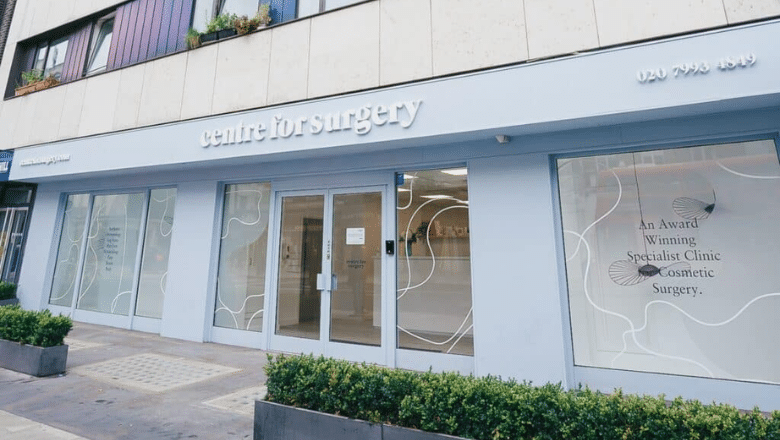
Centre for Surgery is a premier destination for advanced body contouring and plastic surgery procedures in the UK. Located on Baker Street in London, our clinic is renowned for its exceptional standards of care, cutting-edge techniques, and personalised approach to achieving outstanding patient outcomes. We take pride in offering a comprehensive range of body contouring services, including specialist implants, ensuring every patient receives a treatment plan tailored to their unique goals and needs.
Commitment to Excellence in Aesthetic Surgery
At Centre for Surgery, we believe in delivering results that enhance not only your appearance but also your confidence and quality of life. Our surgeons are leaders in the field of aesthetic and reconstructive surgery, combining extensive training with years of hands-on experience. They are supported by a skilled clinical team dedicated to ensuring a smooth and stress-free journey for every patient.
Our state-of-the-art Baker Street facility is equipped with the latest technology, allowing us to provide advanced treatments in a safe and welcoming environment. From the initial consultation to post-operative aftercare, our focus is on delivering a seamless experience with exceptional attention to detail.
Patient-Centric Approach
What sets Centre for Surgery apart is our unwavering commitment to patient satisfaction. Every individual is unique, and we take the time to understand your concerns, discuss your aspirations, and design a bespoke treatment plan that reflects your vision. Transparency and clear communication are at the heart of our process, ensuring you feel informed and confident every step of the way.
Testimonials from Our Happy Patients
1. Michael P. – Pectoral Implants
“I had always struggled with developing my chest muscles, no matter how hard I worked at the gym. The team at Centre for Surgery understood exactly what I was looking for and delivered incredible results. The implants look so natural, and I finally feel confident taking my shirt off at the beach. Thank you to the amazing surgeons and staff for making this process so smooth.”
2. Laura S. – Calf Implants
“After years of feeling self-conscious about my legs, I decided to get calf implants at Centre for Surgery. The results exceeded my expectations. The clinic was so professional, and the staff were incredibly supportive. I now have the confidence to wear skirts and dresses, which I hadn’t done in years!”
3. James R. – Chest Wall Reconstruction
“As someone living with Pectus Excavatum, I always felt out of place due to my chest deformity. The customised chest wall implant procedure at Centre for Surgery has changed my life. The team treated me with such care and respect, and the results are phenomenal. I wish I’d done this years ago.”
Convenient Financing Options
We understand that affordability is an important consideration for many patients. That’s why Centre for Surgery offers flexible finance plans, including 0% APR through Chrysalis Finance, making it easier to achieve your aesthetic goals. Our team can guide you through the financing process and help you find a plan that works for your budget.
To learn more about financing options, visit our Finance Options page.
Explore More About Us
- Meet Our Team: Our team of world-class surgeons and specialists are dedicated to providing exceptional care. Learn more about their expertise on our Team Member page.
- Read Our Blog: Stay updated with the latest trends and insights in plastic surgery by visiting our Plastic Surgery Blog.
- Frequently Asked Questions: Have questions about procedures, recovery, or other details? Visit our Clinic FAQs for quick answers.
- Learn More About Us: Discover what makes Centre for Surgery a leading clinic in the UK by visiting our About Us page.
Contact Us for a Consultation
Take the first step towards achieving your dream body by booking a consultation at our Baker Street clinic. We are conveniently located in central London, making us easily accessible for patients from across the UK and beyond.
📍 Address: 95-97 Baker Street, London W1U 6RN
📞 Phone: 0207 993 4849
📧 Email: contact@centreforsurgery.com
Centre for Surgery is your trusted partner for life-changing body contouring procedures. Whether you’re considering implants, reconstructive surgery, or other treatments, our experienced team is here to guide you every step of the way. Book your consultation today and take the first step towards a more confident you!
[contact-form-7 id=”256″ title=”Treatments form”]