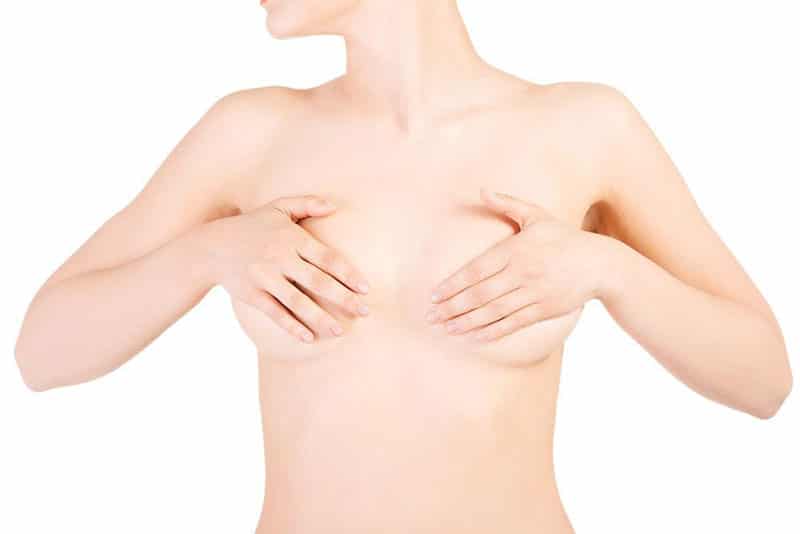

The size and shape of the female breast can lead many women to feel unhappy about their appearance, and this can lead in the long term to a reduction in self-confidence. This often leads many women to seek out treatment options to enhance the size and shape of their breasts for renewed self-confidence. A small number of women may have aesthetic breast surgery as part of a breast reconstruction procedure. Still, the majority of women will have no underlying medical condition and are seeking breast enhancement purely for aesthetic purposes. Women who have aesthetic breast surgery do so to increase their overall state of happiness and how they feel about themself.
RELATED: What is Fat Transfer Breast Augmentation?
There are a number of cosmetic surgery techniques now available to enhance the size and shape of female breasts. The most common method is breast augmentation, also known as a ‘boob job’, involving the insertion of silicone breast implants. Breast augmentation is one of the most commonly performed cosmetic surgery procedures in the UK. Breast augmentation with implants is not the only option for enhancing the volume of the breasts. Fat transfer to the breasts, also known as ‘natural breast augmentation’, is a newer technique involving the harvesting of fat with liposuction and reinjection into the breasts. We refer to this procedure as natural breast augmentation because it utilises your own body fat, and no artificial substances are involved. There are pros and cons to breast implants and breast fat transfer, and the correct treatment will depend on your own unique circumstances and preferences. In this article, we will help you to decide what could be right for you by describing what breast implants and fat transfer involve, and this should hopefully help you to make a better decision on the right treatment.
Fat transfer vs breast implants
For women looking to enhance the volume of their breasts, both fat transfer and breast implants can achieve this, although they do so by very different methods. The best way to determine the most appropriate option for you is to have a face-to-face consultation with a plastic surgeon at Centre for Surgery, who will be able to advise you on which procedure could best address your goals for treatment:
Breast implants

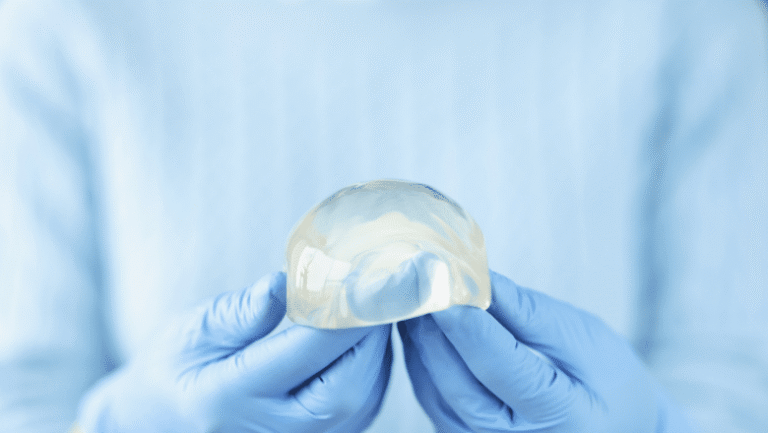
Breast implants remain the most common method of breast augmentation in the UK, and the volume enhancement achieved with breast implants is much more predictable when compared with fat transfer. The latest generation of breast implants is made of medical-grade silicone and can be placed either on top of the muscle or beneath the muscle, depending on your surgeon’s advice to achieve the most natural-looking results.
Fat transfer to Breasts
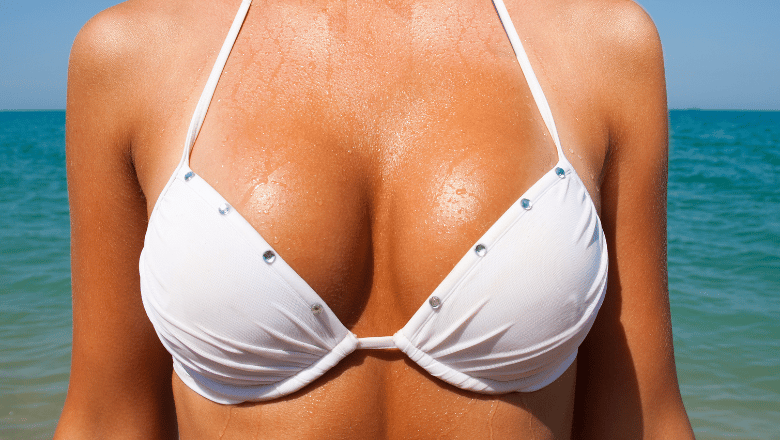
Fat transfer to the breasts is more involved than a breast implant procedure as it involves two separate components. The first step is liposuction to remove excess fat from parts of the body such as the abdomen, thighs or buttocks. Once the fat has been removed with liposuction, it is purified and processed before being injected via fat transfer to the breasts. Fat transfer to the breasts results in an improved size and shape of the breasts without the need for artificial breast implants.
RELATED: Fat Transfer To Body
What does fat transfer involve?
It is essential when deciding on having a breast augmentation as to which method is best for you and will give you the results you are looking for. Fat transfer to the breast is also known as a natural breast augmentation or ‘natural boob job’ because the procedure does not involve the insertion of breast implants. Fat transfer involves the removal of your own body fat from unwanted areas before being injected into the breasts to create natural-looking results. Fat transfer surgery is less invasive when compared with breast implant surgery and is carried out under general anaesthetic to ensure your comfort. The procedure duration varies but takes, on average, between one and 3 hours to carry out, depending on the number of areas where liposuction was performed.
What types of fat transfer can I have?
The first step of any fat transfer procedure involves liposuction; our surgeons are experts in power-assisted liposuction. Liposuction enables the efficient removal of excess fat from unwanted areas of the body. The collected fat is then purified in a specialised fat collection device to remove residual local anaesthetic, oil and blood. The fully processed fat is then expertly injected into the targeted areas of the breasts. Fat transfer to the breasts is known for creating natural-looking results when compared with breast implant surgery.
What does breast implant surgery involve?
Breast implant surgery is most commonly carried out under a general anaesthetic, and the procedure takes between 60 and 90 minutes to carry out. During your consultation with the surgeon, the full range of options will be discussed, including the type of implant to be inserted, its size and desired shape, whether round or teardrop. Your surgeon will recommend a breast implant that is most natural-looking for your anatomy.
RELATED: Breast Implant Options
Breast augmentation at Centre for Surgery in London most commonly involves the inframammary approach, which consists of an incision in the lower part of the breast fold followed by the creation of a breast pocket to place the implants. Although less commonly used, saline implants require a much smaller incision for insertion when compared with silicone breast implants. With either type of implant, whether silicone or saline, your surgeon takes extreme care to make the incisions as small as possible, resulting in the best possible scar formation. The incision for a breast augmentation roughly sits at the same level as the underwire component of a bra.
Fat transfer vs Breast Implants – recovery
Both types of procedures are invasive in nature, which means that a period of downtime is required. However, the downtime after fat transfer to the breasts is less when compared with breast implants due to the less invasive nature of the fat transfer procedure. Both types of breast surgery are routinely carried out as day surgery at our London clinic, which means that you will be able to go home later the same day after your procedure. We advise both procedures to take at least one week off work. Final results and full recovery should become evident by the six-week mark, although this may take longer depending on the individual patient.
Results of Fat Transfer Vs Breast Implants
For many patients, achieving a natural look to their breasts is particularly important and fat transfer to the breasts is the ideal technique to accomplish this. However, fat transfer to the breasts cannot achieve significant size increases, and in most cases, your surgeon can achieve a rise of 1 to 2 cup sizes. Fat transfer is a two-in-one procedure. Patients benefit from the body contouring results of the liposuction component, which removes unwanted fat deposits and helps sculpt the area. Compared with fat transfer, breast implants are able to give a more predictable increase in size. Dramatic size increases can be achieved depending on the size of the implant you choose. In some cases, patients can benefit from having both procedures together to get a significant increase in breast size with breast implants and the natural-looking perky appearance possible from having fat transfer and this is also known as hybrid breast augmentation.
Risks of fat transfer and breast implants
All types of cosmetic surgery carry some degree of risk, and both breast implants and fat transfer are no different. It is generally accepted that the risks of fat transfer surgery are less than those of implant surgery. The main risk of fat transfer surgery is that fat that has been injected may undergo excessive reabsorption, which means that the final results may be less dramatic than you expected. Some degree of fat absorption is normal in any fat transfer procedure; typically, between 50% and 80% of the fat is expected to survive. In such cases, patients may require a follow-up procedure to achieve the desired level of breast volume increase. In expert hands at the Centre for Surgery, our surgeons are renowned for creating fantastic results with all types of fat transfer surgery, including breast fat transfer, to minimise this risk.
Well-known risks of breast implant surgery include capsular contracture and implant rupture. Modern fourth-generation breast implants have a much lower risk of these complications occurring. However, it is still a potential risk. Our clinic is unique in being able to offer ultrasound screening of breast implants to make sure there is no leakage or rupture. Your surgeon will be able to outline the risks, complications, and benefits associated with each type of procedure, allowing you to make a fully informed decision about the right treatment for you.
 [contact-form-7 id=”256″ title=”Treatments form”]