

Gynecomastia removal is a highly effective treatment for improving the appearance of prominent male breasts or ‘moobs’. Gynecomastia is also known as man boobs, and the best treatment is male breast reduction. In this article, we discuss the different types of treatment for gynecomastia as well as how to choose the best gynecomastia surgeon in London.
SEE ALSO: What is gynecomastia?
What is Gynecomastia?
Gynecomastia, or enlarged male breasts, is a condition characterised by the swelling of breast tissue in males. This condition can affect one or both breasts, often asymmetrically. Commonly seen in infancy, puberty, and in middle-aged to older men, gynecomastia can be the result of hormonal changes, heredity, obesity, or the use of certain drugs.
Men suffering from gynecomastia often experience emotional discomfort and may even feel embarrassed about their bodies. This may limit their participation in certain physical activities or their ability to wear certain types of clothing.
RELATED: Does Gynecomastia Go Away?
What causes gynecomastia?
More than one in four men may develop enlarged breasts at some point in their lifetime. Male breast enlargement is also known as gynecomastia or ‘man boobs’ and develops when glandular tissue located beneath the nipple begins to grow and develop, leading to the appearance of male breasts, which may take on a feminine appearance. Many men understandably lose self-confidence, leading them to book a gynecomastia consultation to determine if male chest reduction will flatten their chest. During a consultation with an expert gynecomastia surgeon, many men were keen to learn the causes of gynecomastia that could apply to them.
RELATED: What is gynecomastia?
Causes of gynecomastia
Increasing age
Although gynecomastia can occur at any point in life, it tends to increase in prevalence as men get older. During puberty, significant hormonal changes may result in the enlargement of male breast tissue, which is most commonly temporary and resolves completely over time. In a small number of cases, many men may find the changes permanent, a condition known as true gynecomastia. Gynecomastia, which does not go away, is often due to an underlying hormonal imbalance involving high levels of oestrogen compared with androgens. In older men, the incidence of Gynecomastia begins to increase as male hormone levels begin to naturally decline when men reach their 40s and the higher oestrogen levels found in older men are associated with the formation of man boobs.
Steroids
Many men who undertake bodybuilding in the gym may resort to using illegal recreational drugs, including anabolic steroids, to build muscle mass. Anabolic steroids are synthetic forms of male hormones, which convert to oestrogen in the body. This hormonal imbalance between androgens and oestrogen stimulates male breast development. Anabolic steroids and other performance-enhancing drugs are a significant problem, with many men often denying their use. The rise of gynecomastia in younger men who engage in bodybuilding is on the rise, and this is thought to be linked strongly with the use of anabolic steroids. Our surgeons will insist on full steroid abstinence before suggesting surgical treatment options for gynecomastia.
RELATED: How to Get Rid of Puffy Nipples in Men
Hair loss medications
Popular drugs used to combat hair loss are linked with the development of gynecomastia. The mechanism of action of many hair loss drugs involves reducing the production of male androgens. This leads to a reduction in underlying male hormone levels, which may trigger the development of moobs.
Male hormone supplements
Many men take androgen hormonal supplements to boost energy levels and libido; however, a side-effect of prolonged supplements is an increase in male breast development, which may be temporary in nature. When taking hormonal therapy, oestrogen levels may increase alongside an increase in androgen levels. Fortunately, this male breast growth should resolve completely once you have stopped treatment for at least 6 weeks.
Overweight and obesity
Many men who are overweight or obese will accumulate excessive fat in the chest region. The result can be an enlargement of male breasts. This condition is most commonly referred to as pseudogynecomastia, as the male breast enlargement is primarily due to excess fatty tissue rather than true glandular enlargement. This type of breast enlargement is amenable to treatment with regular exercise and dieting. Still, in some cases, the fatty tissue can be difficult to remove with diet and exercise alone. In these cases, liposuction is an ideal treatment for permanently removing excess fatty tissue, which helps control and sculpt the male chest. Obese patients often have high circulating levels of leptin. Many obese men have leptin resistance as a result of high levels of leptin. This can result in reduced secretion of pituitary hormones, such as LH and FSH, which are designed to increase androgen production. With a reduction in male hormone production, the levels of oestrogen may rise, thus leading to the formation of gynecomastia.
Natural plant oils
Several plant oil products contain substances with oestrogen-like properties. These substances do not have to be taken orally to exert their effects; many products are applied topically to the skin, which can then be absorbed by the body and enter circulation. Your surgeon may ask you at your gynecomastia consultation whether you use certain plant oil products or apply any male grooming products to the chest, as these products may increase the risk of developing gynecomastia. If you are taking these products, your surgeon may recommend stopping them for at least six months before reassessing you. Sometimes, a full resolution of your gynecomastia may be possible with this simple intervention alone.
Chronic liver disease or chronic kidney disease
Patients suffering from chronic failure of the liver or kidneys are more prone to the development of gynecomastia as the formation of androgens is decreased in both of these conditions. Patients with chronic liver disease have markedly impaired synthesis of many types of proteins, including precursors, which are responsible for the formation of androgens. Most patients with chronic liver disease have reduced levels of male hormone as a result, and oestrogen levels may begin to rise. Although gynecomastia is associated with chronic liver disease, it is not a recognised clinical feature of chronic liver disease, with many other symptoms, including jaundice, being more characteristic of those who have liver disease.
Hormone-secreting tumours
There are a number of different types of tumours, including testicular tumours in men, which may lead to increased secretion of certain hormones. Conversely, androgen levels may be reduced, leading to an increase in oestrogen production and gynecomastia. There are several rare lung tumours that may secrete HCG, which mimics LH’s action, thereby increasing male hormone production and oestrogen levels. The resulting hormonal imbalance is a recognised cause of gynecomastia.
Is Gynecomastia Surgery the Right Option for You?
If you are one of the many men in London who feel self-conscious about the size of their breasts, gynecomastia surgery may be an option worth considering. This surgery can help reduce breast size in men who are uncomfortable with it. The procedure involves removing excess fat and glandular tissue, and, in extreme cases, excess skin, resulting in a flatter, firmer, and better-contoured chest.
It is important, however, to first rule out underlying medical conditions that could be contributing to the enlargement of your breasts. Working with your medical team to treat these underlying conditions, along with a commitment to a healthy lifestyle, can potentially reduce the size of your breasts without the need for surgical intervention.
Surgical Procedures for Gynecomastia
Several surgical procedures are available to treat gynecomastia. These include liposuction, excision, or a combination of both.
In liposuction, a small incision is made on each side of the chest. Depending on your specific case, the incisions may be located along a portion of the edge of the areola or within the armpit. Excess fat and glandular tissue are removed through these incisions.
In the excision technique, gynaecomastia is treated by removing excess skin and glandular tissue and, at times, reducing the areola or repositioning the nipple to create a more masculine chest contour.
Living with Gynecomastia and Post-Surgery Expectations
Living with gynecomastia can be difficult for many men. However, surgery can help regain confidence and feel more comfortable in one’s skin.
After surgery, patients typically experience an immediate improvement in their chest shape and appearance. Although patients may feel sore for a few days following surgery, this is normal and temporary. Swelling, bruising, and numbness may also occur, but these symptoms should subside over time.
RELATED: What Is Recovery Like After Gynecomastia Surgery?
Notably, the results of gynecomastia surgery are typically long-lasting or even permanent, provided you maintain a stable weight and refrain from using any drugs that could trigger the return of gynecomastia.
What is the best treatment for gynecomastia?
There are several treatment options for gynecomastia. Male chest reduction often involves a combination of surgical liposuction and gland excision for comprehensive correction and optimum contouring of the male chest. The exact type of surgical treatment will depend on whether you have a predominance of fat or glandular tissue.
RELATED: What are puffy nipples?
Male breast liposuction is a minimally invasive surgical technique for treating pseudogynecomastia, which involves an excess of fatty tissue in the chest. Even in true gynecomastia with excess glandular tissue beneath the nipple, liposuction is often performed as the first step in treatment. Our surgeons typically use power-assisted liposuction to effectively break up the dense, fibrous fat in the male chest. The liquefied fat is then gently removed with vacuum aspiration. Liposuction for pseudogynecomastia is commonly performed under general anaesthesia, but in selected cases with minimal fat excess, a local anaesthetic may be appropriate.
RELATED: How to prepare for gynecomastia surgery
In men with excess glandular tissue, the optimal treatment is surgical removal via an incision around the lower half of the areola, also known as Webster’s incision. The surgeon uses scissors and cautery to precisely dissect the gland away from the underlying chest wall muscle, followed by its removal. A small amount of gland tissue will be preserved beneath the areola disc to prevent a hollowed-out appearance of the nipple and areola. The incisions are then closed using absorbable sutures. In men with very extensive gynecomastia, the ideal treatment may be surgical breast reduction using the inferior pedicle technique. This type of breast reduction is commonly carried out in women with large and heavy breasts. Some men may prefer to have a minimally invasive treatment with liposuction, as there are minimal scars with a liposuction-based technique, followed by surgical excision approximately 6 to 12 months later if residual breast tissue or loose skin remains.
SEE ALSO: Best male chest reduction surgeon UK
The key to successful gynecomastia treatment is a thorough medical evaluation, including a medical history and physical examination, followed, in some cases, by an ultrasound scan to rule out potential malignancies or abnormal lumps and bumps. Although breast cancer can also occur in men, the risk is exceedingly rare and should be treated under the NHS ‘ 2-week rule’.
SEE ALSO: How can you get rid of Gynecomastia without surgery?
How to choose the best gynecomastia surgeon in the UK
It’s essential to choose the right clinic and surgeon for gynecomastia removal to achieve the best results after your surgery.
- Your plastic surgeon should have specialist expertise in treating gynecomastia using gold-standard methods, including liposuction and gland excision. How to Get Rid of Puffy Nipples in Men
- It would be best if you reviewed the clinic’s testimonials, including those on reputable platforms such as Trustpilot, Google, and Facebook.
- It is helpful to look at male breast reduction before and after photos to give you an idea of what can be achieved with the surgery.
- You should confirm that the hospital or clinic is registered with the Care Quality Commission.
- The surgeon should be able to perform all types of gynecomastia removal under both local and general anaesthesia. It would be best to avoid clinics that only offer local anaesthetic gynecomastia removal.
- It would help if you enquired about the levels of post-operative care provided by the clinic, including whether a 24/7 service is available to ensure that any questions or concerns you may have during the male breast reduction recovery period are answered promptly.
- View our gynecomastia before and after photos
Why choose Centre for Surgery for Gynecomastia Removal?
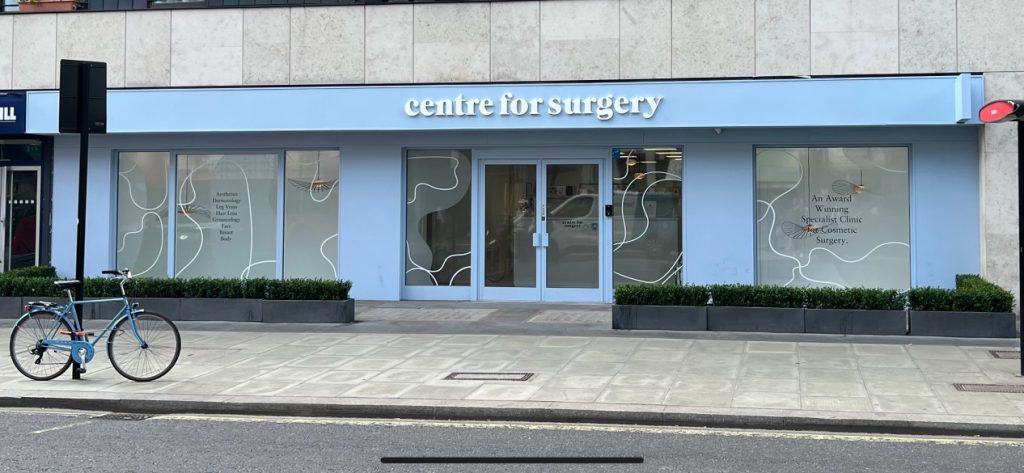
Centre for Surgery in London is home to some of the UK’s most experienced male chest reduction surgeons. We are a results-based practice and specialise in treating all types of gynecomastia, including gynecomastia after massive weight loss. Our plastic surgeons are dedicated to providing the highest standards of medical care using gold-standard medical techniques, including liposuction and gland removal. We have a large number of articles on gynecomastia in our blog section on our website. You can also give a range of before and after male breast reduction photos. During a face-to-face consultation, your surgeon can show you an even broader selection of before-and-after gynecomastia photos. If you are keen to book a male breast reduction consultation with an expert surgeon, please call us on 020 7993 4849 and speak to one of our friendly and knowledgeable patient coordinators. We offer male chest reduction with liposuction at our state-of-the-art Baker Street clinic in London.
[contact-form-7 id=”256″ title=”Treatments form”]