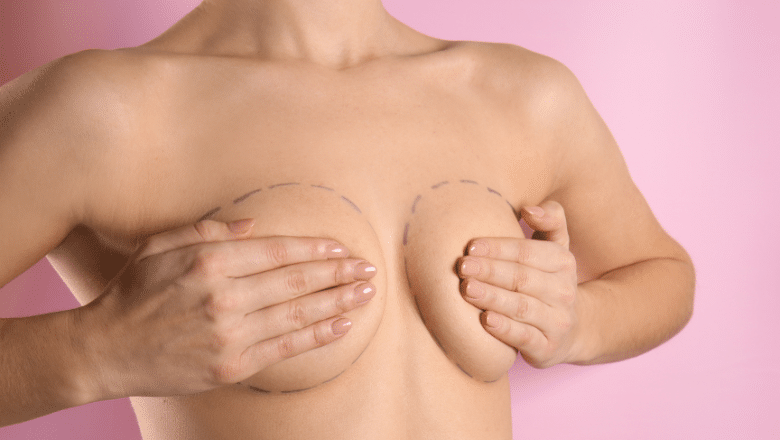
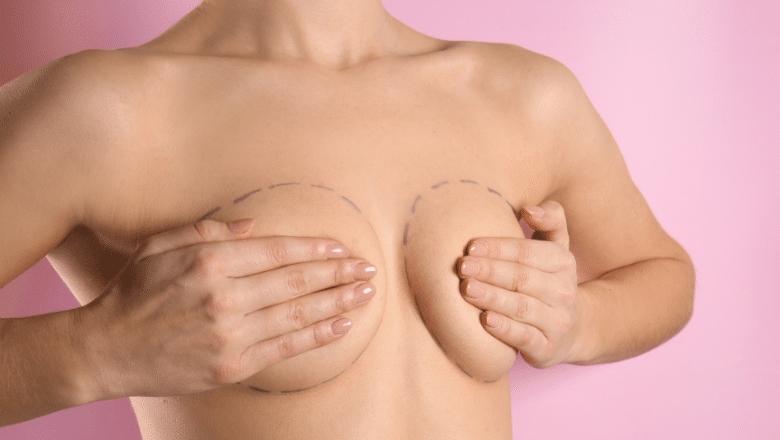
Breast enlargement is a breast-enhancing procedure to change the shape and size of the breasts. Patients may consider this procedure to improve their body image, increase self-esteem, or regain breast fullness lost due to factors like pregnancy or significant weight changes. Before deciding on this procedure, you should understand the available methods, the potential risks and benefits, the healing process, and other options available to you.
RELATED: What Do the Best Breasts Look Like?
Understanding the Motivations Behind Breast Augmentation: Why Women Want Bigger Breasts
Many patients choose to have breast augmentation surgery for personal, aesthetic, and physical reasons. The procedure is not just about appearance enhancement; it can improve self-esteem, body image, and overall life satisfaction.
Breast augmentation can help patients feel more confident in their bodies, as it can address disproportionate breasts or sagging breasts due to factors such as weight loss or breastfeeding. Addressing breast asymmetry is another common reason. Breast augmentation, sometimes combined with a breast lift, can restore a youthful shape and help women reclaim their pre-pregnancy or pre-weight loss appearance. Furthermore, breast augmentation is often used for reconstructive surgery, particularly following a mastectomy or lumpectomy due to breast cancer or other health issues.
Breast Enlargement Options: Implants and Fat Transfer
Breast Augmentation with Implants
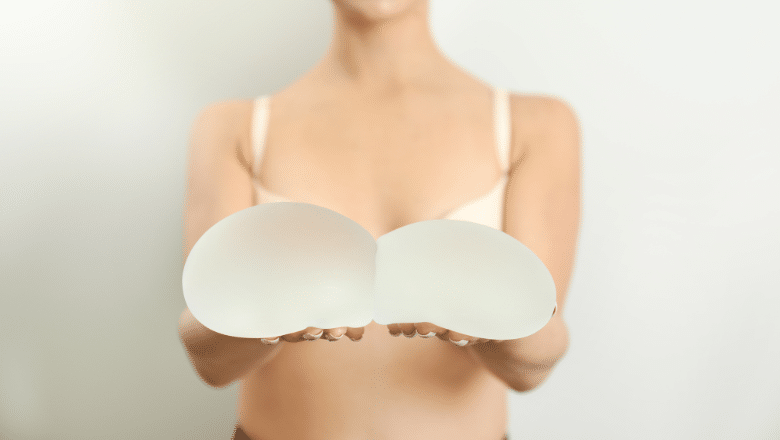
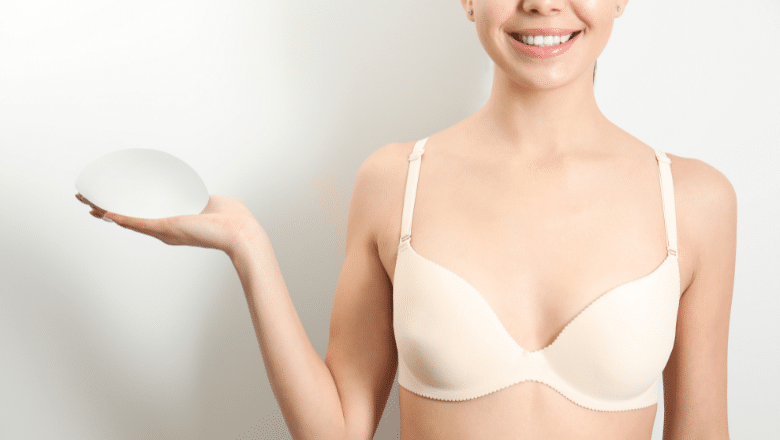
Breast augmentation with implants is a popular method for breast enlargement, mainly because of its ability to enhance breast size and shape. This surgical procedure involves placing implants — either saline or silicone — into the breasts to achieve the desired augmentation.
Types of Breast Implants:
- Saline Implants: These are filled with a sterile saltwater solution. They can be filled during the surgery, allowing for minor adjustments in size for optimal symmetry.
- Silicone Implants: Made with silicone gel, these offer a more natural feel and appearance, mimicking the texture of natural breast tissue more closely than saline implants.
Risks and Benefits:
- Risks: These can include implant rupture, capsular contracture (hardening of the tissue around the implant), infection, and potential changes in nipple or breast sensation.
- Benefits: Improved breast size, enhanced shape and symmetry, and a boost in self-confidence. Many women report feeling more comfortable and confident in their clothing and overall appearance post-surgery.
Recovery Process:
The recovery period after breast enlargement can vary based on individual factors like age, general health, and the specific surgical technique used. Common post-operative experiences include swelling, bruising, and discomfort in the breast area. Your surgeon will provide detailed post-operative care instructions, which may include wearing a support garment, medication for pain management, and guidelines for gradually resuming physical activities.
Fat Transfer to the Breasts
Fat transfer to the breasts, also known as autologous fat transfer, offers a more natural approach to breast enlargement. This procedure involves harvesting fat from other body parts such as the thighs, abdomen, or hips through liposuction, and then injecting it into the breasts to enhance their size and shape.

Risks and Benefits:
- Risks: Potential risks include infection, fat necrosis (where some of the transferred fat cells do not survive), and the possibility of the body reabsorbing some of the transferred fat, which might not achieve the desired breast size.
- Benefits: A natural look and feel of the breasts, as no foreign objects are introduced into the body. Additionally, the liposuction process offers the advantage of body contouring to the fat donor areas.
Recovery Process:
The recovery from fat transfer is generally more straightforward than that from implant surgery. Patients typically experience swelling, bruising, and some discomfort in both the areas where liposuction was performed and the breasts. These symptoms usually diminish within the first few weeks post-operation. Follow the surgeon’s post-operative instructions, which will include information on wearing compression garments and avoiding strenuous exercise until you have reached an appropriate stage in the healing process.
Choosing the Ideal Surgeon for Breast Enlargement in the UK
Key Considerations in Choosing Your Surgeon:
- Specialisation and Experience: Look for a specialist plastic surgeon with extensive experience in breast enlargement procedures.
- Credentials and Qualifications: Ensure that your surgeon has the correct qualifications and registration in place to carry out the procedure.
- Consultation Process: During your consultation, your surgeon should discuss your goals, explain your options, and provide a tailored recommendation based on your body type.
- Before and After Gallery: Reviewing the surgeon’s portfolio of before-and-after photos can give insights into their skill and the kinds of results they can achieve.
- Patient Reviews and Testimonials: Look for reviews or testimonials to get an insight into other patients’ experiences with the surgeon.
- Hospital Affiliations and Facility Standards: Choose reputable clinics or hospitals that work with reputable surgeons.
- Rapport and Communication: Building trust with a surgeon who listens and understands your needs.
At Centre for Surgery, we offer experienced plastic surgeons who specialise in breast enlargement procedures. Our team is dedicated to providing personalised care and achieving the best outcomes for our patients.
FAQs about Breast Enlargement
Can You Increase Breast Size?
Yes, it’s possible to increase breast size. The most reliable methods are surgical, like breast augmentation with implants or transferring fat from another part of the body to the breasts. While non-surgical methods and home remedies might slightly alter the appearance of the breasts, they can’t achieve a significant and lasting increase in breast size.
RELATED: Ideal Breast Size Based on Height and Weight
What Determines Breast Size?
Many factors can affect breast size; genetics plays a key role in determining the natural size and shape of your breasts. Hormones, such as oestrogen, especially during puberty, influence breast development. Additionally, breasts contain fatty tissue, so an increase in body weight might lead to larger breasts.
Do Breasts Grow as You Age?
Breast size can change throughout your life. They typically grow during puberty and pregnancy due to hormonal changes. After menopause, you might notice changes in breast size — they may get smaller due to loss of volume, or they may enlarge due to weight gain or other factors. However, these changes are very individual and vary from person to person.
Is Breast Augmentation Surgery Painful?
Some pain or discomfort is expected after breast augmentation surgery. The amount of pain varies depending on individual pain tolerance, the surgical technique used, and the placement of the implants. Surgeons usually prescribe pain medication for post-surgery recovery. Most patients find that the pain significantly lessens within the first week after the procedure.
RELATED: Is Breast Augmentation Painful?
Breast Enlargement at Centre for Surgery: Expertise, Care, and Satisfaction
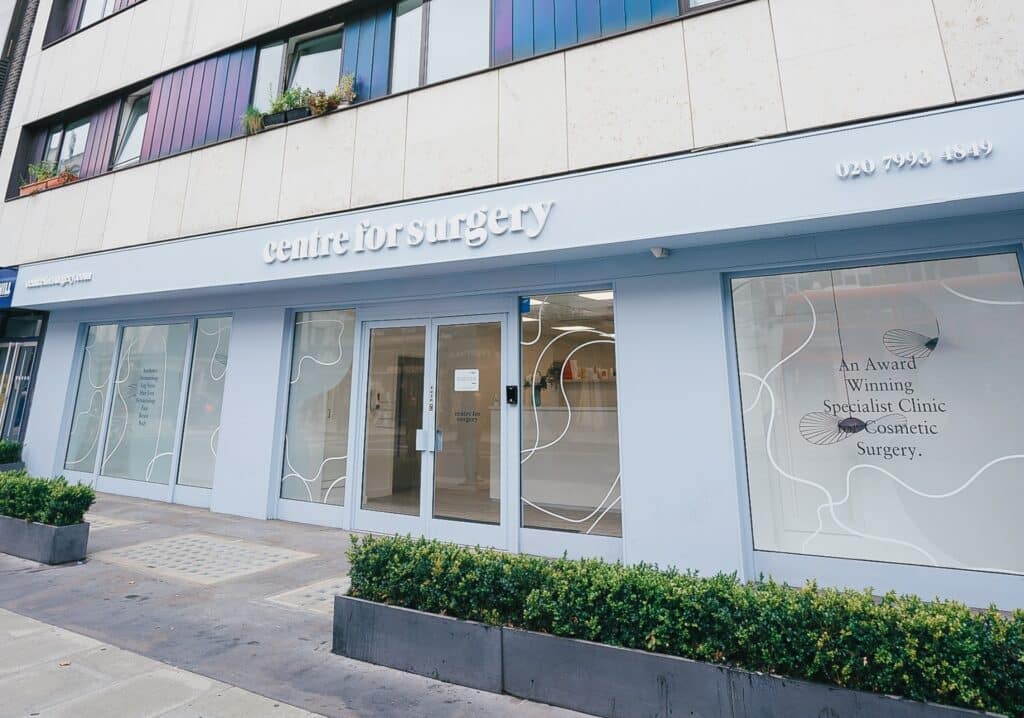
Centre for Surgery stands as one of the leading clinics for breast enlargement surgery in the UK. Our clinic is based in Baker Street, London. We offer a range of breast enlargement options tailored to meet your individual needs and aspirations, with a team of highly skilled surgeons who combine advanced techniques with a compassionate approach to deliver exceptional results.
To book a consultation: 📞 0207 993 4849 | 📧 contact@centreforsurgery.com | 📍 95-97 Baker Street, London W1U 6RN
For more information, visit our About Us page, explore our finance options including 0% APR with Chrysalis Finance, read our Plastic Surgery Blog, check our FAQ section, or learn about our Baker Street Clinic.
[contact-form-7 id=”256″ title=”Treatments form”]