
Inverted nipples are a condition characterised by the nipple being recessed into the breast instead of protruding outwards. This phenomenon is relatively common and is primarily present from birth, affecting a significant portion of the population, up to one in five individuals in the UK, regardless of gender. Inverted nipples can occur on one or both sides; some individuals may find that only one nipple is inverted, while others may experience inversion on both sides.
RELATED: Nipple Correction and Areola Surgery – Everything You Need to Know
What is Nipple Inversion?
Inverted nipples, a condition in which the nipples are retracted inward toward the breast rather than extending outward, are a naturally occurring phenomenon observed in a notable proportion of the population. This condition is predominantly innate, meaning individuals are born with it, and it is relatively widespread, affecting an estimated 20% of both men and women. The occurrence can be unilateral (affecting one side) or bilateral (affecting both sides).

Primarily, the presence of inverted nipples is seen as a cosmetic concern rather than a medical issue. However, it can present practical challenges for some women, particularly when it comes to breastfeeding. The difficulty arises because the nipple’s inversion can complicate a newborn’s ability to latch correctly, potentially hindering breastfeeding.
Interestingly, the behaviour of inverted nipples can vary. Some may remain inverted under normal conditions but can become everted (or protrude outward) in response to stimuli such as cold, arousal, or physical manipulation. On the other hand, certain individuals have nipples that stay permanently inverted, showing little to no response to external stimuli.
Moreover, there’s a specific variation within this condition known as a ‘flat nipple.’ In this scenario, the nipple does not distinctly invert nor protrude but instead lies flush against the areola, presenting a unique characteristic different from the typical inverted nipple.
What Causes Inverted Nipples?
Inverted nipples, a condition in which the nipples are retracted rather than protruding, can result from various underlying factors. The most common cause is attributed to the physical structure of the milk ducts. When these ducts are shorter and tighter than average, they exert a pulling force on the nipples, causing them to invert. Additionally, the natural process of ageing and the associated sagging of breast tissue (known as ptosis) can outpace the ducts’ ability to elongate, leading to nipple inversion as the tissue droops.
RELATED: What Causes Inverted Nipples?
Inflammation within the breast, often resulting from conditions such as breast abscesses or chronic mastitis, can lead to fibrosis. This thickening or scarring of tissue further contributes to the inversion of nipples. Moreover, physical trauma to the breast, extensive breastfeeding periods, infections, and certain surgeries like mastectomies or breast reductions can alter the breast’s internal structure or damage the nipple area, resulting in inversion.
A noteworthy aspect is the role of genetics in this condition. Some individuals are inherently predisposed to having inverted nipples due to hereditary factors, indicating that for some, this trait is simply a part of their natural anatomy from birth.
It is crucial to differentiate between congenital inverted nipples and those that invert later in life. A nipple that becomes inverted spontaneously, without an apparent cause, can sometimes be a warning sign of underlying breast cancer. Such a change should prompt an immediate consultation with a general practitioner (GP) to rule out malignancy and ensure prompt diagnosis and management if needed.
What Are the Grades of Inverted Nipples?
In medical evaluation, inverted nipples are classified according to a grading system that delineates the extent of inversion. This classification helps healthcare professionals assess the severity of the condition and formulate appropriate treatment strategies. The grading system is divided into three primary categories, each reflecting the degree of nipple inversion and the effort required to evert the nipple.
RELATED: The 3 Grades Of Inverted Nipples
Grade 1 (Mild Inversion)
This initial stage represents the least severe form of nipple inversion. In this grade, the nipple exhibits a mild degree of inversion but remains capable of protruding outward with minimal stimulation or effort. The nipple’s ability to evert easily in response to physical stimuli or temperature changes characterises this grade as the most adaptable among the three categories. Individuals with Grade 1 inversion generally face fewer challenges related to breastfeeding or aesthetic concerns.
Grade 2 (Moderate Inversion)
At this intermediary level, the nipple displays a more pronounced inversion. Everting the nipple in Grade 2 requires considerable effort, and although it can be coaxed to protrude, it tends to retract more readily after stimulation ceases. This moderate degree of inversion may pose greater challenges to cosmetic appearance and functionality, including potential difficulties with breastfeeding.
Grade 3 (Severe Inversion)
This grade signifies the most extreme form of nipple inversion. Nipples classified as Grade 3 are deeply inverted and exhibit marked resistance to eversion, making them difficult to pull out manually. The nipples predominantly remain inverted, regardless of external stimuli. This severe inversion can have a pronounced impact on an individual’s self-esteem and may complicate breastfeeding considerably.
It’s important to note that nipple inversion can occur unilaterally (affecting one nipple) or bilaterally (affecting both nipples), with the possibility of differing grades of inversion on each side.
Should I Consider Nipple Correction Surgery to Correct My Inverted Nipple?
Deciding whether to undergo nipple correction surgery to address an inverted nipple is a decision that warrants careful consideration, particularly in light of your surgeon’s recommendations. If surgical intervention is deemed the most effective approach for your situation, there are several compelling benefits of inverted nipple correction surgery that could significantly enhance your quality of life, both aesthetically and functionally.
Enhanced Aesthetic Appearance
One of the primary advantages of undergoing nipple correction surgery is the improvement in the aesthetic appearance of your breasts. Post-surgery, your nipples will project outward more naturally, contributing to a more symmetrical breast appearance. This correction can dramatically improve the overall contour of your breasts and enhance your bodily proportions.
RELATED: Cosmetic Breast Surgery and Your Nipples
Psychological and Emotional Well-being
Undergoing cosmetic procedures, such as nipple correction surgery, often leads to a substantial psychological uplift. Restoring normal nipple projection can significantly boost your self-esteem, enhance your body image, and foster a more positive self-perception. Many individuals report feeling more comfortable and confident in their skin post-surgery, which can have a profound impact on overall mental health and well-being.
Restoration of Symmetry
In cases where nipple inversion is unilateral (affecting only one breast) or asymmetrically affects both breasts, nipple correction surgery offers a solution to restore balance and symmetry to the breasts. Achieving symmetry can be crucial for personal satisfaction with one’s appearance and can contribute to a more balanced figure.
Increased Confidence in Clothing Choices and Social Situations
Correction of inverted nipples can open new possibilities for clothing and social activities. Many people experience newfound confidence to experiment with different styles of clothing, including those that they may have previously felt uncomfortable or self-conscious about wearing. For men with inverted nipples, the surgery can enable the freedom to go bare-chested in public settings such as beaches or pools without feeling self-conscious.
Functional Benefits
Beyond the cosmetic improvements, nipple correction surgery can offer functional benefits. Some individuals experience discomfort, sensitivity, or hygiene issues associated with inverted nipples, and surgical correction can alleviate these concerns. Furthermore, for women, the procedure may facilitate breastfeeding by making it easier for the baby to latch on, addressing one of the functional challenges posed by inverted nipples.
RELATED: Nipple Reshaping – Benefits Of Areola & Nipple Surgery
How To Fix an Inverted Nipple
Inverted nipples, a condition where the nipples retract inward rather than protrude outward, can be a source of cosmetic concern and functional difficulties for many. While several methods have been proposed to address this condition, surgical intervention remains the most reliable solution for permanent correction. Here, we explore both non-surgical and surgical options for managing inverted nipples, highlighting their effectiveness and limitations.
Non-Surgical Approaches:
- The Hoffman Technique: This method involves manual stimulation to coax the inverted nipple outward. Practised since the 1950s, the Hoffman technique can temporarily evert the nipple but is not considered a long-term solution. Its effectiveness varies, and while it may offer temporary relief, it does not alter the underlying structural causes of nipple inversion.
RELATED: How to Treat an Inverted Nipple Without Surgery
- Suction Devices: Devices such as suction cups or shells are designed to apply gentle pressure on and around the nipple, encouraging it to protrude. Although some individuals report temporary improvement with these devices, there is a lack of scientific research confirming their long-term efficacy. The results can be inconsistent, and for many, this solution does not provide a permanent fix.
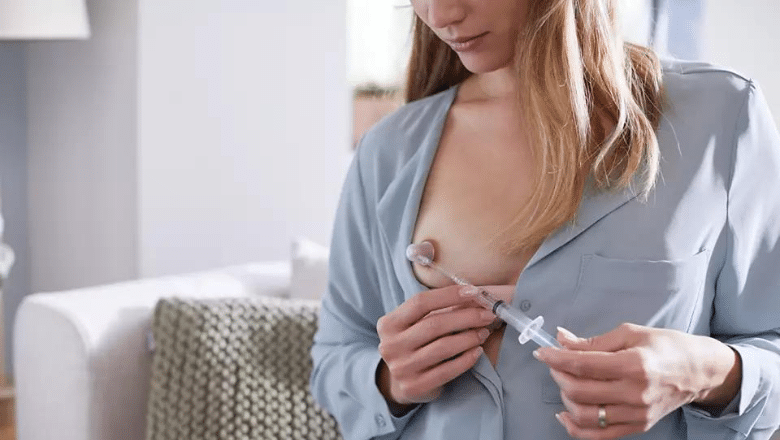
- Nipple Piercing: Anecdotal evidence suggests that nipple piercing might help draw out inverted nipples by maintaining the nipple in an everted position. However, results are highly individual, and many find that the nipple reverts to its inverted state once the jewellery is removed. Additionally, there are risks of infection and scarring associated with piercing.
Surgical Intervention:
- Inverted Nipple Correction Surgery: For those seeking a definitive solution, inverted nipple correction surgery offers the most reliable results. This procedure is designed to address the root cause of the inversion, often involving the release or division of the short milk ducts that pull the nipple inward. By surgically correcting the structural issues, this method provides a permanent solution to nipple inversion.
At Centre for Surgery, our surgeons specialise in inverted nipple correction surgery, offering expert care and state-of-the-art techniques to achieve optimal outcomes. Our experienced surgeons assess the degree of inversion and tailor the procedure to meet the individual needs of each patient, ensuring both aesthetic and functional improvements.
Inverted Nipple Correction Surgery & Nipple Repair Surgery Procedure
Inverted nipple correction surgery, or nipple repair surgery, is a specialised cosmetic procedure aimed at addressing the concern of inverted nipples. This surgery is designed not only to enhance the aesthetic appearance of the nipples by everting them from their inverted state but also to preserve or enhance their functionality. The goal is to achieve a more natural outward projection of the nipples, thereby improving the overall appearance of the breasts and potentially aiding in functions such as breastfeeding.
Procedure Overview:
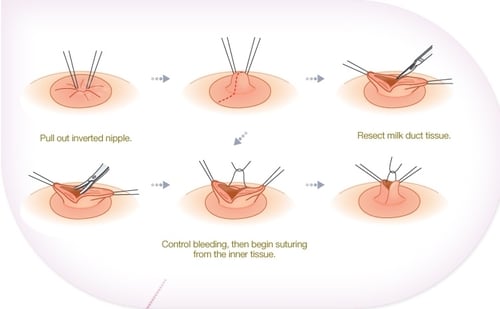
This surgical intervention is generally considered straightforward. It is typically performed under local anaesthesia, which minimises discomfort and allows for a relatively quick procedure, often completed within an hour. The surgery is carried out by a qualified plastic surgeon who tailors the approach based on the individual’s anatomy and the specific degree of nipple inversion.
Surgical Techniques:
The techniques employed in inverted nipple correction surgery vary, taking into account the severity of the inversion and unique anatomical considerations. Common approaches include:
- Excision of Nipple Tissue: This technique involves removing tissue at the base of the nipple. By excising this tissue, the nipple is ‘unlocked’ from its inverted position, allowing it to protrude outward.
- Suturing: In this approach, sutures are strategically placed to create tiny support structures within the supporting breast tissue. These structures anchor the nipple in an everted (outward-facing) position, preventing it from reverting to an inverted position.
- Tethered Duct Release: A significant cause of nipple inversion is the presence of tight milk ducts that pull the nipple inward toward the breast tissue. Surgical intervention can release these tethered ducts, alleviating the inward tension and allowing the nipple to protrude.
- Grafts or Flaps: For more severe cases of nipple inversion, particularly those classified as Grade 3, grafts or flaps may be necessary. These techniques introduce additional tissue support to ensure the nipple remains in its corrected, protruded position post-surgery.
Objective and Outcome:
The primary aim of inverted nipple correction surgery is to restore or achieve a natural-looking projection of the nipples. By addressing the structural causes of inversion, the surgery seeks to improve both the visual and functional aspects of the nipples. Successful outcomes include an enhanced aesthetic appearance and, in many cases, improved functionality that may facilitate breastfeeding.
Recovery After Inverted Nipple Correction Surgery
Inverted nipple correction surgery is a relatively minor procedure that is often completed under local anaesthesia, with the entire process typically not extending beyond an hour. Despite its brevity and minimally invasive nature, the recovery period following this cosmetic surgery is a critical phase that demands careful attention to ensure optimal healing and the best possible outcome.
Immediate Postoperative Phase:
In the first few days after surgery, patients often experience swelling, bruising, and discomfort around the treated area. These symptoms are typical and indicate the body’s natural healing process kicking into gear. To manage these symptoms and facilitate a smoother recovery, patients may find it beneficial to wear clothing that does not press or rub against the sensitive surgical sites. Loose-fitting, comfortable garments are ideal during this period.
Adhering to Postoperative Care Instructions:
A pivotal aspect of the recovery process is following your surgeon’s post-operative care guidelines. These instructions are tailored to your specific surgical procedure and are designed to promote healing, minimise the risk of complications, and expedite your return to daily activities. It is paramount to adhere to these guidelines diligently.
Recovery Timeline:
- Week 1: The first week post-surgery is a time of significant healing. Most patients can resume light daily activities within a day or two after the procedure. However, it is crucial to avoid any strenuous physical exertion, such as heavy lifting or intense exercise, during this time. Activities should be limited to those that do not exacerbate swelling or discomfort. Additionally, the use of supportive bras or compression garments may be recommended to stabilise the treated area and reduce swelling. Patients are advised to exercise caution during this initial recovery phase, allowing their bodies to begin the healing process effectively.
- Weeks 2 to 3: By the second and third weeks, patients typically notice a significant improvement in swelling and bruising, allowing for a gradual return to work and regular daily activities. It is important to note, however, that while a return to normalcy is on the horizon, jobs or activities involving vigorous physical movement should still be approached with caution. Consultation with your surgeon during this time is crucial to receive personalised advice on when it is safe to reintegrate such activities. Full recovery is usually expected within this timeframe, but patients must continue to protect the surgical area from undue stress or impact to ensure uninterrupted healing.
FAQs on Inverted Nipple Surgery

What is the Meaning of an Inverted Nipple? Can It Be Dangerous?
An inverted nipple is a condition where the nipple retracts into the breast rather than protruding outward. For the majority of individuals, having inverted nipples is simply a variation of normal anatomy and not indicative of any underlying health issues. Most cases are congenital, meaning they are present from birth, and do not imply any serious health concerns.
However, it’s important to remain vigilant. On rare occasions, an inverted nipple can signal an underlying condition, such as breast cancer, especially if the inversion is a new development or is accompanied by other changes in the breast. If you notice sudden alterations in the size, shape, or appearance of your nipples or breasts, it’s crucial to consult with your GP promptly. Early detection and diagnosis are key to effectively managing potential health issues.
What Percentage of Inverted Nipples Are Due to Breast Cancer?
The occurrence of inverted nipples is predominantly linked to benign conditions such as genetic predispositions, previous trauma, or inflammation within the breast tissue. In most instances, an inverted nipple does not signify breast cancer. However, vigilance is key, as changes in the breast’s appearance, including the nipples, can sometimes be indicative of cancerous developments. If you notice any sudden or unexplained changes to your breast or nipple shape, consulting with a healthcare professional promptly is crucial for early detection and peace of mind.
How Do You Know If You Have Inverted Nipples?
Identifying inverted nipples involves observing the nipple’s characteristics relative to the surrounding breast tissue. If the nipple tends to retract into the breast rather than protrude, it may be considered inverted. This condition is not usually a cause for concern if it has been a consistent feature since childhood or adolescence, or if the inversion has developed gradually over many years. Inverted nipples can also emerge during pregnancy and breastfeeding, with first-time pregnancies particularly likely to trigger this change.
Inverted nipples may pose challenges for breastfeeding, making it difficult for the baby to achieve a proper latch. Should there be a sudden alteration in the appearance of the nipples, such as an unexplained retraction, it is advisable to seek medical advice, as this could be an early sign of breast cancer.
Should I Consider Inverted Nipple Surgery If I Want to Breastfeed?
If you’re contemplating breastfeeding and have concerns about inverted nipples, there’s good news. During pregnancy, many women notice their nipples become more pronounced, which can naturally correct some cases of inversion. This natural adjustment may make breastfeeding more feasible without the need for surgical intervention.
For less severe cases, there are innovative devices like Niplettes that use suction to gently draw the nipple outwards. These can be particularly effective and are worth trying before considering surgery. If your nipples respond positively to stimulation by protruding, this is a promising sign that non-surgical options might work for you.
However, for more pronounced or persistent inverted nipples, nipple repair surgery is an option and can be performed in a manner that preserves your ability to breastfeed. The key is choosing the right surgical technique and timing. The surgery should be planned to protect the milk ducts, ensuring they remain functional for breastfeeding. Additionally, allowing adequate recovery time before you start breastfeeding is essential to ensure the best outcomes for both you and your baby.
Can I Expect Scars From Inverted Nipple Surgery?
Yes, as with any surgical procedure, some scarring from inverted nipple surgery is inevitable. However, the scars from this specific type of surgery are generally small and discreet. Over time, these scars are likely to fade significantly, becoming less noticeable. The surgical techniques employed aim to minimise scarring as much as possible, ensuring that any marks are well-concealed and do not detract from the overall aesthetic improvement of the nipple’s appearance.
What is an Inverted Nipple Corrector?
An inverted nipple corrector is a non-surgical, non-invasive tool designed to correct the appearance of inverted or retracted nipples temporarily. The device operates by applying gentle yet consistent suction to the nipple via a cup-like mechanism that creates a vacuum. This action gently draws the nipple outwards, aiming to achieve a more typical outward projection. While these devices can be effective for specific individuals, their suitability and effectiveness vary from person to person. It’s important to consult with a doctor to determine if an inverted nipple corrector is appropriate for your specific situation and to ensure that its use aligns with your overall breast health and aesthetic goals.
Inverted Nipple Surgery Near Me
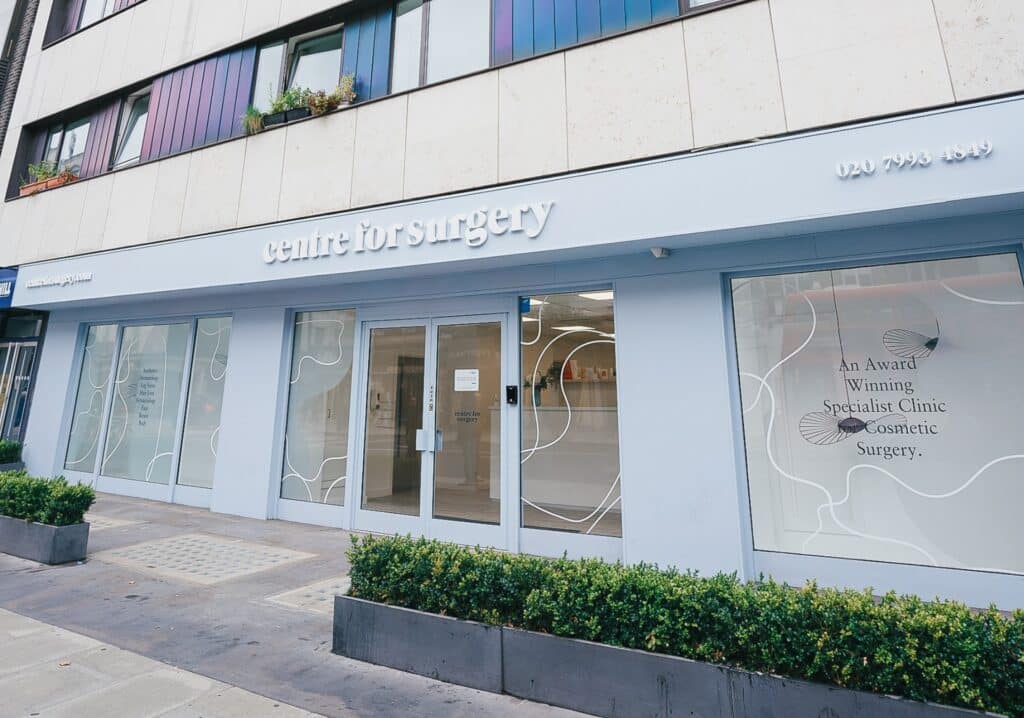
When considering inverted nipple correction surgery, selecting a clinic that not only offers state-of-the-art procedures but also provides a supportive and informative environment is crucial. Centre for Surgery, located in the heart of London on Baker Street, stands out as a premier destination for individuals seeking to address inverted nipples through surgical intervention. Here’s why Centre for Surgery is your ideal choice, alongside insights from satisfied patients and essential contact information.
Unmatched Expertise and Compassionate Care
Centre for Surgery is renowned for its exceptional team of plastic surgeons, each bringing a wealth of experience and a deep commitment to achieving the best possible outcomes for our patients. We understand that every individual’s needs and expectations are unique, and we tailor our approach to ensure personalised care from consultation through to recovery. Our clinic is equipped with the latest technology, ensuring that your surgery is performed under the safest and most comfortable conditions.
A Holistic Approach to Treatment
We believe in a holistic approach to cosmetic surgery, considering not just the physical but also the psychological aspects of patient care. Our team is dedicated to supporting you through every step of your journey, providing comprehensive pre- and post-operative care to ensure your comfort, safety, and satisfaction.
Patient Testimonials
Emma’s Story: “After years of feeling self-conscious, I finally decided to undergo inverted nipple surgery at Centre for Surgery. The difference it has made to my confidence is indescribable. From the initial consultation to the follow-up care, the team was incredibly supportive and professional. I couldn’t be happier with the results.”
James’s Experience: “As a man with inverted nipples, I was hesitant to seek treatment, but the staff at Centre for Surgery made me feel completely at ease. The procedure was straightforward, and the recovery was quicker than I anticipated. I’m extremely pleased with the outcome and the newfound confidence it has given me.”
Sophie’s Journey: “Choosing Centre for Surgery for my nipple correction surgery was the best decision I ever made. The surgeons and staff are truly experts in their field, and they went above and beyond to ensure I was comfortable and informed at every stage. The results are exactly what I hoped for, and I’m grateful to the entire team.”
Contact Details for Booking a Consultation
To learn more about inverted nipple correction surgery and to book your personalised consultation, please contact us:
- Phone: 0207 993 4849
- Email: contact@centreforsurgery.com
- Clinic Address: 95-97 Baker Street, London W1U 6RN
For further information about our services, our approach, and how we can help you achieve your aesthetic goals, visit our About Us page.
Exploring Your Options
Understanding the financial aspect of your surgery is important. We offer a range of finance options, including 0% APR with Chrysalis Finance, to make your treatment as accessible as possible.
For more insights into inverted nipple surgery and other procedures we offer, dive into our plastic surgery blog. Additionally, find answers to common queries on our Clinic FAQs page, and learn more about our Baker Street clinic through the Baker Street clinic link.
Choosing Centre for Surgery for your inverted nipple correction means opting for excellence, care, and a team dedicated to ensuring you achieve the aesthetic results you desire, with the support you deserve every step of the way.
[contact-form-7 id=”256″ title=”Treatments form”]