

Tummy tuck surgery, or abdominoplasty, is a sought-after cosmetic procedure that aims to achieve a flatter, more sculpted abdominal area. It’s an effective solution for those looking to enhance their body contour, especially after significant weight loss or pregnancy. However, undergoing a tummy tuck, like any surgical intervention, involves a period of recovery and carries the risk of potential complications, one of which includes the tearing of internal stitches. This crucial aspect requires attention for a successful healing process.
This comprehensive guide delves into the signs of torn internal stitches after a tummy tuck and outlines essential precautions to help ensure a complication-free recovery. Recognising symptoms early is key to addressing them promptly and ensuring the healing process remains on track. Symptoms can range from increased swelling and pain to unusual discharge at the surgery site, each indicating a possible issue with internal stitches.
Our team of body contouring experts at Centre for Surgery boasts extensive experience in performing abdominoplasty tailored to the unique needs of our patients. Through our refined surgical techniques and comprehensive aftercare, we aim to make the recovery journey as comfortable and effective as possible. Our plastic surgeons are dedicated to ensuring that patients are well-informed and supported throughout their recovery, minimising the risk of complications such as torn stitches.
Taking preventive measures during recovery is equally important. We advise gentle movements and avoiding strenuous activities that may strain the abdominal area, alongside adhering to a healthy diet to promote healing. Our surgeons provide personalised advice on how to best care for your surgery site, including how to monitor for signs of complications and the best practices for a smooth recovery.
How Common Are Complications After A Tummy Tuck?

In the initial phase after a tummy tuck, swelling, bruising, and discomfort around the treated area are entirely normal. These symptoms are typical responses of the body to surgery and usually subside as the healing process progresses. However, some patients may experience more significant complications that can prolong the recovery period and affect the final outcome.
RELATED: Recovery after Tummy Tuck – Top Tips after Abdominoplasty
Visible scarring is one such potential complication. While surgical techniques aim to minimise and strategically place incisions to reduce visible scarring, individual healing and body responses can vary greatly. Additionally, the risk of wound breakdown and delayed healing exists, potentially complicating recovery. These issues can arise for various reasons, including the patient’s health status, adherence to post-operative care instructions, and individual healing responses.
Prospective patients need to have a realistic understanding of what the recovery process may entail, including the potential for these complications. Open and honest discussions with a qualified, experienced plastic surgeon at Centre for Surgery before surgery can help set realistic expectations and prepare for a smooth recovery.
Tummy Tucks and the Role of Internal Stitches
A tummy tuck, scientifically known as abdominoplasty, is a transformative cosmetic surgery that sculpted a slimmer, more defined abdominal profile and strengthens the rectus abdominis muscles. These muscles, commonly known as the six-pack muscles, can become weakened or separated due to factors such as pregnancy, significant weight changes, and the natural ageing process.
Abdominoplasty is not just a singular procedure but a comprehensive approach to rejuvenating the abdominal area. It involves the removal of excess skin and fat that may hang or bulge, along with the crucial correction of diastasis recti, the separation of abdominal muscles. This surgical correction is akin to a dual-phase restoration, enhancing both the appearance and functionality of the abdominal region.
The surgical technique for a tummy tuck involves lifting the abdominal skin to expose the underlying muscles. The surgeon then meticulously repairs and tightens these muscles, essentially rebuilding the abdominal wall. This is achieved by weaving internal stitches to create a corset-like effect, significantly enhancing the abdomen’s structure and aesthetic. These stitches are pivotal, as they must integrate and form a proper scar within the tissue to maintain the surgery’s integrity and achieve the desired results.
Internal stitches are foundational to the success of a tummy tuck. They ensure the newly positioned muscles remain in place, contributing to the overall structural and aesthetic improvements sought from the procedure. Without these sutures, the muscles could shift, potentially compromising the surgical outcome, increasing the likelihood of scarring, and elevating the risk of other complications associated with abdominoplasty.
Patients often wonder if different types of tummy tucks, such as the traditional tummy tuck, extended tummy tuck, or mini tummy tuck, might avoid the use of internal stitches. However, internal suturing is a constant across all variations of abdominoplasty. The primary distinction lies in the extent of the suturing, tailored to the specific needs of the procedure and the individual’s anatomy.
Factors Leading to Torn Internal Stitches
The journey towards improving tummy tuck safety profiles has been marked by significant advancements, making the procedure safer and more reliable than ever before. However, understanding and mitigating the risks of torn internal stitches remains a crucial aspect of ensuring a smooth and successful recovery. Awareness of the common factors that could compromise the integrity of your internal sutures is the first step towards preventing such issues.
Common Causes of Suture Tearing and How to Avoid Them
- Engaging in Intensive Activities Prematurely: Jumping back into heavy lifting, rigorous exercise, or any form of intense physical activity shortly after your operation can exert excessive pressure on the fragile internal stitches. It’s essential to give your body the time it needs to heal and gradually reintroduce physical activities as recommended by your surgeon.
- Ignoring Post-operative Care Instructions: The importance of following your surgeon’s post-operative care instructions, including wearing compression garments and avoiding certain movements, cannot be overstated. These instructions are designed to support your healing process and reduce the risk of suture tearing.
- Complications in Wound Healing or Infections: Factors such as age, general health, and lifestyle choices (e.g., smoking or vaping) can affect your body’s ability to heal, thereby weakening and compromising the strength and integrity of the internal stitches. Prioritising good health practices and following wound care instructions are key to promoting effective healing.
- Use of Inappropriate Suture Material: The choice of suture material is critical, and in rare cases, the selected material may not be the best fit for your tissue type or the specific requirements of your abdominoplasty. An experienced surgeon will select the most appropriate material to reduce the risk of complications.
- Suboptimal Surgical Techniques: The skill and experience of your surgeon play a pivotal role in the success of your tummy tuck. At Centre for Surgery, our surgeons have extensive expertise in abdominoplasty and abdominal muscle repair, ensuring that the surgical techniques employed maximise the procedure’s success and minimise the risk of suture tearing.
Identifying Compromised Internal Stitches
Recognising the signs of torn internal stitches is crucial for timely intervention. Symptoms may include unusual swelling, increased pain, or changes in the appearance of the surgical site. If you suspect your internal stitches may have been compromised, it’s imperative to contact your surgeon immediately for assessment and guidance.
Signs of Torn Internal Stitches
Following an abdominoplasty, or tummy tuck, it is paramount that patients monitor their recovery for any signs of complications. Among these, torn internal stitches represent a significant concern that requires immediate attention. Understanding the symptoms associated with this issue can aid in early detection and prompt intervention, ensuring a smoother recovery. Below, we delve into the most notable signs that may indicate torn internal stitches after a tummy tuck.
Severe Pain at the Incision Site
Experiencing acute pain or discomfort around the incision area, especially upon touching or when moving the abdominal muscles, can be a clear indicator of torn internal stitches or a possible wound infection. While some discomfort is expected after surgery, any pain that intensifies or deviates from the typical recovery process warrants a consultation with your surgeon.
Persistent Redness Around the Incision
It’s normal to observe some redness or even red streaks near the incision sites immediately following your surgery. This is part of the body’s natural healing response. However, if you notice that the redness is particularly severe, spreads, or persists beyond the initial healing stages, it could signal complications with the internal stitches or issues with the connective tissue’s regeneration process.
Unusual Discharge or Foul Odour
A certain amount of drainage from the incision site is to be expected in the first few days post-operation. However, the presence of yellow or greenish discharge, especially if accompanied by an unpleasant smell, is a significant concern. This symptom suggests a potential infection and could indicate that the internal stitches have torn, compromising the wound’s integrity.
Tender and Swollen Lymph Nodes
The body’s lymphatic system responds to infection and inflammation by swelling, particularly in the lymph nodes closest to the site of injury or infection. Notice your lymph nodes becoming increasingly tender and swollen during the early stages of recovery from a tummy tuck. It may be a sign that torn internal stitches have led to an infection that your body is attempting to fight off.
Fever and Increased Fatigue
A mild fever and some level of fatigue are common as the body heals from the trauma of surgery. However, if you find that your temperature is consistently high or your exhaustion levels increase rather than gradually improve during the recovery period, this could be indicative of a more serious complication, such as torn internal stitches. These symptoms often point towards the body’s attempt to combat an infection or other issues stemming from the surgery.
Essential Steps to Take If Your Tummy Tuck Stitches Come Undone
Discovering that your internal stitches from a tummy tuck procedure may have come undone can be concerning. Still, prompt action can significantly mitigate any negative impacts on your healing and the overall outcome of your surgery. Here’s a structured approach to addressing the issue and ensuring the best possible recovery.
Immediate Consultation with Your Surgeon
The moment you suspect that your tummy tuck stitches have come undone, the most critical step is to contact your surgeon. When considering a second opinion, seeking advice from another qualified surgeon can offer additional insights and reassurance. Delaying this consultation can compromise your recovery and the aesthetic results of your surgery, a scenario everyone aims to avoid.
Assessment and Planning for Revision Surgery
Upon evaluation, if your surgeon confirms that the internal stitches have indeed torn, the next course of action typically involves planning for a revision tummy tuck. This decision is made with your health and safety as the priority, ensuring the best possible outcome from the corrective procedure.
Undergoing Revision Tummy Tuck Surgery
The revision surgery is performed under anaesthesia, utilising the original incisions to prevent additional scarring wherever possible. Your surgeon will meticulously examine and assess the extent of the tear and decide on the most effective repair method. This may involve removing the compromised sutures and replacing them with new ones, meticulously realigning and securing your abdominal muscles and skin to restore the structural integrity of the original tummy tuck.
Post-Surgery Care and Recovery Focus
Following the revision procedure, your surgeon will provide you with an updated set of post-care instructions tailored to your specific situation. These guidelines are designed to facilitate a smooth recovery and optimise the healing process. It’s crucial to follow these instructions diligently, as they play a significant role in the success of your recovery and the longevity of your tummy tuck results.
Prioritising a Smooth Recovery
Recovery from a revision tummy tuck, much like the initial surgery, requires patience, adherence to post-operative care instructions, and regular follow-up consultations with your surgeon. It’s essential to give your body the time it needs to heal properly and to be mindful of any signs that may suggest complications. By taking these steps seriously, you can significantly contribute to a successful recovery and enjoy the results of your tummy tuck procedure.
Suture Removal After a Tummy Tuck: What to Expect
Following a tummy tuck (abdominoplasty), most sutures are absorbable and do not require removal, as they dissolve over time. The exception is the sutures at the drain sites, which are non-absorbable and must be removed once the drains are no longer needed. This typically occurs within the first one to two weeks post-surgery. Permanent sutures used to tighten the rectus abdominis muscles do not require removal. Always follow your surgeon’s advice for post-operative care and attend follow-up appointments to ensure a smooth recovery.
Top Tips for Preventing Stitch Tearing After Tummy Tuck
Ensuring a smooth and successful recovery after a tummy tuck involves more than just waiting for the wounds to heal. Active participation in your recovery process can significantly impact the healing of your stitches and the overall outcome of your surgery. Here are detailed precautions to keep in mind during the healing process to minimise the risk of complications like torn internal stitches:
Maintain Optimal Incision Site Hygiene
One of the foundational steps in your recovery process is maintaining incision site hygiene. Keeping the surgical areas clean and dry is paramount to preventing infection, wound breakdown, and unnecessary bleeding. An infection at the incision site can lead to increased strain on the stitches and potentially cause them to tear. Your surgeon will provide specific instructions on caring for your incisions, including bathing and changing dressings, to ensure optimal healing.
Gradually Incorporate Physical Activity
While complete bed rest is not recommended due to the risk of blood clots and other complications, it’s crucial to strike the right balance when reintroducing physical activity. Gentle walking and light exercises are encouraged soon after the procedure to promote blood circulation and facilitate healing. However, any form of strenuous activities, including heavy lifting, vigorous exercise, or anything that puts excessive pressure on the abdomen, should be strictly avoided for at least six weeks post-surgery. This precaution helps protect the integrity of your stitches, ensuring they remain intact and reducing the risk of internal tearing.
Adhere to Compression Garment Guidelines
The use of a compression garment is a critical component of your post-operative care. Your surgeon will advise you to wear a specially designed compression garment for the first six weeks following your tummy tuck. This garment serves multiple purposes: it supports and protects the incision sites, minimises post-surgical swelling, and helps optimally contour your abdomen as it heals. The compression garment also helps stabilise the newly placed stitches, preventing them from coming under undue stress and reducing the likelihood of tearing.
Monitor Your Healing Progress
Active monitoring of your recovery and vigilance for any signs of complications are essential. Pay close attention to the condition of your incision sites, looking out for increased redness, swelling, discharge, or any changes in sensation that might indicate a problem. Early detection of issues allows for timely intervention, which can be crucial in preventing stitch tearing or other complications.
Follow Customised Post-Operative Care Instructions
Lastly, adhering to the personalised care instructions provided by your surgeon cannot be overstated. Every patient’s recovery journey is unique, and your surgeon will give you tailored advice based on your specific situation, including how to care for your stitches, when it’s safe to resume certain activities, and when to come in for follow-up appointments.
Abdominoplasty Surgery at Centre for Surgery: Transforming Lives with Expert Care
At Centre for Surgery, we specialise in providing personalised abdominoplasty procedures, designed to meet the unique needs of each patient. Our state-of-the-art clinic, located in the heart of London, is renowned for its commitment to excellence, safety, and patient satisfaction. With a team of highly experienced plastic surgeons, we utilise the latest surgical techniques to deliver transformative results, ensuring a smoother, firmer abdomen that reflects your desired outcome.
Patient Testimonials: Real Stories of Transformation
Sophie’s Journey: “My experience with Centre for Surgery was nothing short of amazing. From the initial consultation to the post-operative care, I felt supported and in expert hands. The results of my abdominoplasty have given me a new lease on life and a confidence I never knew I could have. I cannot thank the team enough for their care and expertise.”
Michael’s Transformation: “After losing a significant amount of weight, I was left with excess skin that no amount of exercise could fix. The team at Centre for Surgery helped me through my journey, providing exceptional care and a personalised approach. My abdominoplasty results have been outstanding, and I am incredibly grateful for the professional and supportive environment they provided.”
Aisha’s Story: “Choosing Centre for Surgery for my tummy tuck was the best decision I ever made. The attention to detail, the care before, during, and after the surgery was exemplary. The results have surpassed my expectations, and I feel more confident and comfortable in my body than ever before.”
Book Your Consultation Today
Embarking on your transformation journey starts with a consultation with one of our expert surgeons. During this meeting, we will discuss your goals, address any concerns, and create a tailored surgical plan that aligns with your vision.
To book your consultation, please contact us at:
- Phone: 0207 993 4849
- Email: contact@centreforsurgery.com
- Address: 95-97 Baker Street, London W1U 6RN
For more detailed information about our clinic and the exceptional care we provide, visit our About Us page.
Explore Financing Options and More
We believe that everyone deserves to feel their best, which is why we offer a range of finance options, including 0% APR with Chrysalis Finance, making your transformation journey more accessible. Learn more about our finance options here.
Interested in learning more about plastic surgery and the latest trends? Our plastic surgery blog is a treasure trove of information, offering insights, tips, and more to help you make informed decisions.
For answers to common questions about cosmetic surgery, visit our Clinic FAQs page.
Visit Our Baker Street Clinic
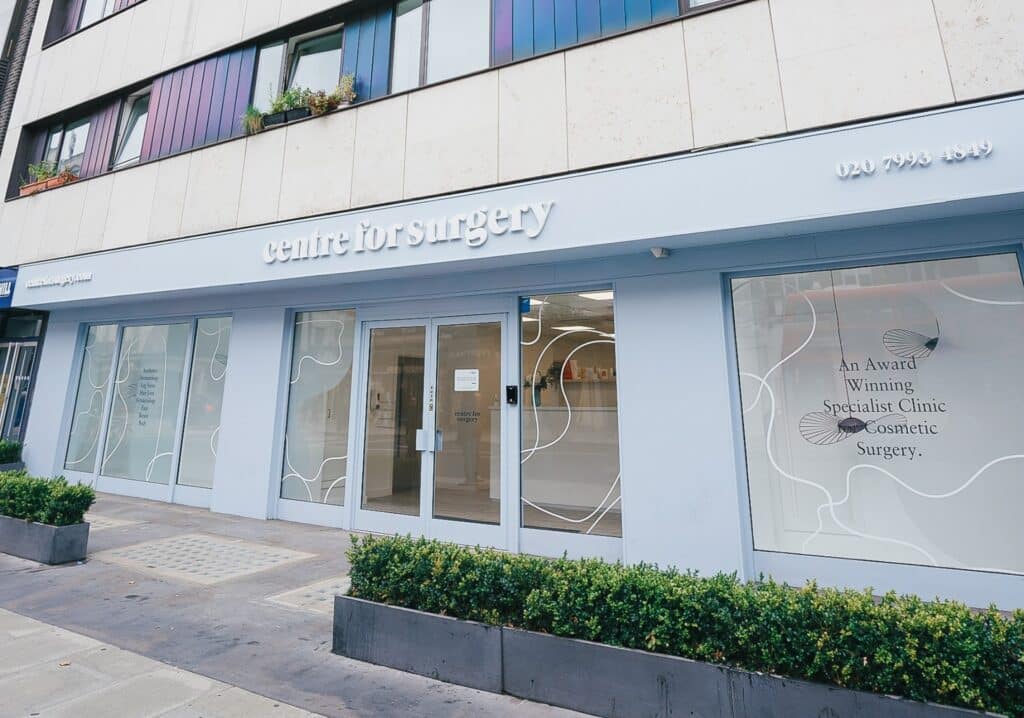
Our Baker Street clinic is designed to offer you comfort, privacy, and the highest standard of care. For more information about the clinic and to plan your visit, click here.
At Centre for Surgery, your safety, satisfaction, and achieving your aesthetic goals are our top priorities. We invite you to join the many satisfied patients who have trusted us with their transformation journeys. Contact us today to take the first step towards the new you.
[contact-form-7 id=”256″ title=”Treatments form”]