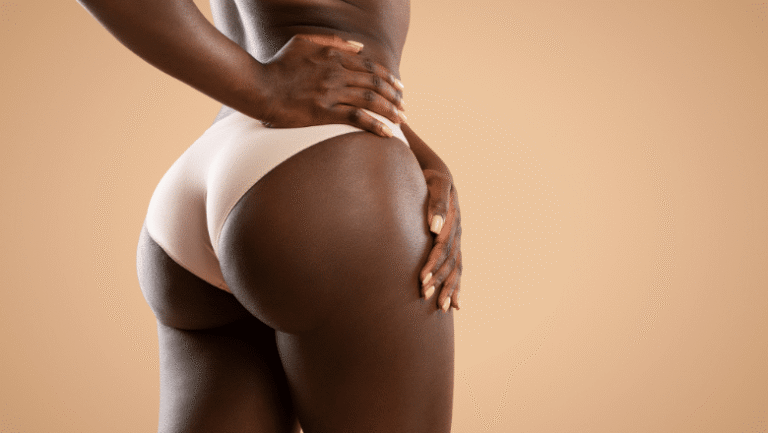

If you have already had a Brazilian Butt Lift and are either pregnant now or thinking about having more children, one question tends to dominate everything else: will pregnancy ruin my BBL results? It is a question worth taking seriously, and it deserves a direct, clinical answer rather than vague reassurance.
The short answer is that pregnancy will change your BBL results to some degree — but the extent of those changes depends on several factors, and the outcome is often more positive than patients fear. Understanding what actually happens to transferred fat cells during and after pregnancy, and what is temporary versus what may be lasting, puts you in a much stronger position to plan your next steps.
At Centre for Surgery in London, Mr Metin Nizamoglu performs BBL surgery using the ultrasound-guided BBL technique — the safest approach currently available, ensuring fat is placed exclusively in the subcutaneous plane. In this guide, he explains what patients who already have BBL results can realistically expect from a subsequent pregnancy.
What a BBL Actually Does to Your Body
To understand what pregnancy does to BBL results, it helps to understand what the procedure has done in the first place. A Brazilian Butt Lift transfers your own purified fat — harvested by liposuction from donor areas such as the abdomen, flanks, or thighs — into the subcutaneous tissue of the buttocks. Once the transferred fat cells establish a blood supply in their new location, they become a permanent part of your body, behaving just like any other fat cells.
This is both the strength and the limitation of the procedure. Because the transferred fat is living tissue, it responds to the same forces that affect fat elsewhere in the body — including the hormonal and physical changes of pregnancy. As covered in our detailed post on how long BBL results last, the longevity of your results is closely tied to weight stability and hormonal consistency over time. Pregnancy introduces both variables simultaneously.
What Pregnancy Does to BBL Results
Weight Gain and Fat Distribution Changes
During pregnancy, the body gains weight and redistributes fat as part of the normal physiological preparation for carrying and nurturing a baby. This weight gain affects fat cells throughout the body — including those transferred during your BBL. The transferred fat cells in your buttocks will expand alongside fat cells elsewhere, which typically means your BBL results will appear larger during pregnancy. For most patients this is not a concern, but it does mean that the proportions you were accustomed to will shift temporarily.
What matters more is what happens after birth. As your body returns to its pre-pregnancy weight, the fat cells in your buttocks will contract along with fat elsewhere. If you return to a weight similar to your pre-pregnancy weight, the BBL result will typically return to something close to its pre-pregnancy appearance. If significant weight is lost — particularly below your pre-BBL weight — the transferred fat cells will shrink and your results may appear reduced. This is the same mechanism discussed in our post on what happens if you gain weight after a BBL.
Hormonal Effects on Fat Storage
Pregnancy hormones — particularly oestrogen and progesterone — alter the way the body distributes and stores fat. These hormonal changes affect fat cells throughout the body, including transferred cells. For most patients this effect is temporary, resolving as hormone levels normalise in the months following birth. However, for some women, particularly those who breastfeed for extended periods, hormonal fluctuations can persist for longer, delaying the full return of pre-pregnancy proportions.
Skin Laxity and Body Shape Changes
Beyond the fat cells themselves, pregnancy stretches the skin of the abdomen, hips, and buttocks. The degree to which skin retracts following pregnancy depends on individual genetics, age, the number of pregnancies, and how much weight was gained. Where skin laxity is significant following pregnancy, the overall body contour — including the area around the BBL donor sites and the buttocks themselves — can look different even once weight has stabilised. This is particularly relevant for the liposuction donor areas: the abdomen and flanks treated during your BBL may accumulate new fat during pregnancy, partially reversing the contouring achieved in those areas.
The Donor Areas
The liposuction component of a BBL permanently removes fat cells from the donor areas. However, the remaining fat cells in those areas can still enlarge with weight gain — including pregnancy weight gain. This means that the slimmer, more contoured abdomen and flanks achieved during your BBL may not be fully preserved after a pregnancy, particularly if significant abdominal or flank fat is gained. Returning to your pre-pregnancy weight is the most important factor in restoring the appearance of the donor areas. Our post on maintaining BBL results covers the broader principles of protecting your investment over time.

Will Pregnancy Permanently Ruin BBL Results?
This is the question most patients are actually asking, and the answer is nuanced. For the majority of women who return to a stable weight close to their pre-BBL weight following pregnancy, the BBL results recover well. The transferred fat cells are still there — they have not been destroyed by pregnancy — and once the hormonal and weight fluctuations settle, the buttock volume and shape typically return to something close to the pre-pregnancy result.
Where permanent changes are more likely is in situations where:
Significant weight is lost following pregnancy, below the weight at the time of the BBL. In this case the transferred fat cells will be smaller than they were post-operatively, and the result may appear reduced. Weight gain that is retained post-pregnancy can conversely produce a fuller result than originally achieved. Neither outcome is damage to the BBL in the true sense — the fat cells are intact — but the proportional appearance will have changed.
Multiple pregnancies following a BBL progressively compound the changes described above. Each pregnancy introduces further weight fluctuation, hormonal exposure, and potential skin laxity, all of which influence the final appearance of the result.
Skin laxity in the buttocks and surrounding areas following pregnancy — particularly in older patients or those with reduced skin elasticity — may not fully recover, subtly altering the contour even if fat volume is preserved.
What Is Temporary and What May Be Permanent
Typically Temporary
Volume changes during pregnancy due to weight gain. Hormonal effects on fat distribution that resolve as hormone levels normalise. Apparent reduction in BBL results if weight is lost during breastfeeding, which typically improves once a stable post-weaning weight is achieved. Changes to the contour of the donor areas that resolve with return to pre-pregnancy weight.
Potentially More Lasting
Retained post-pregnancy weight that alters the proportional appearance of the result. Skin laxity in the buttocks or donor areas that does not fully recover. Progressive changes following multiple pregnancies that compound over time. Reduction in the appearance of the liposuction result in donor areas where new fat has accumulated and not fully resolved.
BBL Before and After — Real Patient Results
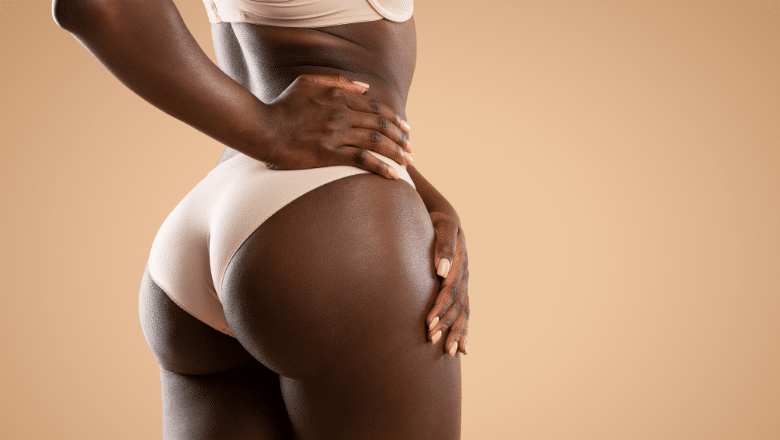
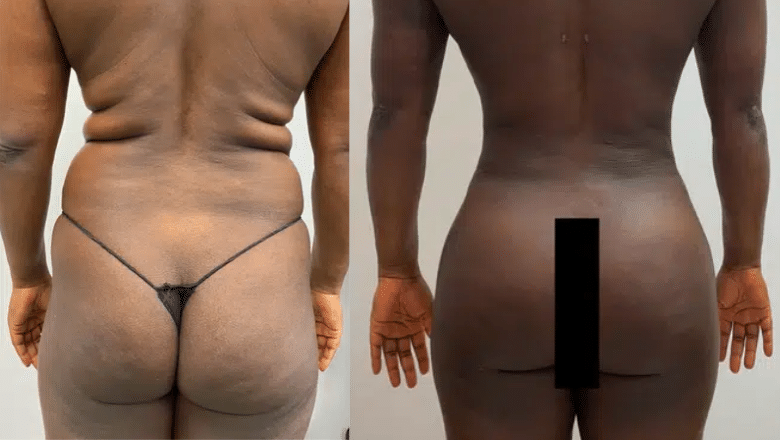
Understanding what BBL results look like before any pregnancy helps set realistic expectations for what can be preserved and restored. Our BBL before and after photo gallery shows a wide range of patient outcomes achieved at Centre for Surgery, including cases combining BBL with 360 liposuction for comprehensive body contouring. These cases reflect the quality of result that is achievable, and the baseline from which any post-pregnancy changes should be assessed.
Can You Have a Revision BBL After Pregnancy?
Yes — and for patients who are dissatisfied with the changes to their BBL results following pregnancy, a revision BBL is an established option. The procedure follows the same principles as the original: fat is harvested from donor areas — which will again have fat available following pregnancy weight gain — purified, and re-transferred to the buttocks. A revision BBL can restore volume that has been lost, improve proportions that have shifted, and address changes to the donor area contour simultaneously.
The timing of a revision BBL following pregnancy follows the same guidelines as an original procedure. Most surgeons recommend waiting a minimum of six months after delivery, and until breastfeeding has been stopped for at least six to eight weeks, to allow the body to stabilise hormonally and weight to settle at a consistent level. Attempting revision surgery before weight and hormones have stabilised leads to less predictable results. Our post on how soon you can get a BBL after pregnancy covers the timing principles in full.
Should You Wait Until After Pregnancy to Have a BBL?
If you are planning a family and have not yet had a BBL, the standard clinical advice is to complete your family first — or at least be confident that you are not planning any further pregnancies — before undergoing the procedure. This is not because pregnancy makes BBL dangerous, but because it maximises the longevity and return on investment of the surgery. A BBL performed after your final pregnancy, at a stable weight, produces results that are much more likely to be durable over the years that follow.
This principle applies equally to the mummy makeover more broadly, as explored in our post on whether you can have a mummy makeover if you plan to have more children. The tummy tuck component in particular is significantly more vulnerable to subsequent pregnancy than the BBL — the abdominal muscle repair and skin tightening achieved by abdominoplasty can be substantially undone by a further pregnancy.
If you are uncertain about future pregnancies but are experiencing significant physical discomfort or dissatisfaction with your current body shape, this is a personal decision that deserves an honest, unhurried conversation with your surgeon at consultation. There is no universal right answer, and the decision depends on your individual circumstances, age, family plans, and quality of life.
Protecting Your BBL Results Through and After Pregnancy
For patients who have had a BBL and subsequently become pregnant — whether planned or unplanned — the most important practical steps are straightforward. Maintaining a healthy weight gain within recommended guidelines during pregnancy minimises the degree of fat expansion in the transferred cells. Returning to a stable weight close to your pre-pregnancy weight following birth is the single most important factor in recovering your BBL results. Avoiding significant weight fluctuations in the years that follow protects both the BBL result and the liposuction donor area contour.
Beyond weight, the principles of long-term BBL maintenance covered in our post on how to maintain BBL results apply throughout — including regular exercise to maintain body composition, adequate nutrition to support skin and tissue health, and protecting the buttocks from sustained pressure during the recovery period.
Frequently Asked Questions
Will pregnancy ruin my BBL?
Not necessarily. For most patients who return to a stable weight close to their pre-BBL weight following pregnancy, the BBL result recovers well. The transferred fat cells are living tissue and respond to the same forces as fat elsewhere — they will expand and contract with weight changes, but they are not destroyed by pregnancy. Permanent changes are most likely where significant weight is permanently retained or lost post-pregnancy.
How long after pregnancy should I wait before assessing my BBL results?
Allow at least six to twelve months following delivery, and several months after breastfeeding has stopped, before assessing the impact on your BBL results. Hormonal fluctuations during the postpartum period, particularly during breastfeeding, continue to affect fat distribution, and the final picture is not visible until weight and hormones have stabilised.
Can I have a BBL after pregnancy if I am not happy with my results?
Yes. A revision BBL following pregnancy is a well-established procedure. Most surgeons recommend waiting at least six months after delivery and until a stable weight has been maintained for two to three months before proceeding. Timing is important — surgery performed before weight and hormones have stabilised produces less predictable outcomes.
Does pregnancy affect the liposuction donor areas from my BBL?
Yes. The donor areas — typically the abdomen and flanks — can accumulate new fat during pregnancy, partially reversing the slimming and contouring achieved by liposuction. In most cases this resolves as you return to your pre-pregnancy weight, but where significant post-pregnancy weight is retained, the donor area contour may be less well-defined than it was originally.
Is it safe to be pregnant after a BBL?
Yes. A BBL does not affect your ability to conceive or carry a pregnancy safely. There are no medical risks to a subsequent pregnancy following a BBL. The concern is aesthetic rather than medical — how the results are affected — rather than any risk to you or your baby.
BBL Surgery at Centre for Surgery
Centre for Surgery performs BBL surgery at our CQC-regulated Baker Street clinic in central London. All procedures are performed by GMC-registered consultant plastic surgeons using the ultrasound-guided technique, which ensures fat is placed safely in the subcutaneous plane and significantly reduces procedural risk. We were among the first clinics in the UK to adopt this technique following the updated BAAPS guidelines on gluteal fat grafting.
Finance options including 0% APR are available through our partner Chrysalis Finance — visit our Finance Options page for details.
Phone: 0207 993 4849 | Email: contact@centreforsurgery.com | Address: 95-97 Baker Street, London W1U 6RN
[contact-form-7 id=”256″ title=”Treatments form”]