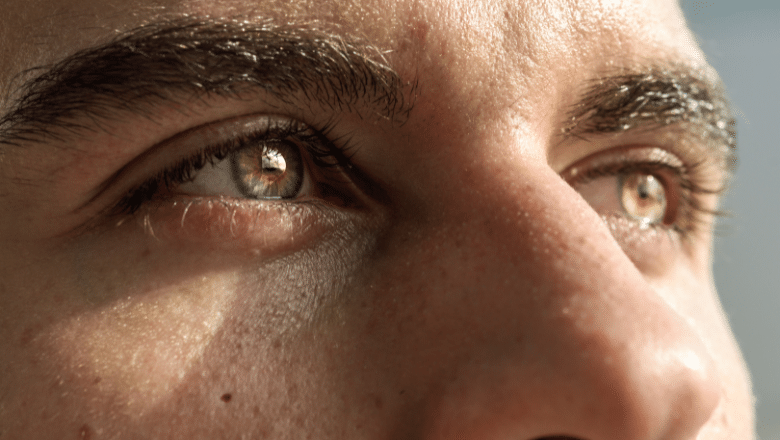

Choosing the right surgeon for eyelid surgery is one of the most important decisions you will make on your cosmetic journey. The eyes are among the most expressive and conspicuous features of the face, and surgery in this area demands both a high level of technical precision and a refined aesthetic sensibility. Getting this decision right from the outset greatly increases the likelihood of a natural-looking, long-lasting result — and reduces the risk of complications or the need for revision surgery in future.
At Centre for Surgery in London, our specialist eyelid surgeons have extensive experience performing both upper and lower blepharoplasty, and our Baker Street clinic is widely regarded as one of the leading destinations in the UK for eyelid surgery.
Who Should Consider Eyelid Surgery?
Upper eyelid surgery is most commonly considered by individuals who notice that the skin of the upper eyelids has become heavy, drooping, or is beginning to rest on the lashes. This can happen earlier for some people due to genetics, and later for others as a natural consequence of ageing. When excess upper eyelid skin is severe enough to impair the peripheral field of vision, the procedure also becomes a functional necessity rather than purely a cosmetic choice.
Lower eyelid surgery — also known as lower blepharoplasty or eye bag removal — is sought by people who are troubled by persistent puffiness or bags beneath the eyes that give a tired or aged appearance, regardless of how much rest they have had. In many cases, this puffiness is caused by fat that has prolapsed forward through the orbital septum with age, and surgery to address this can produce a dramatically refreshed result.
Both upper and lower blepharoplasty can be performed together for those with concerns affecting the full eye area, and either can be combined with a brow lift or facelift for more comprehensive facial rejuvenation.
RELATED: Eyelid Surgery FAQs – Q&A about Blepharoplasty
What Makes a Good Eyelid Surgeon?
Not all cosmetic surgeons are equally qualified or experienced in blepharoplasty. Eyelid surgery demands a surgeon who has trained extensively in this specific area and who has performed a large volume of procedures — ideally several per week. It is a procedure where subtle misjudgements in how much skin or fat is removed can have visible and sometimes difficult-to-correct consequences.
GMC Registration and Specialist Qualifications
In the UK, any surgeon offering cosmetic procedures should be registered with the General Medical Council (GMC). For blepharoplasty specifically, you should look for a surgeon who holds a GMC-recognised specialist qualification in plastic surgery, oculoplastic surgery, or facial plastic surgery. Membership of organisations such as BAAPS (British Association of Aesthetic Plastic Surgeons) or BAPRAS (British Association of Plastic, Reconstructive and Aesthetic Surgeons) provides additional reassurance of professional standing and ongoing commitment to best practice.
Dedicated Experience in Eyelid Surgery
Ask any surgeon you are considering how frequently they perform blepharoplasty. A surgeon who specialises primarily in this area and performs it regularly will have developed a far more refined technique than one who performs it occasionally. A high volume of experience also means the surgeon is better placed to manage any variations in anatomy or unexpected findings encountered during the procedure.
A Substantial Before and After Portfolio
Reviewing genuine before-and-after photographs of a surgeon’s previous patients is one of the most informative steps in your research process. Look for consistency in the quality of results across different patients and different anatomical starting points. The results should look natural, well-healed, and in harmony with the rest of the face. At Centre for Surgery, you can view a comprehensive gallery of blepharoplasty before and after photos to get a realistic sense of achievable outcomes.
Honest, Thorough Consultations
A good eyelid surgeon will give you a thorough and honest consultation. They will examine your eyelid anatomy in detail, discuss your concerns openly, explain what is and is not achievable for your particular anatomy, and set realistic expectations. Be cautious of any surgeon who appears to agree with everything you say without carefully assessing your individual circumstances — a degree of professional candour is a sign of quality and integrity.
CQC-Regulated Facility
The clinic where your surgery takes place should be regulated by the Care Quality Commission (CQC) in England. CQC-regulated facilities are subject to regular inspection and must meet defined standards of safety, staffing, and clinical governance. Centre for Surgery’s Baker Street facility is CQC-regulated, and all procedures are performed by GMC-registered consultant surgeons with full anaesthetic support.
What to Expect When Undergoing Blepharoplasty
Blepharoplasty is performed as a day case at Centre for Surgery, meaning you will be admitted and discharged on the same day without the need for an overnight stay. The procedure is performed under TIVA (Total Intravenous Anaesthesia), a form of general anaesthetic delivered intravenously that offers a smoother experience and faster recovery than traditional gas-based anaesthesia.
The surgeon makes carefully planned incisions following the natural fold of the eyelids in the case of upper blepharoplasty, and along the lower lash line or through the inside of the eyelid (transconjunctival approach) for lower blepharoplasty. Excess skin, muscle, and fat are removed or repositioned to create the desired improvement, and the incisions are closed with very fine sutures to minimise visible scarring.
Following surgery, bruising and swelling are expected during the first week to ten days. Most patients find these have settled sufficiently within ten to fourteen days to return to work and social activities. The final result continues to refine over several months as the tissues settle fully.
RELATED: Recovery After Eyelid Surgery
Questions to Ask at Your Blepharoplasty Consultation
When you attend your consultation, there are several important questions worth raising to help you assess the surgeon’s suitability and to ensure you understand what is involved:
How many blepharoplasty procedures do you perform each year? What technique will you use for my specific anatomy and why? Can I see before and after photographs of patients with similar concerns to mine? What are the realistic risks and potential complications of this procedure? What does the aftercare and follow-up process look like? What happens if I am unhappy with the result?
A surgeon who answers these questions openly, with detail and without defensiveness, is likely to be one who operates to a high standard and takes patient satisfaction seriously.
Why Choose Centre for Surgery for Eyelid Surgery?
Centre for Surgery is one of London’s leading specialist centres for facial plastic surgery. Our blepharoplasty surgeons are consultant-level specialists who perform eyelid surgery frequently and have built a substantial body of clinical experience across the full range of upper and lower lid procedures. We believe that a natural result — one that enhances the eyes without looking operated — is the mark of excellent surgery, and our portfolio reflects this philosophy.
Our Baker Street clinic is CQC-regulated, purpose-built for cosmetic surgery, and equipped with the latest surgical technology. Every patient who comes to us benefits from a dedicated consultant-led care pathway, from the initial consultation through to post-operative follow-up.
We offer flexible finance options including 0% APR with Chrysalis Finance — visit our Finance Options page for details.
Explore More About Blepharoplasty at Centre for Surgery
RELATED: Blepharoplasty Before & After Photos
RELATED: How Much Does Blepharoplasty Cost?
RELATED: Recovery After Eyelid Surgery
RELATED: Upper Blepharoplasty — Upper Eyelid Lift
RELATED: Lower Blepharoplasty — Eye Bag Removal
RELATED: Asian Blepharoplasty — Double Eyelid Surgery
RELATED: Non-Surgical Alternatives to Eyelid Surgery
📞 Contact us at: 0207 993 4849 | ✉️ Email: contact@centreforsurgery.com | 📍 95-97 Baker Street, London W1U 6RN
[contact-form-7 id=”256″ title=”Treatments form”]