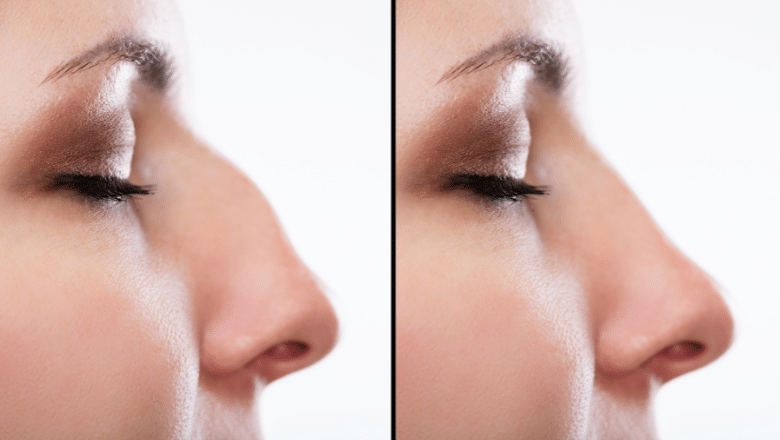
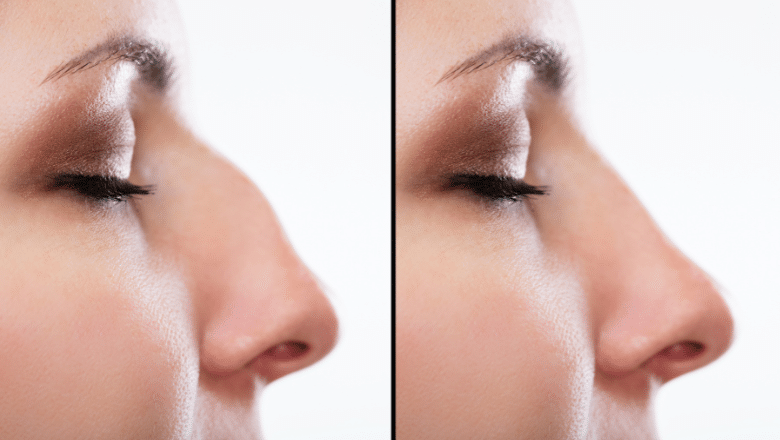
Before-and-after photos are one of the most useful things to look at when researching cosmetic surgery — and one of the most easily misused. Filtered Instagram results, selectively chosen angles, inconsistent lighting, and outright photo editing have made the average social media gallery genuinely misleading. A proper clinical gallery looks different, and learning to read one well is part of the consultation preparation.
This page links to all of our procedure-specific galleries and sets out what to look for, what to be cautious about, and how to use these images productively when planning your own surgery.
Our before-and-after galleries
All photos in our galleries are of real Centre for Surgery patients who have given explicit written consent for their images to be used. Photography is done in-clinic under controlled lighting, with consistent positioning and standardised angles, and is published unedited.
Face
Breast
- Breast augmentation
- Breast lift (mastopexy)
- Breast reduction
- Gynaecomastia (male breast reduction)
- Pectoral implants
Body
- Liposuction
- Tummy tuck (abdominoplasty)
- Brazilian butt lift
- Mummy makeover
- Arm lift (brachioplasty)
- Thigh lift
- Calf augmentation
Intimate
The consolidated plastic surgery before-and-after hub indexes all galleries.
What to look for in a clinical before-and-after
Five things that distinguish a useful gallery from a misleading one.
1. Consistent photography between before and after
The before and after photos should match in lighting, distance from camera, angle, posture, and (ideally) clothing. If the “before” photo is in dim lighting with the patient slouching, and the “after” is in bright lighting with the patient standing upright and tilted toward the camera, you are looking at posing and lighting differences alongside surgical results. Quality clinical galleries use standardised photography precisely to eliminate this confound.
2. Multiple angles
Single-angle “after” photos hide what’s happening from other directions. A rhinoplasty result that looks transformative from the front may look unchanged from the side; a breast augmentation that looks excellent in a posed photograph may look obviously implanted from an oblique angle. Galleries showing front, three-quarter, and side views are giving you the full picture. Single-angle galleries are usually selecting the most flattering view.
3. Timing of the “after” photo
Different procedures need different time intervals to show their final result:
- Rhinoplasty — major swelling resolves by 2 weeks, but residual swelling (particularly at the tip) can persist for 12 months. After photos at 6 weeks look different from after photos at 12 months. Useful galleries show both.
- Breast augmentation — implants undergo “drop and fluff” over 3 to 6 months as they settle into the pocket and tissues relax. An after photo at 4 weeks shows high, tight breasts; at 6 months, the natural settled shape.
- Abdominoplasty — swelling can persist for 3 to 6 months. Scars mature over 12 to 18 months.
- Facelift — visible swelling and bruising resolve over 2 to 4 weeks, but final result is at 6 to 12 months.
Galleries that show only 6-week post-op results are not showing the final outcome. Some are misleadingly flattering (swelling temporarily smooths skin); some are misleadingly unflattering (residual swelling distorts contour). Look for galleries that note the time point or that show progression.
4. No filters or editing
The most obvious tell of a heavily filtered gallery is unrealistically smooth or even-toned skin in the after photos, with no pores, blemishes, or natural texture variation. Real surgical results sit on real skin. If the after photos look airbrushed, they have been.
Skin smoothing filters are particularly common on social media galleries. They flatter the result by removing the surface detail that would otherwise reveal it as untouched. In-clinic galleries shot with professional cameras and published without filters look less polished but are honest.
5. Patients similar to you
The starting point matters as much as the surgical technique. Galleries are most useful when they include patients with similar starting anatomy to yours — similar age, body type, skin quality, and the specific feature you want changed. A rhinoplasty gallery showing 25-year-olds with thin skin will not tell you much about your likely result if you are 55 with thick skin. Galleries that show a range of patients across these variables are more useful than those showing only the most photogenic results.
Bringing photos to your consultation
If you find before-and-after photos online — whether from our galleries or elsewhere — bring them to your consultation. They are useful in several ways:
- Photos of results you like communicate your aesthetic preferences more precisely than verbal description. Saying “I want a more refined nose” leaves much open; pointing to a specific result narrows the conversation.
- Photos of results you don’t like are equally useful. Telling the surgeon what to avoid (overly upturned tip, too-large implants, overly pulled facelift appearance) helps them understand your aesthetic boundaries.
- Photos of a “before” that resembles your own starting anatomy set realistic expectations about what is achievable from your specific starting point.
The surgeon will then assess your individual anatomy and confirm what is feasible. Photos you bring serve as a starting point for that discussion — not as a guarantee of outcome.
What photos can’t tell you
Photos show the visible result. They cannot show:
- How the result feels. Breast implants feel and move differently from natural tissue regardless of how natural they look. Rhinoplasty changes nasal airflow as well as appearance.
- How the result moves. A facelift that looks excellent in a still photograph may produce an unnatural smile or limited facial expression in motion. Video footage, where available, gives more information.
- The recovery experience. Photos of the polished final result don’t convey the 6 weeks of bruising, swelling, restricted activity, and emotional adjustment that produced it.
- Whether the patient is happy. A result you find attractive in a photograph may not match what the actual patient wanted. Conversely, results that look unremarkable to an outside observer may be exactly what the patient wanted.
- Long-term durability. Five-year and ten-year results often look different from 6-month results, particularly for facelifts and body contouring procedures.
How to think about your own expectations
Photos can set unhelpful expectations as well as helpful ones. Some patterns worth being aware of:
- The best result in a gallery is not the average result. Clinics naturally feature their better outcomes. Real distributions of results are wider.
- Younger patients with better starting skin produce more dramatic visible changes than older patients with the same procedure. Don’t expect a 65-year-old facelift result to look like a 45-year-old result on a 65-year-old face.
- Different procedures address different problems. A patient looking at facelift galleries who actually needs blepharoplasty (or vice versa) will find the photos misleading. The consultation establishes which procedure is right.
- “After” photos at 6 weeks vs 6 months vs 5 years tell different stories. Be clear what you are looking at.
Booking a consultation
During an in-person consultation at our Baker Street clinic, we can show you additional patient photographs not published online, including cases similar to yours. Call 0207 993 4849 or use the contact form. We are based at 95–97 Baker Street, Marylebone.
Related reading
- Cosmetic surgery before-and-after photos on social media: what to look for
- 10 questions to ask your surgeon
- From enquiry to consultation: what to expect
Centre for Surgery · CQC-regulated · GMC specialist-registered surgeons · 95–97 Baker Street, Marylebone, London W1U 6RN · 0207 993 4849 · Book a consultation · Finance from 0% APR