If you are considering eyelid surgery, one of the most common questions that comes up is: will I be awake during the procedure? Understanding whether blepharoplasty is performed under local anaesthetic, general anaesthetic, or something in between can make a significant difference to how you feel going into surgery — and how smoothly your recovery unfolds.
At Centre for Surgery, we believe that an informed patient is a confident patient.
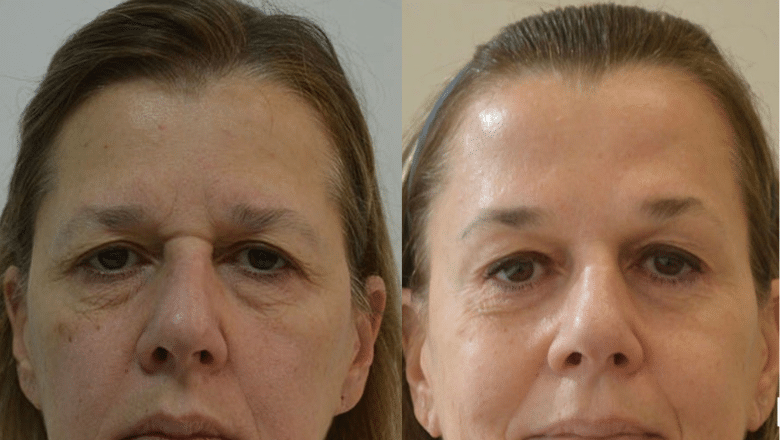
What Is Blepharoplasty?
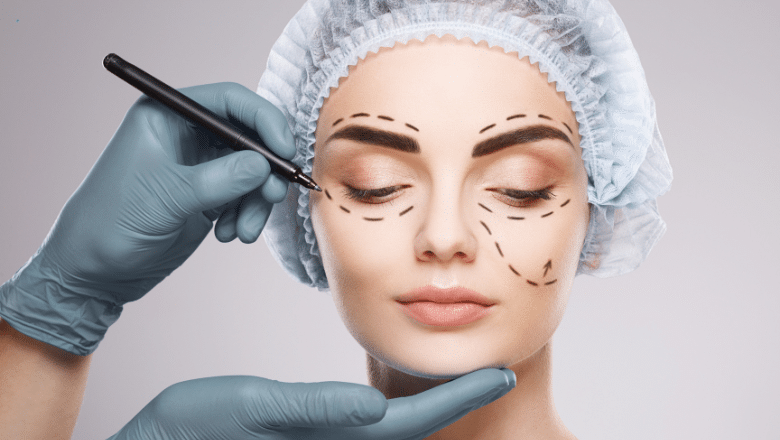
Blepharoplasty is a surgical procedure that removes or repositions excess skin, muscle, and fat from the upper eyelids, lower eyelids, or both. Depending on your concerns, your surgeon may recommend upper blepharoplasty, lower blepharoplasty, or a combined procedure.
Local Anaesthetic vs General Anaesthetic: What Is the Difference?
Local Anaesthetic
Local anaesthetic involves injecting a numbing agent directly into the treatment area. You remain fully conscious throughout the procedure, but the targeted area is completely numb and you feel no pain.
General Anaesthetic
General anaesthetic renders you completely unconscious for the duration of the procedure. It is administered by a trained anaesthetist and requires careful monitoring throughout.
TIVA: Total Intravenous Anaesthesia
Total Intravenous Anaesthesia, known as TIVA, is a form of general anaesthesia delivered entirely through the vein, without the use of inhaled anaesthetic gases. Patients are fully asleep but TIVA carries a significantly better side effect profile — post-operative nausea and grogginess are far less common.
Which Anaesthetic Does Centre for Surgery Use for Blepharoplasty?
At Centre for Surgery, blepharoplasty is routinely performed under TIVA, administered by a fully qualified, specialist consultant anaesthetist. This approach gives our patients all the benefits of being completely asleep and unaware during their procedure, combined with a smoother, more comfortable recovery compared to conventional general anaesthesia.
This is particularly important for lower blepharoplasty, which tends to be a more technically involved procedure. Whether your surgeon is performing a transconjunctival or transcutaneous approach, working in a fully relaxed, controlled surgical environment under TIVA produces the most precise and consistent outcomes.
Why Does the Anaesthesia Choice Matter?
The choice of anaesthesia is not just about comfort during surgery — it has a direct bearing on your recovery experience and, in some cases, on your results.
Surgeon Precision
Eyelid surgery requires extraordinary delicacy. The skin of the eyelids is among the thinnest on the entire body, and even minor movements during the procedure can affect the symmetry of the result. When a patient is fully relaxed under TIVA, the surgeon can work with the focus and steadiness the procedure demands.
Recovery Quality
Nausea is far less prevalent with TIVA than with traditional general anaesthesia. You can read more about what to expect in our full blepharoplasty recovery guide.
Is It Safe to Have Blepharoplasty Under General Anaesthetic?
General anaesthesia — including TIVA — is extremely safe when administered by a qualified specialist anaesthetist in a properly equipped facility. At Centre for Surgery, our anaesthetists are experienced consultants. To understand more about the risks and complications of eyelid surgery, we encourage all patients to review this information carefully.
What Happens on the Day of Your Blepharoplasty?
You will arrive at our Baker Street clinic having fasted for at least six hours beforehand. Once in theatre, your TIVA is administered through a fine cannula placed in the back of your hand or arm. Blepharoplasty is performed as a day-case procedure — you will go home the same day, accompanied by a responsible adult.

Combining Blepharoplasty With Other Procedures
One practical advantage of performing blepharoplasty under TIVA is that it makes it entirely straightforward to combine with other procedures. Many patients pair eyelid surgery with a brow lift or combine blepharoplasty with a mini facelift. You can also read more about combining facial plastic surgery procedures.
How to Prepare for Your Anaesthetic
- Fast for at least six hours before your procedure.
- Disclose all medications, supplements, and herbal remedies to your surgical team.
- Avoid alcohol for at least 48 hours before surgery.
- Stop smoking ideally at least four weeks before your procedure.
- Arrange for a responsible adult to accompany you home and stay with you on the night of surgery.
For more detailed guidance, visit our blepharoplasty recovery page. Our guide on when it is safe to drive after blepharoplasty is also worth reading.
Explore More About Blepharoplasty at Centre for Surgery
RELATED: Blepharoplasty Before & After Photos RELATED: Eyelid Surgery FAQs – Q&A about Blepharoplasty RELATED: Upper Blepharoplasty — Upper Eyelid Lift RELATED: Lower Blepharoplasty — Eye Bag Removal RELATED: Asian Blepharoplasty — Double Eyelid Surgery RELATED: Non-Surgical Alternatives to Eyelid SurgeryBook Your Blepharoplasty Consultation at Centre for Surgery
If you are ready to take the next step and explore whether blepharoplasty is right for you, we would love to hear from you. All blepharoplasty consultations at Centre for Surgery are conducted by GMC-registered specialist surgeons at our Baker Street clinic in London.
We also offer flexible finance options through our partnership with Chrysalis Finance, with 0% APR available. Full pricing information is available on our blepharoplasty cost page.
Frequently Asked Questions
Is blepharoplasty done under local or general anaesthetic?
At Centre for Surgery, blepharoplasty is performed under TIVA — Total Intravenous Anaesthesia — a form of general anaesthesia delivered intravenously. You are fully asleep and unaware throughout.
Will I be awake during eyelid surgery?
No. At Centre for Surgery, you will be fully asleep under TIVA throughout your blepharoplasty. You will have no awareness of the procedure and will feel no pain.
Is general anaesthetic safe for eyelid surgery?
Yes — general anaesthesia, including TIVA, is very safe when administered by a qualified, experienced anaesthetist in a properly equipped and regulated surgical environment. Our clinic is CQC-regulated and all anaesthetics are delivered by specialist consultant anaesthetists.
Can I combine blepharoplasty with other procedures under the same anaesthetic?
Yes. Combining blepharoplasty with complementary procedures such as a brow lift or facelift under a single TIVA anaesthetic is both safe and common at Centre for Surgery. Learn more about combining facial plastic surgery procedures here.