
Breast Reduction Surgery for Women with Dense Breasts
For countless women, the allure of full breasts is overshadowed by the physical and emotional discomfort they bring. The experience goes beyond aesthetic concerns, extending to back pain, shoulder strain, and a sense of embarrassment that can weigh heavily on one’s self-esteem. The burden of living with large, dense breasts is not merely a physical one but an emotional challenge that affects daily life and well-being.
Breast reduction surgery is suitable for those who have long struggled with the size and density of their breasts. It’s a journey towards reclaiming comfort, confidence, and a renewed love for one’s body. Imagine a life free from the constant search for clothing that fits properly, devoid of the insecurity and physical discomfort that often accompany dense breasts.
At Centre for Surgery, our expertise in breast surgery is extensive and deeply rooted in understanding the unique challenges faced by women with dense, oversized breasts. With a history of thousands of successful breast surgeries, we stand as a testament to the transformative power of breast reduction surgery. Our commitment is to offer not just surgical solutions but a pathway to restoring self-confidence and improving the quality of life for our patients.
This article delves into the intricate details of living with dense breasts and the transformative impact breast reduction surgery can have. For those contemplating this life-changing procedure, we invite you to explore the potential to rediscover the joy and comfort in your décolletage. Join us as we guide you through the nuances of breast reduction, shedding light on the benefits and the profound difference it can make in your life.
RELATED: Is Breast Reduction Surgery Right for Me?
What is Dense Breast Tissue?
Understanding breast density is crucial for comprehending the complexities of breast health and the implications it may have for screening and risk assessment. Breast density is not merely a description of how breasts feel but rather a detailed categorisation based on their composition. Dense breast tissue is characterised by a higher ratio of glandular (the tissue that produces milk) and connective tissues (which provide support) compared to fatty tissues, which are softer and less dense. This distinction is important because it influences how breasts are imaged and can affect the visibility of abnormalities during mammographic examinations.
There are four recognised categories of breast density, which help medical professionals in assessing and managing breast health:
Extremely Dense Breasts
Breasts classified as extremely dense have a high proportion of fibrous and glandular tissue, with minimal fatty tissue. This density can significantly obscure mammogram images, potentially hiding cancers. Women with extremely dense breasts are often advised to consider additional imaging tests for more effective screening.
Scattered Fibroglandular Breasts
This classification indicates a mixed composition of dense glandular and fibrous tissue interspersed with fatty tissue. Scattered fibroglandular density is somewhat easier to image effectively with standard mammography compared to higher densities, but there can still be challenges in detecting abnormalities.
Heterogeneously Dense Breasts
This category signifies that the breasts contain substantial amounts of glandular and fibrous connective tissue, making them relatively dense. However, there is still some presence of fatty tissue. Women with heterogeneously dense breasts may have a slightly higher risk of breast cancer, and mammograms might be less effective due to density masking potential anomalies.
Almost Entirely Fatty Breasts
Breasts in this category are predominantly composed of fatty tissue, with very little glandular or connective tissue. Mammograms are typically most effective for women with this breast composition, as the low density allows for more precise imaging and easier detection of any irregularities.
Determining whether you have dense breast tissue isn’t something that can be assessed through physical examination alone, such as simply feeling the breasts for firmness. Instead, breast density is evaluated by a radiologist through mammographic images. The radiologist examines the proportion of dense tissue to fatty tissue and assigns a category based on what is seen. This assessment is crucial because dense breast tissue can make mammograms more challenging to interpret. The thick tissue appears white on a mammogram, the same colour as potential anomalies, including tumours, making them more difficult to spot.
The implications of having dense breast tissue extend beyond diagnostic challenges. Research has shown that women with dense breasts have a slightly increased risk of developing breast cancer compared to those with less dense tissue. This increased risk, coupled with the difficulty in detecting cancers in dense breasts through mammography alone, underscores the importance of informed discussions between patients and healthcare providers about personalised breast cancer screening strategies.
In response to these challenges, additional forms of imaging, such as ultrasound or magnetic resonance imaging (MRI), may be recommended for women with dense breasts to complement mammography. These alternative imaging techniques can offer more detailed views of dense breast tissue, potentially improving the detection of abnormalities.
What Causes Increased Breast Density?
Breast density is a significant factor in breast health, influencing both the risk of breast cancer and the efficacy of mammograms in detecting such cancers. The dense composition of breast tissue, characterised by a higher proportion of glandular and connective tissues compared to fatty tissues, is most accurately identified through mammographic screenings. In these X-rays, dense areas appear more solid, offering a visual indication of breast density.
However, beyond clinical assessments, several physical signs might suggest the presence of excessive breast density. These include:
- Physical Discomfort: Many women with dense breasts experience neck, shoulder, and back pain, attributed to the extra weight they carry in their breast tissue.
- Posture Problems: The additional weight can also lead to posture issues, as women may adjust their stance to alleviate discomfort, leading to long-term musculoskeletal problems.
- Exercise and Activity Challenges: Dense breasts can make physical activities, including exercise, uncomfortable or even painful, limiting participation in sports or other forms of exercise.
- Clothing and Bra Fitting Issues: Finding bras and clothing that fit comfortably and supportively can be a frustrating ordeal for women with dense breasts, affecting their self-image and comfort.
- Increased Self-consciousness: The noticeable size and weight of dense breasts can attract unwanted attention, leading to feelings of self-consciousness.
- Skin Irritation: Dense breast tissue can cause bra straps to dig into the skin, resulting in indentations, chafing, and irritation due to constant rubbing.
RELATED: Getting Rid of Bra Strap Indentations
The causes of excessive breast density are multifaceted, including genetics, body weight, and hormonal fluctuations throughout a woman’s life. These factors can all influence the proportion of dense tissue in the breasts, although the exact reasons why some women have denser breasts than others remain complex and partially understood.
Addressing the issue of breast density is critical not only for the quality of life but also for the broader implications it holds for breast health. Dense breasts are recognised as a common risk factor for breast cancer. The thick tissue can obscure mammogram readings, making it challenging to identify masses, lumps, or other abnormalities, as both dense tissue and potential anomalies appear white on the screening images.
This difficulty in reading mammograms due to breast density underscores the importance of exploring additional screening methods or considering interventions to manage breast density. Surgical options to reduce breast density can not only alleviate the physical and emotional discomfort associated with dense breasts but also enhance the effectiveness of cancer detection methods, potentially saving lives.
RELATED: How to Reduce Breast Size – Natural Remedies or Surgery?
Breast Reduction Surgery for Dense Breasts
Breast reduction surgery, or reduction mammoplasty, stands out as a transformative procedure for women grappling with the challenges of dense breasts. This surgical intervention is designed not just to decrease the overall size of the breasts but also to uplift and reposition the breasts, nipples, and areolas into a more aesthetically pleasing and natural alignment. The procedure goes beyond cosmetic enhancement, offering relief from the physical discomforts and health concerns associated with having dense, heavy breasts.
For women with dense breasts, the procedure entails the careful removal of excess glandular, fibrous, and fatty tissue. This reduction in tissue not only results in smaller, lighter breasts but also significantly decreases breast density. By reducing the amount of glandular and fibrous tissue, the breasts become less dense, which can alleviate many of the discomforts women experience on a daily basis. These include chronic pain in the neck, shoulders, and back, posture issues, and difficulty in finding clothing and bras that fit well.
Moreover, the reduction in breast density has important implications for breast health surveillance. Dense breast tissue can obscure mammogram images, making it difficult to detect abnormalities. With less dense tissue, mammograms become more effective, potentially improving the early detection of breast cancer and other conditions. This aspect of breast reduction surgery is particularly beneficial for women at a higher risk of breast cancer due to their dense breast tissue.
Breast reduction surgery is a comprehensive solution that addresses both the physical and psychological burdens of living with dense breasts. It not only enhances physical comfort and the ability to engage in a broader range of activities but also boosts self-confidence and body image. The reduction of breast density through surgery can offer women a newfound sense of freedom and relief, significantly improving their quality of life.

The decision to undergo breast reduction surgery is a personal one and should be made in consultation with a qualified plastic surgeon. During the consultation, the surgeon will assess your breast composition, discuss your health history, and explain the potential outcomes of the surgery. Together, you can determine whether breast reduction is the right choice for your needs, taking into consideration both the aesthetic goals and the health benefits of reducing breast density.
How to Prepare for Breast Reduction
Embarking on the journey towards breast reduction surgery, especially for those with dense breasts, begins with a detailed consultation at our esteemed Baker Street clinic. This initial meeting is a cornerstone of the surgical process, where your surgeon gains a comprehensive understanding of your unique case. By examining your anatomy, reviewing your medical history, and discussing your aesthetic aspirations, our expert team at Centre for Surgery crafts a surgical plan meticulously tailored to meet your specific needs and desires.
Key Considerations for Your Breast Reduction Surgery
As you contemplate the decision to undergo breast reduction, several critical factors come into play, ensuring that you are fully prepared and informed about the journey ahead:
1. Surgical Approach Tailored to You: The techniques involved in reducing dense breast tissue are diverse, reflecting the unique complexities of each case. Our surgeons at Centre for Surgery are renowned for their bespoke approach, customising the surgery to harmonise with your anatomy and your vision for the ideal outcome. Engaging in an open dialogue with your surgeon about the various techniques and their anticipated results is pivotal in setting realistic expectations.
2. Understanding the Potential Risks: While breast reduction surgery is a transformative procedure, it is not without its risks. These can include asymmetry, visible scarring, infection, adverse reactions to anaesthesia, blood clots, and the possibility of requiring revision surgery. An informed decision is a safeguard against unforeseen complications. Choosing a surgeon with a distinguished track record, backed by years of experience and a gallery of satisfied patients, is your best defence against these risks.
3. Visualising Your Ideal Outcome: During your consultation, a critical step involves discussing and visualising the ideal breast size and shape that aligns with your body’s proportions. For those considering breast augmentation alongside reduction, our clinic provides the opportunity to explore various implant sizes, aiding in the selection of an option that resonates with your aesthetic goals.
RELATED: Breast Reduction Surgery Before & After Photos
Financial Considerations: The Cost of Breast Reduction in the UK
The financial aspect of breast reduction surgery is a crucial consideration, with the average cost in the UK starting from £8000. This investment in your well-being encompasses not just the surgical procedure but also the promise of a life enhanced by comfort, confidence, and improved health.
RELATED: How Much Does Breast Reduction Cost?
A Glimpse into Your Surgical Journey
Understanding the breadth of the surgery, from the initial consultation through to the recovery process, empowers you with the knowledge to navigate this life-changing path. At Centre for Surgery, we are committed to providing a supportive and transparent experience, ensuring that every step towards your new beginning is taken with confidence and clarity.
Breast Reduction at Centre for Surgery
At the Centre for Surgery, we are dedicated to providing a serene and pain-free experience for our patients undergoing breast reduction surgery. By utilising both general and local anaesthesia, we ensure that your journey towards a lighter, more comfortable breast size is as smooth and comfortable as possible.
The Surgical Process Explained
The procedure begins with the careful removal of excess fat and tissue, which not only reduces the overall size of the breasts but also significantly decreases their density. This initial step is crucial for those suffering from the physical and emotional discomfort associated with dense breasts, offering immediate relief and a move towards a more manageable breast size.
Following the reduction, our surgeons’ expertise in aesthetic contouring comes to the forefront. Each breast is meticulously reshaped, with the skin pocket around it contoured to achieve a harmonious and natural appearance. This artful reshaping is pivotal in ensuring that the reduced breasts complement your body’s proportions and enhance your overall silhouette.
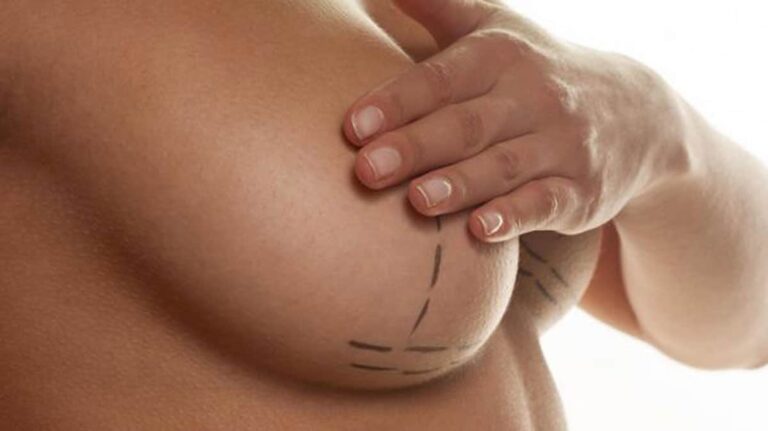
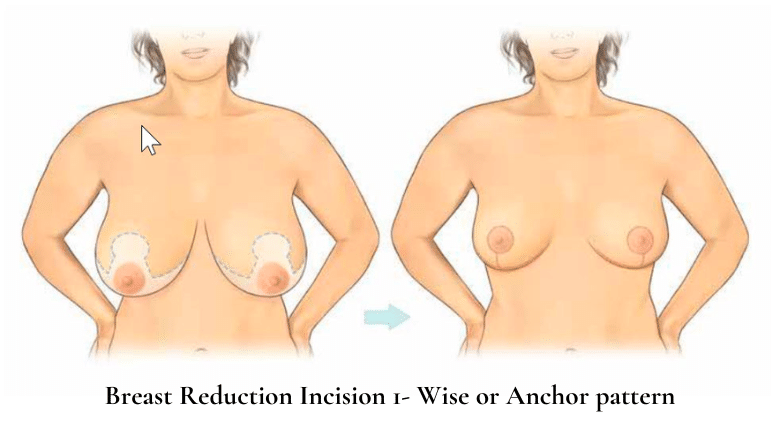
The journey towards rejuvenation includes a breast lift, elevating the breasts and nipples to their optimal position. This lift is achieved through strategic incisions made around the areola, extending into the nipple area, and continuing down to the breast crease. These incisions are crucial for repositioning the breasts, resulting in a more youthful and uplifted appearance.
Minimising Scarring with Expertise
A hallmark of the Centre for Surgery is our commitment to minimal scar techniques in breast surgeries. Our surgeons possess a deep understanding and skill in closing incisions in a way that minimises visible scarring. Through precise suturing and a meticulous approach to wound care, we ensure that the evidence of your procedure is as inconspicuous as possible, allowing you the freedom to enjoy your results without concern for prominent scars.
RELATED: What Do Breast Reduction Scars Look Like?
The breast reduction surgery at Centre for Surgery goes beyond mere size reduction; it’s a comprehensive approach to improving the quality of life for our patients. By addressing both the aesthetic and functional challenges associated with dense breasts, we offer a pathway to not just a more proportionate figure but also to enhanced self-confidence and comfort.
Recovery After Breast Reduction Surgery

Recovering from breast reduction surgery is a crucial phase, irrespective of whether the surgery was performed to address breast density or other concerns. The process is designed to ensure that healing occurs smoothly and effectively, allowing patients to enjoy the benefits of their procedure with minimal discomfort and optimal results.
Immediate Postoperative Phase
Right after the surgery, it’s common to experience swelling and tenderness around the areas where the surgery was performed. These sensations are a natural part of the body’s healing process and should gradually subside over the following weeks.
To support the healing process and manage post-surgical swelling, patients are equipped with a post-surgical support bra immediately after the operation. This garment is specifically designed to provide the right amount of compression to the newly contoured breasts, helping to reduce swelling and support the tissues as they heal.
Additionally, drains may be placed at the surgical site to prevent fluid accumulation in the space left behind after tissue removal. These drains are temporary and are typically removed within one to two weeks after surgery, depending on the amount of fluid being collected and the surgeon’s assessment.
The Healing Process
In the initial two to three weeks following your breast reduction surgery, the primary focus should be on recovery and healing. It’s important to follow all post-operative instructions provided by your surgeon to ensure a smooth recovery. This period requires patience and care, as your body adapts to the changes and begins to heal.
As healing progresses, you will gradually be able to resume your daily activities. Your surgeon will provide guidance on when it’s safe to reintroduce certain movements, including arm exercises and more strenuous physical activities, into your routine. It’s crucial to adhere to these guidelines to avoid any complications or delays in your recovery.
Long-term Healing and Results
The whole healing process from breast reduction surgery can take between four to six months. During this time, you’ll notice a significant improvement in comfort and the overall proportion of your breasts. The long-term benefits of the surgery, such as relief from the physical discomfort associated with dense, large breasts and improved body confidence, will become fully apparent.
It’s important to maintain regular follow-up appointments with your surgeon throughout the recovery period. These check-ups allow your surgeon to monitor your healing progress and address any concerns that may arise.
Benefits of Breast Reduction

Breast reduction surgery has the power to significantly transform lives, offering a myriad of benefits that extend far beyond the physical changes. Patients who undergo this procedure often report a profound impact on their overall well-being, marking the experience as invaluable. Here’s a closer look at the comprehensive advantages of opting for breast reduction:
Alleviation of Pain and Discomfort
One of the most immediate benefits following breast reduction is the significant reduction in pain and discomfort. The excessive weight of large breasts can strain the neck, shoulders, and back, leading to chronic discomfort. Breast reduction alleviates this strain, offering a more comfortable and pain-free existence.
Enhanced Posture and Mobility
With the burden of excess weight lifted, patients frequently notice an improvement in posture and an increase in mobility. The surgery makes it easier to maintain a correct and comfortable posture without the constant pull on the shoulders and spine.
Boost in Physical Activity
Many women find their large breasts to be a barrier to physical activity, whether it’s due to discomfort or the difficulty in finding appropriate sports attire. Post-surgery, engaging in exercise and sports becomes much more manageable and enjoyable, contributing to overall health and fitness.
Improved Clothing Fit
Breast reduction opens up a whole new world of fashion possibilities. Clothes fit better and more comfortably, allowing patients to explore styles and outfits they may have previously avoided, enhancing their personal style and confidence.
Reduction in Skin Irritation
The friction and pressure from bra straps can cause significant skin irritation and indentations. Reducing breast size alleviates these issues, leading to less skin irritation and the disappearance of painful bra strap grooves.
Boosted Self-Esteem
The emotional and psychological benefits of breast reduction are profound. Patients often experience a significant boost in self-esteem and body confidence, feeling more in harmony with their body’s proportions and more comfortable in their skin.
Improved Breast Health Monitoring
For those with dense breast tissue, breast reduction can make mammograms more effective and clearer, facilitating better breast health monitoring and potentially earlier detection of abnormalities.
Reduction in Breast Sagging
By removing excess weight, breast reduction surgery can also reduce the degree of breast sagging and elevate the breasts’ position, contributing to a more youthful and uplifted appearance.
Enhanced Sleep Quality
The discomfort of large breasts can interfere with sleep, making it difficult to find a comfortable position. Following surgery, many women report improved sleep quality due to a reduction in physical discomfort.
An Unstoppable Feeling
Perhaps the most transformative benefit reported by patients is the newfound sense of freedom and capability. Freed from the physical and emotional burdens of excessively large breasts, patients often feel unstoppable, ready to embrace life with renewed vigour and confidence.
RELATED: The Transformative Effects of Breast Reduction Surgery
Breast Reduction for Dense Breasts: Why Choose Centre for Surgery?
At Centre for Surgery, we understand the unique challenges and discomforts associated with dense breasts. Our dedicated team of highly skilled surgeons specialises in breast reduction surgery, offering personalised solutions that cater to the specific needs of our patients. With a focus on safety, excellence, and transformative results, we are committed to helping you achieve a more comfortable and confident life.
Unparalleled Expertise and Compassionate Care
Choosing Centre for Surgery for your breast reduction journey means entrusting your care to a team renowned for its expertise in addressing dense breast tissue. Our surgeons are adept at performing intricate procedures that not only reduce breast size but also significantly decrease density, enhancing your overall well-being and quality of life.
Tailored Surgical Plans
We believe in a bespoke approach to surgery, where every procedure is tailored to the individual. During your comprehensive consultation at our Baker Street clinic, your surgeon will thoroughly assess your case, anatomy, and aesthetic goals. This meticulous planning ensures results that are not only aesthetically pleasing but also aligned with your vision of comfort and proportionality.
Minimal Scar Techniques
Our commitment to excellence extends to minimising post-surgical scarring. Utilising advanced techniques and meticulous suturing methods, our surgeons strive to ensure that the evidence of your procedure is as discreet as possible, allowing you to enjoy your results with confidence.
Contact Us for a Consultation
Ready to learn more? Contact Centre for Surgery to book your consultation and take the first step towards a more comfortable and confident you.
Phone: 0207 993 4849
Email: contact@centreforsurgery.com
Address: 95-97 Baker Street, London W1U 6RN
For more information about our approach and the experiences of our patients, we invite you to visit our About Us page.
Additional Resources
Discover our finance options, including 0% APR with Chrysalis Finance, to make your surgery more affordable. Explore our Finance Options.
Stay informed and inspired by visiting our Plastic Surgery Blog, where we share insights, patient stories, and the latest advancements in cosmetic surgery.
Have questions? Our Clinic FAQs page offers detailed answers to help you feel prepared and informed.
Discover more about our state-of-the-art Baker Street Clinic and the exceptional care we provide.
[contact-form-7 id=”256″ title=”Treatments form”]