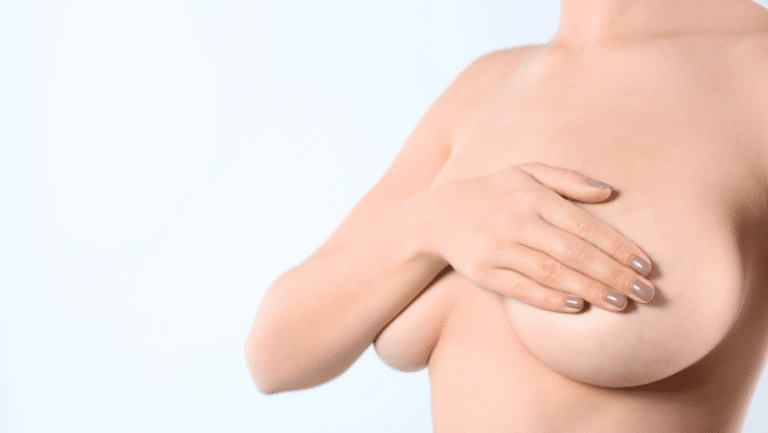

Cosmetic surgery sits at an awkward intersection of medicine and consumer culture, which means the public conversation about it tends to be a mix of accurate clinical information, outdated stereotypes, and social media misconceptions. This guide takes the most common claims patients arrive at consultation with and sorts them against the evidence — what is true, what is partially true, and what is wrong.
“Cosmetic surgery and plastic surgery are the same thing”
Partially true. The two terms overlap clinically but describe different scopes of practice. Plastic surgery is the broader specialty, covering reconstructive work after trauma, cancer, burns, and congenital conditions, alongside aesthetic procedures. Cosmetic surgery refers specifically to procedures performed to alter appearance in the absence of a functional medical need.
In the UK the meaningful distinction is the surgeon, not the operation. A consultant plastic surgeon on the GMC Specialist Register for Plastic Surgery has completed the full reconstructive and aesthetic training pathway, including the FRCS (Plast) exit examination. A doctor describing themselves as a “cosmetic surgeon” may or may not have specialist plastic surgery training — the title itself is not legally protected. We cover this in detail in our explainer on plastic surgeon vs cosmetic surgeon.
“Cosmetic surgery is only for women”
False, although the demographic skew is real. According to the British Association of Aesthetic Plastic Surgeons 2024 annual audit, 25,663 procedures were performed on women and 1,799 on men — a ratio of approximately 14 to 1. Men make up around 6.5% of UK cosmetic surgery patients, with rhinoplasty (332 procedures) the most common male operation, followed by face and neck lifts (up 26% year on year). Gynaecomastia surgery remains the second most common procedure among men, and demand for male facelifts has tracked the rising pension age and workplace age-bias concerns.
The shift toward male cosmetic surgery is gradual rather than dramatic, but the absolute numbers are no longer trivial. See gynaecomastia surgery and rhinoplasty.
“Liposuction is a weight loss procedure”
False. Liposuction is a body contouring procedure, not a weight loss intervention. It removes localised pockets of fat that have not responded to diet and exercise — typically a few litres of fat in total across treated areas. The volume removed is small relative to the total body fat mass of a significantly overweight patient, and the procedure carries higher operative risk in patients with elevated BMI.
UK consultant practice limits liposuction to patients with a BMI under 30, ideally under 28. Above that threshold the procedure has less aesthetic effect, higher complication rates, and is more appropriately deferred until weight has come down through diet, exercise, or in some cases bariatric intervention. We discuss the BMI thresholds by procedure in BMI and cosmetic surgery eligibility.
“Breast implants last forever”
False. Breast implants are medical devices with a finite operational lifespan. Modern silicone implants are not given a fixed replacement date, but most manufacturers’ warranties run for 10 years against rupture, and revision rates rise with time. Common reasons for re-operation include implant rupture, capsular contracture, asymmetry that develops over time, or simply the patient’s preference for a different size or shape after years of living with the original implants.
The realistic expectation is that any woman undergoing breast augmentation in her twenties or thirties is likely to need at least one revision in her lifetime. This is not a failure of the procedure — it is the predictable trajectory of any implanted medical device. For more detail see breast augmentation.
“Cosmetic surgery is only for the wealthy”
Increasingly false. Private cosmetic surgery in the UK is funded through three main routes: outright payment, structured finance, or interest-free credit. Chrysalis Finance, our FCA-regulated finance partner, offers 0% APR over up to 12 months on most procedures, subject to standard credit checks. A £6,000 procedure financed over 12 months at 0% APR is £500 a month — comparable to a typical car finance payment.
The corollary, however, is that headline-low pricing — particularly from overseas providers — usually reflects something other than efficient operations. UK pricing includes consultant-led care, CQC-regulated facilities, anaesthetist cover, structured follow-up over a year, and £10 million indemnity insurance. Significantly cheaper pricing usually means one or more of those is not being provided. See cosmetic surgery payment plans and the dangers of cosmetic surgery tourism.
“Anti-wrinkle injections freeze your face”
False if administered correctly, true if administered badly. Anti-wrinkle injections work by selectively weakening specific facial muscles. The “frozen” appearance occurs when too many muscle groups are over-treated, or when the same dose is repeated too frequently. Conservative, anatomically targeted dosing produces natural-looking softening of expression lines while preserving the range of facial expression. The visible problem cases — flat foreheads, asymmetric brows, expressionless features — are almost always the result of inappropriate dosing rather than a problem with the treatment itself.
“Bigger is better with breast implants”
Not consistent with current practice. UK demand has shifted markedly toward natural-looking proportions over the past decade, with most patients aiming for results that read as a moderate enhancement rather than an obvious augmentation. The BAAPS data showing breast augmentation still as the most common UK cosmetic procedure (5,202 procedures in 2024, up 6% year on year) reflects steady demand rather than a trend toward larger sizes.
Implant size is also constrained by anatomy. Small frames, narrow chest widths, and thin overlying tissue all limit how large an implant can be placed while maintaining a natural look and avoiding visible rippling. Implants disproportionate to frame can cause back and shoulder pain, accelerate skin stretching, and become visible at the edges. A consultation should include a sizing session with sample implants worn in a bra, against a written measurement of base width and projection.
“You can’t breastfeed after breast surgery”
Mostly false. Breast augmentation — particularly when the implant is placed under the muscle and the incision is in the inframammary fold — has minimal effect on breastfeeding ability. Breast lift surgery that preserves the nipple-areola pedicle on its blood and nerve supply also generally preserves breastfeeding capacity.
The procedures more likely to affect breastfeeding are breast reduction (where the volume of glandular tissue removed and the technique used both matter) and any surgery that involves repositioning the nipple via a free graft rather than on a pedicle. If breastfeeding future children is important to you, raise it at consultation — the technique can usually be adapted to preserve milk ducts where this is a priority.
“Cosmetic surgery leaves no scars”
False. Any surgery that involves an incision produces a scar — this is a feature of how skin heals, not a marker of surgical quality. The realistic standard is not absent scars but well-placed, well-healed scars that fade significantly over 12 to 18 months and are positioned where clothing or natural skin folds conceal them.
Scar quality is influenced by several factors: incision placement and length (surgeon decision), tension on the wound (technique and procedure choice), smoking status (large effect), skin type, post-operative scar care, and time. Procedures with the most visible scarring — abdominoplasty in particular — leave a long but low scar that sits below the bikini line. Rhinoplasty and blepharoplasty scars are typically hidden inside the nostril or in the natural eyelid crease. See how to minimise scars after cosmetic surgery.
“Fat comes back after liposuction”
Partially true. The fat cells removed during liposuction do not regenerate — those specific adipocytes are gone permanently. However, the fat cells remaining in untreated areas of the body, and a smaller number that remain in treated areas, retain their ability to enlarge if total caloric intake exceeds expenditure.
What this means in practice is that patients who maintain stable weight after liposuction retain their result indefinitely. Patients who gain significant weight will deposit fat in untreated areas first, and the body’s overall shape may change in ways the patient did not anticipate — fat distribution can become more uneven post-liposuction than it was before. Maintenance of liposuction results requires maintenance of body weight; the procedure is not a substitute for that.
“Surgery will fix how I feel about myself”
The most consequential myth, and false in a specific way. Cosmetic surgery reliably changes anatomy. It does not reliably change underlying self-image, mood, or relationships. Patients who arrive with realistic, anatomy-focused expectations — wanting smaller breasts, a less prominent nasal hump, a flatter abdomen — generally report high satisfaction with technically good outcomes. Patients who arrive expecting surgery to resolve depression, a difficult marriage, low confidence in social settings, or a sense that “something is wrong with me” frequently report disappointment even when the technical result is excellent.
The specific clinical concern is body dysmorphic disorder (BDD), in which a patient is preoccupied with a perceived flaw that is mild or invisible to others. Patients with untreated BDD have very poor satisfaction rates after cosmetic surgery and may seek repeated procedures without resolution. UK consultant practice screens for this at consultation, and where it is identified, surgery is deferred and the patient referred for appropriate psychological support. See body dysmorphia and cosmetic surgery for a fuller discussion.
“Recovery is quick and easy”
False for most procedures. Recovery times vary by procedure and individual, but the realistic minimum off-work commitment ranges from 5 to 7 days for liposuction or blepharoplasty, to 2 to 3 weeks for abdominoplasty, breast reduction, or a mummy makeover. Full return to gym, contact sport, and heavy lifting typically takes 6 to 8 weeks. Final aesthetic results take 6 to 12 months to settle as residual swelling resolves and scars mature.
Underestimating recovery is one of the more common patient regrets. Booking surgery the week before a wedding, a major work event, or international travel almost always produces disappointment. See how long is recovery after cosmetic surgery? for procedure-specific timelines.
“All clinics are basically the same”
False. UK cosmetic surgery is regulated by the Care Quality Commission, which inspects providers against five domains — safe, effective, caring, responsive, and well-led — and publishes inspection reports publicly. Clinics holding “Good” or “Outstanding” ratings have demonstrated specific operational and clinical standards. Clinics with no rating, expired inspections, or “Requires Improvement” findings have not.
The structural variables that meaningfully differ between clinics include: whether consultations are conducted by the operating surgeon or a sales agent; whether a two-week cooling-off period is observed; whether the surgeon is on the GMC Specialist Register for Plastic Surgery; the level of indemnity insurance; the structure of post-operative follow-up; and whether 24/7 clinical support is available during recovery. See what a CQC Good rating means.
Booking a consultation
If you have specific questions about a procedure that this guide has not answered, the next step is a consultation with a consultant plastic surgeon. Call 0207 993 4849 or use the contact form. We are based at 95–97 Baker Street, Marylebone.
Related reading
- Factors that influence your cosmetic surgery results
- How to avoid botched cosmetic surgery
- From enquiry to consultation: what to expect
Centre for Surgery · CQC-regulated · GMC specialist-registered surgeons · 95–97 Baker Street, Marylebone, London W1U 6RN · 0207 993 4849 · Book a consultation · Finance from 0% APR