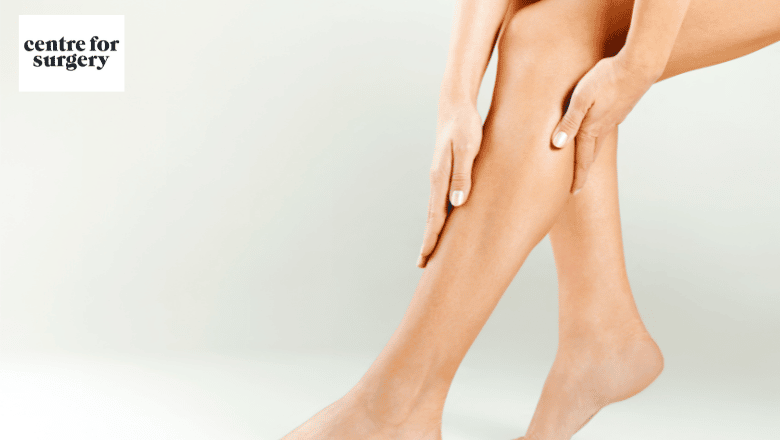

Calf augmentation with fat transfer is a cosmetic surgery procedure that uses your own body fat — harvested by liposuction from an area of unwanted volume — to enhance the shape and size of the calf muscles. It is a minimally invasive alternative to calf augmentation with implants that appeals to patients who prefer a natural approach, want subtle rather than dramatic enhancement, or are interested in the dual benefit of contouring a donor area at the same time.
Centre for Surgery in London is one of the few plastic surgery clinics in the UK that performs calf augmentation with fat transfer. Our surgeons have built significant expertise across both implant and fat-based techniques, enabling us to provide each patient with genuinely personalised advice about which approach will best meet their individual goals. For patients weighing both options, our detailed guide to the differences between calf implants and fat transfer is an excellent starting point.
RELATED: Calf Implants vs Fat Transfer — What’s the Difference?
How Calf Augmentation with Fat Transfer Works
Fat transfer calf augmentation is performed under either general anaesthesia or local anaesthesia with sedation, depending on the extent of the procedure and the patient’s preference. It typically takes between two and three hours to complete when both liposuction and fat injection are performed in the same session.
The procedure follows three distinct stages:
Stage 1 — Harvesting the Fat
Fat is collected from a donor area of the body that has sufficient volume to provide the necessary material. The most commonly used donor sites are the abdomen, flanks, hips, or thighs. This stage involves a form of liposuction, in which a fine cannula is inserted through tiny incisions and the fat is gently suctioned out. The dual benefit of this stage is that the donor area is simultaneously contoured and reduced, which many patients find an appealing aspect of the procedure. The donor incisions are small — typically just a few millimetres — and heal to become virtually invisible.
Stage 2 — Processing the Fat
Once harvested, the fat is processed using centrifugation or filtration to separate the viable fat cells from blood, oil, and other fluids. Only the healthiest, most intact fat cells are selected for injection. This purification step is critical to maximising the survival rate of the transferred fat and achieving the best possible long-term result.
Stage 3 — Injecting the Fat into the Calves
The purified fat is carefully injected into the calf region using multiple small passes of a fine cannula, building volume gradually in a three-dimensional pattern. This technique — sometimes called micro-fat grafting or lipofilling — ensures that the injected fat is distributed evenly through the tissue, maximising contact between the transferred cells and the surrounding blood supply. This vascular contact is essential for fat cell survival and the longevity of the result.
The injection sites on the calf are tiny and typically require no sutures. Sterile dressings are applied, and the patient is transferred to recovery before being discharged the same day.
Recovery After Calf Augmentation with Fat Transfer
Recovery following fat transfer calf augmentation is generally shorter and less intense than recovery from calf implant surgery, because no surgical pocket needs to be created and there is no prosthetic device around which the tissue needs to settle. Most patients are comfortable returning to light daily activities and desk-based work within three to five days.
There are two areas of recovery to manage simultaneously — the donor site where fat was harvested, and the calves where it was injected.
Donor Site Recovery
The liposuction donor areas will be tender, swollen, and bruised in the first one to two weeks following surgery. A compression garment is worn over the donor site for several weeks to reduce swelling and support the healing tissue. Most patients find that swelling in the donor area resolves substantially within four to six weeks, though minor residual changes may continue to settle for up to three months.
Calf Recovery
The calves themselves will also be swollen following the injection stage, and some bruising is normal. The swelling can temporarily make the calves look larger than the eventual result — it is important not to judge the outcome until the swelling has fully resolved. Strenuous lower-leg exercise should be avoided for at least four to six weeks. Walking is actively encouraged from day one to maintain circulation and minimise the risk of blood clots. Compression stockings are recommended during the recovery period.
Full guidance on managing recovery is also relevant to patients who have had calf implant recovery in combination with fat transfer, which some patients opt for to achieve both structural definition from the implant and additional soft volume from fat grafting.
Is Fat Transfer to the Calves Permanent?
Fat transfer to the calves produces long-lasting but not always fully permanent results. Not all of the injected fat survives the transfer process — the body reabsorbs some proportion of the transferred cells in the weeks and months following surgery as part of the natural healing process. The proportion of fat that survives varies between patients, typically ranging from 50% to 80% of the injected volume depending on individual factors such as the patient’s age, general health, blood supply in the recipient area, and the precision of the injection technique used.
The fat cells that do survive the transfer are permanent. They integrate into the surrounding tissue, develop their own blood supply, and behave like any other native fat cells — including responding to changes in body weight. If a patient gains weight after surgery, the transferred fat cells may enlarge; if they lose weight, they may reduce. Maintaining a stable body weight is therefore important for preserving the results of fat transfer to the calves.
For patients who want predictable, stable enhancement that does not depend on fat survival rates, silicone calf implants may be the more appropriate option. Implants provide a fixed, consistent volume increase that does not fluctuate with body composition changes or fat reabsorption. The decision between the two approaches should be made at consultation with one of our surgeons after a thorough assessment of your anatomy and goals.
Scarring After Calf Augmentation with Fat Transfer
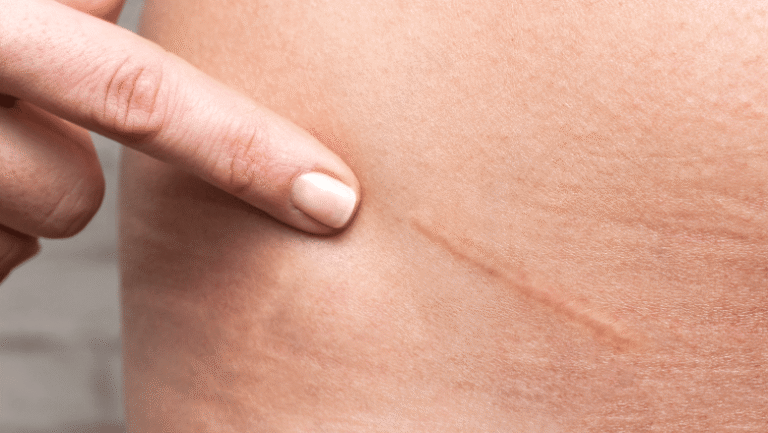
One of the advantages of fat transfer over implant surgery is the minimal scarring involved. The injection sites on the calves are tiny puncture wounds, typically less than 2–3mm in diameter, that require no sutures and heal to become virtually imperceptible. The liposuction incisions at the donor site are similarly very small and are placed in discreet locations where they can be concealed by clothing.
In contrast, calf implant surgery requires a more substantial incision at the back of the knee, which — while well-concealed in the popliteal crease and typically very discreet once healed — is longer than the incisions associated with fat transfer alone. Patients who are particularly concerned about visible scarring may find this distinction relevant when choosing between the two approaches.
Is Calf Augmentation with Fat Worth It?
Whether calf augmentation with fat transfer is worth it depends on your specific goals, body composition, and expectations for the magnitude of change you are hoping to achieve.
Fat transfer is well-suited to patients who want a modest, natural-looking increase in calf volume rather than a dramatic structural change, who have an adequate donor site from which fat can be harvested, who prefer to use their own tissue rather than a synthetic implant, and who are comfortable with the possibility that some fat may be reabsorbed and the result may be somewhat less than the immediately post-operative appearance.
It is less well-suited to patients with very little body fat available for transfer, those who want a significant increase in calf size or sharply defined muscle contour, or those who have conditions causing muscle asymmetry or absence that require reconstructive rather than cosmetic augmentation. In those cases, calf implants are likely to produce a more reliable and impactful result.
Many patients find it helpful to view our calf augmentation before and after photos to calibrate expectations for the kind of changes that can realistically be achieved. Understanding the cost of calf augmentation across both approaches is also an important part of the decision-making process.
Combining Fat Transfer with Calf Implants
For patients who want both structural definition and additional soft volume, it is possible to combine calf implants with fat transfer in a single surgical session. The implant provides the core structural enhancement and adds reliable, predictable volume to the muscle belly, while fat transfer can be used to soften the transition zone around the implant and refine the overall contour of the lower leg. This combined approach is used selectively in patients with the right anatomy and goals, and is discussed in detail at consultation.
Frequently Asked Questions
How much fat survives after calf fat transfer?
Fat survival rates vary between patients but typically range from 50% to 80% of the volume injected. Some reabsorption in the weeks following surgery is normal. Most of the settling occurs within the first three months, after which the remaining fat is considered stable and long-lasting.
How long does the procedure take?
Calf augmentation with fat transfer typically takes between two and three hours, encompassing both the liposuction harvest and the injection stages. It is performed as a day case, meaning patients are admitted and discharged on the same day.
Can fat transfer to the calves be combined with calf and ankle liposuction?
Yes. Fat harvested during calf and ankle liposuction can be purified and transferred to the calves in the same session, combining slimming of the lower legs with targeted volume enhancement. This combined approach is particularly effective for patients who want to reshape the overall proportions of their legs simultaneously.
Is fat transfer safer than calf implants?
Both procedures are safe when performed by experienced surgeons in an accredited facility. Fat transfer carries no risk of implant-related complications such as displacement or capsular contracture, but the results are less predictable in terms of final volume due to fat reabsorption. The full comparison of risks and benefits is discussed in our guide to calf implants versus fat transfer.
Will the transferred fat increase in size if I gain weight?
Yes. Transferred fat cells behave like native fat cells and will expand if you gain weight and contract if you lose weight. Maintaining a stable body weight after surgery helps preserve the result.
Related Guides
RELATED: Calf Implants at Centre for Surgery
RELATED: Calf Augmentation with Fat Transfer
RELATED: Calf Augmentation Before & After Photos
RELATED: How Much Do Calf Implants Cost in the UK?
RELATED: Recovery After Calf Implant Surgery
RELATED: Calf Implants vs Fat Transfer — Which Is Right for You?
RELATED: Calf and Ankle Liposuction — How to Get Rid of Cankles
Calf Augmentation with Fat at Centre for Surgery
Centre for Surgery is proud to be one of the UK’s leading facilities for calf augmentation, offering both implant and fat-transfer techniques from our Baker Street clinic in central London. Our surgeons are specialists in body contouring and will guide you through the options in detail at your consultation, helping you choose the approach most likely to achieve your goals safely and effectively. Finance options including 0% APR through Chrysalis Finance are available — visit our Finance Options page for details.
📞 0207 993 4849 | 📧 contact@centreforsurgery.com | 📍 95-97 Baker Street, London W1U 6RN
[contact-form-7 id=”256″ title=”Treatments form”]