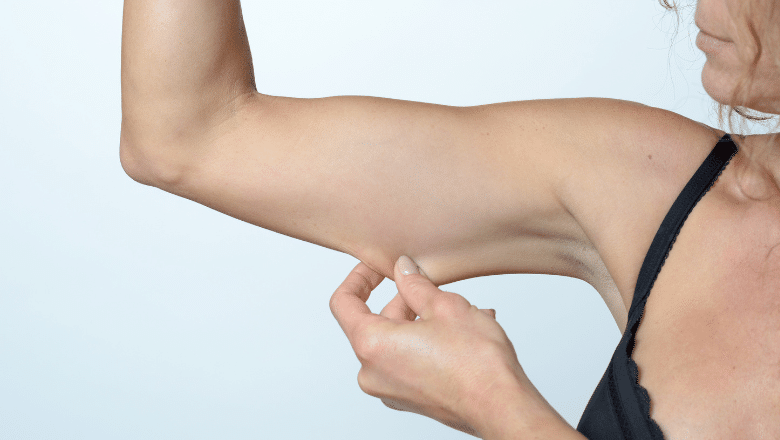
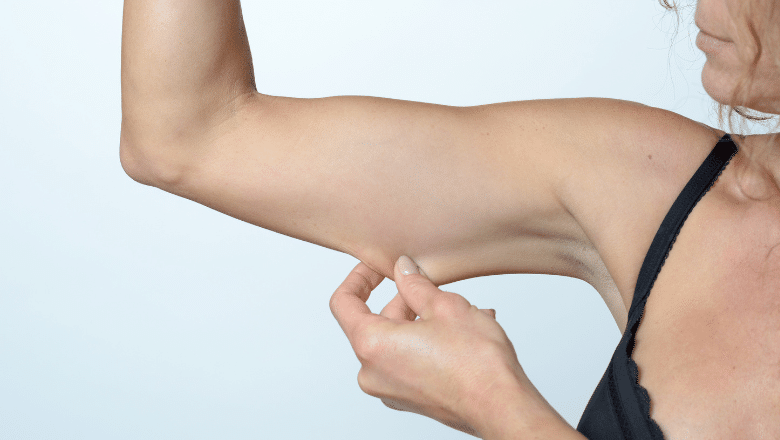
Losing a large amount of weight is a major achievement, whether it’s through bariatric surgery or lifestyle changes. However, many people are left with a frustrating problem that diet and exercise alone can’t fix — excess, sagging skin. This loose skin often forms around the stomach, arms, thighs, and chest, creating both physical discomfort and emotional distress.
The next step for many people after massive weight loss is to consider skin removal surgery, also known as body contouring surgery. It’s a procedure that can remove redundant folds of skin and help reveal the slimmer body shape that’s been achieved beneath. One of the most common questions people ask at this stage is whether skin removal surgery is available on the NHS.
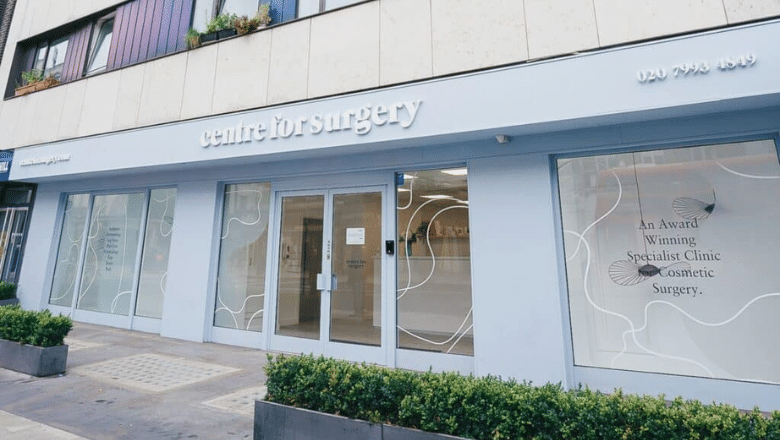
At Centre for Surgery, we understand how significant this stage of the journey can be. Our London-based clinic on Baker Street is home to some of the UK’s leading plastic surgeons specialising in excess skin removal after weight loss. We provide advanced, safe and compassionate care to help patients complete their transformation and restore confidence in their appearance.
Understanding Why Excess Skin Develops After Weight Loss
When the body gains weight, skin stretches to accommodate the increased fat volume beneath it. Over time, the collagen and elastin fibres in the skin weaken, losing their ability to bounce back. After weight loss — particularly rapid or massive weight loss — the skin can’t always retract, leaving folds of loose or hanging skin.
This excess skin can cause a range of problems. Many patients experience rashes, irritation and infections in skin folds, especially in warm or moist areas. Clothing may not fit comfortably, and it can be difficult to find garments that suit a newly slimmed frame. Beyond physical issues, loose skin can also affect mental well-being. Some people find it difficult to fully enjoy their weight loss success because of lingering insecurities about their appearance.
While creams and exercise can slightly improve tone, they cannot eliminate redundant skin. That’s why surgical removal remains the most effective and long-term solution.
What Is Skin Removal Surgery?
Skin removal surgery is a broad term that covers a range of procedures aimed at tightening and reshaping the body after weight loss. These surgeries remove stretched, redundant skin and sometimes reposition underlying tissues to create smoother, firmer contours.
The most common types of excess skin removal surgery include:
-
Abdominoplasty (Tummy Tuck) – removes excess skin and fat from the abdomen and tightens abdominal muscles.
-
Arm Lift (Brachioplasty) – targets hanging skin on the upper arms.
-
Thigh Lift – smooths and tightens skin on the thighs and buttocks.
-
Breast Lift (Mastopexy) – raises and reshapes sagging breasts.
-
Lower Body Lift – treats multiple areas at once, often including the abdomen, flanks, buttocks and thighs.
Each surgery is tailored to the patient’s unique anatomy, goals and health status. The results are typically life-changing, allowing patients to feel more comfortable and confident in their skin.
Can Skin Removal Surgery Be Covered By The NHS?
This is a very common question, and the answer depends on medical necessity rather than cosmetic preference. The NHS considers skin removal surgery a non-essential procedure unless there is clear evidence that excess skin is causing medical or functional problems.
In other words, NHS funding is generally reserved for cases where loose skin is leading to persistent health issues, such as:
-
Recurrent skin infections, ulcers or rashes that don’t respond to medical treatment.
-
Significant difficulties with mobility or hygiene.
-
Psychological distress or depression linked to the excess skin, supported by medical documentation.
Even if these symptoms exist, NHS approval is not automatic. The process is assessed by local Integrated Care Boards (ICBs), which each have their own criteria for deciding whether surgery is clinically justified.
Typically, you’ll need to prove that your weight has been stable for at least 12 to 18 months, that you’ve reached a healthy BMI, and that you’ve attempted non-surgical solutions without success.
The NHS Referral and Assessment Process
If you believe you may qualify for NHS funding, your first step is to book an appointment with your GP. They can evaluate your symptoms and refer you to a consultant or specialist for assessment.
During the NHS evaluation process, your condition will be reviewed based on both physical and psychological impact. Photographs may be taken as part of your assessment to document the severity of skin laxity and its effects on your health.
If your case meets the clinical thresholds set by your local NHS board, funding approval may be granted for a specific procedure, such as abdominoplasty for functional excess skin. However, this process can take several months and is not guaranteed.
Many patients find that despite their challenges, the NHS deems their condition “cosmetic” and therefore ineligible for surgery. This outcome often leads people to explore private surgery options, where treatment can be personalised and scheduled without long waiting times.
Why Many Patients Choose Private Skin Removal Surgery
For those who don’t meet NHS criteria or prefer not to wait for assessment, private skin removal surgery offers a clear and reliable alternative.
At Centre for Surgery, patients benefit from full control over their treatment journey — from consultation and procedure planning to post-operative care. You can choose your surgeon, discuss your desired results in depth, and undergo surgery at a time that suits you.
Private surgery also provides access to advanced surgical techniques, minimal-scar approaches and combination treatments that are rarely available through the NHS. Our patients appreciate the personalised approach, shorter recovery times, and the peace of mind that comes from being treated by a specialist consultant surgeon in a fully accredited hospital setting.
The Cost of Private Skin Removal Surgery in the UK
The cost of excess skin removal surgery varies depending on the number of areas treated, the extent of surgery and the complexity of the case.
As a general guide:
-
Abdominoplasty (tummy tuck) – from approximately £6,000
-
Arm lift – from £5,000
-
Thigh lift – from £6,000
-
Lower body lift – from £12,000
At Centre for Surgery, your consultation includes a thorough examination and a detailed, transparent quote based on your unique surgical plan. We also offer flexible finance options, allowing you to spread the cost of your procedure through monthly instalments.
NHS Surgery After Bariatric Weight Loss
If you’ve had a gastric bypass, gastric sleeve, or gastric band surgery through the NHS, you may notice loose skin forming around your abdomen, thighs, arms, or chest once your weight stabilises. This is a very common experience for patients who lose a large amount of weight quickly.
While the NHS recognises these physical and emotional challenges, the focus remains on procedures that address medical problems rather than aesthetic concerns. If your excess skin is causing repeated infections, sores, or mobility issues, your GP can refer you for further evaluation.
However, it’s important to note that most patients who undergo bariatric surgery on the NHS are not automatically eligible for skin removal. Approval depends entirely on meeting the strict criteria set by your local board.
What to Expect from Private Skin Removal Surgery
At Centre for Surgery, we begin every patient journey with a detailed, one-to-one consultation. During this meeting, your surgeon will review your health history, assess areas of concern, and discuss your goals in depth.
Once your plan is agreed, your procedure is carried out under general anaesthetic at our Baker Street surgical hospital, which is fully equipped for advanced body contouring surgery. Incisions are placed strategically to minimise scarring, and redundant skin is removed while tightening the underlying tissue.
After surgery, you’ll spend a short recovery period in our private recovery suite before going home the same day or the following morning. Most patients return to light activities within two to three weeks, depending on the complexity of their surgery. Compression garments help reduce swelling and support healing.
Full results develop gradually as swelling subsides, revealing a smoother, more defined body shape that reflects your hard work and dedication.
Emotional Benefits of Skin Removal Surgery
The impact of skin removal surgery extends far beyond physical improvement. Many of our patients describe it as the final, empowering step in their transformation journey.
After shedding significant weight, it can be disheartening to see sagging skin that hides your new contours. Removing that excess skin allows you to truly see and feel your results. Patients often report higher confidence, improved posture, greater freedom in clothing choices, and a renewed sense of pride in their appearance.
From a psychological perspective, this procedure often enhances overall quality of life and mental well-being.
FAQs
How Do I Know If I Qualify for NHS Skin Removal Surgery?
You may qualify if excess skin is causing chronic health problems such as rashes, sores, infections or psychological distress, and your weight has been stable for at least a year.
Can Exercise Tighten Loose Skin After Weight Loss?
Exercise can help tone muscles but cannot remove redundant skin. Once the skin has lost elasticity, surgery is usually the only effective solution.
What Areas Can Be Treated in One Operation?
Depending on your health and surgical goals, you may combine areas such as the abdomen, thighs and arms. Your surgeon will advise what is safe for you.
How Long Does Recovery Take?
Recovery varies by procedure but typically takes two to four weeks for most daily activities, with full healing over several months.
Will I Have Scars After Surgery?
All surgery involves scarring, but our surgeons place incisions in discreet locations and use advanced closure methods to achieve fine, minimal scars.
Is Skin Removal Surgery Safe?
Yes, when performed by an experienced plastic surgeon in a regulated facility. At Centre for Surgery, safety is always our top priority.
Will My Results Last Forever?
Results are long-lasting as long as you maintain a stable weight and a healthy lifestyle. Ageing will continue naturally, but won’t reverse the improvement.
Can I Get Finance for Skin Removal Surgery?
Yes, we offer finance options with flexible monthly payments to make surgery more accessible.
Why Choose Centre for Surgery
Centre for Surgery is one of London’s most trusted private hospitals, specialising in plastic and reconstructive surgery. Located at 95–97 Baker Street, London W1U 6RN, we provide patients with a calm, discreet environment designed specifically for cosmetic and body contouring procedures.
Our consultants are among the UK’s most experienced surgeons in excess skin removal after weight loss, combining precision surgical techniques with an artistic understanding of natural body proportions. Every patient receives a tailored treatment plan, supported by our expert nursing and aftercare teams to ensure the safest and most comfortable recovery.
If you are considering skin removal surgery, contact us today to book a consultation. Call 0207 993 4849 or email contact@centreforsurgery.com.
Learn more about us on our About Us page, meet our expert surgeons on the Team Member page, and explore transformations in our Before & After gallery. For detailed information, visit our FAQs and Guides and find helpful insights on our Plastic Surgery Blog.
For patients exploring affordability, we also provide information about finance options and flexible payment plans. To experience our facilities in person, visit our Baker Street clinic.
[contact-form-7 id=”256″ title=”Treatments form”]