Cherry angiomas, also known as red moles or Campbell de Morgan spots, are common benign skin growths made up of small clusters of blood vessels. They can appear anywhere on the body and often increase in number with age. While they are harmless, many people dislike the way they look or find they bleed if knocked. It’s natural to ask whether laser removal offers a permanent solution and what the treatment involves. This guide explains how laser treatment works, who is suitable, what to expect before and after, and how we approach cherry angioma removal safely and effectively in London.
At Centre for Surgery on Baker Street, our consultant plastic surgeons use a long-pulse Nd:YAG laser for cherry angioma removal. This technology targets blood vessels with precision and is highly effective for permanent clearance of treated lesions in most cases.
If you are considering cherry angioma removal in London and would like specialist care in a CQC-regulated setting, our team can help you plan a safe, comfortable and predictable treatment pathway.
What is a cherry angioma and why do they appear?
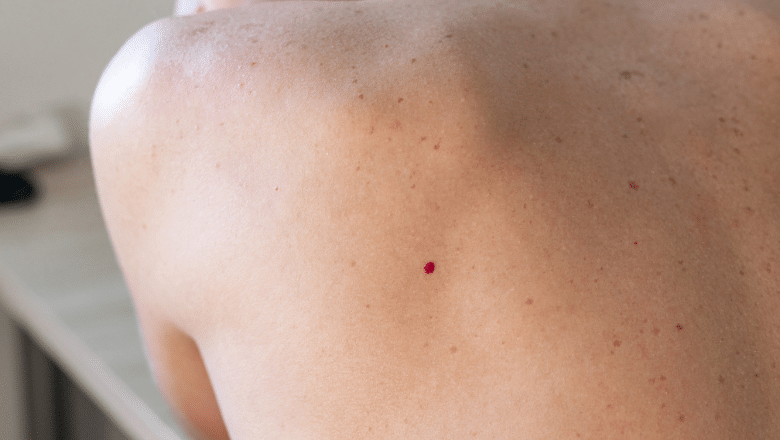
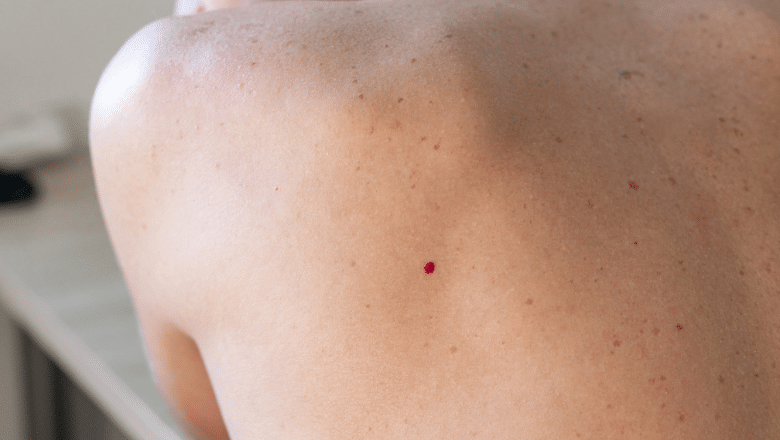
A cherry angioma is a small, dome-shaped red or purple bump that forms when tiny blood vessels dilate and cluster near the surface of the skin. They typically measure between one and five millimetres, though some can be larger. Genetics, age and hormonal changes are thought to play a role. Sun exposure may also contribute over time. Most people develop more lesions as the years pass. Although cherry angiomas are benign and do not transform into skin cancer, they can catch on clothing, bleed after shaving, and cause ongoing cosmetic concerns. Many patients search for cherry angioma removal in London because they want a long-term solution that avoids scarring.
How does laser treatment remove cherry angiomas?
Laser treatment uses a focused beam of light at a specific wavelength to heat and close down the tiny vessels that make up the angioma. Our preferred device is the long-pulse Nd:YAG laser at 1064 nm. This wavelength penetrates more deeply into the skin and is absorbed by haemoglobin within the blood vessels rather than by the surrounding skin. By delivering controlled heat to the target, the laser causes the vessel walls to collapse. Over the following days and weeks the body clears away the treated tissue naturally. The surrounding skin remains largely unaffected, which is why laser angioma removal is known for leaving a smooth, minimal-mark finish when performed properly.
The Nd:YAG wavelength also offers advantages for medium to darker skin tones because it is less readily absorbed by epidermal melanin. That means a lower risk of pigment change when compared with some other lasers, making it a versatile option across a wide range of skin types. Our consultants adjust pulse duration, energy and spot size to match the angioma’s size, depth and location. This personalised approach supports a high clearance rate while keeping downtime low.
Is the result permanent or can a cherry angioma come back?
For most people, a successfully treated cherry angioma does not return in the exact same spot. The treated lesion is coagulated and then cleared by the body, so the result at that site is considered long-lasting or permanent. What can happen, however, is the development of new cherry angiomas in different areas in the future. This is due to your skin’s natural tendency to form these vascular bumps over time and is not a failure of the original treatment. If you are predisposed to them, you might choose occasional maintenance appointments to keep your skin clear. When discussing permanence with our patients, we explain that laser treatment reliably removes individual lesions, but it does not change the underlying tendency to form new ones elsewhere.
What happens during cherry angioma removal?
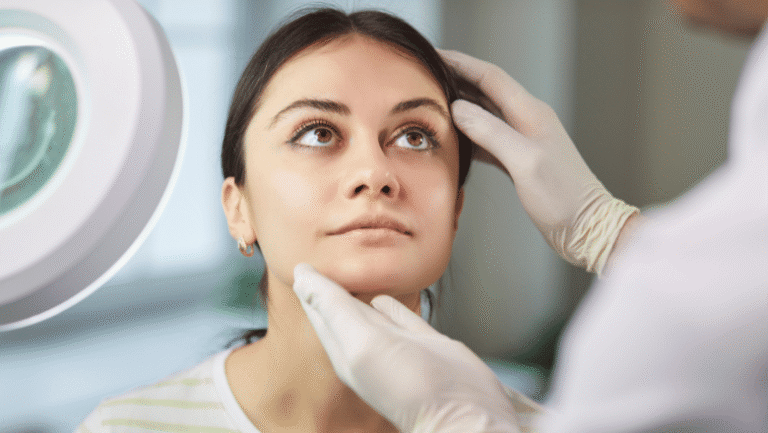
Your journey starts with a consultation and clinical assessment. We confirm the diagnosis, review your medical history, examine the number and size of lesions, and discuss your aims for clearance. A patch test is often performed, particularly for darker skin types, to confirm settings and minimise risk. On the day of treatment, we clean the area and, if needed, apply a topical anaesthetic for additional comfort. Most patients describe a quick, warm “snap” sensation during each pulse. The length of the session depends on how many cherry angiomas we are treating, but many procedures take only a few minutes.
Immediately afterwards, the treated spots may darken. A light crust can form as the area settles. Redness and a little swelling around the lesion are common and usually settle within a day or two. Over one to four weeks the treated bumps fade as the body clears them. Smaller angiomas frequently resolve after a single session. Larger or deeper lesions may need a second visit for complete clearance. Your practitioner will advise on the likely number of sessions during your consultation.
Is laser cherry angioma removal safe?
When performed by experienced clinicians using appropriate parameters, laser removal is a safe and reliable procedure. The most common temporary effects include redness, swelling or micro-crusting. Rarely, blistering or transient pigment change can occur, particularly if aftercare is not followed. Scarring is uncommon because the laser energy is directed at the blood vessels rather than at the surrounding skin structure. We reduce risk by careful diagnosis, conservative test spots, medical-grade cooling during treatment and clear aftercare instructions. Patients typically return to normal activities immediately, although we recommend avoiding sun exposure on the treated area and using high-SPF protection as the skin heals.
Who is a good candidate for laser treatment?
Most healthy adults with one or more cherry angiomas are suitable candidates for laser removal. The treatment is particularly helpful if the lesions are raised and prone to catching or bleeding or if their appearance bothers you. The long-pulse Nd:YAG laser is suitable for a wide range of skin tones. If you are pregnant, we usually advise postponing elective cosmetic procedures until after delivery. If there is any uncertainty about diagnosis, the assessing consultant plastic surgeon may recommend a different approach — for example, surgical excision with histological analysis for any pigmented lesion where definitive diagnosis is needed. At Centre for Surgery, our consultants are GMC specialist-registered plastic surgeons with experience across the full range of skin lesion management.
How many sessions will I need and how long do results last?
Many single, small cherry angiomas respond to one treatment. In cases with larger, darker or more numerous lesions, a second session six to eight weeks later can refine the outcome. Once a lesion has cleared, it generally does not recur at the same site. New angiomas may appear over time due to natural ageing, genetics or hormonal changes. If they do, they can be treated in the same way. Some patients prefer an annual skin check to catch and treat new lesions early, especially if they value a consistently clear skin appearance.
Does laser treatment hurt and is there downtime?
Most patients describe the sensation as a brief, warm flick or elastic-band snap. With topical anaesthetic and integrated cooling, discomfort is usually minimal and well tolerated. After treatment, you might notice mild redness or a small scab on the treated spot. You can return to work and daily activities straightaway. If a visible area has been treated, you may wish to plan sessions around social events while any temporary darkening settles. Makeup can usually be worn the next day if the skin surface is intact. Proper sun protection is essential as the area heals.
What about scars, pigment changes or other side effects?
Modern laser techniques aim for clearance without scarring. Because we are targeting the vessels rather than cutting the skin, risks are far lower than with surgical excision for typical angiomas. Hyperpigmentation or hypopigmentation can happen in a small number of cases, especially in darker skin types or if sun exposure occurs too soon after treatment. These changes are usually temporary and fade with time. Following aftercare advice, including gentle skin care, avoiding picking and using broad-spectrum SPF, helps minimise side effects. If you have a history of keloid scarring or photosensitivity, please tell your practitioner so we can tailor your plan appropriately.
How much does cherry angioma removal cost in London?
Pricing depends on the number of lesions, their size and the complexity of treatment. During consultation, we provide a clear, personalised fee guide and discuss options to treat single lesions or multiple areas in one session. Finance from 0% APR through Chrysalis Finance is available. If you are comparing cherry angioma removal cost across London clinics, remember to consider the technology used, the practitioner’s expertise and whether treatment is delivered in a CQC-regulated setting, as these factors influence safety and results.
Aftercare and recovery tips for smooth healing
Keeping the area clean and dry for the first 24 hours is helpful. Apply any recommended soothing product as directed. Avoid hot baths, steam rooms and vigorous exercise on the day of treatment. If a light crust forms, allow it to shed naturally. Do not pick the area. Protect the skin from the sun with a high-SPF sunscreen and physical shade for at least two to four weeks, especially if treatment was on exposed areas such as the face, neck, shoulders or forearms. Good aftercare preserves your result and reduces the chance of pigment changes. If you notice unexpected discomfort, blistering or prolonged redness, contact our team for review and tailored advice.
Can you prevent new cherry angiomas?
There is no proven way to stop cherry angiomas forming entirely, because genetics and ageing play a role. Protecting your skin from the sun, maintaining a healthy lifestyle and managing hormonal triggers may help reduce the number that appear, but new lesions can still develop. The advantage of laser treatment is that it provides fast, targeted clearance each time a new angioma appears. Many patients find this approach gives them control over their skin appearance with very little downtime.
Laser vs other removal methods — what’s the difference?
Alternative options include electrocautery and surgical removal. Electrocautery can be effective but may have a higher risk of surface marks if not performed gently. Surgical excision is rarely necessary for typical angiomas and introduces a small scar in exchange for removal. By contrast, long-pulse Nd:YAG laser treatment targets the blood vessel component directly, often clearing lesions with minimal trace on the skin. For most cherry angiomas, laser is the first-line option due to its precision, low downtime and excellent cosmetic outcomes. At your consultation we will explain the benefits and limitations of each method so you can make an informed decision.
What we don’t recommend
- DIY cherry angioma removal — picking, scratching, freezing or cauterising at home produces poor cosmetic outcomes and risks bleeding, infection and scarring
- Topical “vascular lesion” creams — none works on the underlying vessels
- Treatment at non-medical clinics without proper laser safety regulation — vascular laser work in inexperienced hands can cause burns and pigment changes
- Treating any clinically suspicious pigmented lesion with laser — any uncertain pigmented lesion should be examined first and excised surgically with histology if needed, not lasered. Cherry angiomas are clinically distinctive vascular lesions and not to be confused with pigmented lesions such as melanoma
- Sun exposure on a treated area for at least 2–4 weeks — risks pigment change
Frequently Asked Questions
What size of cherry angioma can be treated with the long-pulse Nd:YAG laser?
Most lesions between one and five millimetres respond very well. Larger or thicker angiomas can also be treated, though they may need an additional session for full clearance.
How quickly will I see results after laser cherry angioma removal?
You may notice darkening immediately, followed by fading over one to four weeks as the body clears the treated vessels. Smaller lesions often look significantly improved within days.
Is laser cherry angioma removal suitable for darker skin tones?
Yes. The 1064 nm Nd:YAG wavelength is safer for medium to darker skin types because it is less absorbed by melanin in the surface layers. We always patch test and tailor settings to your skin.
Will I scar after treatment?
Scarring is uncommon with Nd:YAG laser because treatment is selective to vessels. Following aftercare advice and avoiding picking helps ensure a smooth outcome.
Can I have treatment if I am pregnant or breastfeeding?
We generally defer elective cosmetic laser procedures during pregnancy. If you are breastfeeding, we can advise you individually at the consultation.
How many sessions will I need?
Many single small angiomas clear after one session. Larger or deeper lesions may require a second session, usually six to eight weeks later.
How much does cherry angioma removal cost?
Costs depend on the number and size of lesions and the complexity of treatment. We will give you a personalised quote at the consultation and can discuss finance options if helpful.
Is there any downtime?
Downtime is minimal. Expect temporary redness or a tiny crust. Most people return to normal activities immediately.
Cherry angioma removal at Centre for Surgery
Centre for Surgery is a CQC-regulated plastic surgery clinic at 95–97 Baker Street, Marylebone. Cherry angioma removal is performed by GMC-registered consultant plastic surgeons using long-pulse Nd:YAG laser at 1064 nm. Most patients have one or two treatment sessions for full clearance. No GP referral is required.
For related guides, see skin lesion removal, seborrhoeic keratosis removal, pyogenic granuloma removal, mole removal, and our broader guide to common skin lumps and bumps.
Centre for Surgery · CQC-regulated · GMC specialist-registered surgeons · 95–97 Baker Street, Marylebone, London W1U 6RN · 0207 993 4849 · Book a consultation · Finance from 0% APR