

When to Resume Exercise after Belt Lipectomy
Embarking on the journey back to exercise after undergoing a belt lipectomy is a pivotal part of the weight loss and recovery process. The essence of this phase is to carefully reintegrate exercise in a manner that respects and supports your body’s healing journey.
RELATED: Body Shaping Surgery after Massive Weight Loss
Following a belt lipectomy, giving your body the necessary time to adapt and recover is crucial. Engaging in exercise helps enhance blood flow, diminish swelling, and fortify muscles, all while considering your body’s new structure. The goal is to cautiously resume physical activity under knowledgeable guidance to ensure each step forward supports your recovery.
RELATED: What is a Belt Lipectomy?
At Centre for Surgery, we are dedicated to guiding you toward safe, beneficial ways to integrate exercise after belt lipectomy. Our goal is to offer actionable insights from the initial stages of recovery to the full reinstatement of your fitness routine, ensuring that every action taken is synchronised with your body’s needs and your broader health goals.
RELATED: Body Lift Surgery After Massive Weight Loss – What to Expect
Enhancing Recovery Through Movement
The body embarks on an intricate healing journey after surgical procedures such as belt lipectomy. Gentle exercise is a pivotal component of the recovery process, offering numerous benefits that facilitate a smoother, more effective healing trajectory.
Boosting Circulation for Enhanced Healing
Improved blood circulation is essential for recovery — it ensures the efficient delivery of oxygen and vital nutrients to tissues, especially those recuperating from surgical interventions. Improved blood flow also bolsters the immune system’s response, playing a critical role in warding off infections and mitigating other potential recovery complications.
Mitigating Swelling Through Physical Activity
Swelling, or oedema, represents a typical post-surgical issue. Engaging in gentle physical activities can stimulate the lymphatic system to enhance fluid drainage from bodily tissues, thus alleviating fluid accumulation and shortening the duration of swelling.
Facilitating the Healing Process
Physical activity contributes to the healing mechanism by encouraging tissue regeneration — crucial for replacing cells damaged through surgical procedures — and boosting the body’s ability to withstand stress and physical challenges.
Preserving Muscle Integrity
The threat of muscle atrophy — the weakening and reduction of muscle mass — is a concern tied to extended physical inactivity. Exercise during the post-surgery phase helps maintain muscle strength and endurance, upholding the body’s overall physical health and facilitating a quicker return to daily activities.
Elevating Mood and Mental Well-being
The psychological dimensions of undergoing surgery cannot be overlooked. Exercise supports mental and emotional well-being by triggering the release of endorphins and instilling a sense of achievement and forward momentum during what can be a challenging time.
RELATED: Lower Body Lift
Integrating Exercise into Recovery after Belt Lipectomy
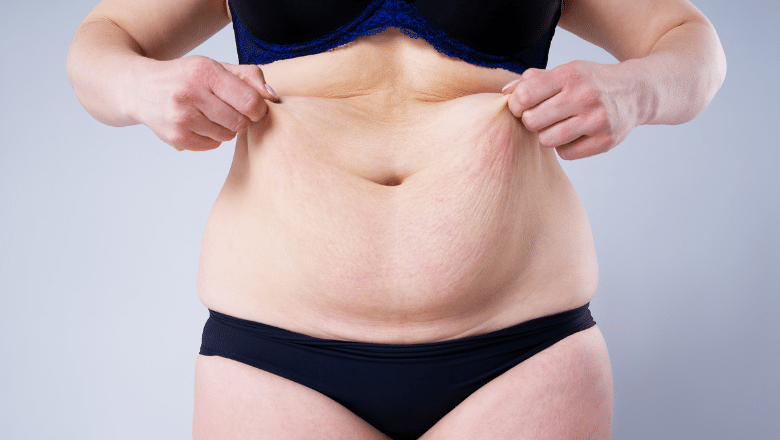
Incorporating exercise into the recovery process requires a careful, strategic approach that prioritises safety and the body’s healing needs. The journey towards reintroducing physical activity should commence with low-intensity exercises, ensuring that the surgical site remains unstrained. A gentle walk around the home or garden at a comfortable pace is an ideal initial step.
As part of the recovery regimen, include range-of-motion exercises — gentle stretching and flexibility exercises play a crucial role in maintaining joint mobility and preventing stiffness. Progress gradually, carefully introducing a wider variety of exercises while paying close attention to medical advice and personal comfort levels. Where possible, engaging in supervised exercise with a physiotherapist offers significant advantages.
The principle of prioritising consistency over intensity cannot be overstated. Regular, gentle movements are far more advantageous than sporadic, intense activities that could potentially hinder the recovery process.
Return to Exercising After Belt Lipectomy
Weeks 1-3: Laying the Foundations for Recovery
- Short Walks: Focus on light ambulation within your home or nearby surroundings. The objective here isn’t to achieve distance or speed but to gently mobilise your body, promoting blood circulation and preventing the risks of prolonged immobility.
- Deep Breathing Exercises: These are invaluable for sustaining lung health. Beyond physical benefits, deep breathing fosters relaxation and can significantly support recovery.
- Gentle Stretching: Aiming to maintain flexibility and ward off stiffness that may result from decreased activity levels. Perform gentle, controlled stretches that do not put pressure on the surgical area.
Weeks 4-7: Gradual Increase in Physical Activity
- Extended Walk Duration: Slowly increase the length of your walks to gradually build endurance and strength.
- Introduction of Low-Impact Activities: Swimming or gentle yoga can be particularly beneficial during this phase, provided they’re appropriately modified to mitigate stress on the healing sites.
- Mindful Movement: This phase calls for heightened awareness of how your body reacts to increased physical activity. Listen to your body and modify your exercise routine based on its feedback.
Week 8 Onwards: Advancing Towards Pre-Surgery Exercise Levels
- Reintroduction of Previous Exercises: Gradually incorporate exercises from your pre-surgery routine, paying close attention to maintaining correct form to prevent injuries.
- Responsive Adjustment: Be vigilant about how your body responds. Any discomfort or pain necessitates a reassessment and possible reduction of activity levels.
- Cautious Avoidance of Strenuous Activities: Until receiving explicit approval from your surgeon, steer clear of high-impact sports, heavy lifting, and vigorous aerobic exercises that could jeopardise your recovery.
Recovery After Belt Lipectomy
Recovering from a belt lipectomy requires a holistic approach that extends beyond the gradual resumption of physical activities.
Emphasising Hydration for Optimal Healing
Hydration plays a pivotal role in the body’s healing mechanism. Strive to consume at least eight glasses of water daily, avoid drinks that may lead to dehydration such as caffeine or alcohol, and consider infusing water with lemon or cucumber if plain water doesn’t appeal to you.
Choosing Comfortable Clothing for Healing
Opt for loose and breathable garments that allow for adequate air flow without pressing against the skin, ideally made from cotton or gentle blends. Select clothes that are easy to put on and take off, considering any temporary mobility restrictions.
Maintaining Good Posture
Choose chairs that promote an upright posture with ample back support, and maintain awareness of your posture — keeping your shoulders back and spine neutral whether standing or sitting.
Integrating Warm-Up and Cool-Down Routines
Warm-up routines gradually increase your heart rate and circulation, readying your joints and muscles for exercise and minimising injury risk. Cooling down helps gradually reduce your heart rate and initiate muscle recovery, while gentle stretching alleviates muscle tightness and soreness.
Nutrition’s Role in Healing
Incorporate a diverse array of fruits, vegetables, lean proteins, and whole grains into your meals to support your body’s repair processes. Limit intake of processed foods, high-sugar treats, and excessive fats, as these can hinder the body’s healing capabilities.
Prioritising Sleep and Rest
Aim for 7-9 hours of high-quality sleep each night, fostering a tranquil sleeping environment and maintaining a consistent sleep schedule. Permit yourself short, rejuvenating naps if you experience daytime fatigue.
FAQs about Exercising After a Belt Lipectomy

When is it safe to start exercising after my belt lipectomy?
The journey back to exercise should always begin with guidance from your surgical team. Typically, light activities such as walking are encouraged in the initial days after the procedure to enhance blood circulation and mitigate the risk of complications. More demanding physical activities often require a waiting period — generally around 6 to 8 weeks post-surgery, contingent upon how your body is healing. Follow your surgeon’s advice and do not rush this process.
What kind of exercises are advisable in the early stages after my surgery?
In the weeks immediately following your surgery, the emphasis should be on gentle, low-impact exercises. Starting with short, regular walks can be beneficial, aiming not to test your endurance or speed but to maintain muscle tone and promote good circulation. Adding simple stretching to your routine, while being cautious not to stress your surgical area, can also help maintain your flexibility.
How can I tell if I’m overexerting myself with exercise after surgery?
Signs of overexertion include increased pain, swelling or redness around the surgical area, pronounced tiredness, or changes in the appearance of your incision such as discharge. If you notice any of these warning signs, dial back on your exercises and get in touch with your surgical team at Centre for Surgery for further advice.
Can exercise aid my recovery after a belt lipectomy?
Absolutely. Engaging in the right type of exercise can significantly contribute to a smoother, quicker recovery. Physical activities, particularly walking and stretching, can enhance circulation — which is crucial for effective healing — and aid in managing swelling by facilitating the movement of fluids within the body.
Are there specific exercises I should avoid following my belt lipectomy?
Until your surgeon has given you the green light, it’s wise to steer clear of high-impact exercises, strenuous weightlifting, and any activities that place significant stress on the abdomen. This includes jogging, intense core exercises, and heavy lifting. Reintroduce these exercises gradually, preferably under the supervision of a fitness professional who is aware of your surgical history.
Why Choose Centre for Surgery for Your Belt Lipectomy?
At Centre for Surgery, we pride ourselves on our patient-centred approach, cutting-edge techniques, and a warm, welcoming environment. Our surgeons are leaders in the field of plastic surgery, each with years of specialised experience. We understand the intricacies of belt lipectomy and are committed to providing bespoke care tailored to your individual needs and goals.
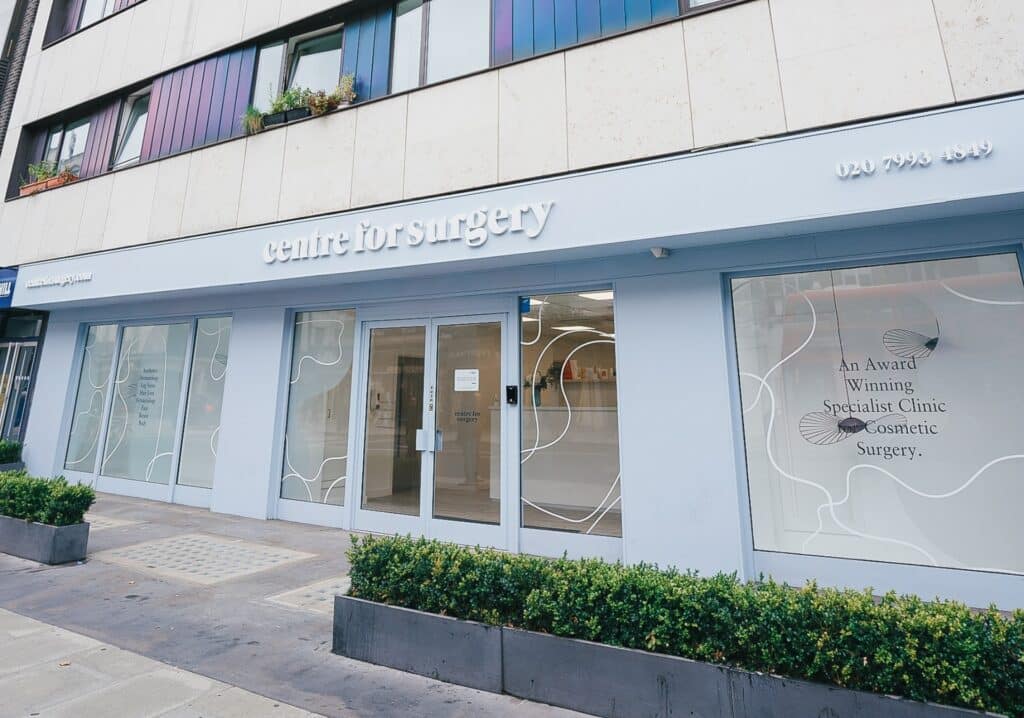
From your initial consultation to post-surgery follow-up, our dedicated team is here to support you every step of the way. Our clinic on Baker Street is equipped with the latest technology, offering a safe, advanced environment for your surgery and recovery.
Centre for Surgery offers a range of finance options, including 0% APR and tailored plans through Chrysalis Finance, making your transformative journey accessible and stress-free.
To book a consultation: 📞 0207 993 4849 | 📧 contact@centreforsurgery.com | 📍 95-97 Baker Street, London W1U 6RN
Visit our About Us page, explore our finance options, read our Plastic Surgery Blog, check our Clinic FAQs, or learn more about our Baker Street clinic.
[contact-form-7 id=”256″ title=”Treatments form”]