

RELATED: Gynecomastia Surgery FAQs – Q&A about Male Breast Reduction
What causes Gyno?
- Certain medications, such as anti-androgens, anabolic steroids, and some psychiatric drugs
- Some herbal or essential oil products, like tea tree or lavender
- Alcohol or marijuana use
- Genetics
What is Male Breast Reduction Surgery?
Male breast reduction surgery (also called reduction mammoplasty) is a procedure that reduces enlarged male breast tissue and helps create a flatter, more natural-looking chest. The goal is not only to remove the excess tissue, but also to improve the overall chest shape so it looks more typically masculine. In some cases, depending on the amount of tissue or loose skin present, the surgeon may also reposition the nipples to ensure they sit in a natural position on the chest.
Preparing for a Smooth Recovery After Male Breast Reduction Surgery
One of the most important steps is selecting a highly qualified plastic surgeon who specialises in male breast reduction. Their experience can reduce the risk of complications and improve your overall results. Looking at before-and-after photos of patients who underwent gynecomastia surgery with the same surgeon can help inform decision-making.
Before the procedure, you should be in good physical and mental health. This helps reduce risks during surgery and supports a smoother recovery afterwards. If you are not ready, it is usually better to delay the operation until you are.
Smoking causes delayed healing and increases the risk of infection. Smoking should be stopped at least 4 weeks before and after surgery.
Comprehensive Guidelines for an Effective Recovery After Male Breast Reduction Surgery
Recovery after male breast reduction surgery can involve some discomfort, swelling, and healing time. Following the right aftercare steps can make the process much easier and help improve results.
Get plenty of rest and sleep well
Sleep is essential for healing. It is recommended to sleep on your back at a 45-degree angle for the first two weeks to avoid pressure on the chest and surgical area.
Protect your skin from the sun
Sun exposure can darken scars and make them more noticeable. If your scars are exposed, use sunscreen once the area has fully healed.
Stay well hydrated
Drinking enough water supports healing, helps your skin recover, and reduces the risk of complications.
Wear loose, comfortable clothing
Soft, breathable clothing makes movement easier and prevents irritation around the surgical area.
Avoid driving at first
You may be taking pain medication, which can affect your ability to drive safely. It is usually best to avoid driving during the early recovery period.
Follow all post-operative instructions
It’s normal to expect bruising, swelling, and some mild discomfort. Follow your surgeon’s aftercare advice and take any prescribed medication as directed.
Wear compression garments as advised
Compression garments or binders help reduce swelling and prevent fluid build-up. These are typically worn for around four weeks and should fit properly, not too tight or too loose.
Use ice packs safely
Ice packs can help reduce swelling and pain, but they should never be applied directly to the skin. Always wrap them in a cloth or towel.
Take medication on time
Pain relief and antibiotics should be taken as prescribed. Avoid alcohol, especially while taking medication, as it can interfere with healing.
Expect bruising and swelling
Bruising is normal and usually improves within two to three weeks. If it worsens or persists, contact your surgeon.
Avoid strenuous activity
Be careful when bathing
Sponge baths are usually recommended for the first couple of days. After that, showers may be allowed, but the surgical area should be kept as dry as possible.
Take care of your wound
Keep the area clean, dry, and properly covered until your surgeon advises otherwise.
Check medication safety
Some medications, such as aspirin, can increase bleeding risk, so always check with your surgeon before taking anything new.
Plan time off work
Most people return to work after around two weeks, but this may be longer if your job is physically demanding or involves sun exposure.
Attend follow-up appointments
Regular check-ups are important for monitoring healing and ensuring everything is progressing as expected.
Recovery timeline after gynecomastia surgery
Knowing what to expect after gynecomastia surgery can help you plan ahead and feel more prepared during your recovery.
2–3 days after surgery:
What you may feel
In the first few days after surgery, it is normal to experience pain, tenderness, swelling, and some numbness in the chest area. Some people may also feel nauseous due to anaesthesia.
Medication and care
Your surgeon will usually prescribe pain relief and antibiotics to support healing and reduce the risk of infection.
Support at home
You may need help with everyday tasks such as cooking, cleaning, and general movement, as your activity level will be limited at this stage.
Appearance of the chest
You will notice an immediate change after surgery, but the chest may still look swollen and not reflect the final result.
Key focus
Rest is the most important part of recovery at this stage. Taking it easy helps your body heal properly and reduces the risk of complications.
1 Week After Gynecomastia Surgery:
Symptoms
By this stage, pain and discomfort usually reduce significantly, though some mild swelling or tightness may persist.
Returning to work
If your job is not physically demanding, you can often return to work after about a week.
Activity restrictions
You should still avoid any activities that strain the chest muscles, such as lifting, pushing, or upper-body workouts.
Stitches
If non-dissolvable stitches were used, your surgeon may remove them around this time.
Sleeping position
Continue sleeping on your back and avoid sleeping on your side or stomach to protect the healing area.
Compression garment
It is important to keep wearing your compression garment as instructed by your surgeon to support healing and reduce swelling.
2 Weeks After Gynecomastia Surgery
How you may feel
By this point, most men feel much closer to normal and can return to most day-to-day activities.
Exercise and activity
You should still avoid any heavy exercise or strenuous upper-body workouts, especially anything involving the chest muscles.
Sleeping position
You may be able to start sleeping on your side, but only if your surgeon confirms it is safe.
3-4 Weeks After Gynecomastia Surgery
Swelling
Most of the swelling should noticeably reduce by the end of week four.
Compression garment
Many patients can stop wearing the compression garment around this time, depending on their surgeon’s advice.
Healing and bathing
Incisions are usually healed enough to allow a return to normal bathing routines.
Results
The final shape of the chest becomes clearer as swelling and bruising continue to fade.
6 Weeks After Gynecomastia Surgery
Recovery stage
At around six weeks, recovery is generally considered complete for most patients.
Exercise
Sleeping and daily life
All sleeping positions and normal daily activities can typically be resumed without restrictions.
Warning signs to watch for after gynecomastia surgery
After gynecomastia surgery, it is important to watch for any signs that healing may not be progressing properly. Before your operation, you should also make sure you understand who to contact in case of an emergency, and keep your surgeon’s emergency number easily accessible.
Here are the main warning signs to look out for:
1. Possible infection
Signs may include unusual discharge, oozing, or bleeding from the incision areas.
If this happens, you should contact your surgeon straight away for assessment and treatment.
2. Fever
A fever after surgery can sometimes indicate an infection.
You should seek medical advice as soon as possible if this occurs.
3. Swelling or pain in the leg (possible blood clot)
Ongoing swelling or pain in one leg may indicate a blood clot.
This is serious and needs urgent medical attention.
4. Shortness of breath
Difficulty breathing can be a sign of a serious complication and should be treated as an emergency.
Seek immediate medical help or go to the nearest emergency department.
5. Severe or worsening pain
Some pain is normal after surgery, but you should contact your surgeon if you experience severe or increasing pain.
6. Constipation that does not improve
Constipation can happen after surgery, especially due to pain medication.
If it continues despite using stool softeners, you should speak to your surgeon for advice.
FAQs on Recovery After Gynecomastia Surgery
How can I speed up recovery after gynecomastia surgery?
The best way to recover quickly is to follow your surgeon’s instructions carefully. Rest well, eat a healthy, balanced diet, keep the wound area clean, and take any prescribed medication on time.
How long does swelling last?
Swelling is normal after surgery. Most of it usually improves by around 6 weeks, although minor changes can continue for longer.
How long do I need to wear a compression vest?
Most people need to wear a compression vest for at least 4 weeks. It helps reduce swelling and supports healing.
How much time off work will I need?
Most people take 1 to 2 weeks off work. If your job is physically demanding, you may need longer.
When can I sleep on my side?
You should avoid sleeping on your side for around 3 to 4 weeks, or until your surgeon says it is safe.
Can I shower after surgery?
You can usually shower after about a day, but you should avoid letting water directly hit the incision sites.
Will I be in pain after surgery?
Most people experience mild to moderate soreness rather than severe pain. This is usually manageable with prescribed pain relief and improves within a few days.
What should I eat during recovery?
A healthy diet helps healing. Focus on protein, fruit, vegetables, and good hydration. Soft foods may be easier for the first couple of days.
When can I exercise again?
You should avoid exercise for at least 3 to 4 weeks. Strenuous activity should only be resumed once your surgeon confirms it is safe.
How long does full recovery take?
Most recovery takes around 4 to 6 weeks, depending on the individual and the extent of surgery.
Will I have scars?
Yes, but surgeons place incisions carefully to minimise scars. Scars usually fade over time and are often minimal.
How long does the surgery take?
The operation usually takes between 1 and 2 hours.
What should I do if my chest doesn’t look flat after surgery?
Final results can take several months. Swelling can take time to fully settle, so it’s best to wait at least 6 months before judging the outcome.
Can gynecomastia come back?
It is uncommon, but it can return in some cases, especially due to hormonal changes, weight gain, or certain medications.
RELATED: What do gynecomastia scars look like?
RELATED: Can gynecomastia come back after surgery?
Why choose Centre for Surgery?
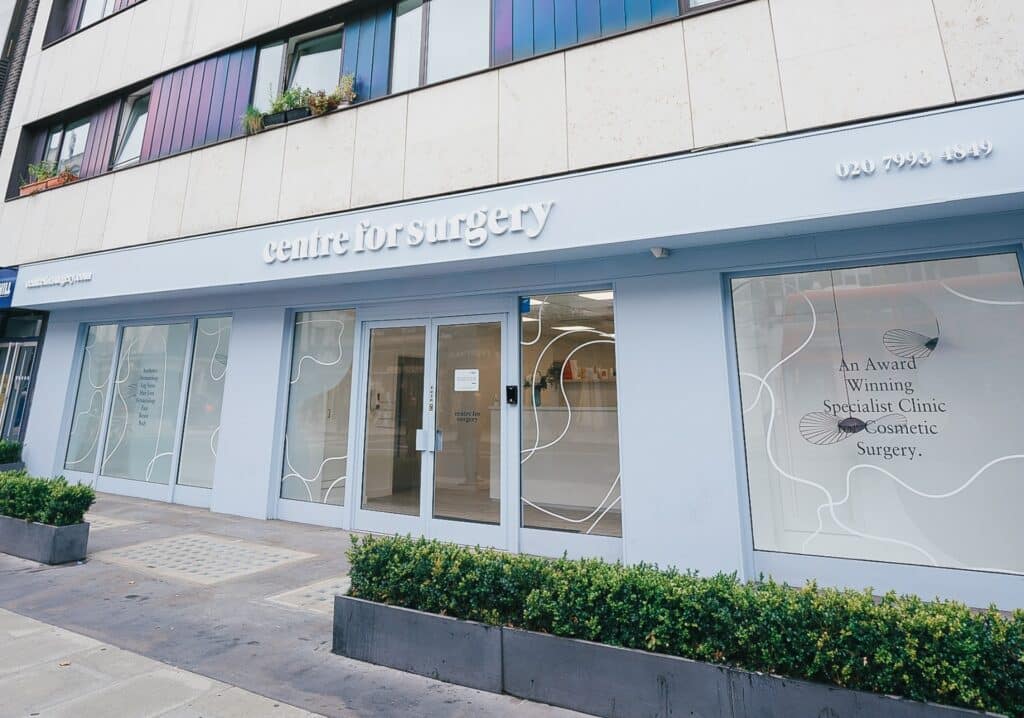
Centre for Surgery is a London-based clinic specialising in gynecomastia treatment, offering experienced surgeons, modern facilities, and tailored care plans with clear guidance throughout the process.
Patient Testimonials
- “The team at Centre for Surgery were incredibly supportive throughout my entire experience. My results have exceeded my expectations, and I couldn’t be happier!” – John D.
- “My surgery went smoothly, and the post-op care was nothing short of phenomenal. A big thanks to everyone involved!” – Sarah L.
- “I was nervous going into the surgery, but the knowledgeable and compassionate team put all my fears to rest. Highly recommended.” – Robert M.
Convenient Location
Our clinic is strategically located at 95-97 Baker Street, London, making it easily accessible by both public and private transport.
Consultation Booking
Ready to take the next step? Contact us for a comprehensive consultation to discuss your needs and determine the best treatment plan for you.
📞 Phone: 0207 993 4849
📧 Email: contact@centreforsurgery.com
📍 Address: 95-97 Baker Street, London W1U 6RN
For more in-depth information on gynecomastia surgery and other plastic surgery procedures, don’t hesitate to visit our Plastic Surgery Blog.
Take the first step towards a more confident you. Choose Centre for Surgery for your gynecomastia surgery in London.
[contact-form-7 id=”256″ title=”Treatments form”]