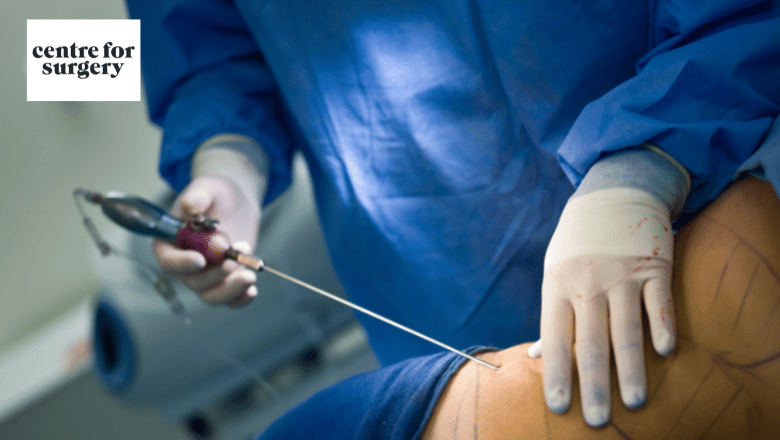
The first ever recorded liposuction procedure was performed in 1920 by a French doctor called Charles Dujarier. He used a large syringe with a metal cannula (a thin tube) attached to it to remove unwanted fat from the abdomen of a patient. However, during this time, there was a high risk of complication as a result of the procedure and so it was largely abandoned.
In the 1970s, an Italian gynaecologist called Giorgio Fischer developed a new liposuction technique using a small cannula and a syringe to suction out fat. This technique became known as the “Fischer technique,” was it was thought to be less invasive, with a lower complication rate.
The Development of Tumescent Liposuction
In 1985, an American plastic surgeon called Dr Jeffrey Klein introduced a new liposuction technique, the tumescent technique.
The tumescent technique involves injecting a large amount of a diluted local anaesthetic (lidocaine) and epinephrine solution into the area before suctioning out the fat. The benefits of this technique include:
- Reduced bleeding and bruising: The tumescent solution constricts blood vessels in the treatment area, which reduces bleeding and bruising.
- Less pain: The local anaesthetic in the solution numbs the treatment area, which makes the procedure less painful.
- Faster recovery time: As there is less bleeding and bruising, patients typically recover more quickly than with traditional liposuction techniques.
- Improved precision: The tumescent solution causes the fat cells to become swollen and firm, which makes them much easier to remove. This allows for a more precise and smooth contouring.
- Greater safety: Tumescent liposuction is considered one of the safest liposuction techniques, and there is a low risk of complications. It is less invasive than traditional liposuction.
- Smaller incisions: Tumescent liposuction requires smaller incisions than traditional liposuction, which results in less scarring.
- Can be used for large-volume liposuction: Tumescent liposuction is ideal for large-volume liposuction. It enables the surgeon to remove large amounts of fat in a single session.
Further Advancements in Liposuction
In the 1990s, new technologies began to develop. This includes ultrasound and laser-assisted liposuction. Ultrasound-assisted liposuction (UAL) uses ultrasound energy to break up fat cells before suctioning them out. Laser-assisted liposuction (LAL) uses laser energy to melt the fat before suctioning it out.
In the 2000s, power-assisted liposuction (PAL) and water-jet-assisted liposuction (WAL) were developed. These technologies use a special cannula that oscillates rapidly to break up and remove fat. This further improved the procedure’s results and reduced the risk of complications.
Minimally Invasive Liposuction Techniques
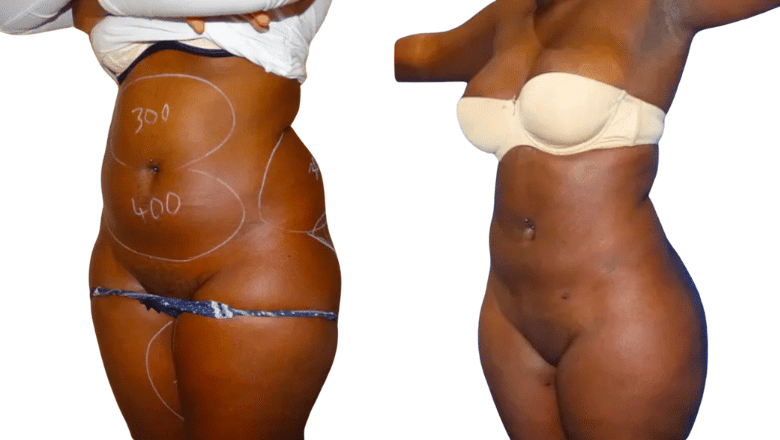
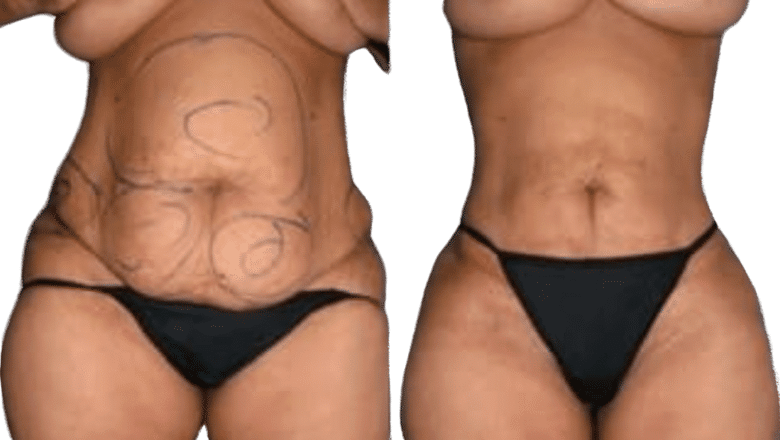
The above mentioned developments suggests that there has been a trend towards minimally invasive liposuction techniques.

RELATED: What are the different types of liposuction?
Laser Liposuction vs Vaser Liposuction
Laser liposuction and VASER liposuction are two different techniques used to remove unwanted fat from parts of the body. Both methods use energy to break down and remove fat, but they rely on different forms of energy.
Laser Liposuction
Laser liposuction is also known as laser-assisted liposuction (LAL). It uses laser energy to melt the fat before it is suctioned out. The laser energy is delivered to the treatment area through a small cannula (thin tube) that is inserted through a small incision. The laser energy causes the fat cells to rupture and melt, which makes them easier to remove.
Benefits of Laser Liposuction:
- The heat generated by the laser energy causes the skin to tighten and contract, which can result in the skin looking more youthful.
- The laser energy causes the blood vessels in the treatment area to constrict, which reduces bleeding and bruising.
- The procedure is less invasive than traditional liposuction, which means there is a lower risk of complications.
- It can be used for large-volume liposuction.
Vaser Liposuction
Vaser liposuction is also known as ultrasound-assisted liposuction (UAL). It uses ultrasound energy to break up the fat cells before they are suctioned out. The ultrasound energy is delivered to the treatment area via a small cannula inserted through a small incision. The ultrasound energy causes fat cells to rupture and become looser, making them easier to remove.
Benefits of Vaser Liposuction:
- Ultrasound energy targets the fat cells, allowing for more precise contouring.
- Ultrasound energy also constricts blood vessels in the treatment area, which reduces bleeding and bruising.
- The procedure is less invasive than traditional liposuction, and so there is a lower risk of complications.
- It can be used for large-volume liposuction.
- Vaser liposuction effectively removes fat in fibrous areas, such as the male chest and back, which can be difficult to target with traditional liposuction techniques.
Laser liposuction uses laser energy to melt the fat, while Vaser liposuction uses ultrasound energy to break up the fat cells. Both techniques have their own advantages and limitations, as set out above.
Liposuction has come a long way, and the development of new techniques and technologies have made the procedure safer and more effective. Liposuction is among the most popular cosmetic procedures worldwide. Advancements in liposuction techniques and technologies have made the procedure less invasive, leading to less pain and faster recovery. Patients must consult a qualified surgeon experienced in the latest techniques and technologies to achieve the best results.
RELATED: What is the most effective type of liposuction?
Liposuction at Centre for Surgery
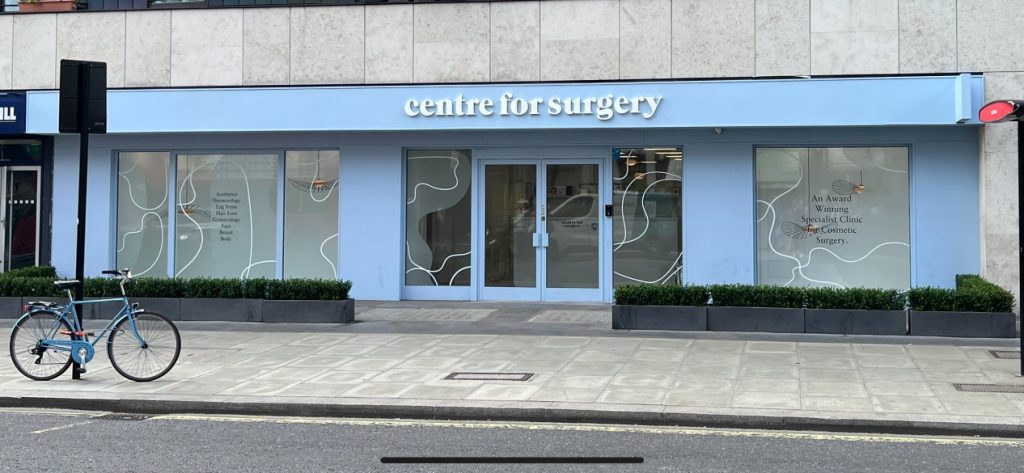
Liposuction is one of our most popular procedures at Centre for Surgery in London. We are home to some of the best liposuction surgeons in the UK, all with significant experience across all types of liposuction. Achieving the best liposuction results is more dependent on choosing a qualified and experienced plastic surgeon than on the specific liposuction technique. Call us today on 020 7993 4849 to learn more about Liposuction and schedule a face-to-face consultation at our state-of-the-art plastic surgery clinic in Marylebone, central London.
[contact-form-7 id=”256″ title=”Treatments form”]