
Fat transfer results are long-lasting when performed by an expert fat transfer surgeon in London. Your fat transfer surgeon will give you a clear idea of how long your results could last when you are assessed at your face-to-face consultation.
Are fat transfer results permanent?
Fat transfer is a permanent solution to address areas of volume loss. It is essential, however, to bear in mind that not all fat will survive in its new location. Fat transfer surgery must be performed by a plastic surgeon experienced in the technique to ensure the highest fat cell survival rates. Removing fat using liposuction is a key initial step in the fat transfer procedure, and liposuction must be performed gently to maximise the survival of the delicate fat cells. Every type of fat transfer procedure involves a small amount of fat reabsorption, averaging 20-40%. Once healthy fat is retained in the injected area, it behaves like normal fat and increases or decreases with weight gain or loss. As with all types of fat, fat cells may decrease over time as part of the natural ageing process; however, this may take many years to occur, especially in younger patients.
RELATED: What types of fat transfer can I have?
Factors that can affect fat transfer results
Type of fat transfer technique used
Macro fat grafting is used for large-volume fat transfer, such as for fat transfer to the buttocks or breast fat transfer. Microfat and nanofat are more appropriate for face fat transfer.
RELATED: Recovery After Fat Transfer: Top Tips for Quicker Healing
Surgeon’s skill and experience
Specialist fat transfer surgeons are better placed to carry out fat transfer procedures with the highest fat cell survival rates. The technique of performing liposuction and the purification process used before fat injection are key steps that must be performed meticulously. An experienced fat transfer surgeon will know how to carry out these steps with skill and precision.
Your overall state of medical health
Fat that has been transferred must establish itself in the new location by developing a blood supply, ensuring that the fat cells receive nutrients and leading to their long-term survival. Once this process has occurred, fat transfer is a permanent procedure. There is always a small percentage of fat which does not survive the fat transfer, and your overall state of health can impact this, with smokers and those with chronic medical conditions such as diabetes having much lower rates of fat cell survival.
RELATED: Breast Implants vs Fat Transfer
The principle of any fat transfer procedure is to inject fat into areas with the best blood supply. This is why fat transfer to the face is such a successful procedure: the blood supply to the face is highly developed, so any transferred fat has a very high survival rate. Fat transfer to the buttocks, also known as a Brazilian butt lift, has lower rates of fat cell survival due to the less well-developed blood supply.
RELATED: How To Get The Best Fat Transfer Results
How long does fat transfer to the buttocks last?
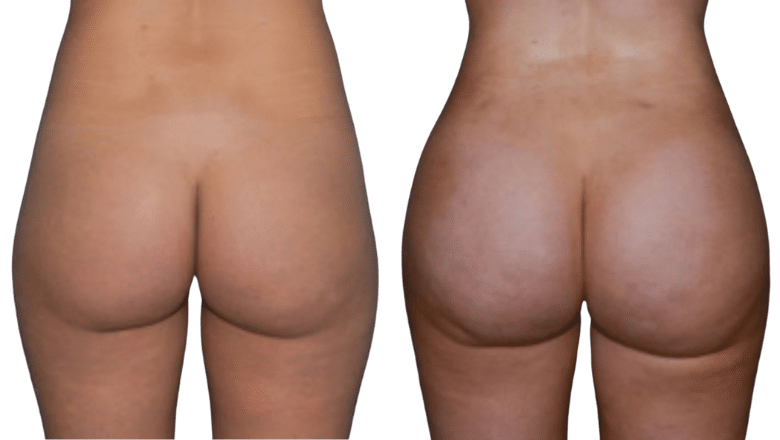
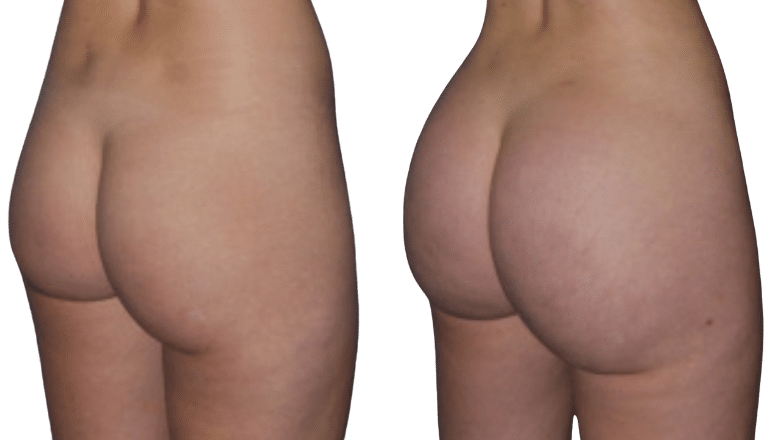
Fat transfer to the buttocks, also known as a Brazilian butt lift (BBL), is a popular body-contouring procedure at the Centre for Surgery in London. The procedure involves removing fat from the abdomen, hips, and thighs as part of a 360-degree liposuction, followed by the injection of fat into the buttocks. The Brazilian butt lift is a permanent procedure and should last for many years once the fat has become integrated into the existing buttock fat. Unlike a non-surgical buttock lift using Sculptra, the Brazilian butt lift does not require further top-up procedures later. You must not sit on your buttocks for the first two weeks after a BBL procedure to maximise the survival of transferred fat.
RELATED: Is the Brazilian Butt Lift Safe?
RELATED: Is a Brazilian Butt Lift Permanent?
What are the side effects of fat transfer?
There are several recognised side effects with any fat transfer procedure, regardless of where the fat is injected. Fat transfer is a very safe procedure performed by an expert surgeon at the Centre for Surgery in London. Typical fat transfer side effects include:
- A mild degree of bruising and swelling, which will settle down after the first two weeks
- Temporary numbness, most commonly as a result of post-operative swelling
- Tiny incisions are used for fat transfer surgery, and these will become inconspicuous over time
- Some fat may be reabsorbed, leading to reduced volume enhancement during the first two weeks. Any fat that survives the first four weeks can be considered to be permanent.
RELATED: Is the fat transfer procedure painful?
[contact-form-7 id=”256″ title=”Treatments form”]