
FaceTite results last around five years on average, though the range is wide — some patients see results plateau after 12 to 18 months, others maintain visible tightening for seven years or more. The variation is driven mainly by skin quality at the time of treatment, sun exposure, smoking, and weight stability.
It is important to be clear about what “lasting” means: FaceTite does not freeze the ageing process. Skin continues to age normally after treatment, but starts from a tighter baseline. The treated tissue ages alongside the untreated rest of the body — it doesn’t suddenly relapse.
How FaceTite works
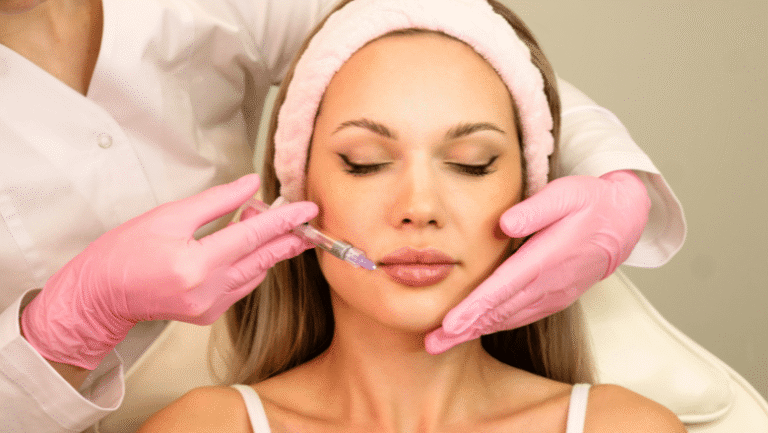
FaceTite uses bipolar radiofrequency delivered through a small probe inserted under the skin via a single 2 mm entry point, paired with an electrode that runs along the surface. The energy field between the two heats the subcutaneous tissue to around 70°C, which causes immediate collagen contraction and stimulates new collagen formation over the following months.
Because the probe is internal, the treatment reaches deeper tissue than surface-only devices like radiofrequency microneedling. This is why FaceTite produces stronger tightening than non-invasive alternatives — and why a single treatment can match what would take three or four sessions of Morpheus8 to achieve in some patients.
The technology was developed by InMode and is approved by both MHRA and FDA for soft tissue contraction.
RELATED: FaceTite FAQs
What affects how long results last
Starting skin quality. Patients with thicker skin and intact elastin retain results longer. Heavy sun damage at the outset means the underlying collagen scaffold is already compromised, and tightening relapses faster.
Sun exposure after treatment. UV breaks down both old and newly formed collagen. Daily SPF 50 is the single most important factor in maintaining results.
Smoking. Nicotine impairs collagen synthesis and accelerates skin ageing. Smokers typically see noticeable relapse two to three years earlier than non-smokers.
Weight changes. Significant weight gain or loss after FaceTite stretches or deflates the treated tissue, undoing some of the contraction.
Anatomical area. The under-chin and jawline tend to hold results longest. The cheeks and around the mouth, which see more daily movement, tend to relapse earlier.
Recovery
Swelling and bruising peak at 24–48 hours and settle over the following week. A compression garment is worn around the clock for the first 24 hours and then at night for two weeks. Most patients return to office work after 5–7 days, though residual swelling may still be noticeable.
Numbness in the treated area is normal for the first 4–6 weeks as the small superficial nerves settle. Final results are visible at three to six months, when the new collagen has fully formed.
RELATED: FaceTite vs Mini Facelift
Cost
FaceTite at Centre for Surgery starts from £4,000 and rises to around £6,000 depending on the number of areas treated. The lower jaw and neck combined typically sits at the upper end of that range; targeted treatment of a single area is at the lower end.
RELATED: How Much Does FaceTite Cost?
FaceTite vs surgical facelift
FaceTite is not a substitute for a facelift in patients with significant skin laxity. The two procedures address different problems:
A facelift removes excess skin and repositions the SMAS layer beneath. It is the only intervention that produces a clean result when there is loose, hanging tissue.
FaceTite tightens existing skin without removing any. It works best in patients with mild to moderate laxity who don’t yet need surgical excision. For the right patient, it can delay the need for a facelift by several years; for the wrong patient, it produces an underwhelming result.
A consultation establishes which side of that line each patient sits on.
Booking a consultation
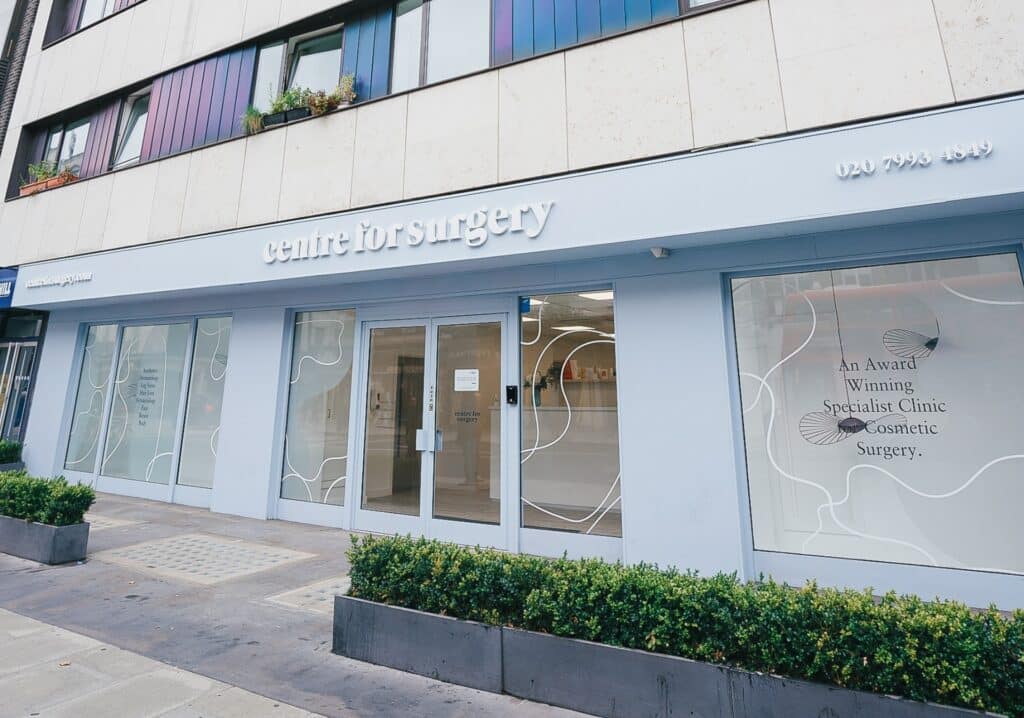
For a FaceTite assessment at our Baker Street clinic, call 0207 993 4849 or email contact@centreforsurgery.com. Finance options including 0% APR are available through Chrysalis Finance.
[contact-form-7 id=”256″ title=”Treatments form”]