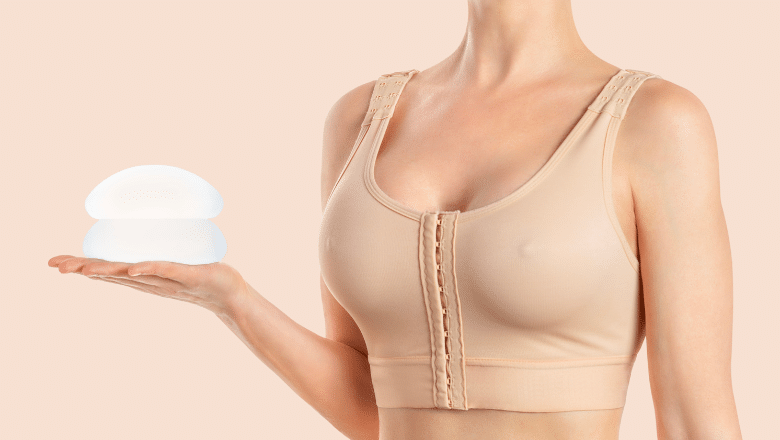
When considering breast augmentation, many focus on the aesthetic outcomes without considering the physical implications of implant weight. The weight of breast implants varies significantly based on the size of the enhancement you choose. Additionally, differences in implant types and the manufacturing techniques of various companies, such as Silimed, Mentor, and Motiva, contribute to weight variations. These differences aren’t merely technical details; they can profoundly impact the surgical procedure and the following recovery process. Understanding the role of implant weight is essential for anyone considering this transformative surgery.
RELATED: Breast Implant Options
Typical Weights of Silicone and Saline Breast Implants
Two primary types of implants are commonly used: silicone and saline. While they may seem similar in size and appearance, there are subtle differences in their weights that potential patients should be aware of.
RELATED: How To Choose The Best Breast Implants
Silicone Breast Implants
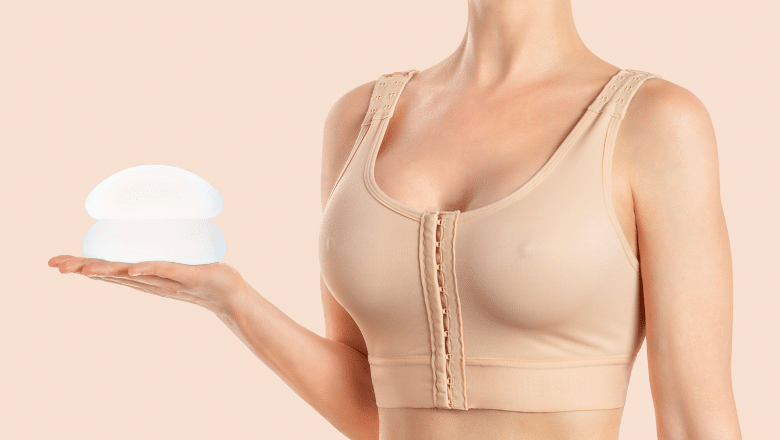
Silicone breast implants are renowned for their natural feel and are a popular choice among many seeking augmentation. These implants tend to weigh slightly more than their saline counterparts, though the difference is generally minimal. To put this into perspective, each cubic centimetre (cc) of silicone gel used in an implant weighs approximately one gram. This means that a silicone implant with a volume of 200cc would weigh about 200 grams. If you’re considering a larger size, such as a 300cc implant, the weight would proportionally increase to around 300 grams.
It’s important to remember that implants are typically placed in both breasts during augmentation procedures. Therefore, the total added weight to your body would be double that of a single implant. So, if you opt for 200cc implants in both breasts, you would be adding approximately 400 grams to your overall body weight.
Saline Breast Implants
Saline breast implants offer an alternative to silicone implants and are filled with a sterile saltwater solution. These implants are slightly lighter than silicone implants due to the lower saline density compared to silicone gel. Specifically, each cubic centimetre of saline solution weighs just under one gram. This means that a 200cc saline implant would weigh approximately 190 grams — slightly less than a silicone implant of the same volume.
RELATED: Silicone vs Saline Breast Implants
The Influence of Breast Implant Weight on Your Surgical Experience
The implant’s weight not only alters the aesthetic outcome but also affects the surgical techniques used, the healing process, and the potential for scarring.
Impact on Surgical Techniques
The weight of the implants you choose significantly determines the surgical approach your surgeon may adopt. Heavier implants often require additional support to ensure they settle correctly and maintain their position over time. In such cases, surgeons might opt to place the implant beneath the pectoral muscle — a method known as subpectoral placement.
On the other hand, lighter or smaller implants may not necessitate this additional support. The decision between subpectoral and prepectoral placement isn’t solely based on implant weight; your surgeon will also consider factors like your anatomy, skin elasticity, and aesthetic goals.
Effects on Recovery Duration
The weight of your breast implants can influence not only the surgical procedure but also the length and nature of your recovery period. Heavier implants exert more pressure on the surrounding tissues and blood vessels during the healing process. This increased pressure can lead to more pronounced swelling and bruising, which may extend the time it takes for your body to recover fully.
RELATED: Recovery After Breast Augmentation Surgery – Top Tips
Choosing a highly experienced breast augmentation surgeon is crucial in optimising your healing process. A skilled surgeon understands the nuances of working with implants of various weights and sizes.
Considerations for Scarring
Scarring is a natural aspect of any surgical procedure, and the weight of your implants can affect the appearance of these scars during the healing process. Heavier implants may place additional tension on the surgical incisions, especially in the early stages of recovery.
Our specialist breast implant surgeons are adept at minimising scarring risks associated with heavier implants. We also offer laser scar removal treatments to further reduce the visibility of any post-surgical scarring.
Choosing the Perfect Breast Implant Size
Selecting the right size for your breast implants is a pivotal step in your augmentation journey. It’s not merely about choosing a cup size; it’s about finding the ideal fit that complements your body and aligns with your aesthetic aspirations.
Initial Consultation
The journey commences with an in-depth consultation at our clinic, where you’ll meet with an experienced breast augmentation surgeon. During this private meeting, the surgeon will engage in a thorough discussion to understand your aesthetic goals, personal preferences, and any concerns you may have about the procedure.
Physical Examination and Body Proportions
Following the initial discussion, a detailed physical examination is conducted to assess your breast tissue, skin quality, and overall body proportions. Your body’s unique proportions — including your height, weight, shoulder width, and hip measurements — are taken into account to ensure that the selected implants harmonise with your physique.
Customised Implant Selection
The surgeon will guide you through the options available, including discussing the different types of implants and their respective advantages. You’ll explore various implant sizes, shapes (round or teardrop), and profiles to find the combination that best suits your aspirations.
For a full comparison of the implant brands we use, see our guide on Mentor vs Motiva vs Silimed breast implants.
Frequently Asked Questions
What Impact Does Breast Implant Weight Have on the Body?
The weight of breast implants can significantly influence your physical comfort and posture. If implants are too large and not proportionate to your body’s frame or the physical activities you engage in, they may cause discomfort, such as neck, back, and shoulder aches. Consulting with an experienced cosmetic surgeon ensures that the implants chosen are harmonious with your body proportions.
How Are Breast Implants Measured?
Breast implants are gauged by volume, measured in cubic centimetres (cc). This measurement indicates the amount of filler contained within the silicone shell of the implant. The volume directly affects the size and shape of the implant, allowing for precise tailoring to achieve the desired enhancement.
Can Heavier Breast Implants Cause Complications During Recovery?
Opting for implants that are too heavy for your natural breast tissue and skin can place additional strain on your surgical incisions. To reduce these risks, it’s crucial to select a skilled breast implant specialist who can recommend an implant size compatible with your body’s capacity to heal effectively.
About Centre for Surgery
Centre for Surgery is a premier cosmetic and plastic surgery clinic located in the United Kingdom, committed to delivering exceptional surgical and non-surgical treatments. Our team consists of highly skilled and experienced surgeons who specialise in various procedures, including breast augmentation, body contouring, facial rejuvenation and more. We place patient safety and satisfaction at the forefront of our practice, ensuring that everyone receives personalised care tailored to their unique needs and aesthetic aspirations.

[contact-form-7 id=”256″ title=”Treatments form”]