Breast reduction surgery, medically known as reduction mammaplasty, is a transformative procedure that reshapes and reduces overly large breasts to achieve a lighter, more balanced appearance. Many women choose this surgery to relieve physical discomfort, improve posture, and restore confidence in their body shape. One of the most common questions asked during consultation is: How much breast volume can actually be removed?
At Centre for Surgery, we specialise in advanced breast reduction techniques that deliver exceptional, natural-looking results. Our highly experienced plastic surgeons personalise every procedure to each patient’s anatomy and goals, ensuring both aesthetic harmony and long-term comfort.
Situated in the heart of London, our Baker Street hospital provides a calm, private setting for consultations, surgery, and recovery. Patients choose us for our expert care, state-of-the-art facilities, and dedication to patient safety and satisfaction.
RELATED: How to Reduce Breast Size – Natural Remedies or Surgery?
Breast Volume and Reduction Goals
Every woman’s breasts are unique in both size and composition. Some breasts contain more fatty tissue, while others have denser glandular tissue. This balance directly influences how much volume can be safely removed during surgery. On average, a reduction may range from 200 grams to over 1,000 grams per breast, though the amount varies greatly depending on individual anatomy and goals.
The purpose of the procedure isn’t simply to make the breasts smaller. It’s to create a natural, proportionate shape that feels balanced with the rest of the body. A good reduction not only relieves pain and discomfort but also restores confidence and symmetry.
RELATED: Breast Reduction Surgery Before & After Photos
Factors That Determine How Much Volume Can Be Removed
Several factors influence the achievable reduction volume, and understanding these helps patients form realistic expectations.
Breast Size and Tissue Composition
The larger the breasts and the greater the proportion of glandular tissue, the more volume can typically be removed. Glandular tissue provides structure, while fatty tissue contributes to overall volume. Patients with firmer, glandular breasts usually benefit from surgical excision, whereas those with softer, fatty breasts may be suitable for liposuction-based reduction.
Body Frame and Overall Proportion
A balanced aesthetic outcome is key. A petite woman may only need a moderate reduction to achieve harmony, while a taller or broader individual could require more substantial removal. The goal is to maintain proportion and ensure that the final breast size complements the patient’s body shape and frame.
Skin Elasticity and Sagging
Skin quality influences how much tissue can be removed while still maintaining a lifted, youthful breast contour. Patients with significant sagging often benefit from techniques that tighten and reshape the skin envelope, such as the anchor method.
Health and Safety Considerations
Although large reductions are possible, safety always comes first. Excessive removal can compromise the blood supply to the nipple and surrounding tissues. At Centre for Surgery, we use meticulous surgical planning and advanced techniques to maintain circulation and sensation while achieving optimal results.
The Main Breast Reduction Techniques
There is no single approach to breast reduction — the technique is chosen based on the amount of tissue to be removed, the degree of sagging, and the desired final shape.
RELATED: Breast Reduction Surgery Techniques
Anchor (Inverted-T) Technique
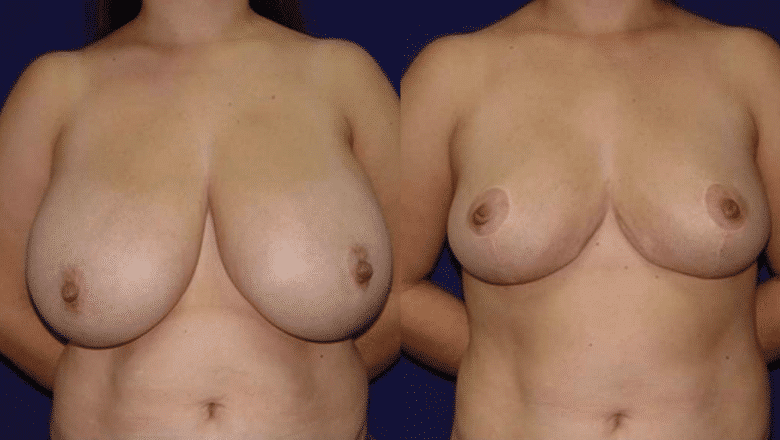
The anchor reduction, also known as the inverted-T method, is the most comprehensive option and ideal for patients seeking a dramatic reduction. It involves three incisions: one around the areola, one vertically down to the breast crease, and one along the crease itself. This allows the surgeon to remove significant amounts of tissue, fat, and skin while lifting and reshaping the breast.
This method provides excellent control over both size and contour, making it suitable for women with very large or heavy breasts. Although it leaves more scarring than other methods, the scars fade well over time and are placed discreetly. The results are transformative, both physically and emotionally.
Vertical (Lollipop) Technique
The vertical technique, often called the “lollipop” reduction, uses two incisions — one around the areola and one vertically down to the crease. It is ideal for women requiring a moderate reduction and a more youthful lift. The vertical method allows precise reshaping with less scarring than the anchor technique.
This approach provides excellent projection and upper pole fullness, maintaining a naturally rounded breast shape. Many women appreciate that it delivers a noticeable improvement with a faster recovery time and less scarring.
RELATED: Anchor vs Lollipop Breast Reduction
Liposuction-Based Breast Reduction
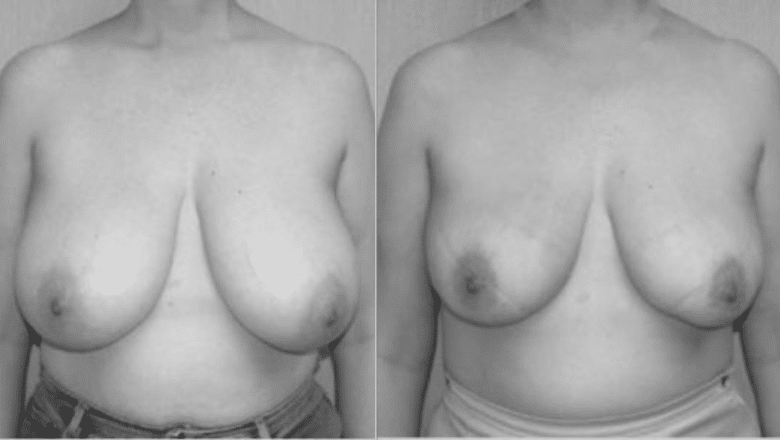
Liposuction-only breast reduction is suitable for patients with breasts primarily made up of fatty tissue and minimal sagging. Small incisions are used to remove fat through fine cannulas, leaving virtually no visible scarring. The technique offers a subtle reduction and can improve symmetry between the breasts.
It’s particularly effective for women seeking a gentle size decrease or those who prefer a minimally invasive approach with a quicker recovery. However, this method is not appropriate for patients requiring significant tissue removal or skin tightening.
Assessing the Volume to Remove
Before surgery, your surgeon will discuss your goals, desired size, and the potential limits based on your anatomy. Breast tissue is measured and weighed during the operation, allowing precise control over how much is removed from each side to maintain perfect symmetry.
In general terms:
-
A small reduction may remove 200–400 grams per breast
-
A moderate reduction may remove 500–800 grams per breast
-
A large reduction may exceed 1,000 grams per breast
Your surgeon’s primary aim is to relieve discomfort while preserving a beautiful, natural breast contour.
How Volume Relates to Cup Size
Cup size reduction is a common way to describe the outcome, but it’s not an exact science. Bra sizing varies between manufacturers, and factors like swelling and healing can affect early measurements. Most women experience a reduction of one to three cup sizes, though the final result depends on individual proportions and goals.
It’s best to think in terms of comfort, symmetry, and shape rather than fixating on a specific cup size. Your surgeon will help set realistic expectations during the consultation.
The Health and Comfort Benefits
Large breasts can cause chronic pain in the neck, shoulders, and back, often accompanied by posture issues and skin irritation beneath the breasts. Many women also experience difficulty finding properly fitting clothing and bras.
After breast reduction, these symptoms often disappear almost immediately. Patients frequently describe feeling lighter, more agile, and more confident. Exercise becomes easier, clothing fits better, and everyday activities no longer cause discomfort. The psychological benefits are equally powerful, with most patients reporting a significant boost in body image and self-esteem.
Recovery After Breast Reduction Surgery

Recovery plays a vital role in achieving the best outcome. After surgery, patients wear a supportive surgical bra to minimise swelling and support healing. Mild discomfort and bruising are expected for the first few days, but this is easily managed with prescribed pain relief.
RELATED: Recovery after Breast Reduction Surgery – Top Tips
You’ll be encouraged to rest and avoid strenuous movement during the initial healing phase. Most patients return to light daily activities within one to two weeks, though heavy lifting and vigorous exercise should be avoided for around six weeks.
Follow-up appointments ensure your healing is progressing well. Your surgeon will provide personalised aftercare instructions to promote smooth recovery and beautiful long-term results.
Scarring and Long-Term Results
Scarring is a natural part of healing. The extent and pattern depend on the technique used, but modern surgical methods minimise visible marks. Scars fade significantly over time, becoming lighter and softer within 12 to 18 months.
RELATED: What Do Breast Reduction Scars Look Like?
To support healing, patients are advised to follow scar management protocols, including moisturising, massage, and avoiding direct sun exposure. With proper care, the scars become barely noticeable and are well hidden beneath clothing or swimwear.
Breast reduction results are long-lasting, offering years of comfort and confidence. Maintaining a stable weight and healthy lifestyle helps preserve your new shape. Ageing and hormonal changes may subtly alter breast tissue over time, but your results will remain significantly improved.
Psychological Impact and Lifestyle Improvement
The emotional benefits of breast reduction cannot be overstated. Many women describe it as life-changing — allowing them to participate in exercise without discomfort, wear the clothes they want, and feel at ease in their bodies.
Improved posture, reduced pain, and better sleep quality all contribute to an enhanced sense of well-being. The procedure provides both functional and aesthetic transformation, helping patients reclaim comfort and self-assurance.
RELATED: Can You Get a Breast Reduction Twice?
Frequently Asked Questions
How do I know if I’m suitable for breast reduction surgery?
You’re likely a good candidate if you experience physical discomfort, skin irritation, or limitations caused by large breasts. During your consultation, your surgeon will assess your breast size, skin quality, and medical history to confirm your suitability.
Can breast reduction surgery affect breastfeeding?
There is a small possibility that breastfeeding may be affected, particularly with large reductions. However, modern surgical techniques aim to preserve the connection between the nipple and milk ducts, allowing many patients to breastfeed successfully in the future.
Will I lose nipple sensation?
Temporary changes in nipple sensation are common during the early stages of recovery. In most cases, sensation gradually returns within several months. Permanent loss of sensitivity is rare when surgery is performed by an experienced surgeon.
How long do the results last?
Results are long-lasting, as the removed tissue will not grow back. However, ageing, pregnancy, and significant weight changes can still alter the breasts’ appearance over time. Maintaining a healthy, stable weight will help preserve your results.
When can I return to work and exercise?
Most patients return to office-based work within one to two weeks. Light walking is encouraged early, but strenuous activity, lifting, or high-impact exercise should be avoided for at least six weeks to allow full healing.
Will my scars be visible?
Scars are positioned carefully to be as discreet as possible. They will initially appear pink and firm but gradually fade and soften over the months following surgery. With proper aftercare, they become much less noticeable.
Why Choose Centre for Surgery
At Centre for Surgery, we are proud to be one of the UK’s leading specialist plastic surgery hospitals. Located at 95-97 Baker Street, London W1U 6RN, our private surgical centre is designed to deliver world-class care in a calm, discreet, and welcoming environment. Our consultants are GMC-registered plastic surgeons with extensive experience in all forms of breast reduction surgery, from anchor and vertical techniques to liposuction-based procedures.
We believe in a personalised approach. Every treatment plan is designed around the individual, taking into account anatomy, lifestyle, and aesthetic goals. Our surgeons combine artistic vision with surgical precision to achieve results that enhance comfort and confidence.
Our patient journey includes detailed consultations, 3D imaging where appropriate, and comprehensive aftercare to ensure a smooth recovery. Safety, compassion, and professionalism are at the heart of everything we do.
To arrange your consultation, please call 0207 993 4849 or email contact@centreforsurgery.com.
Learn more about us by visiting our About Us page.
Meet our expert surgeons on the Team Member page.
View our Before & After Photos and read our FAQs & Guides for further information.
You can also explore our Plastic Surgery Blog for insights and updates, learn more about finance options, and visit our Baker Street Clinic to see where your journey could begin.
[contact-form-7 id=”256″ title=”Treatments form”]