Dog Ears After Double Incision Mastectomy
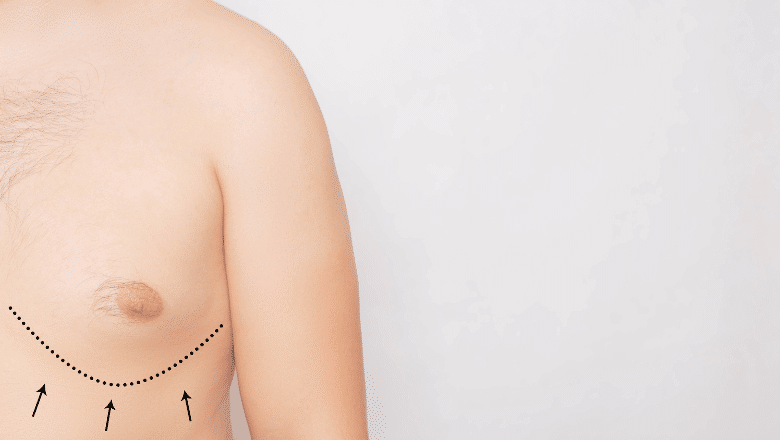
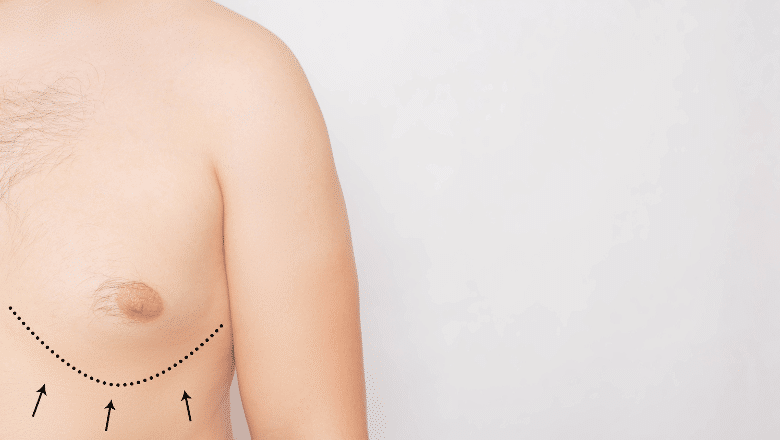
Following a double-incision mastectomy, some patients may develop “dog ears.” This term describes the excess skin and fat that extend and bulge at the ends of the surgical incision, primarily around the chest’s outer edges near the armpit. This puckering effect occurs when the skin doesn’t lay flat against the body contour.
Such occurrences are among the most frequent causes for considering revision surgery after a double incision mastectomy. The emergence of dog ears can be influenced by several factors, regardless of the surgeon’s expertise — including the patient’s skin elasticity, the amount of fat at the incision sites, and the skin’s post-surgical reaction.
At our London clinic, the care following your surgery includes thorough examinations during post-operative appointments. Our surgeons meticulously monitor your healing and progress, ensuring your recovery is as effective and smooth as possible.
RELATED: FTM/N Top Surgery FAQs
How to Minimise the Risk of Dog Ears Following a Double Incision Mastectomy
While the occurrence of “dog ears” following a double-incision mastectomy is not entirely preventable, several approaches can significantly reduce its likelihood. Not all excess skin and fat can be removed entirely during the initial mastectomy, which makes the formation of dog ears a possibility for some patients. However, advancements in surgical techniques have enabled many top surgeons to reduce the risk of this complication consistently.
One effective method involves adding additional liposuction in the areas immediately below the armpits and on the sides of the chest. This technique helps smooth the chest contours and minimise excess skin that could lead to dog ears.
RELATED: Benefits of Combining FTM Top Surgery with Chest Contouring
Furthermore, the likelihood of developing dog ears tends to be lower among transmen who naturally have less skin to remove.
How to Reduce the Risk of Developing Dog Ears After a Double Incision Mastectomy
The formation of “dog ears” can be influenced by several factors. Understanding these can help in minimising their occurrence after surgery.
Physiology and Natural Body Contour
The inherent symmetry and contour of your chest play a significant role in how your skin adjusts after a mastectomy. Every individual’s body structure is unique, which can affect the final surgical outcome.
Maintaining Ideal Weight
Being at or near your ideal weight before undergoing a double incision mastectomy can significantly influence the success of the procedure in terms of aesthetics. A healthier weight can reduce the risk, due to less fat under the skin at the incision sites, which can make it easier to achieve smoother results.
Surgical Technique: The Length of Incisions
Opting for a slightly longer incision that extends around the side of your body towards your back can also decrease the likelihood of dog ears. This approach allows for more skin to be adjusted and redistributed evenly, preventing puckering at the ends of the incisions.
Rigorous Postoperative Care
Adhering to your surgeon’s postoperative care instructions is critical for a smooth recovery and healing process. This includes managing swelling, preventing infection, and supporting proper wound closure, all of which contribute to the overall appearance after surgery.
Management of Dog Ears Following a Double Incision Mastectomy
Although “dog ears” are a common concern, they can be effectively corrected through a secondary revision procedure. This subsequent operation refines the initial contours, often achieving an almost perfect alignment and aesthetic result.
If you are contemplating a double incision mastectomy, it’s crucial to be aware of the potential for developing dog ears. Consulting with a top surgeon, especially one trained and experienced in such procedures at Centre for Surgery, is vital. One of the most effective strategies to mitigate this risk is to follow your surgeon’s postoperative care instructions meticulously.
Why Choose Centre for Surgery for FTM/N Top Surgery
At Centre for Surgery, we understand that choosing to undergo FTM/N top surgery is a significant decision that can profoundly impact one’s life and sense of self. Our dedicated team of top surgeons specialises in gender-affirming procedures, offering expert care tailored to each patient’s unique needs.
Our surgeons are not only highly trained in the latest surgical techniques but also deeply understand the emotional and physical aspects of the transition process. From the initial consultation through post-operative care, our team provides continuous support, thorough follow-up care, and direct access to your surgeon. Our Baker Street clinic is equipped with advanced medical technology in a comfortable and private setting.
We invite you to book a consultation to discuss your specific needs and questions:
- Phone: 0207 993 4849
- Email: contact@centreforsurgery.com
- Address: 95-97 Baker Street, London W1U 6RN
For more detailed information, visit our About Us page, learn about our flexible finance options, explore our plastic surgery blog, check our Clinic FAQs, or learn more about our Baker Street clinic.

[contact-form-7 id=”256″ title=”Treatments form”]