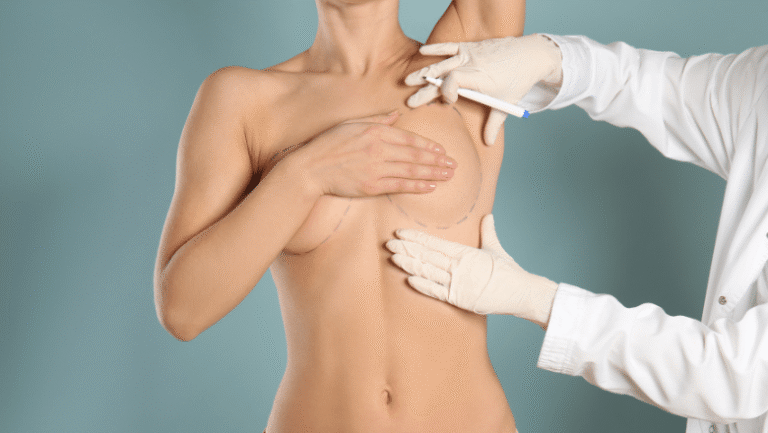

At Centre for Surgery, we know your transformation continues after surgery. Your recovery sets the foundation for how your results settle and how they look over time. Your choices in the weeks and months after breast augmentation matter. They affect comfort, healing, and long-term breast shape.
You will receive a personalised aftercare plan. You should follow it closely. You can also take practical steps at home to protect your results and support your overall health. This article focuses on those steps.
RELATED: Five Insights I Wish I Knew Before My Breast Augmentation
Nine Essential Strategies for Maintaining Your Breast Augmentation Results
Breast augmentation is personal. Your implant type, implant position, incision, and healing timeline will differ from someone else’s. Still, most patients benefit from the same core habits. These habits help your implants settle well, reduce avoidable strain, and support the appearance of your breasts as your body heals.
Use these nine tips as a practical checklist. If anything conflicts with your surgeon’s advice, follow your surgeon’s advice.
-
Get organised for a smoother recovery
Plan your recovery like you would plan a short period of downtime. You need rest. You need support. You need easy access to essentials. This reduces stress and helps you avoid sudden movements that can increase discomfort.
Key preparations that help most patients include:
Prepare your recovery space
Set up one main area before surgery. Choose a sofa or bed where you can rest comfortably. Keep essentials within reach so you do not twist or stretch. Stock water, light snacks, medications, wipes, chargers, and extra pillows. Choose button-up or zip-up tops so you do not lift your arms.
Arrange transport home
You cannot drive after surgery. Anaesthetic and pain relief can impair reaction times. Ask a friend or family member to bring you home. Choose a car with a comfortable seat position. Keep a cushion available for the seatbelt if needed.
Clear your schedule
Give yourself enough time away from work and responsibilities. You will not heal well if you rush back too soon. If you have a physically demanding job, plan extra time. If you have childcare duties, plan cover for lifting and household tasks.
Rely on friends or family for help
You may need support for shopping, cooking, laundry, and walking pets. You may also need help with medication timing. Arrange this before surgery. It helps you stay calm and focused on healing.
-
Follow your surgeon’s postoperative instructions
Preparation helps. Your aftercare instructions matter more. Your surgeon will tailor them to your anatomy and your operation details. These instructions protect your incisions. They support implant positioning. They reduce risk and support a more predictable healing process.
Typical components include:
Recommended downtime
Follow the exact timeline you receive. Rest supports wound healing and reduces swelling. Gentle walking usually helps circulation. Your surgeon will tell you when to increase activity.
Wound care and medications
Care for incisions exactly as advised. Take prescribed medicines as directed. Do not start or stop antibiotics without guidance. Ask the clinic if you feel uncertain about redness, discharge, fever, or increasing pain.
Support garments
Wear your surgical bra or support garment for the full recommended period. It provides consistent support while swelling settles. It also helps protect implant position during early healing.
Breast massage techniques
Only do massage if your surgeon recommends it. Use the method you are shown. Start when you are told to start. Massage can be inappropriate in some cases, especially early on.
Diet and lifestyle recommendations
Eat regular meals with good protein sources. Hydrate well. Limit salty foods if swelling bothers you. Aim for consistent sleep. These choices support tissue repair.
Regular check-ins with your doctor
Attend follow-up appointments. These checks help your surgeon track progress and identify problems early. Do not skip reviews because you feel well. Some issues develop gradually.
If you want more general guidance, browse our FAQs and guides here: https://new.centreforsurgery.com/plastic-surgery-faqs-guides/
-
Embrace healthy lifestyle habits

Your lifestyle affects how your breasts look over time. Weight changes can alter breast volume and skin tension. Skin quality also matters. Healing needs good nutrition, good sleep, and consistent daily habits.
Understand weight changes
Weight gain and weight loss change fat distribution across the body. This can affect the breasts, even with implants. It can also affect symmetry. You do not need to aim for a specific number on a scale. You do need consistency.
Healthy habits that support longevity include:
Choose a balanced diet
Prioritise protein, fibre, fruit, vegetables, and healthy fats. These support healing and help you maintain a stable weight. Avoid extreme diets during recovery.
Return to exercise gradually
Start only when your surgeon clears you. Begin with walking. Then build up slowly. Avoid chest-focused training until you receive specific permission. Support your breasts well when you return to movement.
Avoid smoking
Smoking reduces blood flow to healing tissues. It affects scar quality and skin elasticity. It also increases risk during recovery. If you smoke, ask the clinic for support to stop.
Keep alcohol sensible
Alcohol can disrupt sleep and hydration. It can also worsen swelling in the early period. Keep intake low while you heal.
-
Avoid poor posture
Posture affects the way your chest looks. It also affects comfort. Many patients instinctively round their shoulders after surgery to protect the area. This can create stiffness across the upper back and neck. It can also make your breasts look lower than they are.
Better posture supports your recovery and your appearance.
Benefits of good posture include:
Less strain through the chest and upper back
You reduce unnecessary tension. You feel more comfortable during daily tasks.
Better presentation of your results
Your breasts look more balanced when you stand tall. Good posture can also help you feel more confident in clothing.
Use this simple checklist:
Stand tall
Imagine your head rising upward. Keep your spine long.
Shoulders relaxed and gently back
Do not force the shoulders down. Avoid pinching. Aim for neutral.
Engage your core lightly
A stable core reduces strain through the upper body.
Chin level
Keep your gaze forward. Avoid lifting or dropping the chin.
Stretch regularly
Gentle stretching can reduce tightness and improve comfort. Follow the movement limits your surgeon gives you.
-
Practice breast massage if your surgeon advises it
Breast massage can play a role in some recovery plans. It can help some patients feel more comfortable as implants settle. It can also help you become familiar with your new baseline. The key is timing and technique. Follow your surgeon’s method.
Potential benefits include:
Maintaining softness
Some patients find that guided massage helps reduce tightness over time.
Supporting comfort
Massage can ease discomfort in some cases. It should never cause sharp pain.
Noticing changes early
When you know what feels normal for you, you can notice changes sooner. If you notice a new lump, firmness, heat, swelling, or persistent pain, contact the clinic promptly.
Do not massage unless you have clear instructions. Do not copy techniques from social media. Your plan must match your implant type and placement.
-
Wear a supportive bra
Bras matter after breast augmentation. Support influences comfort. It also affects how the skin and soft tissues cope with daily movement. Poor support can increase strain. Over time, this can contribute to stretching and a lower breast position.
Focus on fit
A properly fitted bra supports the breast without digging in. Get fitted once swelling has settled. Sizes often change after surgery.
Choose supportive features
Look for wide bands. Choose adjustable straps. Prefer cups that hold the breast securely. If you want underwire, ask your surgeon when it is safe to wear one. Some patients need to avoid underwires early on.
Use the right bra for the activity
Wear a supportive sports bra when you return to exercise. Choose one that limits bounce and feels stable across the chest.
-
Sleep in the correct position

Sleep affects swelling, comfort, and early implant settling. Many patients struggle with sleep in the first week. A few changes can help you rest better and protect your breasts.
Aim for these habits:
Sleep on your back
This reduces pressure on the breasts. It also helps you avoid rolling onto your side.
Keep your upper body slightly elevated
Elevation can reduce swelling and improve comfort. Use a wedge pillow or a firm pillow arrangement.
Use pillows to support your position
Place pillows along your sides to prevent rolling. A body pillow can help.
Avoid sleeping on your stomach
This puts direct pressure on the breasts. Avoid it until your surgeon clears you.
-
Avoid excessive physical activity
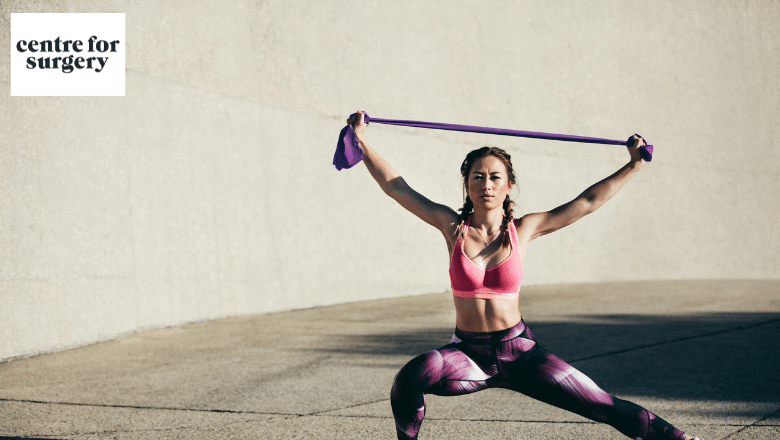
Patients often feel better before they fully heal. That can lead to overdoing it. Too much activity can increase swelling. It can also irritate incisions and chest muscles. It can affect comfort and healing quality.
Manage activity in stages:
Avoid high-impact exercise early on
Running, aerobics, and jumping create movement through the chest. Wait until your surgeon clears you.
Avoid heavy lifting
Heavy lifting strains the chest, shoulders, and upper back. It can also pull on incisions. Avoid lifting children, heavy bags, and weights until permitted.
Avoid contact sports
Any risk of impact to the chest creates unnecessary risk. Return only when your surgeon confirms it is safe.
Build gradually
When you return to training, increase in small steps. Listen to your body. Support your breasts well.
-
Keep a steady mindset during recovery
Your recovery will not look the same every day. Swelling changes. Tightness changes. Breasts settle at different rates. Many patients notice temporary asymmetry. This often improves as healing progresses.
A steady mindset helps you cope with normal fluctuations. It also helps you make sensible decisions.
Focus on what you can control
Rest, nutrition, hydration, and following instructions. These are your core levers.
Use realistic timelines
Breasts can take months to settle. Scars can continue to mature for a long time. Do not judge your final result too early.
Ask for advice when something worries you
Do not guess. Contact the clinic if you feel uncertain or concerned. Early reassurance and early assessment both help.
Breast augmentation at Centre for Surgery, London
Centre for Surgery provides breast augmentation at our Baker Street hospital in London. You receive a personalised surgical plan, structured aftercare, and clear follow-up.
Learn why patients choose us: https://new.centreforsurgery.com/why-us/
Meet the team: https://new.centreforsurgery.com/team_member/
Explore our Baker Street hospital: https://new.centreforsurgery.com/clinic/95-97-baker-street/
View before and after photos: https://new.centreforsurgery.com/plastic-surgery-before-after-photos/
Read our blog: https://new.centreforsurgery.com/blog/
See pricing and fees: https://new.centreforsurgery.com/cosmetic-surgery-costs-prices-fees-london-uk/
Book a consultation
Phone: 0207 993 4849
Email: contact@centreforsurgery.com
Address: 95-97 Baker Street, London W1U 6RN
Further Reading about Breast Surgery at Centre for Surgery
- Breast Implant Options
- Breast Augmentation at Centre for Surgery
- Breast Enlargement Procedures for Bigger Breasts
- How Long is Breast Augmentation Recovery?
- Thinking of Getting a Breast Augmentation? Here’s what to Expect Over Time
[contact-form-7 id=”256″ title=”Treatments form”]