Weight gain is often a significant concern for individuals who undergo liposuction. Many patients are worried about the possibility of fat cells returning after the procedure or the impact on their overall body shape in the long run. It is not uncommon for patients to share stories they’ve heard about “fat coming back” or being redistributed to different areas, leading to a disproportionate appearance.
RELATED: Liposuction FAQs – Q&A about Fat Removal Surgery
Understandably, these concerns can be distressing, especially when the primary goal is to eliminate unwanted fat and achieve a more appealing physique, not to gain additional fat!
Thankfully, there is some reassuring information for those considering liposuction. However, it is essential to be aware of certain factors that can influence the long-term results of the procedure.
According to our plastic surgeons at Centre for Surgery in London, liposuction permanently removes fat cells from the targeted areas, meaning those specific cells will not regenerate. This is the good news. However, to maintain the desired results, patients must diligently adopt a healthy lifestyle that includes a balanced diet and regular exercise.
RELATED: How to maintain your liposuction results
The remaining fat cells in both treated and untreated areas can still expand if weight gain occurs after liposuction. This is why it’s crucial to maintain a stable weight and engage in healthy habits to ensure long-lasting results. If a person gains weight post-liposuction, there is a higher likelihood of fat accumulating in untreated areas, potentially resulting in an uneven or disproportionate appearance.
Read on to learn more about preventing fat from coming back after liposuction.
Can fat come back after liposuction?
Liposuction permanently removes fat cells from the treated areas, so those cells will not grow back. However, this does not mean that a person cannot gain weight or accumulate fat after the procedure. The remaining fat cells in both treated and untreated areas can still expand in size if a person gains weight.
Here are some points to consider regarding fat accumulation after liposuction:
Fat cell behaviour
Although liposuction reduces the total number of fat cells in the treated areas, it does not prevent the remaining fat cells from enlarging. If a person gains weight after the procedure, the remaining fat cells can still expand, leading to an increase in fat volume.
Fat distribution
Since liposuction removes fat cells from specific areas, these areas have fewer fat cells than before the procedure. If a person gains weight after liposuction, there may be a higher likelihood of fat accumulating in untreated areas, leading to an uneven or disproportionate appearance.
Lifestyle factors
The key to maintaining liposuction results and preventing fat accumulation is adopting a healthy lifestyle, including a balanced diet and regular exercise. If a person does not adhere to a healthy lifestyle after the procedure, they may regain the weight they lost during liposuction and negate the effects of the surgery.
RELATED: Diet after Liposuction – What to Eat
Hormonal influences
Hormonal changes, such as those experienced during menopause or due to certain medical conditions, can contribute to weight gain and fat accumulation after liposuction. In such cases, it is essential to work closely with a healthcare professional to address these factors and minimise their impact on weight.
What happens if I gain significant weight after liposuction?
If you gain significant weight after liposuction, the impact on your body’s appearance and fat distribution can become more pronounced, potentially compromising the procedure’s results. Although the specific fat cells removed during liposuction will not return, the remaining fat cells in both treated and untreated areas can expand as you gain weight. Here’s what might happen with significant weight gain:
Fat distribution
With substantial weight gain, the remaining fat cells in the treated areas may expand, increasing the likelihood of fat accumulation in untreated areas. This can lead to a more noticeable uneven or disproportionate appearance, as fat distribution is altered due to the reduced number of fat cells in the treated areas.
Treated areas
Fat volume will increase, though it may be less pronounced than in untreated areas. However, significant weight gain can still affect the treated areas and diminish the liposuction results.
Untreated areas
Untreated areas will be more susceptible to fat accumulation as you gain weight. This can result in a change in your overall body shape, as these areas may appear more prominent compared to the treated areas.
Overall appearance
With significant weight gain, your body’s appearance may change, undermining the results of liposuction. You might lose the improved body contour achieved by the procedure, and your body may revert to its pre-liposuction shape or become disproportionate due to uneven fat distribution.
To maintain the best results from liposuction, it’s crucial to adopt and maintain a healthy lifestyle, including a balanced diet and regular exercise. This will help you manage your weight and minimise the impact of any weight gain on your post-liposuction results.
Top Tips for maintaining a stable weight after liposuction
Maintaining a stable weight after liposuction is crucial to preserving the procedure’s results. Here are some top tips to help you maintain your weight and enjoy the benefits of liposuction long-term:
Balanced diet
Consume a well-rounded diet that includes lean proteins, whole grains, fruits, vegetables, and healthy fats. Focus on portion control and avoid excessive consumption of calorie-dense, nutrient-poor foods.
Regular exercise
Engage in regular physical activity, including both cardiovascular exercise and strength training. Aim for at least 150 minutes of moderate-intensity aerobic activity or 75 minutes of vigorous-intensity aerobic activity per week, along with strength training exercises for all major muscle groups, at least two days per week.
Stay hydrated
Drink plenty of water throughout the day to support overall health. Adequate hydration can also help control appetite and promote healthy digestion.
Monitor your weight
Weigh yourself regularly and note any changes. This will help you identify any weight gain early and take corrective measures before it becomes a significant issue.
Manage stress
Find healthy ways to cope, as it can lead to emotional eating and weight gain. Consider activities such as meditation, yoga, deep breathing exercises, or engaging in hobbies that help you relax and unwind.
Prioritise sleep
Aim for 7-9 hours of quality sleep each night, as insufficient sleep can negatively impact your metabolism, appetite regulation, and energy levels.
Book a liposuction consultation at Centre for Surgery
Should you find yourself struggling with persistent fat deposits, don’t be discouraged from considering liposuction due to fears of fat recurrence.
According to the latest BAAPS statistics, liposuction ranks among the top five aesthetic surgical treatments in the UK. The vast majority of patients are delighted with their outcomes and sustain their target weight, ensuring lasting results.
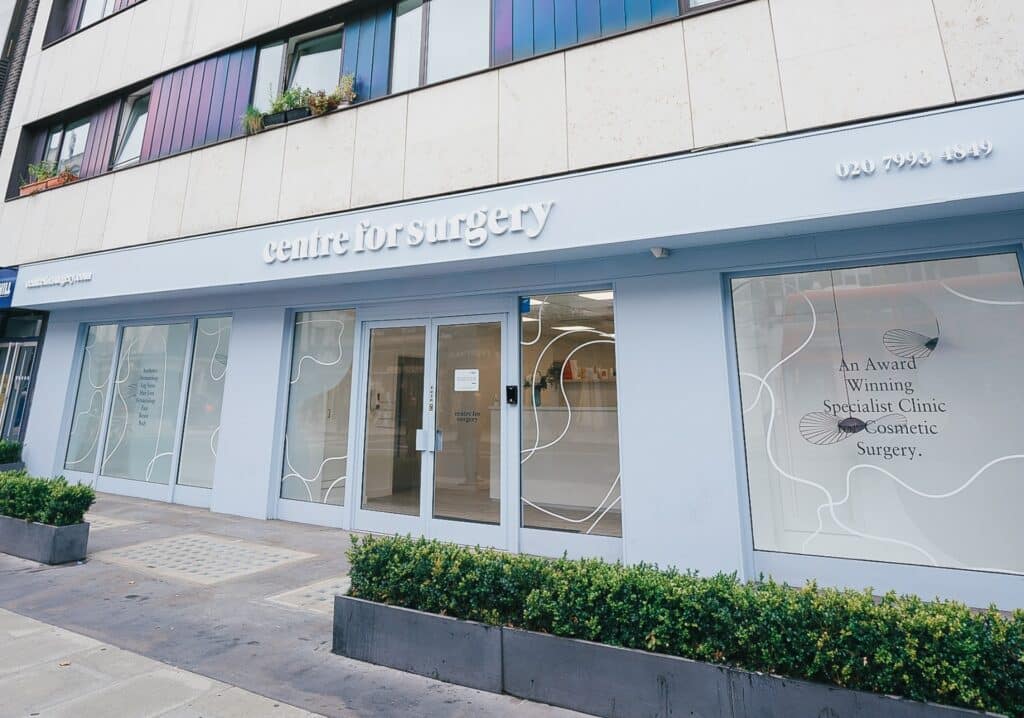
To gain further insight into liposuction and determine if it’s the right choice for you, reach out to Centre for Surgery. Schedule your visit to our cutting-edge clinic on Baker Street today.
[contact-form-7 id=”256″ title=”Treatments form”]