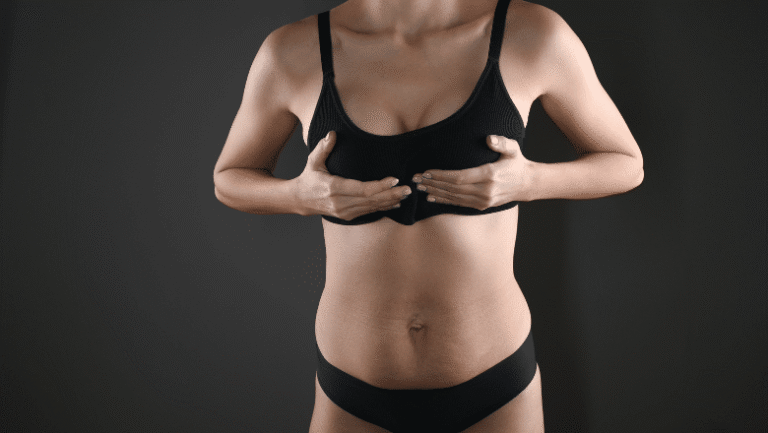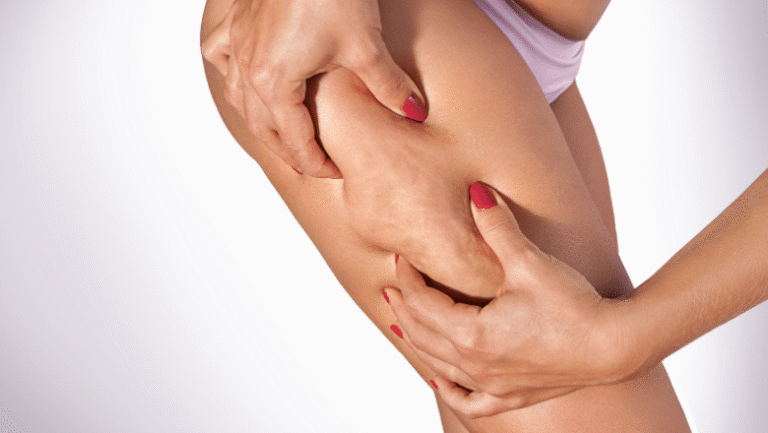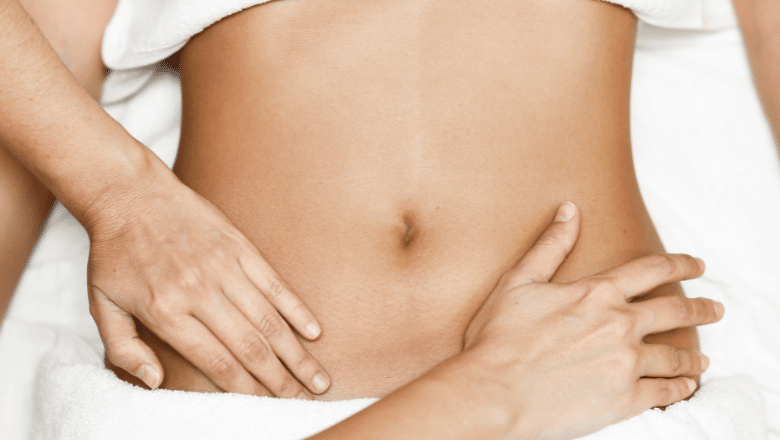
Body lift surgery is designed to reshape and firm up various parts of the body that may display excess skin folds. These folds often develop due to factors such as ageing, significant weight loss, or other specific conditions. The key to achieving and maintaining the best possible outcomes from this surgery lies in effective postoperative care.
Following a body lift, focusing on your recovery to ensure optimal healing and to achieve the desired aesthetic results is key. Proper postoperative care is essential for minimising potential complications such as bruising and swelling, which are common after such procedures. Efficient care not only helps in reducing these complications but also accelerates your return to everyday activities.
RELATED: Post Weight Loss Surgery
At Centre for Surgery in London, we provide comprehensive guidance to help you manage post-surgery effects efficiently. Our experts are dedicated to helping you understand the necessary steps to minimise swelling and bruising after a body lift. This supportive approach ensures that you receive the full benefits of your procedure, with a focus on safety and the best possible aesthetic outcomes. Remember, the procedure itself is just the beginning—how you care for yourself afterwards is equally critical to the success of your surgery.
RELATED: Body Lift Surgery FAQs
Postoperative Recovery Process After a Body Lift
Recovering from body lift surgery is a journey that requires patience and understanding of the natural healing process your body undergoes. Here’s an in-depth look at what to expect after the procedure:
Response of the Body to Surgery: Surgery, even when elective and beneficial, like a body lift, is perceived by the body as a form of trauma. This triggers a healing response, characterised by redness, warmth, and swelling in the treated areas. Such symptoms are indications that your body is effectively mobilising nutrients and blood to the site to aid in tissue repair. It’s a natural and essential part of the healing process, showing that your body is actively working towards recovery.
Phases of Healing: Recovery from body lift surgery doesn’t happen instantly but unfolds in distinct stages:
- Inflammatory Phase: During the initial days post-surgery, you may experience redness and swelling. This phase is your body’s immediate reaction to surgery and typically lasts a few days.
- Proliferative Phase: Following the initial inflammation, your body enters a phase of tissue regeneration, which can last several weeks. During this period, the focus is on generating new tissue to replace damaged tissue.
- Remodelling Phase: The final stage of healing occurs over several months. During this phase, the newly formed tissues start to strengthen and tighten, gradually adapting to their new contours and shapes.
Why do bruising and swelling occur after surgery?
Swelling and bruising are frequent occurrences following surgical procedures and are vital components of the body’s natural healing process. Understanding why they occur can help you manage and mitigate these effects more effectively during your recovery.
Body’s Reaction to Surgical Trauma
Surgery inherently involves trauma to the tissues, whether through intentional cuts or disturbances during the procedure. This trauma can cause blood vessels within the affected area to rupture, resulting in bruising. Concurrently, the body initiates an inflammatory response by sending fluids to the site to aid in healing, which manifests as swelling. Both swelling and bruising are indicators that the body is actively working to repair the surgical alterations.
Impact on Fluid Drainage
Surgical procedures, such as body lifts, significantly alter the body’s anatomy. This alteration can temporarily impair the normal fluid drainage pathways. As a result, fluid accumulates in the tissues until the body gradually develops new drainage routes as part of the healing process, a transition that can take some time to complete.
Factors Exacerbating Swelling and Bruising
While a certain level of swelling and bruising is inevitable, certain actions and conditions can intensify these effects:
- Non-compliance with Post-Operative Care: Failure to adhere to recommended postoperative guidelines, such as avoiding heavy lifting or not wearing prescribed compression garments, can significantly increase swelling.
- Medications and Supplements: Certain substances, such as some medications or herbal supplements, have anticoagulant properties that can thin the blood, thereby exacerbating bruising.
Top Tips to Minimise Swelling and Bruising After Body Lift Surgery
After undergoing a body lift, it’s crucial to employ effective strategies to ensure a smooth and comfortable recovery. These measures are designed to manage pain, reduce swelling, and facilitate proper healing. Here’s a detailed guide on how to achieve this:
Compression Garments: The Role of Compression Therapy
Compression garments are specially designed, tight-fitting clothing that exerts pressure on the operated areas. Doing so prevents excessive fluid build-up and helps support the tissues as they heal in their newly contoured shape. These garments must fit well—they should be snug but not excessively tight—and should be worn as your surgeon directs. Investing in high-quality compression garments is worthwhile, as they are integral to your recovery process.
Medications for Pain and Inflammation Management
- Pain Relievers: Pain after surgery is common, and pain relief medicines prescribed by your surgeon can significantly alleviate this discomfort. These medications block the pain signals to the brain, easing your recovery. However, they should be used strictly according to prescription to avoid side effects such as gastrointestinal disturbances or the risk of dependency.
- Anti-inflammatory Drugs: These medications play a dual role; they reduce swelling by moderating the body’s inflammatory response and also help manage pain. Like pain relievers, they should be taken as directed by your doctor.
Lymphatic Drainage Massage: Enhancing Fluid Movement
Lymphatic drainage massage is a therapeutic massage technique focused on promoting the circulation of lymph fluid around the body. This is particularly beneficial after surgery as it helps in reducing fluid accumulation in the tissues, which can contribute to swelling. By directing the lymph fluid towards the lymph nodes, the body can more efficiently process and eliminate it. This technique not only aids in decreasing swelling but can also provide a relaxing and soothing experience during your recovery.
What to Avoid During Recovery from Body Lift Surgery
Recovering from body lift surgery requires proactive measures and careful avoidance of certain activities and habits that can impede the healing process. Understanding what to avoid during your recovery period is crucial for ensuring optimal healing and preventing complications. Here’s a breakdown of what you should avoid:
Lifestyle Factors to Consider
- Smoking: Smoking significantly impairs blood flow, thereby slowing the healing process. It is strongly advised to cease smoking for several weeks before and after the surgery to promote better recovery.
- Alcohol: Alcohol can thin the blood and may increase bleeding risks. It also has the potential to interact negatively with medications prescribed for recovery. Avoiding alcohol during the initial recovery phase, particularly in the first week, is essential.
Dietary Considerations
- Caffeinated Beverages: Caffeine can lead to dehydration, which is counterproductive during the healing process. Limiting intake of caffeinated drinks and ensuring adequate hydration with water is advisable to support overall recovery.
- High-Sodium Foods: Sodium can cause the body to retain water, which may exacerbate swelling. Avoid foods high in salt, such as processed foods, canned soups, and takeaways. Opting for low-sodium alternatives and carefully reading food labels can help manage swelling effectively.
Movements and Activities to Avoid
- Harmful Movements: Be cautious with body movements; avoid quick, jerky motions, which can increase the risk of injury to the healing areas. Bending over frequently or lifting heavy objects can increase blood flow to the surgical sites, leading to enhanced swelling. It’s important to engage in slow, deliberate movements, especially during the first few weeks following surgery.
- Exercises: While mild activity can aid recovery, high-impact exercises should be avoided during the initial healing phase. Running, jumping, or vigorous aerobic exercises can exert undue stress on your surgical sites. Additionally, avoid weightlifting or exercises that directly impact the operated areas, as these can cause strain and potentially disrupt the healing tissue.
Frequently Asked Questions About Recovery from Body Lift Surgery
How long does recovery from a body lift take?
The recovery duration after a body lift can vary between individuals based on factors such as the extent of the surgery and individual health conditions. Typically, patients can resume light activities within 3 to 4 weeks after surgery. However, it can take several months for the operated areas to heal fully and for the outcomes to stabilise.
Will I have scars after body lift surgery?
Scarring is an inevitable consequence of any surgery that involves incisions. Experienced surgeons employ meticulous techniques to minimise the appearance of scars by placing incisions strategically, often in less visible areas. Although scars do fade significantly over time with proper care, they do not vanish entirely.
How can I ensure optimal results from my body lift surgery?
To maximise the results of your body lift surgery, it’s crucial to follow all preoperative and postoperative guidelines provided by your surgeon. This includes adhering to recommended activity limitations, taking all prescribed medications, attending all scheduled follow-up appointments, and maintaining a stable weight after surgery to sustain aesthetic outcomes.
Can body lift surgery be combined with other cosmetic procedures?
Combining a body lift with other cosmetic procedures is quite common and can be an effective way to enhance overall aesthetic results. Many patients opt to include procedures such as breast augmentation or liposuction during their body lift to achieve a more comprehensive transformation.
What are the potential risks or complications associated with body lift surgery?
While body lift surgery is generally safe, it carries potential risks, as do all surgical procedures. These risks include infection, bleeding, delayed wound healing, and alterations in skin sensation. Adhering closely to your surgeon’s postoperative care instructions is vital to minimise these risks and ensure a safe recovery.
Why Choose Centre for Surgery for Your Body Lift Surgery
Centre for Surgery stands at the forefront of cosmetic surgery in London, offering state-of-the-art body lift procedures tailored to meet individual aesthetic goals. Our clinic combines advanced surgical techniques with a patient-centred approach, ensuring each journey is as smooth and effective as possible. Here’s why you should consider us for your body lift surgery:
Experienced Surgeons and Bespoke Treatments At Centre for Surgery, our highly skilled surgeons bring years of expertise to each procedure, employing the latest advancements in cosmetic surgery to enhance your natural contours. We understand that each patient is unique, and we customise our treatments to align with your specific needs and expectations.
Comprehensive Care and Support From the initial consultation through to post-operative care, our dedicated team provides continuous support. We ensure you feel informed and comfortable throughout your treatment journey.
State-of-the-Art Facilities Our clinic on Baker Street is equipped with modern, comfortable, and hygienic facilities, designed to provide the best possible environment for your surgical and recovery needs.
Further Information and Resources To learn more about our approach and what makes us the preferred choice for cosmetic surgery, please visit our About Us page. For detailed insights into the recovery process, benefits, and more patient stories, check out our plastic surgery blog.
Interested in financing options? Explore our finance options, including 0% APR with Chrysalis Finance, to make your surgery more accessible.
For additional queries and detailed information about the surgery, visit our Clinic FAQs page.
Book Your Consultation Today Ready to take the next step? Contact us to book a consultation at our Baker Street clinic. You can reach us by phone at 0207 993 4849, email at contact@centreforsurgery.com, or visit our Baker Street clinic page for more information.

[contact-form-7 id=”256″ title=”Treatments form”]