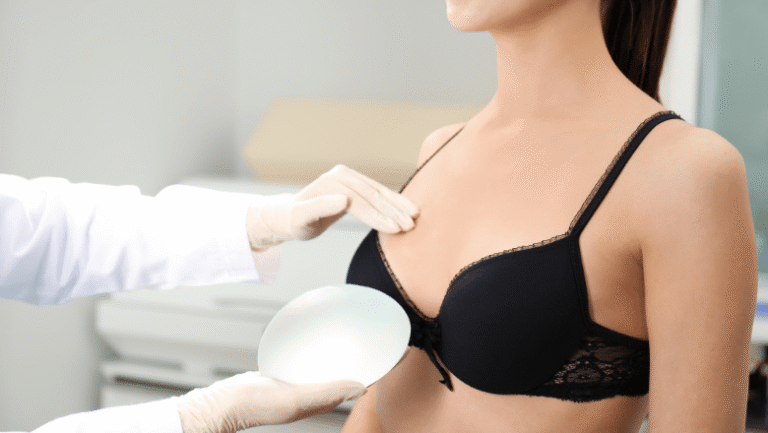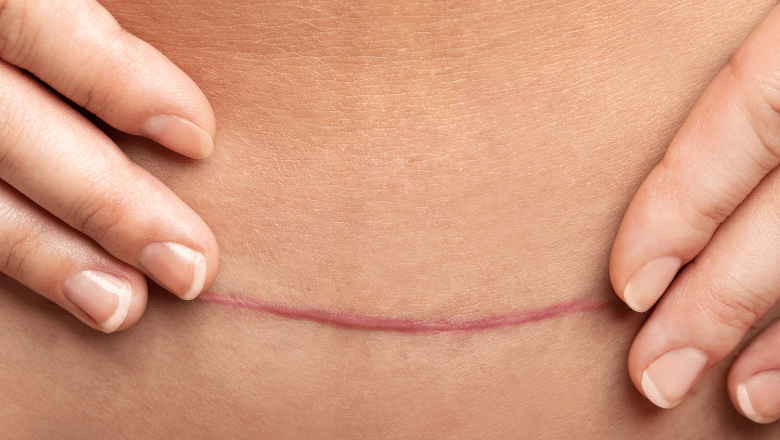
Body lift surgery has become a widely sought-after option in the UK for individuals looking to redefine their body contours. This type of surgery is particularly beneficial after substantial weight loss or significant bodily changes. However, as with any surgical intervention, it typically leaves scars. These scars are an inevitable part of the healing process, but many patients seek ways to minimise their visibility.
RELATED: Body Contouring After Weight Loss
At Centre for Surgery, our highly skilled team is committed to supporting you throughout your recovery journey. We provide comprehensive guidance on effective scar reduction following a body lift procedure. Our approach is tailored to ensure you achieve the best possible results, focusing on reducing the prominence of scars while promoting healthy healing.
RELATED: Body Lift Surgery FAQs
Different Types of Scars Following Body Lift Surgery
Scarring is a natural part of the healing process that occurs when the skin sustains an injury. During the healing process, the body produces collagen, a vital protein that helps mend damaged areas. Occasionally, the body may produce excess collagen, leading to a raised scar. Alternatively, the healing process might yield a flatter or more indented scar, depending on various factors.
Scars can vary significantly in appearance and texture, and some common types associated with body lift surgery include:
Hypertrophic scars
These are raised scars that remain within the original wound’s boundaries. They do not extend beyond the injured area, distinguishing them from other types of scars.
Keloid scars
Unlike hypertrophic scars, keloids are raised scars that may grow beyond the original injury site. They can sometimes be itchy or cause discomfort and are more complex to treat due to their expansive nature.
Burn contracture scars
These scars result from burns and cause the skin to tighten or contract during the healing process. This type of scar can restrict movement, particularly if located over a joint, and may require specialised treatment.
Essential Care in the Initial Stages After Body Lift Surgery
The first 48-72 hours after body lift surgery are critical for a smooth, effective recovery. During this period, your primary focus should be on managing the incision site, as this is crucial for preventing complications and promoting optimal healing.
Protecting the Incision Site
It might seem straightforward, but maintaining cleanliness at the incision site is crucial. Surgical dressings are applied to shield the wounds and must be kept intact. Alongside these dressings, you will likely have support garments and possibly drains that also require careful handling to prevent displacement or contamination.
Following Postoperative Instructions
Adhering to your surgical team’s guidelines is essential. This includes maintaining the recommended body position to avoid strain on the incisions and wearing the prescribed garments that support and protect the affected areas. During this initial recovery phase, you will be introduced to various medications, including pain relievers, anti-inflammatory drugs, possibly blood thinners, and laxatives, to aid in comfort and prevent common post-surgical issues such as blood clots and constipation. It’s essential to monitor how you respond to these treatments, as this will be a crucial time to determine what works best for your recovery.
Guidance for Short-Term Care Following Body Lift Surgery (First 2 to 4 Weeks)
The initial weeks after body lift surgery are crucial for a smooth recovery. Here are several key areas of focus during this period:
Wound Dressing Care:
- Avoid Interference: Do not touch or attempt to change your dressings. Our surgeons use waterproof dressings designed to last at least 1 week, providing protection against infection and aiding healing.
- Seek Advice When Necessary: If you have any concerns regarding your dressings, do not hesitate to contact our clinical support team for guidance.
- Hygiene: Always wash your hands thoroughly before and after handling your dressings. This precaution is crucial in preventing infections.
Maintaining Hydration and Nutrition:
- Hydration: Drink plenty of water to support the healing process; proper hydration is crucial for recovery.
- Balanced Diet: Focus on consuming a balanced diet rich in nutrients, particularly vitamin C and zinc, which play crucial roles in wound healing and repair.
Limiting Physical Activity:
- Restrict Strenuous Activities: For the first two weeks after surgery, avoid any strenuous activities or heavy lifting that could stress the surgical site.
- Gradual Introduction to Exercise: Start with light activities, such as gentle walking, and gradually increase the intensity. Always listen to your body and pause or stop if you experience any discomfort or unusual symptoms.
Application of Topical Scar Products:
- Consultation First: Before applying any scar-reduction products, consult your surgeon. Silicone gels and sheets, which are often recommended, help reduce inflammation and can make scars heal flatter and become less noticeable. Your surgeon will advise on the appropriate timing and use of these products.
Effective Long-Term Scar Care and Management
After the initial healing phase following body lift surgery, long-term scar care becomes crucial to ensure the best possible aesthetic results. Here are comprehensive strategies for managing scars effectively:
Scar Taping:
- Guided Application: You will likely receive specific instructions on how to tape your scars. We will provide you with the necessary tapes and even assist you with taping during the first 6-12 weeks. It’s vital to follow these instructions meticulously, as this period is crucial for influencing the scar’s final appearance.
RELATED: Do Silicone Strips Help Cosmetic Surgery Scars Heal Better?
Sun Protection:
- Use Sunscreen: Direct sunlight can intensify scar pigmentation, making it more visible. To protect your scars, apply a high SPF sunscreen to any exposed areas. This is particularly important even during brief sun exposures.
RELATED: Effects of Tanning on Cosmetic Surgery Scars
Massaging the Scar:
- Technique: Employ gentle, circular motions with your fingers when massaging the scar. Be careful not to exert too much pressure, particularly if the scar feels tender.
- Benefits: Regular massage can enhance blood circulation to the scarred area, aiding healing and softening the scar, making it less pronounced over time.
RELATED: How to Massage Yourself After Cosmetic Surgery
Moisturising the Scar:
- Product Choice: Use simple, unscented moisturisers unless your surgeon recommends a specific product.
- Application Method: Apply the moisturiser gently to avoid irritating the scar area.
Laser Treatments:
- Types of Lasers: Modern scar management often involves laser treatments, such as fractional lasers and vascular lasers, each designed to target specific types of scars.
- Benefits and Considerations: Laser treatments can smooth the scar’s surface, reduce redness, and improve the skin’s overall texture. Some individuals may experience temporary side effects, such as redness, swelling, or discomfort, following the procedure.
RELATED: Laser Scar Removal
Steroid Injections for Raised Scars:
- Treatment for Prominent Scars: For scars that remain notably raised, steroid injections can be an effective treatment option to help flatten them.
FAQs on Managing Scars After Body Lift Surgery

How long does it typically take for scars to heal completely after a body lift surgery?
Scars typically begin to mature and fade a few months after surgery, and their appearance may continue to improve for up to a year or longer. The healing time can vary significantly among individuals, depending on factors such as skin type, age, and the effectiveness of post-operative care.
Is it possible to eliminate scars following my surgery?
Completely removing scars after surgery isn’t feasible. However, numerous treatments and therapies can significantly diminish their visibility. These methods aim to make scars less conspicuous and improve their texture and overall appearance.
What should I do if I notice a thickened and raised area on my scar?
If your scar appears thickened and raised, it may indicate a hypertrophic scar or a keloid, both of which are forms of excessive scar tissue. It is recommended to consult your surgeon for appropriate treatment options in such cases.
Why is my scar a different colour from the surrounding skin?
A scar may become darker (hyperpigmentation) or lighter (hypopigmentation) than the surrounding skin due to factors like sun exposure, skin type, and individual healing responses.
Can I exercise immediately after my body lift surgery?
Limiting physical activity, particularly strenuous exercises, is crucial right after surgery to ensure proper healing and avoid complications.
Schedule a Consultation at Centre for Surgery for Expert Guidance
If you’re considering body lift surgery or have concerns about managing scars post-surgery, scheduling a consultation at Centre for Surgery is an excellent step forward. Our experienced team can provide you with personalised advice and detailed information tailored to your needs. During the consultation, you’ll gain insights into best practices for post-operative care and learn about effective treatments for scar management.
To book your consultation and learn more about how we can assist you throughout your surgical journey, please contact Centre for Surgery. You can reach us by phone, email, or through our website. We are here to support you with expert care at every step of your recovery.
Don’t hesitate to reach out and take the first step towards achieving your aesthetic goals with confidence.
[contact-form-7 id=”256″ title=”Treatments form”]