
Keloids are raised scars that can form when the skin heals after an injury. Unlike normal scars, keloids grow beyond the boundaries of the original wound and can become significantly larger than the area initially affected. They can form anywhere on the body but are particularly common on the ears, especially the earlobes.
RELATED: Keloid Scar Treatment
What Are Keloids?
Keloids develop due to an overactive healing process in the skin. When the skin is injured, the body produces collagen to repair the damage. In some individuals, the body produces excessive collagen, leading to the formation of a keloid. These scars are typically smooth, firm, and raised, with a shiny surface. Keloids may appear red, pink, or darker than the surrounding skin and can cause discomfort, itchiness, or even pain.
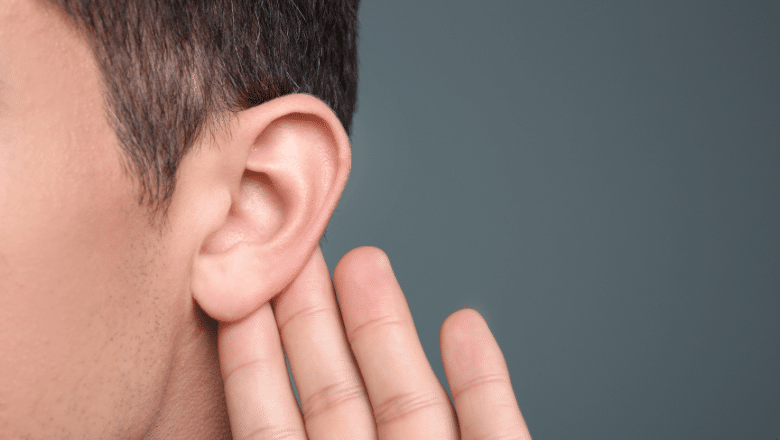
While keloids can form on any part of the body, the ears are a particularly vulnerable site due to the popularity of piercings. Earlobe keloids are common and are often triggered by piercings that fail to heal properly or are subjected to repeated trauma.
Causes of Keloids on the Ear
Keloids on the ear often result from piercings (one of the most common causes, as piercing the cartilage or earlobe can trigger excessive collagen production), surgical scars from procedures such as otoplasty, trauma such as cuts or burns, and genetics — some people are more prone to developing keloids due to genetic predisposition.
How Do Earlobe Keloids Differ?
Earlobe keloids are a specific type of keloid that forms on the fleshy lower part of the ear. They tend to occur after piercings but can also form after any kind of injury to the earlobe. These keloids often appear as round, smooth lumps that can grow to a considerable size. Because the earlobe is more visible, earlobe keloids can be especially distressing cosmetically.
RELATED: Can I Wear Earrings after Earlobe Repair?
Symptoms and Signs of Keloids
On the ear, keloids often manifest as raised, shiny, and firm areas of skin that are smooth to the touch, with discolouration ranging from pink or red to a darker shade than the surrounding skin, and possible itching, tenderness, or pain. Keloids do not resolve on their own and may continue to grow over time.
Treatment Options for Ear Keloids
Steroid Injections
Steroid injections are one of the most common treatments for keloids. These injections work by reducing inflammation and slowing collagen production, helping flatten and soften the keloid over time. A series of injections is typically required, spaced several weeks apart.
Surgical Removal
Surgical excision involves cutting out the keloid. This method is often used for larger or more troublesome keloids. However, surgery alone has a high recurrence rate, meaning the keloid may return. To reduce the risk of recurrence, surgery is often combined with other treatments, such as corticosteroid injections or radiation therapy.
Radiotherapy
Radiotherapy is sometimes used after surgical removal to minimise the risk of the keloid returning. Low-dose radiation targets the cells responsible for excessive collagen production and is most effective when used in conjunction with surgery. Radiotherapy is not offered at Centre for Surgery.
Cryotherapy
Cryotherapy involves freezing the keloid using liquid nitrogen. This treatment can reduce the size of smaller keloids by destroying the abnormal tissue. While effective, cryotherapy may cause changes in skin pigmentation, especially in people with darker skin tones.
Silicone Sheets or Gels
Silicone-based products can be applied to the keloid to help flatten it and reduce redness. These products are most effective when used consistently over several weeks or months.
RELATED: Do Silicone Strips Help Cosmetic Surgery Scars Heal Better?
Laser Therapy
Laser treatments can improve the appearance of keloids by reducing redness and flattening the scar. Lasers are usually combined with other therapies, such as corticosteroid injections, for the best results. Multiple sessions may be required.
RELATED: Laser Scar Removal
Pressure Earrings
For earlobe keloids, specially designed pressure earrings can be worn to flatten the scar tissue. These earrings apply gentle but consistent pressure to the keloid, which can help reduce its size over time. Pressure therapy is often used after surgery to prevent recurrence.
Preventing Ear Keloids
If you are prone to keloids or have a family history of them, preventive measures include avoiding unnecessary ear piercings (especially in areas like the cartilage), ensuring any ear piercings are done in a clean and professional environment, following proper aftercare instructions for piercings to minimise infection and trauma, and avoiding irritating or pulling on earrings.
Frequently Asked Questions About Ear Keloids
Are keloids dangerous?
Keloids are not dangerous or cancerous. They are a benign overgrowth of scar tissue. However, they can cause discomfort, itching, or pain and may affect appearance, which can impact self-confidence.
Can keloids go away on their own?
No, keloids do not go away on their own. They may continue to grow over time without treatment.
Do all piercings lead to keloids?
Not everyone develops keloids after a piercing. However, people with a family history of keloids are at higher risk. The placement of the piercing, aftercare, and individual skin type also play a role.
Can keloids return after treatment?
Yes, keloids have a high recurrence rate, especially after surgical removal. Combining treatments, such as surgery and corticosteroid injections or radiation, can help reduce the risk of recurrence.
Are there any risks associated with keloid treatments?
All treatments carry some risks. For example, corticosteroid injections can cause skin thinning, while surgery can result in infection or keloid recurrence. It’s important to discuss potential risks with your practitioner.
Ear Keloid Treatment at Centre for Surgery
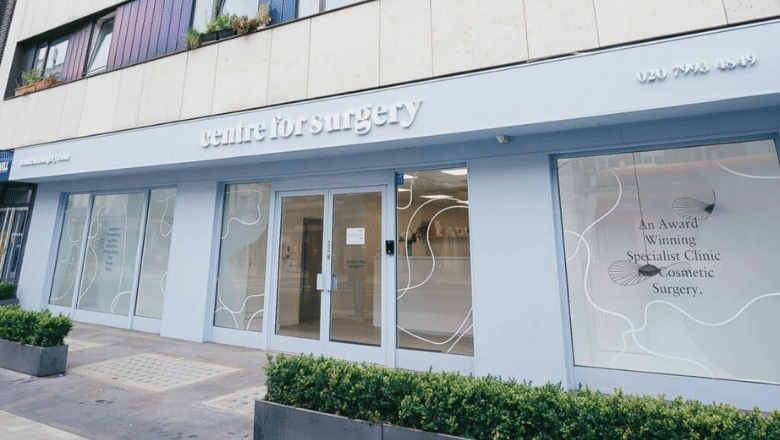
At Centre for Surgery, we specialise in expert treatment for ear keloids, offering personalised care to help restore your confidence. Our state-of-the-art Baker Street clinic is equipped with the latest technology, and our highly skilled team of leading plastic surgeons ensures exceptional results tailored to your needs.
We provide comprehensive treatment plans — from assessment to aftercare — with bespoke solutions for every patient. We offer flexible finance options to make your treatment more affordable. For more information, visit our About Us page, meet our team, read our Plastic Surgery Blog, and browse our Clinic FAQs.
To book a consultation: 📞 0207 993 4849 | 📧 contact@centreforsurgery.com | 📍 95-97 Baker Street, London W1U 6RN
[contact-form-7 id=”256″ title=”Treatments form”]