
Understanding intimate surgery procedures can be confusing, especially when different terms are used to describe similar treatments. Two of the most commonly discussed procedures are the hoodectomy and the clitoral hood reduction. These terms are often used interchangeably, but many women want to know if there’s any difference between them and what each involves. Both treatments aim to enhance comfort, improve aesthetics, and increase confidence, but there are subtle distinctions worth understanding before deciding which is right for you.
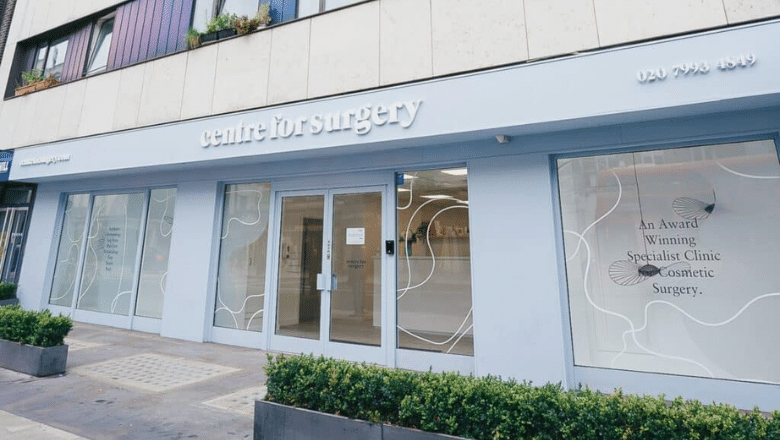
At Centre for Surgery, we specialise in female intimate surgery, offering compassionate care and expert surgical techniques in the heart of London. Our team is committed to supporting each patient through every stage of their journey, from consultation to full recovery, within our CQC-registered Baker Street clinic.
What is a Hoodectomy?
A hoodectomy is a surgical procedure designed to remove or reduce excess skin that covers the clitoris, known as the clitoral hood. This thin layer of tissue can sometimes extend too far, creating discomfort during physical activity or sexual intercourse. In some cases, it may even make it more difficult to maintain proper hygiene or achieve sexual satisfaction.
During a hoodectomy, your surgeon carefully trims the redundant folds of skin to expose more of the clitoral area. The goal is not to alter the clitoris itself but to reduce the excess tissue surrounding it. This can enhance comfort, improve the appearance of the vulva, and, for some women, increase clitoral stimulation.
The procedure is usually performed under local anaesthesia with sedation or general anaesthesia, depending on the patient’s preference and overall health. It is typically a short operation with minimal downtime. Most women return to light activities within a few days and resume sexual activity after about six weeks, once fully healed.
What is Clitoral Hood Reduction?
A clitoral hood reduction serves the same purpose as a hoodectomy. In medical and aesthetic terms, the two names describe the same type of surgery. However, “clitoral hood reduction” is a more descriptive phrase, emphasising the reduction aspect rather than removal. The term “hoodectomy” is derived from the medical suffix “-ectomy”, meaning removal. Therefore, while both names refer to a similar procedure, the wording can create slight confusion.
RELATED: Common Myths About Clitoral Hood Reduction
In modern aesthetic gynaecology, surgeons prefer using “clitoral hood reduction” because it sounds less clinical and helps patients understand that the focus is on refinement rather than full excision. At Centre for Surgery, our specialist surgeons always tailor the operation to maintain sensitivity and preserve natural proportions, ensuring that results look balanced and feel comfortable.
Why Some Women Choose Clitoral Hood Surgery
Women consider clitoral hood surgery for both physical and psychological reasons. Some experience discomfort due to excess skin that rubs against clothing or becomes irritated during exercise. Others feel self-conscious about the appearance of their intimate area, especially if asymmetry or bulging skin affects their confidence.
Many women also choose to combine a clitoral hood reduction with a labiaplasty, which reshapes the inner vaginal lips (labia minora). Performing both procedures together can create a smoother, more harmonious contour. This combined approach can also minimise recovery time, as both concerns are addressed in one operation.
The most important reason for surgery is to feel comfortable and confident in your body. Our surgeons at Centre for Surgery provide detailed, unhurried consultations where each patient’s needs are listened to with empathy and understanding. No two women are alike, and neither are their results.
How the Procedure is Performed
A clitoral hood reduction procedure begins with precise marking of the treatment area to ensure symmetry and natural contour. After anaesthesia is administered, the surgeon removes small sections of redundant tissue while preserving the surrounding nerves and blood vessels to maintain sensation.
Fine, dissolvable sutures are then used to close the incisions, ensuring minimal scarring. The entire operation usually takes less than one hour. Our advanced surgical techniques help reduce swelling and bruising, leading to a more comfortable recovery.
After surgery, patients are advised to wear loose clothing, avoid strenuous activity, and follow gentle hygiene routines. Ice packs and prescribed ointments can help ease swelling and discomfort. Most women notice a visible improvement within a few weeks, with final results apparent once the tissues have fully healed.
Recovery and Aftercare
Recovery from clitoral hood reduction surgery is relatively straightforward. Swelling and mild bruising are expected for the first few days, but these symptoms usually subside quickly. We recommend taking a few days off work and avoiding tight underwear or vigorous exercise for about two weeks.
Sexual activity and tampon use should be avoided for at least six weeks to allow complete healing of the delicate tissue. Our post-operative care team provides detailed aftercare instructions and regular follow-up appointments to ensure smooth recovery and outstanding results.
Patients who undergo this surgery at Centre for Surgery have access to our private recovery suite and dedicated nursing team. We prioritise safety, comfort, and confidentiality at every stage.
Is There a Difference Between a Hoodectomy and Clitoral Hood Reduction?
Medically speaking, a hoodectomy and clitoral hood reduction are the same procedure. Both involve trimming excess clitoral hood tissue to improve comfort and aesthetics. The distinction lies mainly in terminology. Some surgeons prefer the term “hoodectomy” because it is concise and medically traditional, while others use “clitoral hood reduction” because it’s clearer to patients.
Regardless of the term used, the technique and outcomes are identical. What truly matters is the expertise of the surgeon and how the procedure is tailored to each patient’s anatomy. At Centre for Surgery, our surgeons use advanced methods designed to maintain natural appearance, enhance sensitivity, and deliver discreet, harmonious results.
Potential Benefits of Clitoral Hood Reduction
Patients often report multiple benefits after clitoral hood surgery. These include improved comfort during exercise, enhanced sexual pleasure due to better clitoral exposure, and increased confidence in intimate situations. The procedure can also make maintaining hygiene easier by reducing the risk of trapped moisture and irritation.
Many women find that clothing fits more comfortably and that their self-esteem improves significantly. These benefits, while physical, often have a powerful psychological impact, helping patients feel more comfortable in their skin.
Understanding the Risks
Like all surgical procedures, a hoodectomy or clitoral hood reduction carries certain risks, though complications are rare when performed by an experienced specialist. Possible risks include infection, bleeding, scarring, temporary numbness, or asymmetry. At Centre for Surgery, our surgeons use meticulous techniques and strict hygiene protocols to reduce these risks as much as possible.
Comprehensive pre-operative consultations and thorough aftercare are essential in ensuring safe outcomes and patient satisfaction.
FAQs About Hoodectomy and Clitoral Hood Reduction
Is clitoral sensitivity affected after surgery?
When performed by an experienced surgeon, clitoral sensitivity should not be affected. Our surgeons take great care to avoid the nerve-rich clitoral tissue and only remove the excess hood skin that lies above it.
Can clitoral hood reduction be combined with other procedures?
Yes, many patients choose to combine this surgery with labiaplasty or vaginal tightening to achieve a more balanced and rejuvenated result.
How long does the procedure take?
Most procedures take around 45 minutes to one hour and are performed as day surgery, meaning patients can go home the same day.
When will I see the final results?
Initial improvements are visible within a few weeks, but complete healing and final results are typically seen after three to four months once swelling has subsided.
Is the procedure painful?
Mild discomfort and swelling are common for a few days, but pain is usually well controlled with prescribed medication and proper aftercare.
Are there visible scars after surgery?
The incisions are very small and strategically placed within the natural folds of the skin. As a result, any scars are discreet and fade over time.
Is clitoral hood surgery suitable for everyone?
Most healthy women with realistic expectations and excess hood tissue are suitable candidates. During your consultation, your surgeon will assess your anatomy and discuss your goals to confirm suitability.
Why Choose Centre for Surgery
At Centre for Surgery, we combine surgical expertise, patient-centred care, and modern facilities to deliver exceptional results in female intimate surgery. Our Baker Street private hospital is fully equipped with state-of-the-art technology and led by consultants who specialise in aesthetic gynaecology. Every procedure is tailored with precision and discretion, ensuring your comfort and confidence throughout the entire process.
We believe that women deserve to feel empowered in their choices. From your first consultation to post-operative care, our compassionate team ensures that you feel supported and informed at every step.
For more information about us, visit our About Us page.
Meet our expert team on our Team Members page.
View our Before & After Photos to see real patient transformations.
You can also explore our FAQs & Guides, learn about our Finance Options, and visit our Plastic Surgery Blog for more information.
For clinic details and directions, see our Baker Street Clinic.
To book your private consultation, call 0207 993 4849 or email contact@centreforsurgery.com.
[contact-form-7 id=”256″ title=”Treatments form”]