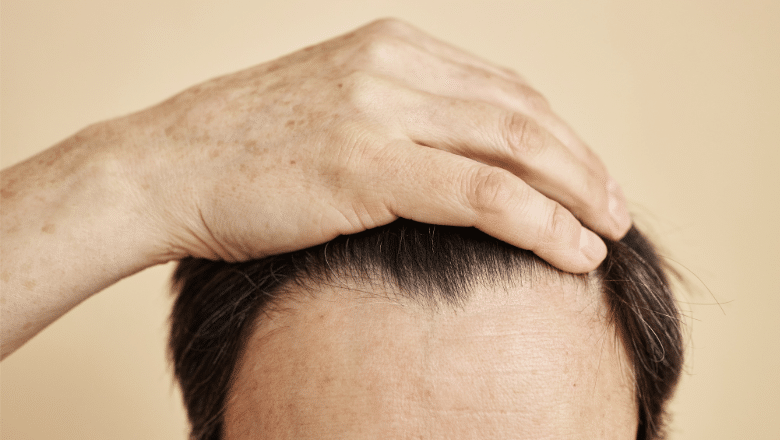
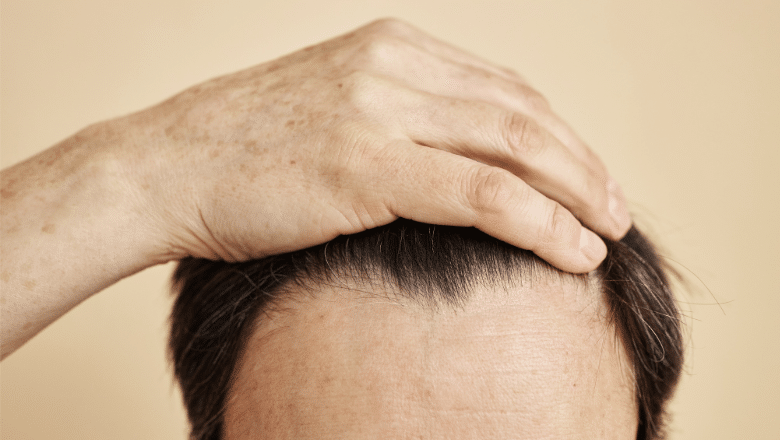
Many people feel self-conscious about having a high forehead or a hairline that has started to creep back over time. It can throw off facial balance and draw attention away from the features you like most. Forehead reduction surgery, also known as hairline lowering, is a popular option for anyone who feels their forehead is too large or out of proportion. But what happens if your hairline is already receding? Can the same operation still work, or would it make the problem worse?
At Centre for Surgery in London, our surgeons perform forehead reduction and a wide range of facial cosmetic procedures with precision and care. Every treatment plan is tailored to the individual, with the goal of achieving natural results that look balanced and feel right for each patient.
What is Forehead Reduction Surgery?
Forehead reduction surgery is designed to shorten the upper third of the face by bringing the hairline forward. During the procedure, the surgeon makes a careful incision along the existing hairline, lifts the scalp, removes a narrow strip of forehead skin, and then advances the hair-bearing scalp forward to lower the hairline. Once healed, this creates a shorter forehead and more harmonious proportions between the hairline, brows, and facial features.
The operation can be carried out under local anaesthetic with sedation or general anaesthetic, depending on the patient and the amount of advancement planned. The results are visible straight away, although there will be some swelling and mild bruising in the first week. When done properly, the scar follows the natural pattern of the hairline so it blends in once the area heals and hair grows through again.
It’s essential to recognise that forehead reduction does not address hair loss directly. The surgery repositions the hairline but doesn’t change the number or density of hairs. For patients with thinning hair, this distinction matters.
How Hairline Recession Affects Suitability
When hair loss is already underway, forehead reduction requires extra thought and planning. A receding hairline means that hair density near the front of the scalp may be low, and the pattern of loss could continue after surgery. If hair keeps thinning behind the new hairline, the scar could become visible over time.
However, not everyone with a receding hairline is automatically unsuitable. If the hairline has been stable for several years and hair density is still good, forehead reduction can still be a strong option. What matters most is whether the hair loss is active or has stopped progressing. A surgeon will always assess this before recommending treatment.
Patients who have a family history of progressive baldness or ongoing hair thinning may be better suited to other solutions, such as a hair transplant or a combination of both techniques.
What Surgeons Consider Before Surgery
A proper consultation is the first step in determining suitability. During this meeting, several factors are assessed to ensure the surgery will be safe and effective.
Scalp flexibility
The scalp must have enough movement to allow the surgeon to bring it forward without excessive tension. Some people naturally have tighter scalps, which limits how much advancement can be achieved. A flexible scalp allows for a smoother, more comfortable recovery and a better-healed incision.
Stability of the hairline
If your hairline is still changing, surgery might not be a long-term fix. Advancing the hairline while hair continues to fall out could leave you with visible scars or an unnatural look later on. Patients with stable hairlines usually achieve more lasting results.
Hair density and texture
The thickness and quality of your hair are important. Dense hair hides scars more easily and provides a softer, more natural-looking edge. If hair is sparse at the front, surgeons may suggest adding a hair transplant after forehead reduction to improve fullness.
The degree of recession
A slight recession may still respond very well to forehead reduction, whereas more advanced hair loss may need an alternative approach. The aim is always to achieve proportionate and sustainable improvement, not just to move the hairline for the sake of it.
Combining Forehead Reduction and Hair Transplantation
For some patients, the best results come from combining the two techniques. Forehead reduction adjusts the position of the hairline, while a hair transplant fills in areas where hair is thinner. This creates both improved proportions and natural density at the front of the scalp.
The procedures can be done at the same time or in stages, depending on individual needs. When performed together, the surgeon can design a hairline that looks both lower and fuller, blending seamlessly into the surrounding hair. This combined approach often provides the most balanced and natural outcome for patients with mild to moderate hair recession.
What to Expect During and After Surgery
Forehead reduction is usually a straightforward procedure that takes a couple of hours. Once the incision is made along the hairline, the scalp is gently loosened, moved forward, and stitched into its new position. A dressing or headband is applied to support the area and minimise swelling.
Most people return home the same day. The initial recovery involves some tightness and mild swelling around the forehead, which settles within a week or so. Stitches are usually removed after seven days. Patients can wash their hair carefully after a few days using mild shampoo.
Most return to work and light activities within ten days, though it’s best to avoid strenuous exercise for at least two weeks. Over the following months, the scar fades and hair gradually grows through, helping to conceal the incision line.
Benefits of Forehead Reduction
Lowering the hairline can make a significant difference to facial balance. It can make the eyes and brows appear more prominent and restore symmetry between the upper and lower parts of the face. Many patients say their face looks softer and more proportionate after surgery, helping them feel more confident in their appearance.
Those who have lived with a high forehead since birth often describe the change as subtle but transformative. When performed on the right candidate, the results are natural and long-lasting. Patients typically see the final outcome once all swelling has resolved and the scar has faded, which can take a few months.
RELATED: How Long Does Forehead Reduction Surgery Last?
Possible Risks and Considerations
As with any surgery, forehead reduction carries some risks. These can include temporary numbness, swelling, and mild bruising around the incision. Rarely, uneven hair growth or visible scarring may occur if hair loss progresses.
Choosing a skilled and experienced plastic surgeon helps to minimise these risks. Good surgical technique, careful closure of the incision, and thorough aftercare all contribute to a smooth recovery and discreet scar. Patients should always follow post-operative advice closely, including avoiding direct sun exposure on the scar during healing.
Common Misconceptions
Many people assume forehead reduction is only suitable for women, but that isn’t true. Men can also be excellent candidates when their hairline is stable and scalp flexibility is good. Another misconception is that the scar will be obvious. In reality, when the incision follows the natural shape of the hairline and heals well, it blends in almost invisibly once hair grows through.
It’s also worth clarifying that forehead reduction doesn’t prevent future hair loss. If you’re genetically prone to thinning, additional treatments may be needed to maintain the result. A consultation with an experienced surgeon will help you understand what combination of treatments is best for your situation.
RELATED: How Much Does Hairline Lowering Surgery Cost?
FAQs
Can forehead reduction stop future hair loss?
No, it only repositions the hairline. It does not influence the genetic or hormonal causes of hair loss. Medical or surgical hair restoration treatments are needed if hair continues to thin.
How long will it take to recover?
Most people feel comfortable returning to daily activities after about a week. Complete healing and hair regrowth around the scar can take several months.
Will I have a visible scar?
The incision sits along the hairline and is designed to blend naturally. Over time, the scar fades and is hidden by hair growth.
Is the procedure suitable for men?
Yes, men with stable hairlines and adequate scalp flexibility can be good candidates. A consultation will determine if it’s the best approach or if a combined method would work better.
Can I combine forehead reduction with a hair transplant?
Yes, combining both can enhance the outcome, particularly for those with thin or receding hairlines. The two procedures complement each other very well.
Why Choose Centre for Surgery
Centre for Surgery is a leading plastic surgery clinic in London, known for its focus on safety, expertise, and natural results. Our Baker Street facility is purpose-built for cosmetic and reconstructive procedures, offering patients the reassurance of modern surgical technology in a private, comfortable setting.
Our surgeons are among the most experienced in their fields, with a deep understanding of facial harmony and precision aesthetic work. From your first consultation to your final follow-up, you’ll be cared for by a team committed to achieving the most natural and balanced result possible.
To book a consultation, contact Centre for Surgery on 0207 993 4849 or email contact@centreforsurgery.com.
For more information, visit our About Us page, meet our Team Members, view Before and After photos, explore our FAQs and Guides, learn about Finance Options, read our Plastic Surgery Blog, and discover details about our Baker Street Clinic.

[contact-form-7 id=”256″ title=”Treatments form”]