What is Macromastia?
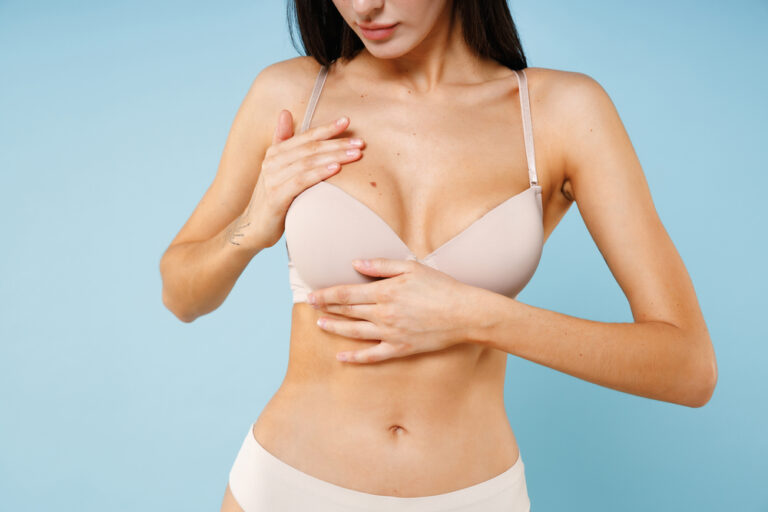
Macromastia is a medical term for having very large and heavy breasts. This can cause physical problems like back, neck, and shoulder pain, skin irritation, and bra strap marks. It can also affect emotional well-being, making women feel self-conscious or struggle to find clothes that fit comfortably.
The exact cause of macromastia isn’t fully understood, but factors such as hormones, genetics, and weight gain can play a role.
For many women, breast reduction surgery is the most effective way to relieve pain and discomfort. It can also improve the shape and lift of the breasts. This surgery can be done on its own or combined with a breast lift or implants to achieve the best results.
Other ways to manage macromastia include supportive bras, physical therapy, and maintaining a healthy weight, but surgery is often the only way to fully relieve severe symptoms.
Centre for Surgery is one of London’s top cosmetic surgery clinics, offering all types of breast surgery, including breast reduction, to help women with macromastia feel more comfortable and confident.
RELATED: What are the causes of heavy breasts?
How do large breasts cause neck and back pain?
Having large breasts can put extra weight on your neck, back, and shoulders, which can lead to discomfort and pain. Some common ways this happens include:
-
Poor posture: The extra weight can make you hunch forward, which strains your neck, back, and shoulders.
-
Muscle strain: Your back and neck muscles have to work harder to support the weight, which can cause soreness and tension.
-
Joint strain: Extra weight puts more pressure on your spine and joints, leading to discomfort.
-
Bra problems: A bra that doesn’t fit well can dig into your shoulders or fail to support your breasts properly, causing neck and back pain.
-
Skin irritation: Large breasts can rub against the skin, especially during exercise, causing chafing and irritation.
To reduce discomfort, it helps to stand and sit with good posture, wear a well-fitting supportive bra, and do regular exercises to strengthen your back and neck muscles. In more severe cases, breast reduction surgery may be needed to relieve pain and improve comfort.
RELATED: Can a breast reduction help with back pain?
Should you get a breast reduction?
Choosing to have a breast reduction (also called reduction mammoplasty) is a personal decision. It depends on factors such as your physical comfort, emotional well-being, goals, and the size and weight of your breasts.
Here are some things to think about:
-
Physical discomfort: If your large breasts cause neck, back, or shoulder pain, skin irritation, or deep bra strap marks, a breast reduction can help relieve these issues.
-
Emotional impact: If you feel self-conscious or unhappy about your breast size, the surgery can improve confidence and emotional well-being.
-
Physical activity: If your breasts make it hard to exercise or move comfortably, a reduction can make activities easier.
-
Body proportion: If your breasts feel out of proportion with the rest of your body, surgery can help create a more balanced appearance.
It’s important to talk with a qualified plastic surgeon at Centre for Surgery. They will review your health, medical history, and breast size to see if you’re a good candidate.
Remember, breast reduction is major surgery, so there are risks and possible complications. Your surgeon will explain these, as well as what to expect during recovery.
RELATED: Breast Reduction FAQs – Q&A about Breast Reduction Surgery
How is breast reduction surgery done?
Breast reduction surgery (also called reduction mammoplasty) is an operation that removes extra fat, breast tissue, and skin to make the breasts smaller and lighter. The goal is to create breasts that are more proportionate to the body and easier to carry.
The surgery is usually done under general anaesthesia and takes 2 to 4 hours. The method used depends on the size and shape of the breasts and how much tissue needs to be removed. Common techniques include:
- Inverted T or Anchor Scar Technique: Often used for very large breasts. The surgeon makes an incision around the areola, down the front of the breast, and along the natural crease under the breast, forming an anchor shape.
- Vertical Scar Technique: Usually for moderate or smaller breasts. The incision goes around the areola and straight down to the breast crease.
- Liposuction Technique: In some cases, fat can be removed using liposuction rather than cutting the skin. This works best for women whose breasts are mostly fatty tissue with minimal extra skin.
RELATED: Liposuction breast reduction vs surgical breast reduction
After the incisions are made, the surgeon removes the extra fat, glandular tissue, and skin. The remaining breast tissue is then lifted and reshaped to create smaller, lighter, and more balanced breasts. The incisions are closed with stitches, and the breasts are covered with a surgical dressing and supported with a special surgical bra.
What to expect during recovery from a breast reduction?
Recovery from a breast reduction (reduction mammoplasty) usually takes a few weeks. Following your surgeon’s instructions and attending all follow-up appointments is important for a smooth recovery. Here’s what to expect:
- Pain and discomfort: You may feel some pain or soreness in the first few days. Your surgeon will give you pain medication to help.
- Swelling and bruising: This is normal after surgery and should gradually go down over a few weeks.
- Surgical dressings and drains: The surgeon will cover your incisions with dressings and may use drains to remove extra fluid. These will be removed during follow-up visits.
- Surgical bra: You’ll need to wear a special surgical bra to support your breasts and reduce swelling.
- Rest and activity: Take it easy and avoid heavy lifting or strenuous exercise for the first few weeks. Your surgeon will advise when you can return to work or normal activities.
- Follow-up appointments: These are important so your surgeon can check your healing, remove dressings or stitches, and monitor your progress.
- Scarring: Scars are a normal part of recovery. They will fade over time, and your surgeon may suggest silicone sheets or gels to help reduce their appearance.
- Final results: It may take several months for your breasts to fully settle into their new shape once swelling and bruising go down.
Does breast reduction leave a scar?
Yes, breast reduction surgery will leave scars. The size and visibility of scars depend on the technique used and how much tissue is removed. Common incision patterns include:
-
Inverted T or Anchor Scar: Circles the areola, goes down the breast, and follows the crease under the breast.
-
Vertical Scar: Circles the areola and goes straight down to the breast crease.
-
Liposuction: In some cases, fat is removed without large cuts.
Most incisions are closed with dissolvable stitches, and the scars fade over time. Scars never completely disappear, and their appearance depends on skin type, age, and genetics.
RELATED: What do breast reduction scars look like?
What are the complications of breast reduction?
Breast reduction surgery (reduction mammoplasty) is a common procedure that can relieve the physical and emotional discomfort caused by large breasts. However, like any surgery, it does come with some risks. These can include:
-
Anaesthesia risks: Because the surgery is performed under anaesthetic, there is a small risk of medication-related reactions, breathing problems, or changes in heart rate or blood pressure.
-
Infection: As with any operation, there is a risk of infection. Signs include redness, warmth, swelling around the incision, or a fever.
-
Bleeding: In some cases, bleeding can happen after surgery and may require further treatment or another procedure.
-
Scarring: Scars are unavoidable after breast reduction. They usually fade over time, but how they look depends on your skin type, age, and genetics.
-
Changes in feeling: You may notice numbness, tingling, or increased sensitivity in the breasts or nipples. This can be temporary, but in some cases it may be permanent.
-
Unsatisfactory results: The final outcome may not fully match your expectations, and some people choose to have further surgery to adjust the results.
-
Sagging over time: As you age, or with weight changes, the breasts may begin to sag again, and another procedure may be needed in the future.
Your surgeon will discuss these risks with you in detail so you can make an informed decision.
Can breast reduction be combined with other procedures?
Yes, breast reduction can often be done at the same time as other cosmetic surgeries. Some common procedures that are combined with it include:
- Breast lift (mastopexy): This can help lift sagging breasts, improve nipple position, and reduce breast size.
- Liposuction: This removes excess fat from areas such as the back, hips, waist, and even around the breasts to improve overall body shape.
- Tummy tuck (Abdominoplasty): This tightens the stomach muscles and removes loose skin and fat from the abdomen.
- Arm lift (brachioplasty): This procedure removes excess skin and fat from the upper arms.
Having more than one procedure at the same time can be more convenient and may reduce overall costs, as everything is done in one surgery. However, recovery may take longer and be more demanding than having just one procedure.
FAQS about breast reduction
Does losing weight reduce breast size?
Losing weight can make your breasts smaller because they are composed of both fat and glandular tissue. When you lose weight, you may lose some of that fat, which can reduce breast size.
However, how much they shrink varies from person to person. It depends on your starting size, how much weight you lose, and your body type.
Weight loss can also make breasts look less firm or more saggy. Wearing a supportive bra and standing with good posture can help reduce these changes.
What is the best way to treat heavy breast problems?
The best treatment depends on your symptoms and how much your breasts affect your daily life. Options include:
-
Lifestyle changes: Improving your diet and exercising may reduce breast size slightly and improve overall health.
-
Supportive bras: A well-fitted bra can reduce discomfort and give better support.
-
Physiotherapy: Exercises that improve posture and strengthen your back and shoulders can help reduce pain.
-
Pain relief: Over-the-counter medications such as paracetamol or ibuprofen can help manage discomfort.
-
Breast reduction surgery: If other methods don’t help, surgery is the most effective way to permanently reduce breast size and relieve pain.
For many women with severe symptoms, breast reduction surgery provides the most reliable, long-term relief.
How big do your boobs have to be to get a breast reduction?
There is no specific size requirement. It’s not about cup size alone. The decision depends on:
-
Whether you have neck, back, or shoulder pain
-
Bra straps digging into your shoulders
-
Skin irritation under the breasts
-
Difficulty exercising or finding clothes that fit
-
How much your breast size affect your confidence or daily life
If your breasts are causing physical or emotional discomfort, you may be a good candidate, regardless of your exact size.
If you are considering surgery, it’s important to speak with a qualified plastic surgeon who can assess your individual situation and explain the benefits and risks.
Breast Reduction Surgery at Centre for Surgery
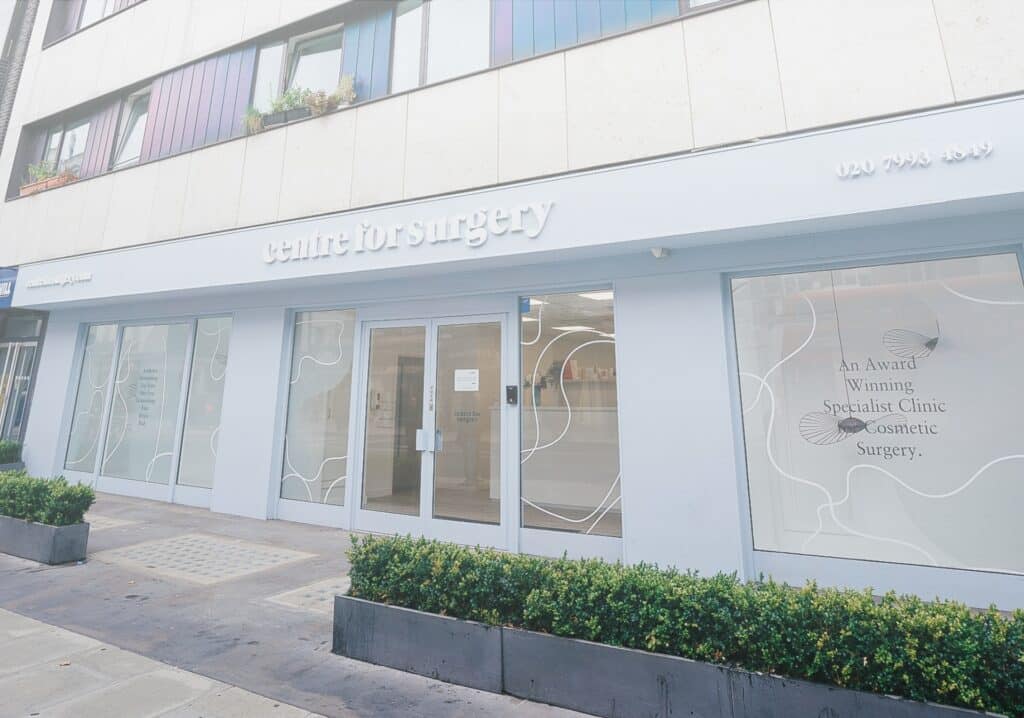
Centre for Surgery is a leading cosmetic surgery clinic in London, with highly experienced consultant plastic surgeons. The clinic performs over 100 breast reduction procedures each year at its modern Baker Street clinic in Marylebone.
Call 020 7993 4849 or complete the contact form to book an in-person consultation with a specialist breast reduction surgeon.
[contact-form-7 id=”256″ title=”Treatments form”]