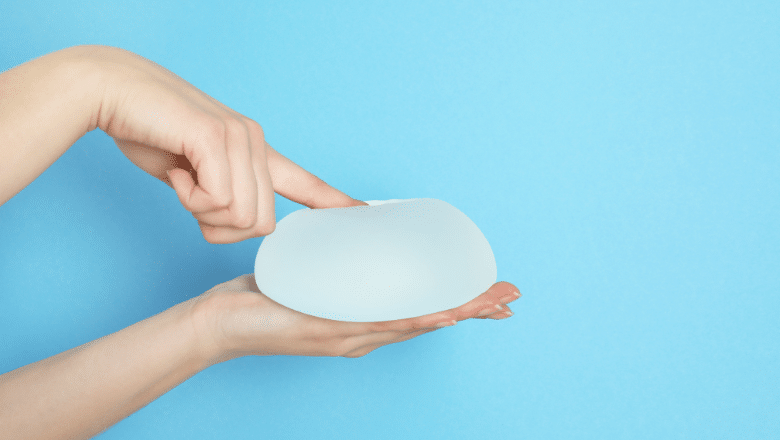
Choosing the right breast implant is one of the most important decisions in any breast augmentation journey. The brand, surface technology, gel formulation, and shape all play a role in determining how your result looks, feels, and performs over time. At Centre for Surgery, we have worked with many of the leading implant brands over the years, and our implant offering has evolved as the technology and clinical evidence base has developed.
For many years, Mentor and Motiva were the two primary brands used at our clinic, and both remain excellent options with strong safety records and distinct clinical strengths. More recently, however, we have transitioned to using Silimed implants as our standard — a decision driven by the clinical evidence behind Silimed’s surface technology, particularly their polyurethane foam-coated range, and the unmatched breadth of options their BioDesign product line offers.
In this guide, we provide an honest overview of all three brands — what each offers, where each excels, and why Silimed has become the implant of choice at Centre for Surgery for the majority of our patients.
Mentor Breast Implants: The Established Standard
Mentor has been manufacturing breast implants for over 40 years and is one of the most widely recognised names in the global implant market. Their products are FDA-approved and carry the CE Mark for European use. Mentor implants have been used in millions of procedures worldwide, and their long clinical track record is one of their most significant strengths.
The Mentor Range
Mentor’s most widely used product in the UK is the MemoryGel Xtra — a round, highly cohesive silicone gel implant with a textured surface, available in moderate, moderate plus, high, and ultra-high profile variants. Their shaped implant range — the CPG (Contour Profile Gel) — offers a firm anatomical option that is particularly well-suited to patients who want a defined, structured teardrop shape with strong upper pole support.
Mentor’s gel cohesivity comes in three levels, allowing surgeons to select the consistency most appropriate for each patient’s tissue characteristics and desired result. The firmer gel options offer more structural support and pronounced projection, while softer variants provide a more natural feel and movement.
Who Mentor Suits Best
Mentor implants are a strong choice for patients seeking predictable, well-evidenced results with a broad range of familiar profiles. Surgeons with many years of experience with Mentor will have deep familiarity with how the product performs across a wide variety of anatomies. Patients who want a firmer, more structured shaped result, or who want the reassurance of a very long-established product with extensive published safety data, are often well-served by Mentor.
Motiva Breast Implants: Innovation and Natural Movement
Motiva is a more recently established brand but one that has rapidly built a strong reputation for innovation — particularly in surface technology and implant dynamics. Their sixth-generation nano-surface technology, combined with the ergonomic gel formulation used in their Ergonomix range, positions Motiva as a strong choice for patients prioritising the most natural feel and movement.
The Motiva Range
Motiva’s three main product lines address different patient goals. The Ergonomix is their signature offering — a round implant with an ergonomic gel that behaves differently depending on the patient’s position. Standing upright, it assumes a teardrop-like shape. Lying down, it flattens naturally, mimicking the behaviour of natural breast tissue in a way no conventional round implant can fully replicate. For patients who prioritise the most natural appearance and movement above all else, the Ergonomix is one of the most compelling options available.
The Progressive Gel range offers a firmer gel consistency with greater upper pole fullness — a good choice for patients who want a more prominent, rounded result. The Progressive Gel Plus pushes this further, delivering maximum upper pole projection for patients seeking the fullest possible outcome.
Motiva also incorporates Q Inside Safety Technology — a microchip embedded within the implant that allows traceability and verification throughout the implant’s lifetime. This is a meaningful differentiator for patients who want the reassurance of electronic tracking and easy identification of their specific implant if needed.
Who Motiva Suits Best
Motiva is an excellent choice for patients who prioritise natural movement and feel, those who are particularly concerned about the appearance of implants when lying down or moving, and those for whom implant traceability matters. The Ergonomix range in particular tends to appeal to patients who are concerned about achieving the most realistic, dynamic result possible.
Silimed Breast Implants: Our Standard Choice at Centre for Surgery
Silimed is a Brazilian-founded implant manufacturer with over 45 years of history, CE Mark approval for European use, and FDA approval for both round and anatomical implants. Having transitioned to using Silimed implants as our standard at Centre for Surgery, we believe they represent the most comprehensive and clinically compelling offering currently available in the UK market.
The primary reason Silimed has become our implant of choice is their surface technology. Silimed is the only breast implant manufacturer in the world to offer four distinct surface options — Pure Polyurethane, True Texture, Soft Plus, and Smooth — and it is the polyurethane foam-coated range in particular that sets them apart from every other brand on the market.
Pure Polyurethane — The Lowest Capsular Contracture Rate Available
Silimed has been manufacturing polyurethane foam-coated implants for over 35 years — longer than any other manufacturer. The polyurethane coating adheres to surrounding tissue through vulcanisation, avoiding the risk of double capsule formation while providing exceptional positional stability. Critically, it delivers a published capsular contracture rate of just 1% over ten years — the lowest of any implant surface type currently available. A prospective five-year clinical study covering 342 patients reported zero cases of capsular contracture and zero implant ruptures over the follow-up period.
For patients where capsular contracture risk is a primary concern — whether due to previous augmentation, revision surgery, or individual risk factors — polyurethane implants represent the most evidence-based choice available.
The BioDesign Range — Biotype-Matched Sizing
Silimed’s BioDesign product line takes a fundamentally different approach to implant selection. Rather than matching implants to a volume category, BioDesign matches the implant’s dimensions to each patient’s individual biotype — their chest width, height, and tissue characteristics. Five distinct profiles and up to four projections per profile across round, anatomical, and conical implant shapes allow for a degree of surgical tailoring that is simply not achievable with a standard volume-based approach. This philosophy aligns closely with how the most experienced breast surgeons think about implant selection, and it is one of the reasons our surgeons find Silimed’s range particularly useful across a wide variety of patient anatomies. You can read more about this in our dedicated Silimed breast implants guide.
Who Silimed Suits Best
Silimed implants are suitable for the vast majority of patients presenting for primary breast augmentation, and their range of surface options and biotype-matched sizing makes them particularly valuable in more complex cases. Patients with a history of capsular contracture, those undergoing revision surgery, those with asymmetric or unusual chest dimensions, and those seeking the most evidence-backed minimisation of long-term complications are all especially well-served by Silimed’s offering.
How Do the Three Brands Compare?
Each of these three brands is a premium, CE-marked, clinically validated option — none of them is a poor choice. The differences lie in the specific characteristics each brand emphasises and the patient profiles each is best suited to.
Where Mentor leads is in its longevity and surgeon familiarity. Four decades of widespread clinical use means an enormous body of published safety data and a large community of surgeons who know the product intimately. For patients who are particularly reassured by the longest possible clinical track record, Mentor’s position is unmatched.
Where Motiva leads is in natural movement and implant dynamics. The Ergonomix range’s position-dependent behaviour is genuinely distinctive, and the integration of microchip traceability through Q Inside technology sets Motiva apart on the innovation front. For patients whose primary concern is the most natural appearance and movement — and particularly those who worry about how implants look when lying down or exercising — Motiva remains an excellent choice.
Where Silimed leads is in surface technology breadth and the clinical evidence behind capsular contracture prevention. No other manufacturer offers four surface options, and no other surface type in the market has published contracture rates as low as Silimed’s polyurethane range. The BioDesign sizing philosophy also offers a more anatomically precise approach to implant selection than the volume-based catalogues of competing brands. These are the reasons Silimed has become our standard choice at Centre for Surgery.
Why We Now Use Silimed as Our Standard Implant
The transition to Silimed as our standard implant at Centre for Surgery was not a commercial decision — it was a clinical one. Our surgeons reviewed the available evidence on surface technology, capsular contracture rates, and implant sizing philosophy, and concluded that Silimed’s offering gives the greatest proportion of our patients the best combination of long-term safety and surgical flexibility.
The polyurethane surface in particular has a compelling evidence base that no other surface technology can match for capsular contracture prevention. Given that capsular contracture remains one of the most common and distressing complications in breast augmentation, we believe using the implant with the lowest published contracture rate as standard is simply the right clinical decision for our patients.
The BioDesign range’s biotype-matched approach also fits closely with how our surgeons approach breast augmentation — as a procedure that should be tailored to each patient’s individual anatomy, not one that approximates fit from a standard catalogue.
Where patients have a specific preference or clinical indication for Mentor or Motiva, those options remain available and will always be considered at consultation. Our commitment is to the right implant for each patient — and for the majority, that now means Silimed. Read our full guide to Silimed breast implants for a comprehensive overview of the product range, surface technology, safety data, and warranty programme.
How the Right Implant Is Chosen for You
Understanding the differences between implant brands is a useful starting point, but the right implant for any individual patient is determined through a face-to-face consultation — not a comparison article. At Centre for Surgery, your consultation with a GMC-registered specialist surgeon will involve a thorough assessment of your chest dimensions, tissue characteristics, skin quality, and aesthetic goals.
Your surgeon will recommend the implant brand, surface, profile, and size that best matches your anatomy and what you are trying to achieve. You are always an active participant in this decision — the final choice is made collaboratively, with full explanation of the clinical reasoning behind every recommendation.
Supporting guides that are useful to read ahead of your consultation include our pages on choosing the right breast implant size, round versus teardrop implant shapes, implant profile and projection, and capsular contracture.
Book a Breast Augmentation Consultation at Centre for Surgery
If you are considering breast augmentation and would like to discuss your implant options in detail, we invite you to book a consultation at Centre for Surgery’s Baker Street clinic in London. Our GMC-registered specialist surgeons will guide you through every aspect of the decision — from implant brand and surface to size, profile, and surgical approach — with honesty, expertise, and your long-term wellbeing at the centre of every recommendation.
We offer flexible finance through Chrysalis Finance, including 0% APR, and operate a two-week cooling-off period as standard. Full pricing is available on our breast augmentation cost page.
Frequently Asked Questions
Which breast implant brand does Centre for Surgery use?
Centre for Surgery now uses Silimed implants as standard, following a clinical review of the available evidence on surface technology and capsular contracture rates. Silimed’s polyurethane foam-coated range offers the lowest published contracture rates of any implant surface available. Mentor and Motiva remain available for patients with a specific preference or clinical indication for either brand.
What is the difference between Mentor and Motiva implants?
Mentor is a long-established brand known for its broad range, proven safety record, and firm structured gel options. Motiva is a more recently established brand that emphasises natural movement — particularly through the Ergonomix range — and incorporates microchip traceability. Both are premium CE-marked products with strong safety profiles and distinct clinical strengths.
Why has Centre for Surgery switched to Silimed as standard?
The transition to Silimed was driven by clinical evidence. Silimed’s polyurethane foam-coated implants offer a published capsular contracture rate of just 1% over ten years — the lowest of any surface type available. Their BioDesign sizing philosophy, which matches implant dimensions to each patient’s biotype rather than a standard volume catalogue, also aligns closely with how our surgeons approach personalised breast augmentation. Read more in our Silimed breast implants guide.
Can I still request Mentor or Motiva implants at Centre for Surgery?
Yes. Both Mentor and Motiva remain available at Centre for Surgery. If you have a specific preference or a clinical reason why either brand may be more appropriate for your case, this will always be discussed and considered at your consultation. Our commitment is to the right implant for each patient, not to any single brand.
What is capsular contracture and which implant minimises the risk?
Capsular contracture occurs when the scar tissue that naturally forms around a breast implant tightens excessively, causing firmness, distortion, or discomfort. It is one of the most common complications of breast augmentation. Silimed’s polyurethane foam-coated implants have a published ten-year contracture rate of just 1% — significantly lower than other surface types — making them the most evidence-backed choice for patients concerned about this complication.
What is Silimed’s BioDesign range?
BioDesign is Silimed’s flagship implant line, designed around female biotypes rather than standard volume categories. It offers five distinct profiles and up to four projections per profile across round, anatomical, and conical implant shapes — allowing surgeons to match the implant’s dimensions to each patient’s individual chest anatomy. This approach delivers a more naturally proportionate and tailored result than conventional volume-based implant selection.
Are Silimed implants safe?
Yes. Silimed implants carry the CE Mark for European use and are FDA-approved in the United States. They are manufactured to ISO 13485 quality management standards and backed by over 45 years of clinical use worldwide. A prospective five-year study of 342 patients reported zero cases of capsular contracture and zero implant ruptures with polyurethane implants over the follow-up period. No cases of BIA-ALCL were identified in the same cohort.
How do I know which implant is right for me?
The right implant for any individual patient is determined through a face-to-face consultation with your surgeon. Your chest dimensions, tissue characteristics, skin quality, and aesthetic goals all inform the recommendation. Reading our guides on choosing the right implant size, round versus teardrop shapes, and implant profile and projection is a useful starting point before your appointment.