What is a Mum Tum or Mummy Tummy?
After experiencing the joys of pregnancy and childbirth, many women find that their bodies undergo a series of changes, particularly in the abdominal region. This transformation is not limited to the outward appearance, but also involves changes in the muscles, skin, and fat around the abdomen. Such changes are perfectly normal, yet they can lead to both emotional and physical discomfort for many new mothers.
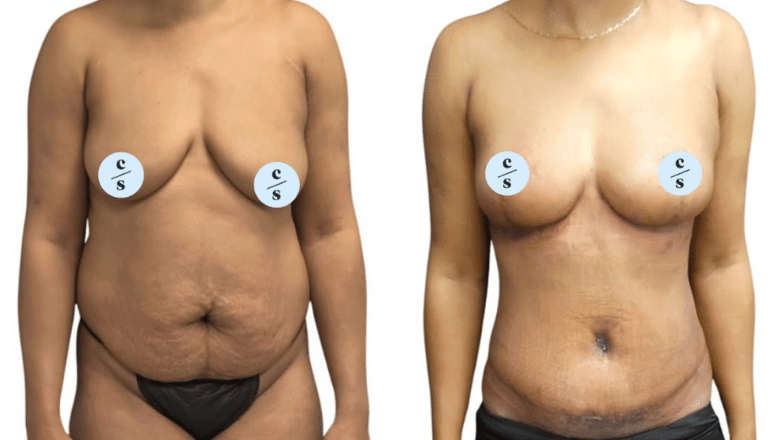
The condition commonly referred to as “Mum Tum,” also known as “Mummy Tummy,” “Mum Tum Overhang,” or “Mum Belly,” encapsulates the challenges faced by women post-pregnancy. This term describes the lingering protrusion or the altered state of the abdomen that remains after giving birth. For many women, this shift in their physical appearance can have a profound impact on their self-esteem and confidence levels. It can introduce a sense of self-consciousness that wasn’t present before, making everyday choices, such as selecting clothes or engaging in social activities like sports and swimming, more daunting.
The emotional ramifications of dealing with a Mum Tum cannot be understated. The pressure to “bounce back” to one’s pre-pregnancy body, often amplified by media portrayals of postpartum bodies, can add to the stress and anxiety of adjusting to motherhood. It’s important for women to recognise that these changes are a natural part of the post-pregnancy journey and that the journey to feeling comfortable in one’s skin again is personal and varies from individual to individual.
Recognising the need for support and guidance during this time is crucial. There are various approaches to managing the physical aspects of Mum Tum, including exercise, diet, and in some cases, post-pregnancy surgery. However, equally important is the need for emotional support and understanding from loved ones and professionals. Creating an environment where women feel seen, heard, and supported can make a significant difference in their post-pregnancy experience.
RELATED: Plastic Surgery After Pregnancy – Everything You Need to Know
What Causes Mummy Tummy?
The journey of pregnancy is one of remarkable transformation, not just emotionally but physically. As the body adapts to accommodate the growing life within, the abdomen undergoes significant changes, particularly in this area. These changes, while necessary for the development of the baby, can have lasting effects on a woman’s body, leading to what is commonly known as “Mummy Tummy.”
One of the primary reasons for the appearance of Mummy Tummy is the condition known as Diastasis Recti. This condition is characterised by the separation of the abdominal muscles along the midline of the body, creating a noticeable gap. This gap can cause the tummy to bulge outward, contributing to the distinctive appearance of Mummy Tummy. Additionally, Diastasis Recti can increase the risk of developing hernias and other complications, highlighting the importance of addressing this condition.
Another contributing factor to Mummy Tummy is the loss of skin elasticity. During pregnancy, the skin around the abdomen stretches significantly to accommodate the growing baby. After childbirth, the skin may struggle to regain its original firmness and shape, leading to a loose and saggy appearance. This loss of elasticity is a natural outcome of the skin’s stretching process but can be a source of concern for many new mothers.
RELATED: How to Tighten Loose Skin After Pregnancy
Furthermore, the accumulation of stubborn fat deposits around the midsection is a common experience for many women after pregnancy. Despite efforts through diet and exercise, these fat deposits can be challenging to eliminate, adding to the complexity of achieving a toned abdomen after childbirth.
Recognising the concerns surrounding Mummy Tummy, various solutions are available, ranging from surgical to non-surgical approaches, aimed at improving the tone and contours of the abdomen after pregnancy. These options offer hope and support for women seeking to address the physical changes that come with motherhood.
How Can I Get Rid of Mum Tum?
The journey to reclaiming your body after pregnancy is a deeply personal one, with many women seeking ways to address the changes they’ve experienced, particularly when it comes to the so-called “Mum Tum.” This term, although colloquial, encapsulates the struggle many face in toning their abdominal muscles and reducing excess fat after pregnancy. Fortunately, there are several lifestyle adjustments and targeted exercises that can significantly aid in this process, offering a path towards physical recovery and enhanced self-confidence.
Embracing a Nutritious Diet
One of the cornerstones of addressing Mum Tum lies in adopting a healthy and balanced diet. Incorporating a variety of fruits and vegetables, whole grains, and ensuring proper hydration can play a crucial role in reducing fat around the stomach. A diet rich in nutrients supports overall weight loss and helps in the gradual toning of the abdominal area. It’s not just about cutting calories but nourishing your body with the right kind of food that promotes healing and energy.
Limiting Alcohol Intake
Alcohol consumption can have several adverse effects on weight management, particularly in the abdominal region. It can cause inflammation and bloating, contributing to the appearance of a Mum Tum. By reducing or eliminating alcohol from your diet, you can decrease bloating and prevent the accumulation of fat around the midsection, aiding in the overall effort to tone and tighten the tummy area.
Engaging in Targeted Exercises
Physical activity, especially exercises that focus on the abdomen, is vital in strengthening and toning the tummy muscles weakened or separated during pregnancy. Incorporating a routine that includes:
- Crunches
- Sit-ups
- Flutter kicks
- Pilates
- Yoga
These exercises can make a significant difference in the appearance of the Mum Tum. These exercises are designed not only to strengthen the core but also to improve posture and reduce the risk of back pain, offering a dual benefit for post-pregnancy recovery.
It’s essential, however, to approach physical activity with caution, especially if you’re recovering from childbirth. Consulting with a healthcare provider or a fitness professional experienced in postnatal exercise can ensure that your workout routine is safe and effective.
Genetic Factors
It’s important to recognise that genetic predispositions play a role in how the body stores fat, including in the abdominal area. For some, this means that despite their best efforts, it may take longer to see significant changes in their Mum Tum. Patience and persistence are key, as is a gentle reminder that everybody is unique and will recover at their own pace.
Essential Exercises for Tackling Mum Tum

The post-pregnancy period is a time of adjustment and recovery, with many women looking to regain strength and confidence in their bodies. Addressing the Mum Tum—excess abdominal fat and skin that can remain after childbirth—requires a focused approach to fitness. The right exercises can significantly aid in toning the abdominal muscles, supporting weight loss, and minimising the overhang that often accompanies the postpartum body. Below, we outline some of the most effective exercises for achieving these goals, emphasising the importance of consistency and a balanced diet alongside your fitness regimen.
Pelvic Tilts
Pelvic tilts are a gentle yet effective way to tone the abdomen after pregnancy. This exercise targets the lower abdominal muscles, helping to strengthen the core and improve posture. Lie on your back with your knees bent and feet flat on the floor. Tilt your pelvis upward, engaging your abdominal muscles without lifting your lower back off the ground. This movement helps re-activate core muscles affected by pregnancy and childbirth.
Planks
Planks are renowned for their effectiveness in strengthening the entire core. Holding your body in a straight line from head to heels, supported by your forearms and toes, engages a wide range of abdominal muscles. This exercise is particularly beneficial for rebuilding core strength and reducing the appearance of Mum Tum.
Leg Raises
Leg raises help target the lower abdomen, an area where many women wish to regain tone and definition after pregnancy. Lying flat on your back and raising your legs to a 90-degree angle—and then slowly lowering them back down—challenges the core muscles, promoting strength and endurance.
Bicycle Crunches
Bicycle crunches are an excellent exercise for engaging the oblique muscles and the entire abdominal region. The rotational movement of bringing the opposite elbow to the knee mimics the motion of cycling, providing a comprehensive abdominal workout that helps to reduce belly fat and tone the midsection.
Mountain Climbers
Mountain climbers offer a dynamic, cardiovascular workout that not only targets the core but also boosts heart rate, aiding in overall fat loss. This full-body exercise mimics the motion of climbing, rapidly alternating legs in a plank position, which engages the abdominal muscles and supports weight loss.
Bridges
Bridges focus on the lower back and glutes, as well as the abdominal muscles, contributing to a stronger, more toned core. Lifting the hips towards the ceiling while lying on your back, with feet planted on the ground, strengthens the core muscles synergistically with the back and gluteal muscles.
Russian Twists
For targeting the obliques and achieving a more defined waist, Russian twists are highly effective. Sitting on the floor with knees bent and feet off the ground, twist your torso from side to side, engaging the core muscles. This exercise is excellent for sculpting the waistline and reducing the appearance of Mum Tum.
Consistency in performing these exercises is crucial for achieving results. However, it’s also crucial to combine your fitness efforts with a healthy, balanced diet for optimal outcomes. Additionally, ensuring you have clearance from your doctor before starting any postpartum exercise regimen is vital to your health and safety.
What is the quickest way to get rid of a Mum Tum?
In the quest to address the post-pregnancy abdominal changes commonly referred to as Mum Tum, many women seek efficient and effective solutions. While lifestyle adjustments, such as diet and exercise, play a crucial role in toning the abdominal area, they may not always yield the dramatic results that everyone desires. For those looking to achieve a significant transformation in a relatively short timeframe, surgical interventions offer a more immediate solution to restoring the abdomen’s appearance and function.
Surgical Procedures to Combat Mum Tum
Abdominoplasty (Tummy Tuck)
Abdominoplasty, commonly referred to as a tummy tuck, is a highly effective surgical procedure for individuals with loose skin and separated abdominal muscles, a condition known as diastasis recti. This surgery involves the removal of excess skin and fat from the abdominal region and the tightening of the abdominal muscles. The result is a more contoured, flat abdomen that more closely reflects the body’s pre-pregnancy shape.
Liposuction
For individuals whose primary concern is excess fat in the mid-region rather than loose skin or muscle tone, liposuction presents a viable option. This procedure focuses on the removal of stubborn fat deposits, sculpting the abdomen into a more desirable shape. However, it’s important to note that liposuction does not address muscle tone or excess skin, making it a suitable choice for specific cases.
Mummy Makeover
The Mummy Makeover is a comprehensive surgical approach that addresses multiple areas affected by pregnancy and childbirth, not just the abdomen. This customised procedure can include a tummy tuck, liposuction, breast augmentation, or lift, tailored to the individual’s needs. It’s designed for those seeking a comprehensive transformation, addressing multiple concerns in a single surgical journey.
RELATED: A Mummy Makeover Patient’s Story
Choosing the Right Path
Selecting the best surgical option requires careful consideration of your unique body and individual goals. A consultation with a specialist plastic surgeon is essential to discuss your expectations and determine the most suitable procedures for your situation. At Centre for Surgery, our experts are dedicated to guiding you through this decision-making process, ensuring that you are well-informed and confident in your choices.
Surgical Solutions for Mummy Tummy: Procedures Explained
The journey to reclaiming your pre-pregnancy body often involves addressing the Mummy Tummy, a common concern among many women post-childbirth. Surgical interventions can offer a definitive solution to this issue, each tailored to address specific aspects of abdominal changes. Understanding how these procedures work and their benefits can empower women to make informed decisions about their body and health. Here, we delve into the details of the primary surgical options available for treating Mummy Tummy.
Abdominoplasty

Abdominoplasty, also known as a tummy tuck, is a complex surgical procedure performed under general anaesthesia, focusing on enhancing the appearance of the abdominal region. This operation, which typically lasts between three to five hours, aims to eliminate loose, excess skin and strengthen the abdominal muscles, resulting in a more contoured and aesthetically pleasing silhouette.
For individuals dealing with both excess fat around the abdomen and issues like loose skin or diastasis recti, abdominoplasty can be effectively combined with liposuction in what is known as a Brazilian Abdominoplasty. This dual approach enables the comprehensive reshaping of the abdomen, addressing both fat removal and muscle tightening in a single surgical session.
The recovery period following an abdominoplasty is significant, typically lasting six to eight weeks. During this time, patients are advised to wear a surgical garment that aids in the healing process by providing necessary support to the abdomen. Patients must avoid strenuous activities and exercise for up to six weeks post-surgery to ensure the incisions heal properly and to prevent any undue pressure on the abdominal area.
Liposuction
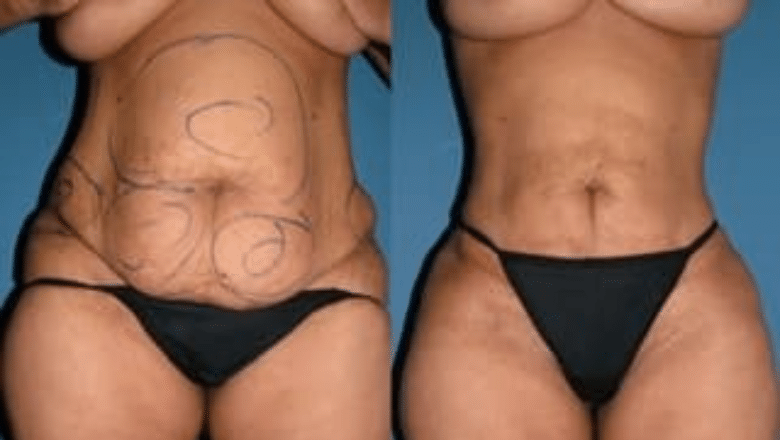
Liposuction is a surgical technique designed to sculpt and enhance the body’s contours by removing excess fat cells, particularly beneficial for improving the appearance of the abdominal area. This procedure is especially suited for individuals who do not have significant concerns about loose skin or muscle separation but are looking to eliminate stubborn fat deposits that diet and exercise alone have not resolved.
Performed under general anaesthetic, liposuction involves the surgeon making small, strategic incisions in targeted areas. Through these incisions, a cannula—a thin, hollow tube—is inserted to dislodge the fat. This can be achieved through various methods, including physical manipulation, the use of pressurised water, or laser technology, depending on the specific technique employed by the surgeon. The dislodged fat is then suctioned out of the body, leading to a more defined and contoured abdominal profile.
One of the key advantages of liposuction is the permanent removal of fat cells from the treated area. Since these cells are extracted, they cannot regenerate, offering a long-term solution to unwanted abdominal fat. However, it’s important to maintain a stable weight post-surgery, as significant weight gain or loss can affect the results.
The recovery process from liposuction is comparatively more straightforward than more invasive procedures, with most patients returning to their normal activities within three to four weeks. During the recovery phase, wearing a surgical garment is essential to minimise swelling and prevent fluid accumulation, aiding in the healing process and helping to shape the newly contoured abdomen.
Mummy Makeover
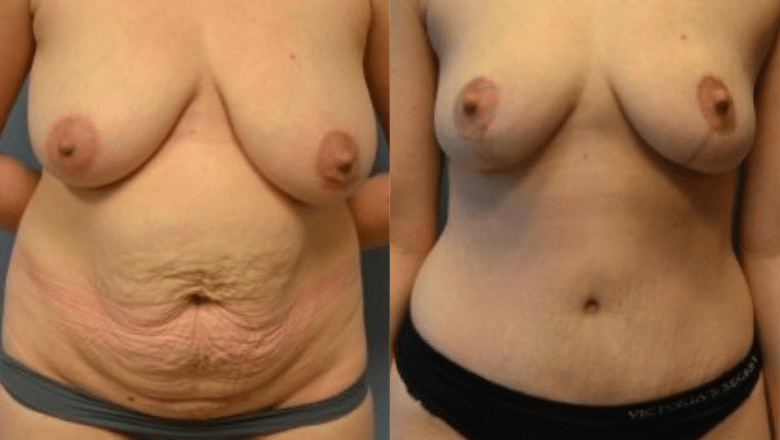
A Mummy Makeover offers a comprehensive surgical solution tailored for women who wish to address various physical changes that occur after pregnancy and childbirth. This bespoke package can include a combination of procedures, specifically designed to meet the unique needs and aesthetic goals of each individual. Typical components of a Mummy Makeover include abdominoplasty (tummy tuck), breast lift or breast augmentation, and, in some cases, labiaplasty or vaginoplasty, among others. The objective is to restore or enhance the body’s appearance in areas most affected by pregnancy, such as the abdomen and breasts, while also addressing any concerns related to the genital area.
RELATED: How Soon Can I Have A Mummy Makeover After Pregnancy?
The decision on whether to perform these procedures simultaneously or in stages is a strategic one, made in consultation with your surgeon. Combining procedures can offer the benefit of a single recovery period for multiple corrections, although it may result in a longer overall recovery time. When procedures are combined, the recovery period can be significant, sometimes extending up to three months. During this time, the body heals and adjusts to the transformations, gradually revealing the outcomes of the makeover.
Given the comprehensive nature of a Mummy Makeover and the potential for a lengthy recovery, it’s crucial to plan for adequate support post-surgery. Arrangements for assistance with daily activities, including childcare, are essential to ensure a smooth and stress-free recovery process. This planning helps in managing the demands of the post-operative period and supports optimal healing.
RELATED: Benefits of a Mummy Makeover After Pregnancy
Can I Have a Mum Tum Without Being a Mother?
Yes, it’s possible to develop a condition that resembles a Mum Tum without having been through pregnancy or motherhood. This phenomenon can occur in both men and women and is often the result of lifestyle factors rather than the physical effects of pregnancy. Factors such as excessive alcohol consumption, a diet lacking in nutrients, and a sedentary lifestyle with little to no focus on abdominal strengthening exercises can contribute to the development of excess fat and bloating around the abdomen. This can lead to an appearance similar to the Mum Tum, characterised by a protruding belly.
RELATED: How To Get Rid Of Stomach Overhang & Belly Fat
The primary difference between a Mum Tum and a similar condition in those who haven’t been pregnant is the cause of the abdominal changes. In the case of Mum Tum, diastasis recti, or the separation of the abdominal muscles along the midline of the belly, is a significant factor. This condition is almost exclusively associated with pregnancy, as it is the result of the abdominal muscles stretching and separating to accommodate a growing fetus. While excess fat and bloating can mimic the appearance of a Mum Tum, the underlying muscle separation, diastasis recti, does not occur in individuals who have not been pregnant.
Surgery for Mummy Tummy: Why Choose Centre for Surgery
At Centre for Surgery, we understand the profound impact that pregnancy and childbirth can have on a woman’s body. Recognising the desire many women have to reclaim their pre-pregnancy figure, we offer bespoke surgical solutions tailored to address the unique concerns of each patient. Our state-of-the-art clinic, located in the heart of London at Baker Street, provides a safe, supportive, and discreet environment where you can embark on your transformative journey with confidence.
Why Centre for Surgery Stands Out:
Our clinic is renowned for its exceptional standard of care, cutting-edge techniques, and the expertise of our highly skilled plastic surgeons. Specialising in abdominoplasty, liposuction, and the comprehensive Mummy Makeover, we are dedicated to delivering results that not only meet but exceed your expectations. Here’s why patients choose us for their Mummy Tummy surgery:
- Expertise and Experience: Our team comprises leading plastic surgeons with extensive experience in post-pregnancy body restoration. They employ the latest surgical methods to ensure optimal outcomes with minimal scarring and downtime.
- Personalised Care: Understanding that every woman’s body and goals are different, we offer customised treatment plans. During your consultation, we’ll discuss your objectives, evaluate your condition, and recommend the most effective surgical approach for you.
- Patient Satisfaction: Our commitment to patient care and satisfaction is reflected in the consistently positive testimonials we receive. We take pride in making each patient’s experience as comfortable and rewarding as possible.
Patient Testimonials:
- “After my second child, I struggled with my self-confidence due to my Mummy Tummy. The team at Centre for Surgery was compassionate and understanding. My tummy tuck has been life-changing, and I couldn’t be happier with the results.” – Emma L.
- “Choosing Centre for Surgery for my Mummy Makeover was the best decision I’ve ever made. The care I received from start to finish was impeccable, and the results have exceeded my expectations. I feel like myself again.” – Sophia R.
- “From my first consultation, I knew I was in the right hands. The surgery went smoothly, and my recovery was supported every step of the way. I’m thrilled with my new figure and grateful to the entire team.” – Lauren J.
Begin Your Journey with Us:
Ready to take the first step towards your Mummy Tummy transformation? Contact us to book a consultation with one of our expert plastic surgeons. We’ll guide you through the process, from initial consultation to post-surgery care, ensuring you’re supported at every stage.
- Phone: 0207 993 4849
- Email: contact@centreforsurgery.com
- Address: 95-97 Baker Street, London W1U 6RN
For more information about Centre for Surgery, our surgical options, patient testimonials, and to explore our finance options, including 0% APR with Chrysalis Finance, please visit our website:
- About Us: Centre for Surgery – About Us
- Finance Options: Centre for Surgery – Finance Options
- Plastic Surgery Blog: Centre for Surgery – Blog
- Clinic FAQs: Centre for Surgery – FAQs
- Baker Street Clinic: Centre for Surgery – Baker Street Clinic
At Centre for Surgery, we’re committed to helping you achieve the body confidence you deserve. Let us be part of your transformational journey.

[contact-form-7 id=”256″ title=”Treatments form”]