How a Nose-Job Can Improve a Round-Tipped Nose
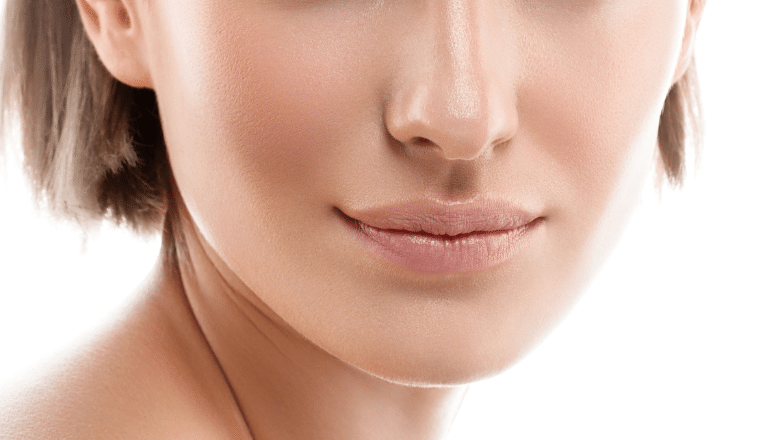
Your nose is arguably the most eye-catching feature of your face. It sits right in the middle and its shape can drastically affect how your face is perceived as a whole. A ‘bulbous’ nose, in particular, is marked by a tip that is round, wide, and generally lacking in definition.
If you’re one of those people who isn’t fully satisfied with the shape of your nose and you’ve been thinking about making some changes, you might want to consider the possibility of a nose job — a surgical procedure known in medical terms as a ‘rhinoplasty‘. This operation specifically focuses on altering the shape of your nose to better fit your facial proportions.
Based in London, Centre for Surgery is a clinic that focuses specifically on plastic surgery procedures. Our clinic is home to expert surgeons who regularly perform rhinoplasty procedures, ensuring they are experienced and skilled in their craft.
RELATED: How To Make Your Nose Smaller
Bulbous Nose – What Does It Mean and Why Does It Occur?
When we talk about a ‘bulbous nose’, we’re referring to a nose that is typically larger than average, often round in shape, and stands out more compared to other features on the face. The reason behind a bulbous nose can be attributed to a variety of factors, ranging from genetic predisposition, lifestyle choices, to certain medical conditions.
RELATED: Different Types of Nose Shapes – What are the Surgical Options?
Let’s begin with genetics. Some people are naturally born with a predisposition towards a bulbous nose. People with bulbous noses usually have thicker skin covering their nose which can give the illusion of the nose being larger than the rest of their facial features.
Next, we consider lifestyle factors. For instance, prolonged exposure to the sun can lead to a thicker, larger nose over time. Similarly, if someone is consistently exposed to an environment with a high level of dust, dirt, or pollution, they may notice their nose becoming larger and more bulbous over time.
Certain medical conditions can also result in a bulbous nose. Conditions like ‘rhinophyma’ and nasal polyps can cause the nose to appear bulbous.
Features of a Bulbous Nose
Below, we delve into the traits typically associated with a bulbous nose.
The Rounded and Broad Tip
The most notable attribute of a bulbous nose is its rounded, wide tip. This lack of definition and sharpness in the nasal tip gives the nose a bulbous appearance.
Pronounced Nostril Flare
Nostrils that appear larger and more flared contribute to the overall roundness of the tip.
An Excess of Soft Tissue
A bulbous nose often has a “soft” appearance, attributed to an excess of soft tissue. This surplus tissue can make the nose seem larger and lack the firmness associated with more defined nasal features.
A Lack of Defined Features
Without sharp contours and definition, a bulbous nose may seem out of place or in disharmony with the rest of the facial features.
Disproportionate Size and Shape
The size and shape of a bulbous nose may not align well with other facial features, leading to a perceived disproportion.
Potential Asymmetry
In some cases, a bulbous nose may also exhibit asymmetry, with one side appearing larger or more pronounced than the other.
What Causes a Bulbous Nose?
A bulbous nose generally results from a mix of genetic factors and the specific structure of your nose. Some common causes include:
- Thick Skin on the Nose: Individuals with thicker skin on their nose might be more susceptible to developing a bulbous nose.
- Rounded Nasal Tip Cartilage: The cartilage at the nose’s tip can naturally be rounded or bulbous. This can result in a wide or ill-defined nasal tip that gives the nose its bulbous look.
- Large Nostrils: In some instances, the nostrils might be naturally larger. This can further exaggerate the bulbous look of the nose.
- Nasal Trauma: A bulbous nose can also result from an injury or trauma to the nose, such as a broken nose.
- Ageing: As we age, the skin and cartilage of the nose can undergo changes. This can gradually lead to the nose taking on a more bulbous appearance over time.
Reasons Behind People Considering a Nose Job to Address a Bulbous Nose
Numerous individuals might consider getting a nose job, also known as rhinoplasty, to modify the size and shape of their bulbous nose. They might want to do this to bring about a change in their appearance and to create a more harmonious balance amongst their facial features.
However, the motivation for getting a rhinoplasty isn’t purely cosmetic for everyone. A nose job can also serve a functional purpose in improving a person’s breathing. Having a large or bulbous nose can sometimes lead to difficulty in breathing through the nose. By altering the structure of the nose, a rhinoplasty can effectively mitigate these symptoms, resulting in improved airflow and better breathing.
RELATED: Can A Nose Job Correct A Bulbous Nose Tip?
Options for Improving the Look of a Bulbous Nose
Your personal characteristics, goals, and preferences play a major role in deciding how to reduce the appearance of a bulbous nose. That being said, generally speaking, surgical interventions, such as rhinoplasty, tend to be the most effective routes to take.
Rhinoplasty for a Bulbous Nose
Rhinoplasty is a surgical procedure specifically designed to help reshape a bulbous nose. It achieves this by modifying the underlying structure of the nose. To carry out a rhinoplasty, your surgeon will create incisions either inside your nostrils or across the thin strip of skin that lies between your nostrils, providing them with access to the nose’s structure.
RELATED: Nose Surgery FAQs – Q&A about Rhinoplasty
From here, what the surgeon does is contingent on the specific patient’s case. They may reshape the cartilage, bone, and tissue of the nose to create an appearance that is more defined and harmonious with the rest of the face.
Rhinoplasty to Correct a Bulbous Nose
Rhinoplasty can be carried out using two primary techniques – the ‘open’ or ‘closed’ technique.
RELATED: Open vs Closed Rhinoplasty – Which is Best?
In an open rhinoplasty, the surgeon creates an incision on the columella – the piece of tissue that separates your nostrils – along with additional incisions inside your nostrils. This strategy enables the surgeon to gently peel back the skin of the nose, providing them with improved access to the nose’s underlying structure. On the other hand, a closed rhinoplasty involves the creation of all incisions inside the nostrils only, eliminating the need for an incision on the columella.
Once the incisions are in place, your surgeon can then get to work reshaping the cartilage, bone, and tissue of your nose. The process may involve actions such as reducing the size of your nostrils, refining the nasal tip, or rectifying any asymmetry in your nose.
Once the desired alterations have been completed, the surgeon will carefully sew up the incisions using stitches. Usually, a splint and bandages are applied to the nose after the procedure to safeguard it during the healing phase.
The entire operation typically lasts anywhere from one to three hours, depending on the complexity of the changes being made. After surgery, patients can expect some swelling and bruising, which typically subside within a few weeks. The full impact of the surgery can take several months, even up to a year, to become fully apparent.
Recovery Process for Bulbous Nose Surgery
The recovery time after bulbous nose surgery, typically involving a rhinoplasty procedure, can vary depending on the extent of the surgery and the individual patient’s healing process. Generally, patients should expect some swelling, bruising, and discomfort in the days and weeks following the procedure.
In the initial few days after surgery, patients may experience some pain, swelling, and bruising around their nose and eyes. The surgeon will prescribe pain medication to help manage any discomfort.
Typically, the surgeon will apply a splint to your nose to provide support and protection as it heals. This splint is typically taken off after about a week.
For several weeks following the surgery, it is recommended to avoid intense physical activities or exercise.
Avoid blowing your nose for at least a week after the procedure, as doing so could potentially disrupt the healing process and raise the risk of bleeding.
It’s worth noting that the full results of the surgery might take several months to become completely noticeable.
Things to Avoid After Rhinoplasty
- Refrain from blowing your nose for at least one week after the operation.
- Steer clear of any activities that could put undue stress or pressure on your nose. This includes contact sports and heavy lifting, which should be avoided for several weeks after surgery.
- For at least six weeks following surgery, avoid wearing glasses that rest on the bridge of your nose.
- Keep your nose away from extreme hot or cold temperatures, as these can negatively impact the healing process.
- For several weeks post-surgery, don’t consume alcohol or smoke.
- Avoid touching, picking at, or otherwise disturbing your nose.
- Minimise sun exposure or tanning, as these can lead to scarring and discolouration.
Duration of Rhinoplasty Results for a Bulbous Nose
The outcomes of a rhinoplasty procedure for a bulbous nose are generally long-lasting. Nevertheless, minor changes may still occur as your nose naturally ages over time.
Can Rhinoplasty Enhance Breathing?
Absolutely, rhinoplasty can help improve breathing problems. The procedure can correct structural issues in the nose that may be leading to breathing difficulties. For instance, it can correct a deviated septum, alleviate nasal congestion, or rectify other issues that may be affecting the nasal airways.
Alternative Non-Surgical Methods to Address a Bulbous Nose
If surgery isn’t an option you want to explore, there are several non-surgical alternatives available that can help improve the appearance of a bulbous nose:
Makeup Contouring: By using makeup contouring techniques, you can create an illusion of a more refined and sculpted nose.
Dermal Fillers: Another non-surgical option involves the use of injectable dermal fillers. These are used to add volume and definition to specific areas of the nose, such as the bridge or the tip.
However, it’s important to be aware that these non-surgical alternatives can only temporarily alter the appearance of a bulbous nose. If you’re seeking a more lasting solution, then a rhinoplasty surgery might be a more suitable option to consider.
Centre for Surgery: Why Choose Us?
Choosing the right clinic for any surgical procedure is crucial, and at the Centre for Surgery, we take pride in offering an exceptional level of care, expertise, and a commitment to patient satisfaction. Here are some reasons why you might want to choose us:
Expert Team: Our clinic is home to a team of highly trained and experienced surgeons who specialise in a variety of fields, including rhinoplasty. Our surgeons regularly perform procedures to address a wide range of aesthetic and functional concerns, including reshaping a bulbous nose.
State-of-the-Art Facilities: Situated in the heart of London, our clinic boasts state-of-the-art facilities. This ensures that all our procedures are carried out in a safe, comfortable, and technologically advanced environment.
Patient-Focused Approach: At the Centre for Surgery, we prioritise a patient-focused approach. This means we listen carefully to your goals and concerns, provide thorough consultations to discuss your treatment options, and develop a personalised treatment plan that best meets your needs.
Emphasis on Education: We believe in educating our patients about their procedure, so they feel confident and well-informed.
Comprehensive Aftercare: We offer a comprehensive aftercare programme to ensure your recovery is smooth and comfortable.
With a strong commitment to providing excellent patient care and achieving outstanding results, the Centre for Surgery is a trusted choice for anyone considering rhinoplasty.