
Arm lift surgery, also known as brachioplasty, is a plastic surgery procedure designed to remove excess skin and fat from the upper arms to achieve a more contoured and firmer appearance. Here we discuss our best tips for smooth recovery and healing after an arm lift.
It is essential to give your body the time to heal properly after arm lift surgery. It would be best to try to get proper rest and sleep for at least eight hours a day during the early phase after an arm lift. It is important to sleep in the optimal position after arm lift surgery to help your recovery and improve the final results of the procedure.
RELATED: Arm lift & Brachioplasty before and after gallery
Getting Ready for Your Arm Lift Surgery
Preparing properly for your arm lift surgery is one of the most crucial steps you can take to ensure a smooth procedure and a swift recovery. Before anything else, your surgeon will carry out a full medical assessment to confirm that you are fit for surgery, including a physical examination, blood tests, and sometimes imaging. If you smoke, it’s crucial to stop well before your surgery date, as smoking affects circulation and healing. You may also need to stop taking certain medications, especially those that thin the blood.
Because an arm lift is performed under general anaesthesia, you won’t be able to drive yourself home afterwards. It’s important to arrange for someone to take you to and from our Baker Street clinic and to stay with you for the first day or two. Emotional preparation can be just as important as physical readiness — it’s completely normal to feel a mixture of excitement and nerves before surgery.
It’s also helpful to have realistic expectations about what an arm lift can achieve. The surgery can dramatically improve the shape and firmness of your upper arms, giving a more toned and youthful look. In some cases, your surgeon might recommend losing a little weight before the operation to reduce complications during recovery.
RELATED: Types of brachioplasty
What to Expect in the Days After Your Arm Lift Surgery
The first few days after an arm lift are a vital part of your recovery. You’ll likely experience some pain and tightness in your arms once the anaesthetic wears off — this is completely normal and can be managed with pain relief prescribed by your surgeon. Swelling and bruising are common after the procedure and will gradually settle as your body heals.
In some cases, your surgeon may place small drainage tubes beneath the skin to remove any excess fluid that can build up after surgery. These are temporary and usually removed within a few days. Your arms will be covered with bandages or dressings to protect the incisions. You may also be fitted with a compression garment to support your arms and help minimise swelling.
You’ll need to take things easy for a few weeks — strenuous exercise, lifting heavy objects, or stretching your arms above your head should all be avoided until your surgeon says it’s safe. Follow-up appointments will be scheduled so your surgeon can check how your arms are healing.
RELATED: What is a mini arm lift?
Arm lift surgery recovery timeline
Week 1:
- The first week after surgery, you will likely experience some pain and discomfort. Your surgeon will prescribe medication to help manage pain.
- You will have bandages and dressings over the incision sites, which will need to be kept clean and dry.
- You will need to avoid any strenuous activity or heavy lifting for at least a week.
- You may be given a compression garment to wear, which helps to reduce swelling and support the arm as it heals.
Week 2:
- Pain and discomfort should start to subside during the second week.
- Your surgeon may remove the drainage tubes, and the bandages and dressings may be changed.
- The swelling will begin to subside, and the incision sites will start to heal.
- You will likely be able to resume light activities, such as walking and gentle range of motion exercises.
Week 3-4:
- By the third or fourth week, you should start to feel better and have more energy.
- Incision sites will continue to heal, and you may be able to start resuming normal activities with some restrictions.
- You will have a follow-up appointment with your surgeon to monitor your progress.
Week 5-6:
- By this time, most of the pain and discomfort should be gone, and you should be able to return to your normal routine.
- You may be able to start with light exercises, such as walking or yoga, but it’s best to avoid any strenuous activities for a few more weeks.
- Scars will be more visible at this stage, but they will continue to improve over time.
Week 7-8:
- Most of the swelling will have gone down, and incision sites will be fully healed.
- You should be able to return to your regular exercise routine and other activities with the permission of your surgeon.
- Arm lift scars will continue to improve and fade over time.
The Best Way to Sleep After Arm Lift Surgery
Getting good rest is a key part of your recovery after an arm lift, and the way you sleep can make a big difference in how quickly and comfortably you heal. The best position to sleep in after surgery is on your back — lying flat on your back keeps pressure off the arms and helps prevent the skin around the incisions from being stretched or irritated.
You may find it more comfortable to keep your upper body slightly raised using two or three pillows or a wedge pillow. To keep your arms well-supported, place a pillow under each one so they rest slightly elevated from your body. Some people find it helpful to tuck small pillows along their sides to stop them from rolling over during the night.
Avoid sleeping on your stomach or sides until your surgeon tells you it’s safe to do so. Even once you start to feel better, it’s best to stick to back sleeping until you’ve been cleared at your follow-up appointment.
Top Tips for a Faster Arm Lift Recovery
Recovering from an arm lift takes time, but there are simple ways to help your body heal more quickly and comfortably. Following your surgeon’s advice closely is the most important step. Make rest your priority — your body needs plenty of sleep and downtime to recover properly. Wearing your compression garment as instructed will help control swelling and support your arms as they heal.
Eat nourishing meals packed with protein, fruit and vegetables, and avoid alcohol or processed foods that may slow healing. Attend all follow-up appointments so your surgeon can monitor your progress, and start gentle movement, such as light walking, when you’re told it’s safe. Once your surgeon approves, gentle arm massage can ease swelling and improve the appearance of scars.
ARM LIFT RECOVERY FAQs
How long does it take to recover from an arm lift?
Bruising and swelling will be most marked during the first two weeks after surgery. Most patients can return to normal activities after six weeks, including exercise. It can take up to 12 months for arm lift scars to mature and fade.
How long will the arms be swollen after brachioplasty?
The arms often appear swollen for up to 2 weeks after surgery. After this time, swelling gradually improves. It is common for mild swelling to persist for up to 8 weeks after surgery.
How long will I need to wear the compression garment after an arm lift?
You must wear a dedicated arm compression sleeve for up to 3 months after brachioplasty surgery.
When can I take a shower after brachioplasty?
Showering is allowed 48 hours after surgery, although you should try to avoid getting your dressing wet.
Does an arm lift leave a scar?
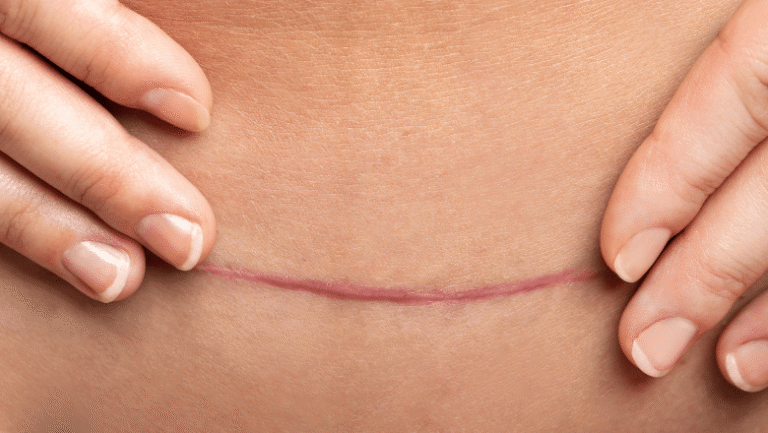
Arm lift incisions most commonly extend from the armpit down to the elbow. Your surgeon will place the incision on the inner part of the arm to reduce its visibility, making arm lift scars much easier to hide in normal clothing.
Do arm lift scars fade?
Arm lift scars gradually fade over time. Although the scars will be raised and pink during the first six weeks, they will gradually flatten and fade to a white colour over the first 12 months after surgery.
What is the best sleeping position after a brachioplasty?
We recommend sleeping on your back with your arms in an elevated position for the first three weeks after brachioplasty surgery to improve recovery and minimise complications.
When will I see the final results of an arm lift?
The final results of an arm lift take between 3 to 6 months to appear once the swelling has disappeared and your scars gradually fade.
When can I exercise after brachioplasty?
Vigorous exercise should be avoided during the first week after a brachioplasty. Light walks are allowed during the first few weeks after surgery for up to 20 minutes at a time. After six weeks, you may safely restart your normal exercise routine.
How much does an arm lift cost in the UK?
The cost of an arm lift will be determined by the extent of the procedure and the skills and experience of the surgeon you choose. Call us today on 0207 993 4849 to get a price estimate for a brachioplasty in London.
Is an arm lift worth it?
An arm lift can be a worthwhile procedure for individuals who have experienced significant weight loss, ageing, or genetics resulting in sagging skin on their upper arms. However, it is a major surgery which carries risks and requires a recovery period. A consultation with a plastic surgeon at Centre for Surgery is recommended to determine if an arm lift is the best option for you and to discuss the potential risks and benefits.
Arm Lift Surgery at Centre for Surgery
Centre for Surgery in London is a specialist plastic surgery clinic with years of experience in excess skin removal procedures, including arm lift surgery. Our surgeons perform numerous arm lift procedures annually at our state-of-the-art Baker Street clinic in Marylebone. If you would like to learn more about the benefits of an arm lift, call us on (020) 7993 4849 or complete the contact form below, and one of our patient coordinators will arrange an in-person consultation with a specialist surgeon.
[contact-form-7 id=”256″ title=”Treatments form”]