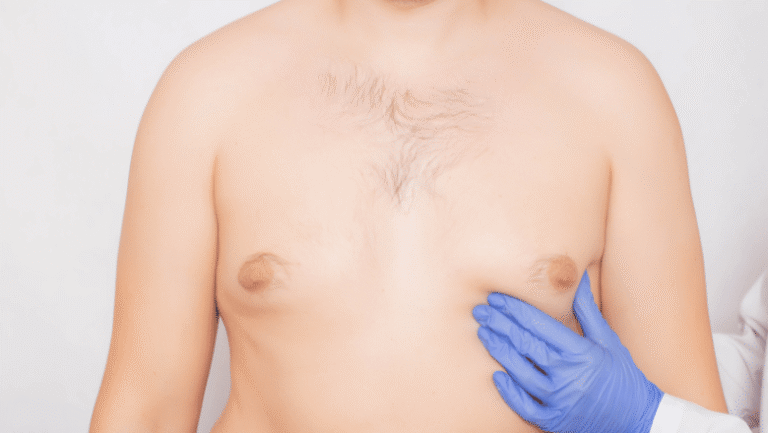

Breast implant removal surgery, also known as explant surgery, is a type of revision procedure to remove or replace breast implants. Some women choose to remove their implants after having them for a number of years, while others may have developed a complication from previous breast surgery, such as breast implant rupture or capsular contracture. Surgery for capsular contracture may require an en bloc removal. Recovery after breast implant removal can take up to 6 weeks, and the final results of breast implant removal can take between 6 and 12 months to develop.
RELATED: Pros And Cons Of Breast Implant Removal
You should ensure you follow your surgeon’s preoperative and postoperative care instructions to ensure you get the best possible results after breast implant removal. Centre for Surgery is home to specialist plastic surgeons with years of experience performing all types of revision breast surgery, including en bloc capsulectomy.
RELATED: Breast Implant Removal & Breast Lift
Common reasons to have breast implant removal & explant surgery
Some common reasons for breast implant removal include:
- Capsular contracture, which occurs when the scar tissue surrounding the implant tightens and causes pain or changes in the shape of the breast
- Implant rupture or leakage
- A desire to change the size or shape of the implants
- A desire to return to one’s natural breast size
- A change in personal preference or lifestyle
- Development of an autoimmune disorder or other health condition, such as breast implant illness (BII), that may be related to the implants.
- Psychological dissatisfaction with the implants.
RELATED: Will My Breasts Be Flat After Breast Implant Removal?
How to prepare for breast implant removal to get the best recovery
- Consultation: The first step in preparing for breast implant removal is to schedule a consultation with a plastic surgeon with experience in this type of procedure. During the consultation, the surgeon will examine your breasts, discuss your goals and concerns, and explain the risks and benefits of the surgery.
- Medical evaluation: Your surgeon will also perform a medical assessment to ensure that you are a good candidate for the surgery. This may include a breast examination, mammogram, or other imaging tests.
- Stop smoking: If you are a smoker, you will need to stop smoking at least 4 weeks before the surgery to reduce the risk of complications.
- Stop taking certain medications: Certain medications, such as blood thinners, should be stopped before the surgery to reduce the risk of bleeding. Your surgeon will provide a list of drugs to avoid.
- Arrange transportation and help: This procedure is performed under general anaesthesia. You will need to arrange for transportation to and from our Hospital. You will also need someone to help with daily tasks for a few days after the surgery.
- Follow instructions: Your surgeon will provide instructions on how to prepare for the surgery, including information on fasting and showering before the procedure. It’s essential to follow these instructions carefully to ensure a smooth experience and recovery.
- Support: Breast implant removal can be an emotional process, so it’s essential to have a support system in place for emotional support before and after the surgery.
- Have realistic expectations: It’s essential to have realistic expectations about the results of the surgery. While the procedure can improve the appearance and feel of the breasts, it may not achieve the exact look or feel that you desire.
Best Tips for a Smooth Recovery After Explant Surgery
- Follow your surgeon’s instructions: To ensure a smooth recovery, it is essential to follow your surgeon’s post-operative instructions carefully. These may include information on how to care for your incisions, how to manage pain, and when to resume normal activities.
- Get plenty of rest: Your body needs time to heal after surgery, so it’s essential to get plenty of rest. It’s also important to avoid any strenuous activity or heavy lifting for a while after the surgery.
- Take medication as prescribed: Your surgeon will likely prescribe medication to help manage pain and discomfort after the surgery. Make sure to take the medication as prescribed and avoid taking any over-the-counter medicines without first consulting your surgeon.
- Wear a compression garment: Your surgeon may recommend wearing one for some time after surgery. This can help to reduce swelling and support the breasts as they heal.
- Eat a healthy diet: A balanced diet rich in protein, vitamins, and minerals can support the healing process. Avoiding processed foods, sugar, and alcohol can help minimise inflammation and support overall health.
- Keep incisions clean and dry: To prevent infection, keep your incisions clean and dry. You will be instructed on how to clean the incisions and to apply ointment as needed.
- Avoid smoking: Smoking can slow down the healing process and increase the risk of complications and infections, so it’s important to stop smoking before and after your surgery.
- Attend follow-up appointments: Follow-up appointments with your surgeon help to monitor your progress and address any concerns that arise. It is important to attend these so that any infections or concerns can be identified early on.
- Be patient: Recovery from explant surgery can take several weeks, and it’s essential to be patient with the healing process.
- Seek Support: Breast implant removal can be an emotional process, so make sure to have a support system in place for emotional support before and after the surgery.
RELATED: Breast Implant Removal FAQs – Q&A about Explant Surgery
What to eat during the recovery after Breast Implant Removal
Eating a healthy diet can support the healing process after breast implant removal. Here are some good food options to consider:
- Protein-rich foods such as chicken, fish, eggs, and legumes (beans) can help repair and rebuild tissue.
- Fruits and vegetables are high in antioxidants and vitamins, which can help to reduce inflammation and support overall health.
- Whole grains such as brown rice, quinoa, and whole-wheat bread are high in fibre and can help support digestion.
- Nuts and seeds are rich in healthy fats and protein, which can help support overall health.
- Drinking plenty of water helps flush out toxins and supports the healing process.
- Avoid processed foods, sugar, and alcohol. These can increase inflammation, which can slow down the healing process.
- It would be advantageous to consult with a nutritionist or dietitian to create a personalised diet plan that fits your specific needs and promotes optimal healing.
When can I exercise after explant surgery?
When you can exercise after explant surgery depends on the specific details of your surgical procedure and the recovery process. An en bloc capsulectomy is a major surgical procedure and involves a longer recovery. Generally, it’s best to follow the instructions provided by your surgeon, which will be tailored to your individual case.
Typically, it’s recommended to avoid any strenuous activity or heavy lifting for at least 2-4 weeks after the surgery. This includes exercise and other activities that may cause an increase in heart rate or blood pressure. It’s essential to allow your body sufficient time to heal and for any swelling to subside before resuming your regular exercise routine.
Light walking is usually recommended to help promote circulation and prevent blood clots. As you recover, you can gradually increase the intensity and duration of your physical activity under the guidance of your surgeon.
You will be able to return to your regular exercise routine after the healing process is complete and your surgeon has cleared you. This can be around 6-8 weeks after the surgery, but again, it depends on the specific details of your surgery. It’s essential to continue listening to your body and avoid activities that cause pain or discomfort.
RELATED: Will My Breasts Sag After Implant Removal And How Can This Be Treated?
Recovery Timeline After Breast Implant Removal – What to Expect
Recovery after breast implant removal can vary for each individual, but here is a general timeline of what you can expect:
Week 1:
- You can expect to experience some pain and discomfort during the first week after your surgery. Your surgeon will prescribe medication to help manage pain.
- You will need to keep your incisions clean and dry and avoid showering for 48 hours after surgery or as directed by your surgeon.
- You will need to avoid any strenuous activity or heavy lifting until your surgeon gives the go-ahead.
- You will also need to wear a compression garment to help reduce swelling and support the breasts as they heal.
Week 2:
- Pain and discomfort should start to calm down during the second week.
- You can shower and begin washing your hair.
- The swelling will start to subside, and the incision sites will begin to heal.
- You will likely be able to resume light activities, such as walking.
Week 3-4:
- By the third or fourth week, you should start to feel better and have more energy.
- Incision sites will continue to heal, and you will be able to start resuming normal activities, but with some restrictions.
- At this stage, you will have a follow-up appointment with your surgeon to monitor your progress.
Week 5-6:
- By this time, most of the pain and discomfort should have subsided, and you should be able to return to your routine.
- You may start with light exercises, such as walking or yoga, but it’s best to avoid any strenuous activities for a few more weeks.
Week 7-8:
- Most of the swelling will have settled down by now, and the incision sites will be fully healed.
- You should be able to return to your regular exercise routine and other activities with your surgeon’s permission.
RECOVERY AFTER BREAST IMPLANT REMOVAL FAQs
How long does it take to recover after breast implant removal?
In most cases, it takes up to 6 weeks to recover after breast implant removal surgery. It may take between six months to a year to fully heal, and it is not uncommon to experience mild discomfort during this period.
What will the breasts look like after the implants are removed?
Immediately after explant surgery, the breasts will look saggy and deflated. This is because the implants had previously helped you achieve a fuller, firmer appearance. The breasts will gradually improve in appearance, although some residual sagging may persist. This is due to stretching of the skin caused by breast implants and can be made worse if you had larger implants. You can choose to combine breast implant removal with a breast lift or fat transfer in the same procedure to correct any sagging.
Is breast implant removal painful?
Breast implant removal is performed under general anaesthesia. You will be asleep during the procedure and will be unable to feel any pain or discomfort. You may experience mild discomfort in the early postoperative period, although these symptoms can be easily controlled with prescription painkillers issued by your surgeon.
Will I need a breast lift after breast implant removal?
If you have had overly large implants, there is a higher chance that your breasts will look saggy and deflated once the implants are removed. Breast sagging can also worsen with the effects of gravity and the ageing process. In these cases, the best option would be to combine explant surgery with a breast lift either in the same procedure or in a second procedure once you have recovered from the breast implant removal procedure.
Will breast implant removal relieve pain and discomfort?
Most women find they are no longer in pain and discomfort after having their breast implants removed. Breast implant illness can cause various symptoms, including headaches, fatigue and painful joints, so removing the implants can help alleviate those symptoms.
How long should I wear a compression bra after implant removal?
We recommend wearing an appropriately fitted compression garment for at least two weeks day and night.
What happens if I do not get my breast implants removed or replaced?
Breast implants do not last forever. Most breast manufacturers recommend having breast implants removed and replaced after 10 to 15 years. This is because there is a higher risk of implant rupture or capsular contracture beyond ten years. Removing breast implants before they develop complications is a sensible decision to prevent serious medical issues further down the line.
Breast Implant Removal Surgery at Centre for Surgery
Centre for Surgery is a specialist cosmetic surgery clinic and is home to some of the most experienced consultant plastic surgeons in the UK. Our specialist breast surgeons have years of experience performing revision breast surgery, including breast implant removal and replacement. If you would like to learn more about the benefits of breast implant removal, please get in touch with us today at 0207 993 4849 or complete the contact form below.
RELATED: How much is breast implant removal?
[contact-form-7 id=”256″ title=”Treatments form”]