

Chest masculinisation, commonly referred to as FTM top surgery, is a transformative procedure that plays a vital role in the journey of many individuals seeking gender affirmation. The procedure typically entails the excision of breast tissue and excess skin, and the sculpting of the remaining tissue to engineer a chest with a more masculine contour. This procedure is often pursued by transgender and non-binary individuals who identify more closely with a male or masculine gender identity.
At Centre for Surgery, we possess a distinct specialisation in Female-to-Male (FTM) top surgeries, including both double incision top surgery and keyhole top surgery. These areas of surgical practice require a unique blend of technical skill, precision, and a deep understanding of the psychological and emotional aspects involved in gender affirmation. This sensitivity to our patients’ needs and goals forms the bedrock of our care approach.
Our surgeons are dedicated professionals who have chosen to focus their careers on helping individuals navigate their gender transition journey with confidence and dignity. They are active members of distinguished professional bodies such as the British Association of Aesthetic Plastic Surgeons (BAAPS), the British Association of Plastic, Reconstructive and Aesthetic Surgeons (BAPRAS), and the International Society of Aesthetic Plastic Surgery (ISAPS).
At Centre for Surgery, we believe in the power of transformation. We understand that every individual’s journey is unique, and we aim to support you every step of the way. Trust us to guide you through this life-changing decision with the care, respect, and expertise you deserve.
Preoperative preparation
In the context of your transformation from female to male, should you opt for chest masculinisation surgery, several preparatory measures are within your grasp to ensure the procedure proceeds smoothly:
Stop smoking
The activity of smoking escalates the risk of complications during the surgery and in the postoperative period. If you are a smoker, it’s of significant importance to abandon the habit a few weeks before your scheduled surgery.
Steer clear of anticoagulant medications
Certain pharmaceuticals, including aspirin and ibuprofen, may escalate the risk of haemorrhage during the surgical procedure and throughout the recovery phase. Your surgeon will equip you with a comprehensive list of medications to take in the weeks preceding your surgery.
Attain optimal physical health
Ensuring you’re in prime physical health can aid in a swifter recovery following surgery. Maintain a nutritious diet, engage in regular physical activity, and ensure ample rest in the weeks preceding your surgery.
Post-operative Care Plans
After surgery, it will be necessary to allocate time away from work and refrain from rigorous activities for several weeks. Establishing a structured recovery plan, including assistance with daily tasks if required, is crucial.
Consider the following preparatory steps:
Organise leave from work: A period of leave from work or education is necessary to ensure a proper healing process post-surgery. Depending on the complexity of the procedure and the nature of your work, plan for a leave of absence ranging from two to four weeks.
Coordinate transportation: After surgery, you’ll need a trusted individual to escort you home from our surgical facility. Additionally, transportation assistance may be necessary for subsequent follow-up visits during your recuperation phase.
Establish postoperative support: In the initial days or weeks following the surgery, you may require help with daily tasks, including bathing, dressing, and household chores. Consider arranging for a close friend or family member to be available, or contemplate hiring a professional caregiver for assistance.
Procure necessary supplies: Before your surgery, ensure you’ve stocked up on essential items such as gauze, bandages, and any prescribed medications. It might also be beneficial to invest in comfortable clothing that is loose-fitting and easy to manoeuvre in during your recovery.
Prep your home: A clean, clutter-free environment will be more conducive to recovery. Before your surgery, ensure your home is tidy. It may be worth considering rearranging furniture or relocating items to streamline navigation within your home during the recovery phase.
Healing after Chest Masculinisation Surgery – Post-Mastectomy
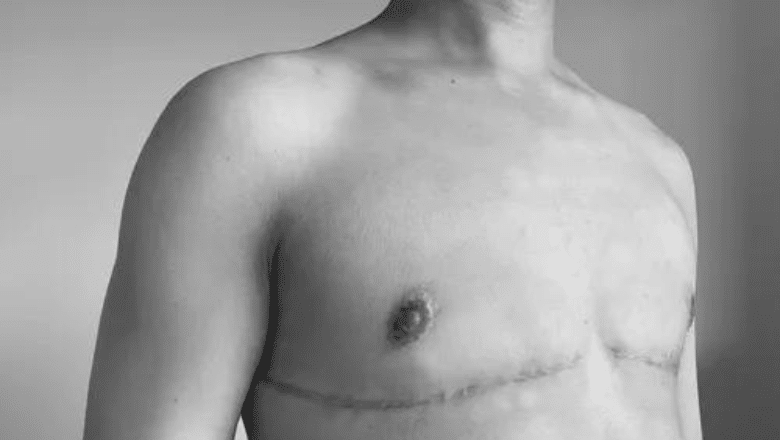
After chest masculinisation surgery (breast removal) for female to male (FTM) transition, the patient typically remains in our recovery suite for several hours post-procedure. This crucial timeframe is monitored meticulously by our medical personnel to ensure stability and comfort. Here are key components of what transpires during this immediate post-operative phase:
Vital signs assessment
Your vital parameters—heart rate, blood pressure, and respiratory rate—will be closely monitored by the medical team to assess your stability.
Pain management
It’s common to experience pain or discomfort after surgery. Our medical team will administer pain relief medication and deploy additional pain management strategies as required.
Fluid drainage management
Depending on the surgical approach and the surgeon’s discretion, you may have drains inserted to aid in the removal of surplus fluid from the surgical site. Our medical staff will oversee the performance of these drains, ensuring they function optimally.
Complications surveillance
Despite their rarity, complications can arise following any surgical procedure. Our medical team will vigilantly watch for signs of complications such as haemorrhage or infection, and will take swift action if needed.
Instruction provision:
You’ll receive pertinent information and instructions for the post-operative period from the medical team. This includes guidance on when to administer medications, how to manage wound care or drains, and when to arrange follow-up appointments.
Initial Seven Days after FTM Surgery
The initial week following chest masculinisation surgery (breast removal) in a female-to-male (FTM) transition is an imperative phase for convalescence. It’s a period where rest is paramount. Ideally, recline on your back at an angle of approximately 45 degrees to ensure comfort and avoid strenuous activity. Here is an overview of what typically transpires during the first week post-surgery:
Pain management
It’s not uncommon to experience pain, inflammation, and discomfort after surgery. Your surgeon will prescribe pain relief medication and recommend additional pain management strategies to help alleviate these symptoms.
Restful healing
The first week following the procedure requires ample rest to facilitate effective healing. Activities such as strenuous exertion, heavy lifting, or exercise should be firmly avoided during this time.
Wound dressing
After surgery, your incision sites will be covered with dressings or bandages to protect the area and promote healing. You will receive clear instructions from your surgeon on how to maintain these dressings and when they should be replaced.
Drain care
If surgical drains were installed during the operation, your duty will be to observe and care for them in alignment with your surgeon’s directives.
Postoperative consultation
Within the first week after surgery, you will have a scheduled appointment with your surgeon. This is to assess your recovery progress and to determine if any complications have arisen.
Emotional support
The initial week can potentially present emotional challenges for some patients as they adjust to their new physique and cope with any discomfort or pain. Emotional support from friends, family, or a professional therapist can prove incredibly beneficial during this time.
Fortnight Following Surgery: Weeks 2 and 3
The subsequent two weeks following chest masculinisation surgery (breast removal) as part of a female-to-male (FTM) transition constitute another essential phase of recuperation. During this span, you’ll notice advancements in your healing process and may be capable of resuming some light activities, such as mild ambulation within your home. It is still, however, crucial to avoid any heavy lifting or intensive exercise.
Month into the Recovery: Weeks 4 and 5
By the fourth week following chest masculinisation surgery, you should observe significant healing progress. Most daily activities, such as driving and returning to work, can be gradually resumed. However, any strenuous exertion or heavy lifting should still be avoided for a few more weeks. Low-intensity cardio activities, such as running, cycling, or using an elliptical trainer, can be cautiously initiated. During this period, your surgical scars should also start to appear less prominent.
Reaching the Milestone: Week 6
By the sixth week post-surgery, a majority of the swelling and bruising would have markedly reduced, and your surgical sites should be predominantly healed. More vigorous exercises and activities can be cautiously resumed, provided you adhere to your surgeon’s guidelines and avoid overexertion.
Top Tips for a Smooth Post-Surgical Journey
Adhere to Instructions
Follow the post-operative instructions provided by your surgical team precisely. This includes wound care, medications, and activity restrictions. Your surgeon’s advice is tailored to ensure a smooth recovery.
Sufficient Rest
Prioritise ample rest and sleep to allow your body the time it needs to heal and recover. Although it’s beneficial to reintegrate gentle activities into your routine gradually, avoid rushing your recovery.
Healthy Nutrition
Fuel your body with wholesome, nutritious foods to promote healing and immune function. Stay hydrated by drinking plenty of fluids.
Gradual Exercise
As mentioned earlier, begin by engaging in light activities such as gentle walking or stretching. Gradually increase the intensity and duration of your exercise as your strength and energy levels improve. Always follow your surgeon’s guidelines regarding exercise and activity.
Regular Follow-ups
Attend all post-operative appointments and communicate openly with your surgical team about your progress. Never hesitate to ask questions or voice any concerns.
Emotional Support
Recovery isn’t just physical; it’s emotional, too. Connect with friends, family, or seek professional help if needed to navigate through this transformative journey. Remember, it’s normal to experience a mix of emotions after surgery.
Scar Care
Follow your surgeon’s instructions regarding scar care. This often involves keeping the area clean and moisturised, avoiding sun exposure, and possibly using silicone sheets or gel for scar minimisation.
Frequently Asked Questions Regarding Post-operative Recovery Following Top Surgery
Can I sleep on my side after top surgery?
Post top surgery (breast removal) for female to male (FTM) transition, it is typically advised that patients sleep on their backs, not on their sides or stomach, for the first several weeks following the surgery. Sleeping on your side or stomach can put pressure on your chest and potentially disrupt the healing process or affect the cosmetic outcome. It is also recommended to prop yourself up with pillows to help reduce swelling and improve comfort while sleeping. The timeline for when you can start sleeping on your side again may vary depending on your individual healing process and your surgeon’s advice.
How long does it take for nipples to heal after top surgery?
The healing process for nipples after top surgery is usually spread over several weeks to a few months. During this initial healing phase, it’s common for the nipples to exhibit signs of tenderness, soreness, or swelling. Surgeons often employ the use of dressings or compression garments to aid the healing process and safeguard the nipples. Sensations in the nipples might range from numbness to hypersensitivity in this early stage. As the healing process unfolds, sensitivity should gradually return. The area surrounding the incision sites might appear raised or reddened, and the nipples could appear misshapen or flattened. However, as healing progresses, the nipples should gradually return to their natural shape and prominence.
When can I shower after top surgery?
The appropriate timing for showering after top surgery can vary based on specific instructions provided by your surgeon, as well as the type of dressings or bandages used. Generally, surgeons advise patients to wait until their first post-operative appointment before resuming showers, typically 1-2 weeks after surgery. During the initial post-operative period, it is essential to keep the chest area dry to prevent infection and promote incision site healing. Your surgeon will provide explicit instructions on how to manage your incision sites during this initial phase, which may include recommendations for sponge baths or cleaning the area with baby wipes. Once given clearance for showering, it’s crucial to avoid soaking or vigorously scrubbing the incision sites. Instead, allow water to gently cascade over the chest and use a mild soap to clean the area delicately. Avoid exposure to hot water as it can exacerbate swelling and inflammation.
When can I lift my arms after top surgery?
After top surgery, patients are generally advised to avoid raising their arms above their head for at least the first week following the procedure. This restriction is due to the strain that such movements place on the chest muscles and incision sites, which can potentially slow the healing process and increase the risk of complications.
How long does it take for sensation to return after top surgery?
Regaining sensation after top surgery can be a gradual process and varies from patient to patient. While some individuals may begin to notice returning sensation a few weeks after surgery, for others, it may take several months or more. The sensation may return as tingling, itching, or a pins-and-needles sensation. Keep in mind that while most patients experience some return of sensation, it may not be identical to the sensation they experienced before surgery. In some cases, certain areas, particularly around the nipple-areola complex, may experience permanent reduction in sensation.
How long does swelling last after top surgery?
Swelling is a commonplace postoperative symptom following FTM top surgery and can persist for weeks or even months. The severity and duration of swelling vary depending on individual healing timelines and the extent of the surgical procedure. Initial post-operative swelling can be considerable, typically peaking within 48-72 hours post-surgery. The swelling should gradually decrease over the ensuing weeks and months as the healing process progresses. Generally, most patients experience a significant reduction in swelling within 4-6 weeks after surgery. However, complete resolution of swelling may take several months. Any concerns or queries related to post-operative swelling should be discussed with your surgeon.
How soon after top surgery can I return to work?
The timeline for returning to work after top surgery largely depends on the nature of your job. If your work is primarily sedentary, such as desk work, you might be able to return to work after two weeks. However, if your job involves physical activity, heavy lifting, or strenuous movements, you may need to wait up to 6 weeks or more. Your surgeon will be able to provide specific advice based on your individual situation and recovery progress.
Choosing Centre for Surgery for FTM Top Surgery: Your Decision, Our Commitment
When considering a significant procedure such as FTM top surgery, you want to entrust your care to a surgical team that combines expertise, patient-focused care, and a commitment to achieving your desired outcome. At Centre for Surgery, we pride ourselves on these qualities.
Specialised Expertise
Our team comprises highly skilled surgeons with extensive experience in performing chest masculinisation surgery. They are up-to-date with the latest techniques and advancements in the field, ensuring that you receive state-of-the-art surgical care.
Patient-Centred Care
We recognise that each individual’s journey is unique. Our team is committed to providing personalised care that respects your identity and goals. From the initial consultation to post-operative care, we are here to support you every step of the way.
Comprehensive Pre-Operative Planning
We believe in educating our patients so they can make informed decisions about their care. We will discuss the procedure in detail, including potential risks and benefits, and work with you to create a surgical plan that aligns with your goals for transition.
Post-Operative Support
Recovery doesn’t end when you leave our facility. We provide thorough follow-up care to monitor your healing process, and our team is available to address any concerns or complications that may arise.
Private, Welcoming Environment
Our centre is designed to be a safe, inclusive space where you can feel comfortable expressing your needs and concerns.
[contact-form-7 id=”256″ title=”Treatments form”]