
Deciding to lose weight is always commendable and can dramatically enhance your overall quality of life. Yet, following substantial weight loss, you might find yourself dealing with an unexpected consequence – excess, sagging skin that can leave your physique looking less toned than you’d like. Such excess skin can undermine your hard-earned weight loss success, potentially causing skin irritation and functional difficulties. Fortunately, a lower body lift can be an effective solution, enhancing your body’s shape and contours by removing excess skin and lifting the buttocks to produce a more aesthetically pleasing appearance.
RELATED: Body Shaping Surgery after Massive Weight Loss
A lower body lift can deliver immediate, dramatic results. The procedure can transform previously saggy, flabby skin into a smoother, more contoured, and attractive physique. However, it’s crucial to remember that recovery from a lower body lift can be a challenging journey, requiring ample patience and dedication to post-operative care.
Before opting for a lower body lift surgery, it’s highly advisable to have a detailed discussion with a specialist plastic surgeon at the Centre for Surgery in London. Our expert surgeons can provide you with comprehensive insights into the procedure, including its cost and, more importantly, the projected recovery timeline. This information will give you a better understanding of what to expect during the recovery period, helping ensure you are fully prepared for the postoperative journey.
RELATED: Excess Skin Removal Surgery
What is Lower Body Lift Surgery?
Lower body lift surgery, also known as belt lipectomy, is a comprehensive body-contouring procedure designed to address cosmetic and functional issues associated with excess skin and fat in the mid and lower body. This procedure is particularly beneficial for individuals who have undergone significant weight loss, either naturally or through weight-loss surgery, and as a result have been left with loose, sagging skin.
RELATED: Body Lift Surgery After Massive Weight Loss – What to Expect
The lower body lift surgery primarily targets the abdomen, hips, buttocks, and thighs. The primary objective of the procedure is to remove excess skin and fat from these areas, while also lifting and tightening the remaining tissues to enhance the overall shape and contour of the lower body.
The process of a lower body lift typically begins with the surgeon making a circumferential incision around the waist, shaped like a belt—hence the name “belt lipectomy.” Through this incision, the surgeon removes excess skin and fat, tightens the underlying muscles if needed, and repositions the remaining skin to create a smoother, firmer appearance. Liposuction may also be incorporated into the procedure to optimise body contours.
How long does it take to recover from a Lower Body Lift?
Recovery from a lower body lift can be gradual and may vary depending on individual factors, such as overall health, age, and the extent of the surgery.
In general, patients can expect to return home within a few days after the procedure. However, it’s advisable to arrange home assistance for the first week or two after surgery. This is because daily activities, including moving around and self-care tasks, can be challenging during the initial stages of recovery.
After about two to three weeks, most patients can resume light activities. However, any strenuous physical activity, such as heavy lifting, intense workouts, or activities that may strain the surgical areas, should be avoided for at least 6 weeks or until your surgeon gives you clearance.
It’s typical to experience swelling, bruising, and discomfort in the treated areas during the first few weeks. These symptoms should gradually decrease over time. Pain medications can help manage discomfort, and wearing a compression garment can help reduce swelling and support healing tissues.
Most patients can return to work or their usual daily activities within four to six weeks after the procedure. However, it’s essential to listen to your body and not rush the recovery process.
It’s also important to note that while the results of a lower body lift are immediately noticeable, the final results of the surgery may take several months to become fully apparent as your body continues to heal and adjust. Scars from the incisions will also fade over time, but they may take up to a year or more to lighten and flatten significantly.
Regular follow-up visits with your surgeon are crucial during the recovery period. These visits allow your surgeon to monitor your healing progress, address any concerns, and provide further instructions for optimal recovery.
What are the Risks and Possible Complications of Lower Body Lift Surgery?
Like any major surgical procedure, a lower body lift carries potential risks and complications. These include, but are not limited to:
- Infection: Though rare, there’s a risk of developing an infection at the surgical site.
- Bleeding: There could be a potential for excessive bleeding or hematoma formation.
- Scarring is an inevitable consequence of surgical procedures, although its extent varies among individuals.
- Wound Dehiscence: A wound that splits open or fails to heal properly.
- Seroma: This is the accumulation of fluid in the area where tissue has been removed.
- Changes in Skin Sensation: Temporary or permanent changes in skin sensation may occur in the surgical area.
- Anaesthesia Risks: There are always potential risks associated with anaesthesia, including allergic reactions.
- Unsatisfactory Results: There may be dissatisfaction with the aesthetic results, possibly requiring additional procedures.
How long does it take the Scars to heal after a Lower Body Lift?
The process of scar healing after lower body lift surgery can be highly variable, as it depends on individual factors such as age, genetics, overall health, and skin type. Nonetheless, it’s essential to understand the typical timeline and what to expect throughout the healing process.
Immediately following the procedure, surgical incisions will appear red and somewhat swollen, which is a regular part of the healing process. Over the subsequent weeks, as your body recovers, the redness and swelling will gradually decrease.
Approximately two to three months post-surgery, you may notice that the scars start to become firmer and darker. This is also a normal phase of scar maturation and not a cause for alarm.
Significant changes in scar appearance generally occur between 3 and 9 months after surgery. During this period, the scars typically start to lighten, flatten, and soften. However, the complete maturation of scars can take up to a year or even longer in some individuals.
The final appearance of the scars will depend on how your body heals. In some cases, scars fade into thin, barely noticeable lines. In others, scars may remain more visible. However, our surgeons utilise specific techniques and strategically place incisions to minimise visible scarring.
Top Tips for Recovery after Lower Body Lift
Recovering from a lower body lift surgery involves not just physical healing but also emotional adjustment. The following are some tips that can facilitate a smoother recovery process:
Follow Your Surgeon’s Instructions
After the procedure, your surgeon will provide you with a list of detailed post-operative care instructions. It’s crucial to adhere to these guidelines to optimise your recovery and the results of your surgery.
Arrange for Assistance
As you will have limited mobility in the first few days after surgery, it’s advisable to arrange for a friend, family member, or caregiver to assist you with daily tasks.
Stay Hydrated and Maintain a Balanced Diet
Proper nutrition and hydration are crucial for healing. A diet rich in protein, fruits, vegetables, and whole grains can accelerate recovery.
Rest and Sleep
Give your body enough time to heal. Adequate rest and sleep can promote faster recovery.
Gentle Exercise
While strenuous activities should be avoided, light exercise such as walking can enhance circulation, reduce the risk of blood clots, and support your overall well-being.
Wear Compression Garments
Your surgeon may recommend wearing compression garments. These can help reduce swelling, support healing tissues, and improve the contouring effect of the surgery.
Attend All Follow-up Appointments
Regular check-ups with your surgeon are crucial for monitoring your progress and addressing any concerns promptly.
Practice Good Wound Care
Keep surgical incisions clean and dry to minimise the risk of infection.
Avoid Smoking and Alcohol
Smoking can impede healing and increase the risk of complications. Similarly, alcohol can interfere with your recovery process.
Patience
Healing takes time. Be patient with your body as it recovers, and refrain from rushing to return to your routine activities. It may take several months for the swelling to fully subside and for the final results to become apparent.
What Can I Do to Speed Up Recovery after a Lower Body Lift?
Recovery following lower-body lift surgery is a crucial stage that requires adherence to specific guidelines to facilitate a speedy, smooth healing process. Here are some ways to enhance your recovery:
Quit Smoking
Smoking impedes the healing process by reducing the amount of oxygen in the blood, which is necessary for wound healing. It’s strongly recommended to quit smoking before and after surgery to enhance your recovery.
Use Cold Compresses
Applying cold compresses can help manage inflammation and alleviate discomfort. However, do not apply these directly to the surgical area or leave them on for an extended period, as this can cause skin damage.
Maintain a Nutritious Diet and Stay Hydrated
Your body requires a diverse range of nutrients to heal effectively. Ensure your diet is rich in proteins, vitamins, and minerals. Staying well-hydrated is also essential for healing and overall health.
Avoid Hot Showers
While a hot shower might seem soothing, it can potentially increase swelling in the early stages of recovery. Instead, opt for lukewarm or cooler showers until your surgeon gives you the green light for warmer ones.
Consider Massage Treatments
Once your surgeon clears you, gentle lymphatic massage treatments can help reduce post-operative swelling and promote a faster recovery. However, make sure these massages are performed by a certified professional who is knowledgeable about post-surgery care.
Consider Silicone Strips and Gels for Scar Management
Silicone-based products have been shown to aid in scar healing by reducing scar thickness and discolouration after 4 weeks. However, always consult with your surgeon before starting any new treatment.
Lower Body Lift Recovery FAQs
How long does the swelling persist following a Lower Body Lift?
After lower body lift surgery, some swelling is to be expected. This swelling usually subsides within 6 to 9 weeks. It’s also common to experience mild discomfort, a burning sensation, and numbness along the lower incision line following the surgery. However, these symptoms typically alleviate as your recovery progresses.
How long does it take to heal after a lower body lift?
The healing period for a lower body lift can span up to a year, particularly for the complete healing of surgical scars. It is usually recommended that patients arrange at least 2 weeks off work to ensure adequate initial recovery. Moreover, a timeframe of 4 to 6 weeks is generally necessary to restrict regular activities and allow proper healing. After surgery, patients may experience swelling, which can persist for several weeks. Prioritising rest, especially during the first week following surgery, is crucial for adequate recovery. By the third or fourth week, a significant reduction in swelling can usually be observed. It’s essential to note that recovery duration can vary among individuals, as everyone’s healing process is unique.
Where are the scars located following a Lower Body Lift Procedure?
The incisions made during a lower body lift surgery inevitably result in scars encircling the lower trunk of the body. The scar typically starts above the pubic region and curves around the hipbones to join the incision on the other side. Despite the likelihood that scars will fade over time, they may never disappear entirely. Thus, one can expect scars on the hips, thighs, and lower back, the sites where the surgical incisions are primarily made. In most cases, with time, these scars gradually become less prominent and less noticeable.
Is Body Lift Surgery Permanent?
The effects of lower body lift surgery can potentially last for many years, or even decades, especially when complemented by a healthy lifestyle and diligent care. Nonetheless, patients should bear in mind that over time, subtle transformations will occur as a natural response to the body’s ageing process.
When can I bend over after a Lower Body Lift?
After lower body lift surgery, it is advisable to minimise bending and stretching for the first few weeks. This is to avoid placing undue stress on the surgical site. For this reason, patients are often advised to walk with a slight forward hunch to mitigate the strain on the healing area.
Why choose Centre for Surgery?
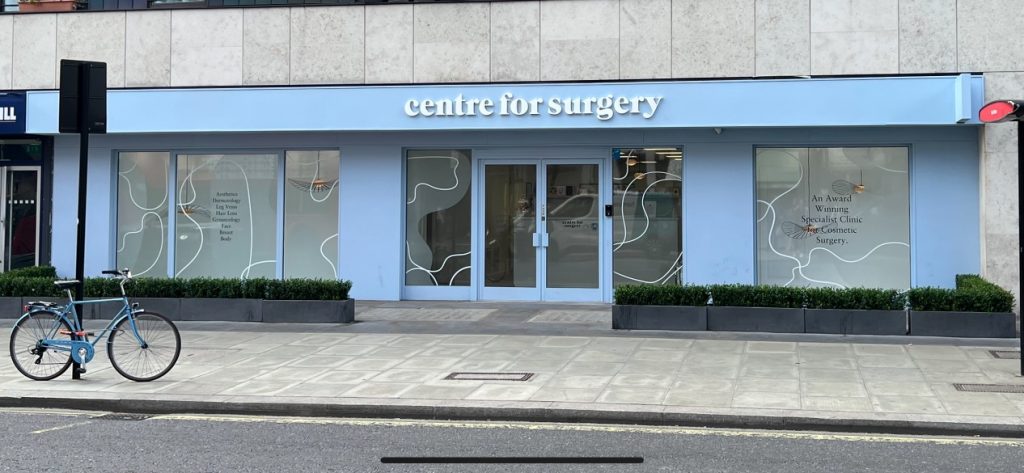
Choosing Centre for Surgery is an excellent decision due to our dedication to patient care and our outstanding track record of delivering high-quality post-weight-loss surgery. We are a specialist plastic surgery clinic located in London, UK, known for our team of highly experienced surgeons and medical professionals.
At Centre for Surgery, we prioritise patient safety above all else. We maintain rigorous hygiene standards and utilise the most up-to-date surgical techniques. Our plastic surgeons have extensive training and experience, which ensures they are well-equipped to perform complex procedures. Our team is dedicated to helping patients make informed decisions about their treatment by providing comprehensive information on the potential benefits, risks, and realistic outcomes associated with each procedure.
We understand that the decision to undergo belt lipectomy surgery can be a significant one. Hence, we strive to create a comfortable and reassuring environment for our patients. We offer a full range of body contouring procedures, including belt lipectomies, arm lifts, thigh lifts and breast lifts, all designed to help you achieve your aesthetic goals.
Additionally, at Centre for Surgery, we offer multiple financing options to make our services accessible to a broader range of patients. We believe that everyone should have access to high-quality cosmetic care, which is why we offer various medical payment plans to meet your individual financial needs.
For those considering post-weight loss surgery or other forms of body contouring, we offer detailed consultations at our Baker Street clinic to provide comprehensive insights into what you can expect from these procedures. Our goal is to make you feel supported throughout your cosmetic surgery journey, from your initial enquiry to your post-operative care and beyond.
Choosing Centre for Surgery means choosing excellence in cosmetic care. We invite you to contact us to learn more about how we can help you achieve your aesthetic goals.
[contact-form-7 id=”256″ title=”Treatments form”]