
Gynecomastia, often referred to as “man boobs” or enlarged male breast tissue, can be distressing at any age, but it is particularly difficult for teenagers. This condition involves the development of excess glandular tissue or fat in the chest, leading to a feminine appearance of the breasts. For many boys, it appears during puberty and can cause embarrassment, social anxiety, and a significant drop in self-confidence. Understandably, many teenagers wonder if male breast reduction surgery is available for them.
At Centre for Surgery in London, we specialise in advanced procedures for gynecomastia and help patients regain their confidence through expert care. Our team understands the emotional and physical impact this condition can have, especially in younger patients and their families.
While the desire to correct gynecomastia at an early stage is natural, surgery is usually not recommended for those under 18. Puberty brings rapid hormonal changes, and in many cases, the breast tissue resolves without treatment. This article examines why gynecomastia surgery is typically delayed until adulthood, the non-surgical and supportive approaches available for teenagers, and what young men and their parents should consider when contemplating future treatment.
RELATED: Male Cosmetic Surgery at Centre for Surgery
Gynecomastia in Teenagers
Gynecomastia is most common during adolescence. As testosterone and oestrogen levels fluctuate during puberty, the hormonal imbalance can stimulate breast tissue growth. It is estimated that up to 65% of teenage boys experience some degree of gynecomastia. The majority of cases are temporary, resolving naturally within a few months to two years once hormones stabilise.
The condition can present as a small, firm lump beneath one or both nipples, or it can lead to a fuller, softer chest that mimics female breast development. While not usually harmful, the appearance can trigger teasing at school, avoidance of sports, reluctance to remove shirts in public, and in severe cases, depression or social withdrawal.
Why Surgery is Rarely Performed Under 18
Parents and teenagers often enquire about immediate surgery, but reputable plastic surgeons rarely operate on under-18s. There are several reasons for this cautious approach.
Firstly, the hormonal changes of puberty are not complete before the age of 18. In many cases, the breast tissue reduces naturally once hormone levels balance. Performing surgery before the end of puberty risks recurrence if breast tissue grows again.
Secondly, younger patients may not yet be emotionally mature enough to handle the long-term implications of cosmetic surgery. Undergoing an operation involves understanding potential risks, scarring, recovery time, and realistic expectations of results. Surgeons want to ensure the patient is ready for such a step.
Thirdly, medical guidelines and ethical standards in the UK emphasise waiting until adulthood for most cosmetic procedures unless there is an urgent medical reason. For gynecomastia, the physical impact is usually cosmetic rather than harmful, meaning the priority is often supportive care until surgery becomes an option later.
What Teenagers Can Do Before Surgery is an Option
For teenagers struggling with gynecomastia, waiting for surgery can be frustrating, but there are several supportive steps to help manage the condition until adulthood.
Lifestyle adjustments are the first approach. Weight management can help reduce excess chest fat in overweight teens, although it cannot eliminate glandular breast tissue. Regular exercise, particularly chest and upper body training, can improve overall appearance, posture, and confidence, even if the breast tissue itself does not fully disappear.
Medical assessment is another critical step. A GP can rule out underlying causes such as medication side effects, endocrine disorders, or rare tumours. In some cases, adjusting medication or treating an underlying hormonal imbalance can reduce the condition.
Clothing choices can also make a difference. Compression tops or well-fitted sports clothing help flatten the chest, allowing teenagers to feel more comfortable in social situations. While not a cure, these garments can be an effective short-term solution.
Finally, emotional support is crucial. Teenagers often need reassurance that they are not alone and that the condition is prevalent. Parents, counsellors, or support groups can play a role in reducing anxiety and improving self-esteem.
Male Breast Reduction Surgery After 18
For young men who continue to have gynecomastia after puberty, surgery becomes a safe and effective option once they turn 18. Male breast reduction is one of the most common cosmetic procedures for men and delivers lasting results when performed by an experienced surgeon.
The surgery involves removing glandular breast tissue, fat, and sometimes excess skin to create a flatter, more masculine chest. Techniques vary depending on the severity of the condition. Liposuction alone may be suitable for cases caused by excess fat, while gland excision is required when firm breast tissue is present. For more advanced cases with stretched skin, skin tightening or nipple repositioning may also be performed.
At Centre for Surgery, our surgeons use advanced methods to minimise scarring and downtime. Most patients return to work or school within a week, and visible improvements are noticeable immediately. With proper recovery and lifestyle maintenance, results are permanent.
RELATED: Gynecomastia Surgery FAQs – Q&A about Male Breast Reduction
Psychological Benefits of Male Breast Reduction Surgery
The impact of gynecomastia extends far beyond physical appearance. Many young men experience years of embarrassment and low confidence. Male breast reduction surgery has been shown to significantly improve body image, self-esteem, and overall quality of life.
After surgery, patients often feel comfortable participating in sports, wearing fitted clothing, or enjoying beach holidays without anxiety. For teenagers who have waited years, reaching adulthood and finally undergoing surgery can be a life-changing milestone.
When to Seek Professional Advice
If a teenager is experiencing persistent or severe gynecomastia, it is important to consult a GP or specialist plastic surgeon. Although surgery may not be recommended until adulthood, an early consultation provides reassurance, medical assessment, and a clear plan for the future. Parents should encourage open conversations and avoid minimising the emotional distress the condition can cause.
For young adults over 18, arranging a consultation with a qualified surgeon is the best way to understand whether surgery is appropriate. The surgeon will conduct a physical examination, review the medical history, and outline the most suitable surgical techniques for the individual.
Frequently Asked Questions About Gynecomastia in Teenagers
Can a 16-year-old have gynecomastia surgery?
No, surgery is rarely carried out on patients under 18. Hormonal changes are still ongoing, and the breast tissue often resolves naturally by the end of puberty.
Why do teenage boys develop man boobs?
The most common reason is a temporary hormonal imbalance during puberty. Increases in oestrogen relative to testosterone can lead to breast tissue growth, which often corrects itself over time.
Can exercise cure gynecomastia in teenagers?
Exercise can improve muscle tone and reduce fat in the chest, which may help the chest appear flatter. However, it cannot remove the glandular tissue responsible for true gynecomastia.
Will losing weight make teenage gynecomastia go away?
Weight loss may help reduce excess fat in the chest, but it will not eliminate glandular breast tissue. Even slim or athletic teenagers can have persistent gynecomastia.
Is gynecomastia dangerous for teenagers?
The condition is not harmful in itself, but it can cause emotional distress. Rarely, underlying health issues such as hormonal disorders, medication side effects, or liver problems can contribute, which is why a medical assessment is recommended.
What is the best age for male breast reduction surgery?
The best age is after 18, when puberty is complete and breast tissue has stabilised. Surgery performed at this point gives long-term results with a low chance of recurrence.
How long does recovery take after gynecomastia surgery?
Most patients return to light activities within a few days and are back at school, university, or work in about a week. Full recovery, including resuming gym workouts and contact sports, usually takes four to six weeks.
Are the results permanent after gynecomastia surgery?
Yes, once glandular tissue is removed, it does not grow back. However, maintaining a stable weight, avoiding steroid misuse, and keeping a healthy lifestyle help protect results.
Will there be visible scars after male breast reduction?
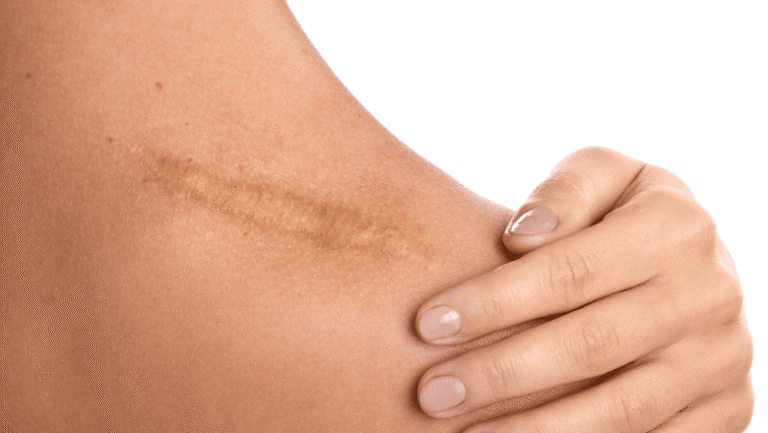
Modern surgical techniques are designed to minimise scarring. Small incisions are usually hidden around the edge of the areola or in natural chest folds. Scars fade over time and become much less noticeable.
How much does gynecomastia surgery cost in London?
The price depends on the severity of the condition and the surgical technique required. Liposuction alone is usually less expensive than surgery involving gland removal or skin tightening. At Centre for Surgery, clear cost guides are available, and patients receive a full quotation after consultation.
Is gynecomastia surgery covered by the NHS?
In almost all cases, male breast reduction is considered a cosmetic procedure and is not funded by the NHS. Surgery is usually paid for privately at a specialist cosmetic surgery clinic.
What kind of anaesthesia is used for male breast reduction?
The procedure is commonly performed under general anaesthesia to ensure maximum comfort. Some smaller cases using liposuction alone may be performed under local anaesthesia with sedation, depending on suitability.
Do compression garments need to be worn after surgery?
Yes, patients wear a compression vest for several weeks after the procedure. This helps reduce swelling, supports healing, and ensures the chest contours settle smoothly.
Can gynecomastia return after surgery?
In rare cases, breast tissue may redevelop if the underlying cause is not controlled, such as anabolic steroid use, certain medications, or extreme weight gain. Choosing an experienced surgeon and maintaining a healthy lifestyle can help reduce this risk.
Is there an age limit for male breast reduction?
While surgery is generally avoided in individuals under 18, there is no strict upper age limit. Many men in their 30s, 40s, and even older choose to have surgery successfully, provided they are in good overall health.
What is the difference between pseudogynecomastia and true gynecomastia?
Pseudogynecomastia refers to enlarged male breasts caused mainly by excess fat. True gynecomastia involves the growth of glandular tissue. A consultation helps determine which type is present and which treatment is required.
About Centre for Surgery
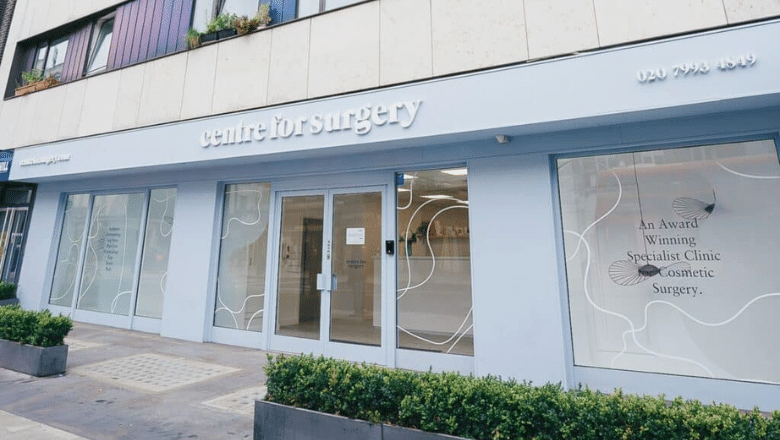
Centre for Surgery is a leading cosmetic surgery clinic located on Baker Street in the heart of central London. As a specialist plastic surgery hospital, we are recognised for our expertise in male breast reduction and a wide range of advanced cosmetic treatments. Our team of highly trained surgeons are among the most experienced gynecomastia specialists in London, offering personalised care and exceptional results.
Patients choose us not only for surgical excellence but also for our commitment to safety, support, and aftercare. We provide a discreet and welcoming environment, ensuring every patient feels fully informed and confident about their treatment journey.
Whether you are seeking before and after photos of gynecomastia surgery, want to learn more about cosmetic surgery costs in London, or prefer to explore our private Baker Street hospital, you will find clear, detailed information to help guide your decision.
At Centre for Surgery, we take pride in being one of London’s most trusted cosmetic surgery providers. If you are considering male breast reduction surgery, our dedicated team is here to offer honest advice, state-of-the-art techniques, and natural results that restore confidence.
RELATED: View all Male Cosmetic Surgery procedures at Centre for Surgery
[contact-form-7 id=”256″ title=”Treatments form”]