
How to Sleep After Otoplasty Surgery
Otoplasty, also known as ear reshaping surgery, is a transformative procedure that can have a profound impact on individuals’ lives. Many individuals opt for this surgery after facing challenges due to the size or shape of their ears, which can cause discomfort and self-consciousness from a young age. The emotional toll, often exacerbated by unwelcome attention or teasing, underscores the significant positive change otoplasty can bring into the lives of those who opt for it.
The journey towards this transformation is accompanied by a dedicated consultation process, where our skilled surgeons engage in detailed discussions with potential patients. A key area of interest during these consultations is the recovery phase, particularly the best sleeping positions post-surgery to ensure optimal healing and comfort. Understanding the importance of an informed and prepared patient experience, our team at Centre for Surgery is committed to providing thorough guidance and support throughout the recovery process.
This dedicated approach to patient education includes sharing essential advice on post-operative care, such as maintaining the ideal sleeping position to minimise discomfort and facilitate a smoother healing process. Our surgeons’ commitment to patient care extends beyond the operating room, ensuring every individual feels supported and knowledgeable about their recovery journey.
What is Otoplasty?
Otoplasty, commonly known as cosmetic ear surgery, is a specialised procedure aimed at altering the appearance of the ears by modifying their shape, size, or proportion. This surgical intervention is sought after by a diverse group of individuals across the UK, encompassing both men and women who are concerned with the aesthetic and structural aspects of their ears. The motivations for pursuing otoplasty are varied, but they often stem from a desire to address issues related to ears that protrude significantly from the head or to correct irregularities present from birth or resulting from an injury.
The reasons individuals opt for otoplasty extend beyond cosmetic preferences; for many, the procedure is a pathway to enhancing self-esteem and confidence. The impact of ear appearance on personal and social perceptions can be profound, with some experiencing undue attention or remarks about their ears’ prominence or shape. Otoplasty offers a solution to these concerns, providing a means to achieve a more balanced and harmonious facial appearance.
RELATED: Benefits of Otoplasty
The procedure itself is meticulously tailored to meet the unique needs and aesthetic goals of each patient. Surgeons utilise advanced techniques to reshape the cartilage within the ear, creating a more aesthetically pleasing contour and alignment relative to the head. Whether addressing ears that protrude more than desired, correcting asymmetry, or repairing deformities caused by injury, otoplasty can significantly improve the appearance and self-perception of individuals.
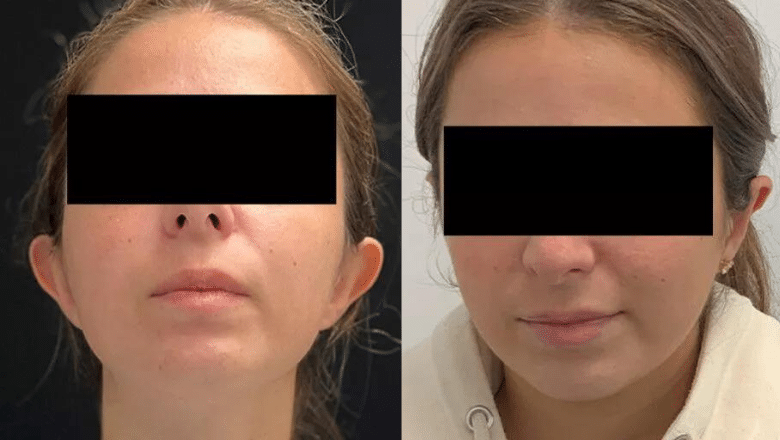
In addition to the aesthetic benefits, otoplasty can also offer functional advantages in some instances. For individuals whose ear shape may contribute to hearing issues or discomfort with eyewear or headgear, surgical adjustments can provide relief and improve quality of life.
RELATED: Otoplasty Before & After Photos
How Do You Sleep After an Otoplasty?
Following otoplasty surgery, a significant aspect of the recovery process involves managing swelling and ensuring optimal healing conditions for your ears. It’s normal for patients to experience swelling for up to two weeks after surgery, with the possibility of residual swelling lasting up to six weeks. Upon awakening from otoplasty, you will find your ears securely wrapped with a compression headband. This headband plays a crucial role in your recovery, designed to be worn continuously, especially while sleeping, until it is removed during a follow-up appointment with your surgeon.
To safeguard the results of your surgery, alleviate discomfort, and minimise excessive swelling, it’s essential to adhere to specific sleeping guidelines during the recovery phase:
Ensuring Back-Only Sleep Position
In the initial week following your otoplasty, and until your surgeon advises otherwise, it is imperative to sleep on your back exclusively. Sleeping on your side can lead to increased discomfort, heightened swelling, and potentially compromise the quality of your surgical results. This back-only position helps maintain the integrity of your ear’s new shape and alignment during the critical early stages of healing.
Elevating the Head with Pillows
For those recovering from otoplasty and choosing to sleep in a bed, it’s important to elevate your head using pillows. Strategically placing several pillows behind and to the sides of your head not only supports elevation but also prevents the likelihood of rolling over during sleep. This elevated position is instrumental in reducing discomfort and hastening the resolution of bruising and swelling, thereby accelerating the overall healing process.
Considering the Use of a Recliner
For patients who find it challenging or uncomfortable to maintain the recommended sleeping position in bed, sleeping in a recliner may offer a viable alternative. A recliner naturally keeps your head elevated and limits movement throughout the night, providing a comfortable and stable sleeping environment conducive to optimal recovery.
Essential Advice for Smooth Otoplasty Recovery
Recovering from otoplasty, or ear reshaping surgery, involves more than just the initial precautions of sleeping on your back and keeping your ears protected. To ensure a smooth and speedy recovery, incorporating a few more strategies into your post-operative care can make a significant difference.
Keep Your Head Elevated
One of the simplest yet most effective ways to aid your recovery is by keeping your head elevated. This is particularly important during the first few weeks following your surgery. Using pillows to prop up your head not only helps in reducing swelling but also significantly lowers the chance of developing additional redness or irritation around the surgical site.
Maintain a Cool and Dry Head
Ensuring that your head remains cool and dry while your ears are bandaged is crucial. This involves being extra careful when showering to prevent the bandages from getting wet and avoiding the use of hair dryers, straighteners, or any heat-based hair appliances.
Adhere to Medication Guidelines
Following your surgeon’s instructions regarding medications is key to a successful recovery. Before your surgery, your surgeon may prescribe specific medications to reduce pain, swelling, and the risk of infection. Taking these medications as directed is vital for preventing complications and ensuring a smooth recovery.
Focus on Nutritious Eating
What you eat during your recovery can significantly impact how quickly and effectively your body heals. Opting for a diet rich in nutritious foods rather than indulging in junk food is advisable. Focus on incorporating proteins, whole grains, fruits, and vegetables into your meals to provide your body with the essential nutrients it needs to recover.
Avoid Unnecessary Contact with Your Ears
It’s important not to rub or touch your ears during the recovery period. Additionally, wearing clothes that are easy to put on and take off without brushing against or pulling on your ears can prevent accidental irritation.
Otoplasty Recovery: Your Questions Answered

How long will my ears be swollen after otoplasty?
Swelling is a natural part of the healing process following otoplasty, and it varies from person to person. Typically, you might notice your ears are quite swollen immediately after the procedure. This initial swelling usually starts to subside after a few days. Most people observe a significant reduction in swelling between three days to one week. As the swelling decreases, you’ll begin to see the actual results of your surgery.
For how long will my ears feel numb after otoplasty?
Numbness following otoplasty is a common experience, with the duration varying significantly based on several factors, including the specific surgical techniques employed and the extent of the procedure. For some, the sensation of numbness begins to fade within a month, while for others, it may persist for up to nine months. It’s important to remember that recovery is a highly individual process, influenced by the body’s unique healing response as well as the specifics of the surgical technique used.
Otoplasty Surgery at Centre for Surgery: Transforming Lives with Expertise
We are dedicated to providing our patients with the highest standard of care in cosmetic surgery, with a particular focus on otoplasty, or ear reshaping surgery. Our state-of-the-art clinic, located in the heart of London, is renowned for its exceptional surgical expertise, compassionate patient care, and outstanding results. Our team of highly skilled surgeons utilises the latest techniques and technologies to ensure the best possible outcomes for our patients, tailoring care to meet each individual’s unique needs and aesthetic goals.
Patient Testimonials
James, London: “My experience at Centre for Surgery was nothing short of exceptional. From the moment I walked into their clinic on Baker Street, I felt welcomed and at ease. The otoplasty procedure has truly changed my life, giving me the confidence I never knew I could have. I’m incredibly grateful to the entire team for their professionalism and care.”
Sophia, Manchester: “Choosing Centre for Surgery for my ear surgery was the best decision I’ve ever made. The staff were incredibly supportive throughout the entire process, and the results are absolutely amazing. My ears look completely natural, and I finally feel comfortable in my own skin.”
Liam, Birmingham: “The level of care I received at Centre for Surgery was outstanding. The surgeons and staff went above and beyond to ensure I was fully informed and comfortable every step of the way. The outcome of my otoplasty surgery has exceeded my expectations, and I can’t thank them enough.”
Book Your Consultation Today
If you’re considering otoplasty surgery and want to learn more about how we can help you achieve your desired results, we invite you to book a consultation with one of our expert surgeons. Contact us at 0207 993 4849 or via email at contact@centreforsurgery.com to schedule your appointment.
For more information about our clinic and the services we offer, please visit our About Us page at Centre for Surgery – About Us. Here, you can also explore our comprehensive FAQs, read through our informative plastic surgery blog for additional insights, and learn about our flexible finance options, including 0% APR with Chrysalis Finance.
Our clinic is conveniently located at 95-97 Baker Street, London W1U 6RN. For directions and more details about our Baker Street clinic, please visit Centre for Surgery – Baker Street Clinic.
[contact-form-7 id=”256″ title=”Treatments form”]