
Fed up with feeling self-conscious because you think your nose looks like it’s pointing upwards? Getting a nose job could be the answer to making those dreams a reality. Whether for cosmetic or functional reasons, people with an upturned nose often experience self-consciousness and may feel that their nose doesn’t harmonise well with the rest of their facial features.
However, fixing an upturned nose or a celestial nose isn’t straightforward. It requires a highly skilled surgeon who thoroughly understands the intricate details of how the nose is constructed and how it should integrate with the rest of your face. That’s why choosing the right clinic for upturned nose rhinoplasty is absolutely critical.
RELATED: How To Make Your Nose Smaller
What Exactly Is an Upturned Nose?
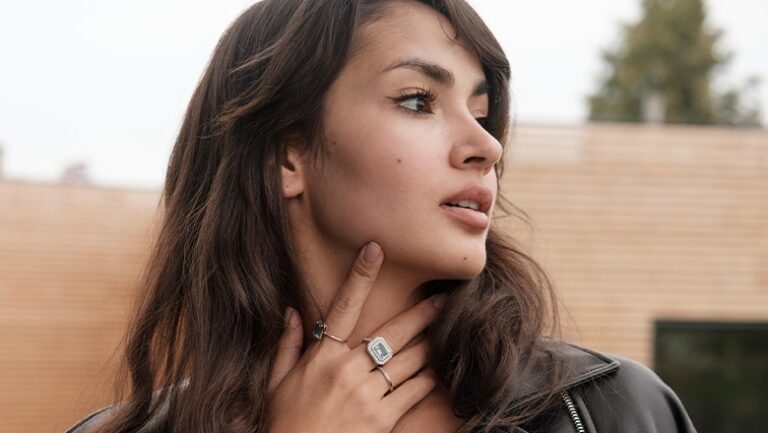
An upturned nose or celestial nose is a particular shape of the nose characterised by a tip that tilts slightly upwards. This gives the nose a somewhat shorter appearance and makes the nostrils more visible from the front view. The term “celestial nose” is sometimes used because this upward tilt can give the nose a whimsical, fairylike appearance.
From a cosmetic perspective, an upturned nose can be perceived as out of balance with the rest of the facial features, particularly in relation to the chin and forehead. This perceived imbalance can have a considerable impact on a person’s facial harmony. The nose is, after all, the centrepiece of the face, and its shape and position significantly influence the overall facial aesthetics.
Beyond Aesthetics: The Medical Perspective
From a medical perspective, having an upturned nose can also have functional implications, particularly in terms of breathing. The upward tilt of the nasal tip may narrow the nasal passage, making it harder for air to flow freely. This restriction could potentially contribute to breathing difficulties or snoring. In such cases, rhinoplasty can serve both cosmetic and functional purposes, addressing the aesthetic concerns while also improving the airflow through the nose.
Addressing the Issue: What Are Your Options?
Given the potential cosmetic and functional implications of an upturned nose, it’s not surprising that many people seek ways to correct it. One of the most effective and commonly chosen solutions is rhinoplasty, a surgical procedure tailored to reshape the nose. However, there are also non-surgical alternatives worth considering, depending on your individual circumstances and the degree of change you’re looking to achieve.
Upturned Nose Rhinoplasty Procedure
Rhinoplasty involves carefully modifying the bones and cartilage in your nose to achieve the desired look or functionality. The procedure is personalised to each patient, taking into account their unique facial anatomy, aesthetic goals, and medical history.
During your one-on-one consultation at Centre for Surgery, your surgeon will take a thorough look at your medical history, assess your specific concerns, and closely evaluate your nasal anatomy. You’ll have the chance to discuss your desired outcome and any questions you may have about the procedure.
On the day of surgery, you’ll be placed under general anaesthesia. The surgeon will make precise incisions, typically inside the nostrils or across the narrow strip of tissue that separates the nostrils — a technique known as the open approach. Through these incisions, the surgeon will carefully reshape the cartilage and bone, and close the incisions with sutures.
Post-surgery, you’ll notice some swelling and bruising, which are normal and expected. To minimise swelling, you’ll need to keep your head elevated and avoid blowing your nose for the first few weeks. Your surgeon will provide detailed instructions for aftercare to promote optimal healing.
Expectations and Risks: The Full Picture on Upturned Nose Rhinoplasty
While rhinoplasty for an upturned nose has the potential for life-changing outcomes, it’s vital to set realistic expectations. The goal is to improve your nose’s appearance and potentially its function, but it’s essential to understand that the results may not be perfect, and multiple revisions might be needed.
The surgery is generally an outpatient procedure, allowing you to head back home the same day. Most patients find themselves back at work within a few days and fully able to resume more vigorous activities within about four weeks. However, everyone heals at their own pace, and the final results of rhinoplasty can take up to a year to be fully visible, as swelling gradually subsides.
It’s also important to be aware of the potential risks and complications associated with rhinoplasty. While it’s a commonly performed and generally safe procedure, like any surgery, it does carry certain risks. Common surgical risks include infection, bleeding, adverse reactions to anaesthesia, scarring, persistent swelling or bruising, altered skin sensation, or dissatisfaction with the aesthetic outcome. In rare cases, more serious complications can occur. Your surgeon will discuss these risks with you in detail during your consultation, and they’ll take measures to minimise them.
Non-Surgical Alternatives for Correcting an Upturned Nose
While rhinoplasty is a highly effective option, it’s not the only way to address an upturned nose. For those who are not ready for surgery or who prefer less invasive options, there are non-surgical alternatives to consider.
Dermal Fillers: The Quick Fix
Also known as “non-surgical rhinoplasty,” dermal fillers are injectable gels used to add volume to specific areas of the face. In the context of an upturned nose, they can be strategically placed to create the illusion of a straighter, more balanced nose. This option provides immediate results and requires minimal downtime. However, the effects are temporary, typically lasting between 9-12 months, after which the treatment needs to be repeated.
Non-Surgical Nose Thread Lift: The Subtle Lift
This non-surgical nose thread lift option involves inserting dissolvable threads into the nose to gently lift and reshape its tip, minus the surgical incisions. This procedure can provide a subtle lift and definition to the nose, making it a less drastic alternative to rhinoplasty. The effects are temporary, but it can be a good option for those looking for a subtle change or those who want to try out a new look before committing to surgery.
Explore More About Rhinoplasty at Centre for Surgery
RELATED: Rhinoplasty Before & After Photos
RELATED: How Much Does a Nose Job Cost?
RELATED: Rhinoplasty FAQs — Q&A About Nose Surgery
RELATED: Ethnic Rhinoplasty — Tailored Nose Surgery for Different Ethnicities
RELATED: Revision Rhinoplasty — Correcting Previous Nose Surgery
RELATED: Nasal Tip Surgery — Tip Plasty and Tip Refinement
RELATED: Septorhinoplasty — Combined Rhinoplasty and Septoplasty
Upturned Nose Rhinoplasty in London – Why Choose Centre for Surgery?
At Centre for Surgery, we’re not just about changing appearances; we’re about transforming lives. We recognise the emotional weight an upturned nose can carry, impacting your self-esteem and daily interactions. Our team of highly skilled and experienced surgeons specialise in rhinoplasty and other nose surgeries, offering personalised solutions that align with your unique needs and aesthetic goals.
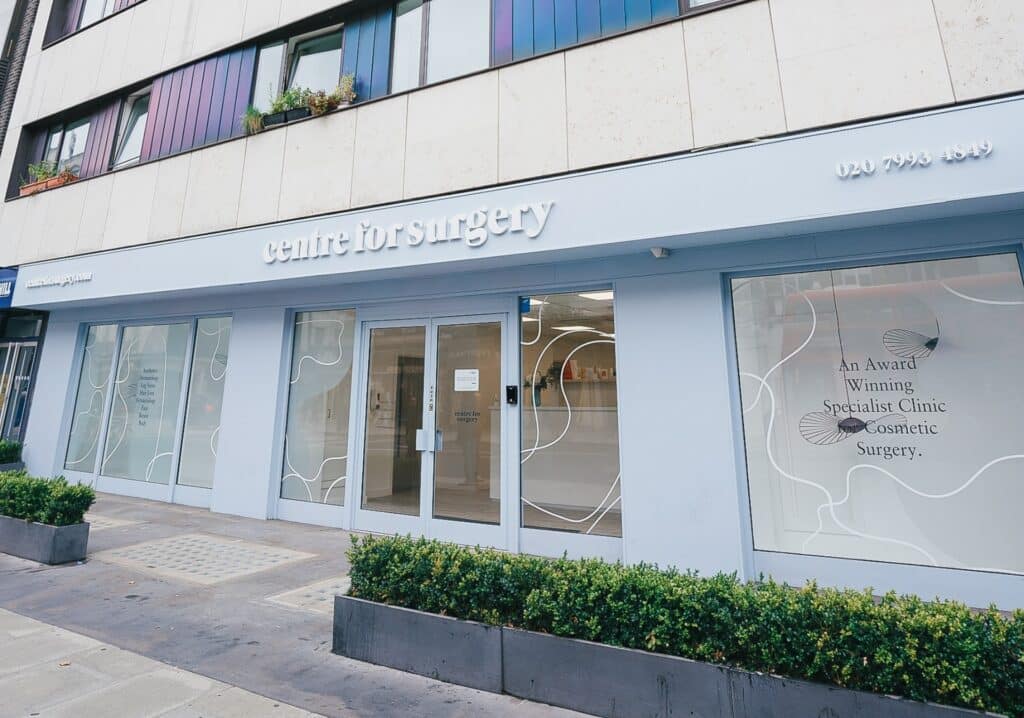
We are committed to providing the highest standard of care, from your initial consultation to post-operative recovery, guiding you every step of the way. Our state-of-the-art facility on Baker Street in London is equipped with the latest medical technology, ensuring the highest standards of safety and care.
For more information, visit our About Us page, explore our Finance Options, read our Plastic Surgery Blog, check our Clinic FAQs, or learn about our Baker Street Clinic.
📞 Phone: 0207 993 4849
📧 Email: contact@centreforsurgery.com
📍 Address: 95-97 Baker Street, London W1U 6RN
Finance options including 0% APR with Chrysalis Finance are available — visit our Finance Options page.
[contact-form-7 id=”256″ title=”Treatments form”]