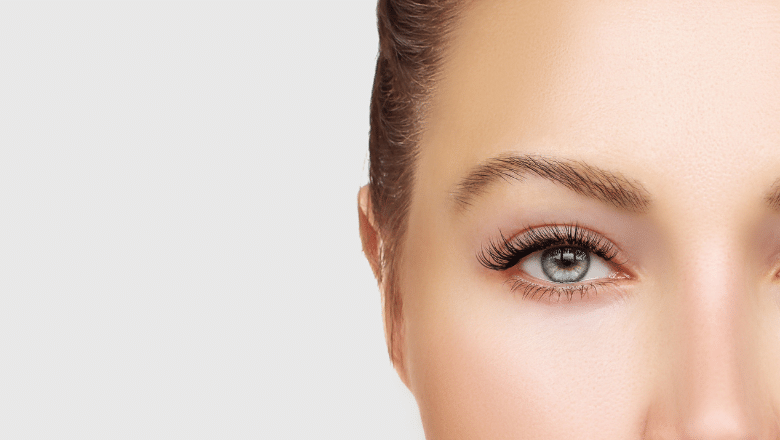
Hooded eyes are one of the most frequently treated concerns at Centre for Surgery in London. Characterised by excess skin that droops from the brow bone down towards or over the upper lash line, hooded eyes can make the eyes appear smaller, heavier, and more tired than the person actually feels. For many people, this is a long-standing source of self-consciousness — and for some, the drooping is pronounced enough to begin restricting the upper visual field, making it a functional concern as much as a cosmetic one.
The reassuring news is that eyelid surgery — blepharoplasty — can address hooded eyes very effectively, producing results that are natural, long-lasting, and in most cases transformative. Understanding what hooded eyes are, what causes them, and what treatment options are available will help you make the most informed decision about your next steps.
RELATED: How to Treat Hooded Eyelids
What Are Hooded Eyes?
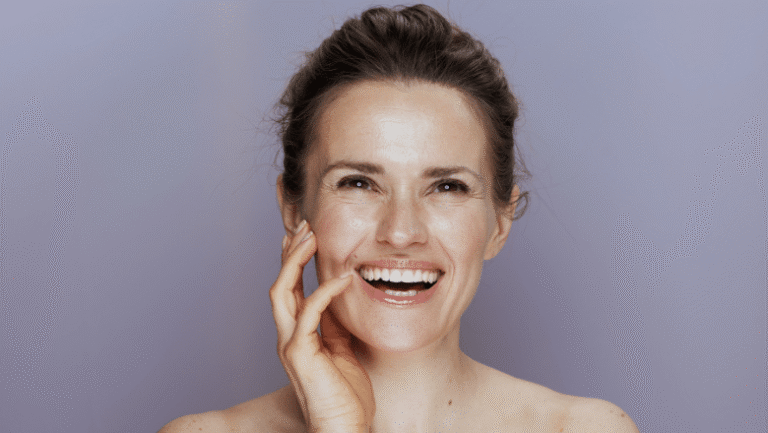
Hooded eyes, in the clinical context of cosmetic surgery, describe a condition where excess skin folds over the upper eyelid and encroaches on the orbital space above the lash line. This excess skin comes from the upper eyelid itself and from the area beneath the brow bone. When present to a significant degree, it creates a characteristic visual effect where the visible portion of the upper eyelid — the mobile, coloured part — is partly or largely obscured by the overhanging skin.
From the front, hooded eyes give the face a slightly heavy, brooding, or tired expression. Makeup can become difficult to apply effectively, as eyeshadow applied to the upper lid is hidden beneath the fold of skin when the eyes are open. Many people with pronounced hooding also find themselves unconsciously raising their eyebrows to lift the overhanging skin and improve their visual field — a compensatory habit that can contribute to forehead wrinkles over time.
RELATED: What Conditions Can Eyelid Surgery Treat?
What Causes Hooded Eyes?
Hooded eyes can arise from a combination of different causes, and in many cases more than one factor is contributing simultaneously. Understanding which factors are at play in your particular situation is important in determining the most appropriate treatment.
Genetics
The most common cause of hooded eyes is genetic predisposition. The shape and configuration of the eyelids — including how much skin is present in the upper eyelid and how low the brow naturally sits — are inherited characteristics. If your parents or grandparents had heavy upper eyelids, there is a meaningful probability that you will too, and in many cases the changes begin to appear at a relatively young age — sometimes in the twenties or thirties rather than later in life.
Natural Ageing
Ageing is the second most common cause of hooded eyes. As we age, the skin throughout the body loses collagen and elastin — the structural proteins responsible for its firmness and elasticity. In the eyelids, where the skin is already exceptionally thin, this loss of elasticity is particularly noticeable. The skin becomes increasingly lax, and the natural effect of gravity causes it to descend over the upper eyelid. The fat pads around the orbital rim can also shift with age, further contributing to the heavy, weighty appearance of the upper lids.
Brow Ptosis — Descent of the Brow
An important distinction that must be made at the consultation stage is whether the hooded appearance of the upper lids is caused primarily by excess eyelid skin itself, by descent of the brow bone, or by a combination of both. As the brow descends with age, the weight of the brow tissue is transferred onto the upper eyelid, creating the appearance of excessive skin in the upper lid even where the eyelid skin itself has not significantly changed. This is known as brow ptosis, and in cases where it is the primary driver of the hooded appearance, a brow lift rather than — or in addition to — blepharoplasty may be the more appropriate solution.
Your surgeon at Centre for Surgery will assess the relative contributions of excess eyelid skin and brow position during your consultation, and recommend the most appropriate surgical approach based on your specific anatomy.
Eye Injuries and Previous Surgery
Physical trauma to the orbital region — including fractures, deep lacerations, or significant blunt force injury — can occasionally alter the position and appearance of the eyelids. Previous surgery in and around the eye area can also result in scarring or altered tissue tension that contributes to a hooded appearance. These cases are typically more complex and require a highly individualised assessment.
Medical Conditions
Certain medical conditions can affect the eyelids and contribute to drooping or heaviness. Myasthenia gravis — a neuromuscular condition affecting voluntary muscle control — can cause bilateral or asymmetric eyelid drooping that worsens with fatigue. Horner syndrome, third nerve palsy, and Bell’s palsy can all affect the nerves supplying the eyelid muscles and produce ptosis. Thyroid eye disease is another well-recognised cause of eyelid changes. If there is any possibility that a medical condition is contributing to your eyelid appearance, your surgeon will refer you for appropriate investigation before any surgical intervention is planned.
Non-Surgical Treatments for Hooded Eyes
For patients with mild hooding who are not yet ready for surgery, or who wish to explore non-surgical options first, there are several treatments that can produce a degree of improvement. It is important to approach these with realistic expectations, as their effects are limited in comparison to surgery and are temporary.
Anti-Wrinkle Injections — Brow Lift Effect
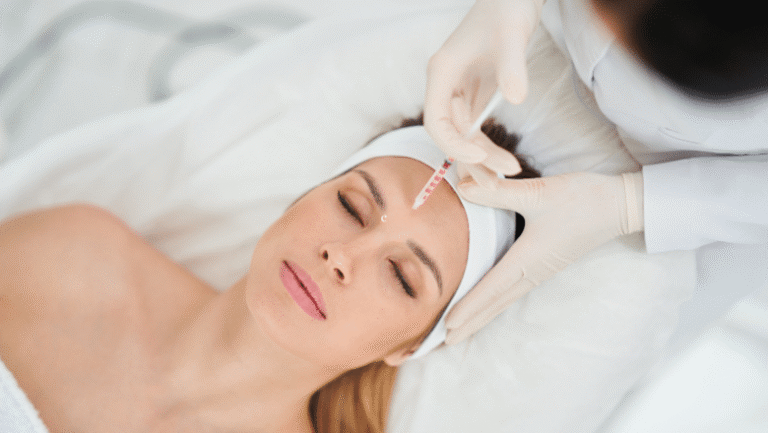
Anti-wrinkle injections (muscle relaxant injections) can be used to subtly elevate the brow by relaxing the muscles that pull it downwards. When placed accurately by an experienced injector, this creates a modest lifting effect that can temporarily reduce the degree of upper eyelid hooding. The effect typically lasts three to four months and requires maintenance. It is most useful in younger patients with mild hooding caused primarily by brow descent rather than significant excess eyelid skin.
Dermal Fillers
Dermal fillers placed along the brow bone or in the temples can add volume that gently lifts the brow and reduces the drooping appearance of the upper eyelids. Like anti-wrinkle injections, this is a temporary measure that requires periodic maintenance and is most effective in cases of mild hooding. It is not suitable for patients with significant excess skin.
Ptosis Crutches
In cases where eyelid drooping is genuinely causing visual impairment and surgery is either not appropriate or not yet desired, ptosis crutches — small devices attached to the frames of spectacles that physically support the upper eyelid — can provide a practical functional solution. They are not a cosmetic treatment and do not improve the appearance of the eyelids, but they can help with vision in appropriate cases.
For patients with mild hooding or those considering a temporary improvement, these non-surgical options can be discussed during your consultation at Centre for Surgery. However, for patients with moderate to significant hooding, surgery is the only option that produces reliable, long-lasting, and meaningfully visible improvement.
How to Fix Hooded Eyes with Surgery
The most effective and permanent solution for hooded eyes is surgical. Depending on the nature and cause of the hooding, two main surgical options are available: upper blepharoplasty and brow lift surgery. In many cases, the optimal outcome requires a combination of both.
Upper Blepharoplasty
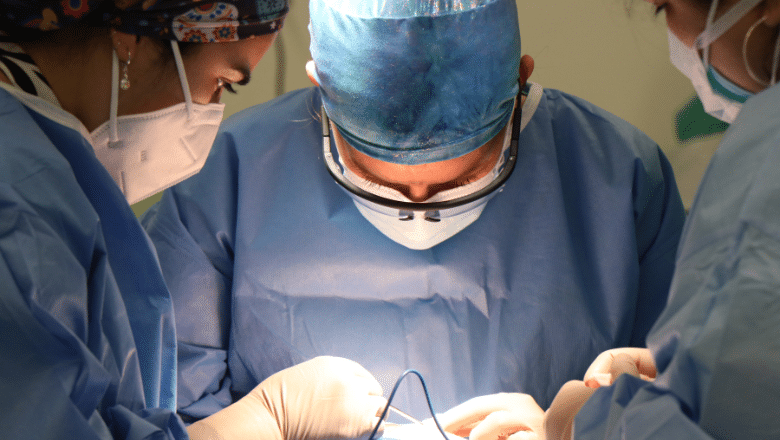
Upper blepharoplasty involves the precise removal of excess skin from the upper eyelid, with or without removal or redistribution of a small amount of the underlying orbital fat. The incision is placed within the natural crease of the upper eyelid, ensuring that the resulting scar is concealed within the fold and essentially invisible once healed.
The amount of skin removed is carefully measured and planned to achieve a natural, open result without over-correction. Over-removal of upper eyelid skin — leaving insufficient skin to close the eye properly — is one of the most serious complications of blepharoplasty, and it is a risk that is virtually eliminated when the procedure is performed by an experienced specialist. The goal is always to create a rested, refreshed, and naturally youthful appearance rather than a surprised or artificial look.
Upper blepharoplasty alone is the most appropriate solution when excess eyelid skin is the primary cause of the hooded appearance and when the brow position is satisfactory. It is typically performed as a day-case procedure under TIVA anaesthesia, takes approximately one to one and a half hours, and produces results that last a decade or more in most patients.
RELATED: Eyelid Surgery FAQs – Q&A about Blepharoplasty
Brow Lift Surgery
When brow ptosis is a significant contributing factor to the hooded appearance — either alone or in combination with excess eyelid skin — a brow lift may be recommended. Brow lift surgery elevates the brow back towards its natural, more youthful position, and in doing so reduces the weight of brow tissue being transferred onto the upper eyelid. This can dramatically improve the hooded appearance even without removing any upper eyelid skin directly.
Several different brow lift techniques are available, each suited to different anatomical presentations and patient preferences. These include the temporal brow lift, which focuses on the outer third of the brow; the endoscopic brow lift, a minimally invasive technique using small incisions and a camera; and the Gliding Brow Lift, an advanced technique that repositions the entire brow with minimal visible scarring. Your surgeon will discuss the relative merits of each approach during your consultation.
In many patients, combining an upper blepharoplasty with a brow lift in the same surgical session produces the most complete and harmonious result, addressing both the excess eyelid skin and the brow descent simultaneously with a single recovery period.
RELATED: What Is An Upper Blepharoplasty?
RELATED: What Are the Benefits of Eyelid Surgery?
Can Hooded Eyes Return After Surgery?
Upper blepharoplasty produces long-lasting results — typically ten or more years before any significant recurrence of excess eyelid skin becomes apparent. Lower blepharoplasty addressing fat prolapse is often considered permanent, as the removed fat does not regenerate. However, the natural ageing process continues following surgery, and over time new laxity may develop in the eyelid skin. Some patients choose to have a minor revision procedure many years after their original blepharoplasty, though many find that a single procedure is sufficient for the long term.
The longevity of results from a brow lift also varies depending on the technique used, the extent of correction achieved, and the individual patient’s ongoing ageing pattern. Your surgeon will discuss realistic expectations for longevity at your consultation.
What Can I Expect from the Recovery?
Recovery from upper blepharoplasty typically involves one to two weeks of visible bruising and swelling around the eyes, after which most patients are comfortable returning to work and social activities. The sutures are removed at around five to seven days. Final results continue to refine over the following months as residual swelling resolves fully.
Combined upper blepharoplasty and brow lift surgery has a slightly longer recovery due to the additional brow work, and patients typically take two weeks off before resuming most normal activities. Strenuous exercise and activity that raises the heart rate significantly should be avoided for at least four weeks following any eyelid or brow surgery.
Frequently Asked Questions
Will upper blepharoplasty completely fix my hooded eyes?
In cases where excess upper eyelid skin is the primary cause of hooding and the brow position is satisfactory, upper blepharoplasty alone typically produces an excellent and comprehensive correction. Where brow descent is also contributing, a combined approach with brow lift surgery may be needed for the best result.
How do I know if I need a blepharoplasty or a brow lift?
This is determined at your consultation through a clinical assessment. Your surgeon will evaluate the position of your brow, the amount of excess skin in the upper eyelid, and the relative contribution of each to the hooded appearance. In many cases, both procedures are beneficial, and your surgeon will provide a clear recommendation tailored to your anatomy.
Is the surgery painful?
Upper blepharoplasty and brow lift surgery are both performed under TIVA anaesthesia at Centre for Surgery, meaning you will be fully asleep and will have no awareness of the procedure. Post-operatively, most patients find that any discomfort is mild and well-managed with standard over-the-counter pain relief.
Can hooded eyes cause vision problems?
Yes. In more pronounced cases, excess upper eyelid skin can encroach on the upper visual field, restricting peripheral vision and making certain activities such as reading and driving more difficult. When hooded eyes are causing functional visual impairment, the treatment may be eligible for insurance coverage or NHS referral, depending on the degree of impairment.
How much does treatment for hooded eyes cost?
Upper blepharoplasty at Centre for Surgery typically costs between £3,000 and £5,000. Combined procedures with a brow lift will be priced at consultation based on the specific approach required. Finance options including 0% APR are available through Chrysalis Finance.
Explore More About Blepharoplasty at Centre for Surgery
RELATED: Blepharoplasty Before & After Photos
RELATED: How Much Does Blepharoplasty Cost?
RELATED: Recovery After Eyelid Surgery
RELATED: Lower Blepharoplasty — Eye Bag Removal
RELATED: Asian Blepharoplasty — Double Eyelid Surgery
RELATED: Non-Surgical Alternatives to Eyelid Surgery
Why Have Blepharoplasty at Centre for Surgery?
Centre for Surgery is the leading cosmetic surgery clinic in London for eyelid surgery and facial plastic surgery. Our surgeons have extensive experience performing all types of blepharoplasty and brow lift surgery at our state-of-the-art Baker Street surgical facility in Marylebone, central London. All procedures are performed by GMC-registered consultant plastic surgeons, and our clinic is CQC-regulated.
If you would like to book a consultation for eyelid surgery or brow lift, please contact us today by calling 020 7993 4849, emailing contact@centreforsurgery.com, or completing the contact form below. Finance options including 0% APR with Chrysalis Finance are available.
[contact-form-7 id=”256″ title=”Treatments form”]