Facial thread veins — also known as spider veins, telangiectasia or broken capillaries — are small, dilated blood vessels visible just beneath the skin surface. They typically appear as fine red, blue or purple lines on the nose, cheeks and chin, often in branching patterns that resemble a spider’s web. They don’t cause symptoms and aren’t medically dangerous, but for many people they’re a persistent cosmetic concern that doesn’t resolve on its own.
Understanding what causes facial thread veins helps with two things: prevention of new vessels, and informed decision-making about treatment. This guide explains the eight main drivers, explains why some thread veins resolve on their own and others don’t, sets out the right preventive approach, and explains how laser treatment addresses the established vessels at Centre for Surgery’s CQC-regulated Baker Street private hospital. For the treatment side specifically, see our companion guide on spider vein removal on the face.
How thread veins develop
Thread veins develop when the small capillaries in the upper dermis become dilated and weakened. Several mechanisms drive this:
- Repeated rapid dilation — vessels that constrict and expand quickly are stressed, and over time the elastic tissue in the vessel wall fails
- Thinning skin — as the overlying skin thins (with age, sun damage or other factors), even normal-calibre vessels become more visible
- Increased blood flow pressure — chronic vasodilation from triggers like alcohol, heat or rosacea increases the pressure inside small vessels
- Direct vessel injury — UV damage, trauma and certain skin conditions damage capillary walls directly
Once a thread vein has formed, the structural damage to the vessel wall doesn’t reverse. The vessel may temporarily look less prominent (with reduced facial redness or vasoconstriction) but it doesn’t disappear without active treatment.
The eight main causes
1. Genetics
Family history is one of the strongest predictors. If your parents or siblings developed thread veins, you’re substantially more likely to develop them too. The inherited tendency affects multiple factors: skin thickness, capillary wall strength, vasomotor response patterns and tendency to flush. Genetic factors can’t be modified, but they help establish realistic expectations — patients with strong family history should expect ongoing vigilance even after successful treatment.
2. Ageing
As skin ages, several changes contribute to thread vein visibility. Collagen production declines, making the skin thinner and more translucent. Elastin breakdown reduces skin firmness. Underlying capillaries that were always present become more visible as the overlying skin loses its protective thickness. This is why thread veins become so much more common from the 40s onwards, even in people who took good care of their skin.
The collagen-thickening effect of fractional laser resurfacing and RF microneedling can help with this — by thickening the dermis, they make underlying vessels less visible. But for established prominent vessels, the vessels themselves need direct treatment.
3. Sun exposure
UV radiation is one of the most consistent and modifiable drivers. UV damages collagen and elastin in the dermis, thinning the skin. It also damages vessel walls directly, causing them to lose elasticity and dilate permanently. People with significant cumulative sun exposure — frequent holidays in sunny climates, outdoor occupations, tanning bed use — develop thread veins earlier and more extensively than people who’ve protected their skin.
Sun damage is also bidirectional with other thread vein drivers: UV worsens rosacea, accelerates ageing of vessels, and increases the risk of post-treatment pigmentation problems. Sun protection is the single most important step in prevention.
For the broader picture of cumulative UV damage, see our guide on the five signs of sun damage.
4. Skin type
Lighter skin types (Fitzpatrick I and II) show thread veins more visibly than darker skin types because the underlying vessels show through translucent skin more readily. This doesn’t mean darker skin types don’t develop thread veins — they do — just that the visible threshold is different. People with fair, easily-flushing skin and a tendency to blush should be particularly attentive to prevention.
5. Environmental damage
Chronic exposure to harsh environmental conditions damages facial capillaries over time:
- Wind — particularly cold wind, strips moisture from the skin and triggers repeated vasodilation
- Extreme temperatures — both hot and cold drive vasomotor stress
- Pollution — particulate matter generates oxidative stress that damages vessel walls
- Dry indoor air — chronic dehydration of the skin barrier contributes to vessel visibility
Outdoor workers, cyclists who don’t wear face protection in cold weather, and people living in areas with significant air pollution all show higher rates of facial thread vein development.
6. Lifestyle factors — alcohol and smoking
Alcohol dilates blood vessels acutely (the familiar flush after a few drinks) and chronically (sustained vasodilation in heavier drinkers). Repeated vasodilation stresses small vessels and contributes to their permanent dilation. Heavy drinkers reliably develop more thread veins than non-drinkers, and the pattern is particularly concentrated around the nose and cheeks.
Smoking damages collagen and elastin throughout the body. The combination of vasoconstriction (which paradoxically damages small vessels over time) and structural skin damage drives both thread vein development and earlier general skin ageing. Smokers also have impaired wound healing, which can affect treatment outcomes.
7. Rosacea
Rosacea and facial thread veins overlap substantially. Rosacea drives chronic inflammation in the small vessels of the face, which both produces visible thread veins as part of the condition and accelerates new vessel formation over time. Patients with rosacea typically develop more extensive thread vein networks than patients without rosacea.
The relationship is bidirectional: thread veins can be one of the earliest signs of rosacea, and untreated rosacea reliably worsens the thread vein burden. If you have facial thread veins alongside persistent flushing, sensitive skin or papulopustular lesions, full assessment for rosacea is part of the right approach. See our guide on the stages of rosacea for more.
8. Hormonal changes
Hormonal fluctuations affect vascular tone. Pregnancy (when blood volume increases), menstruation (when oestrogen and progesterone shift cyclically), menopause (when oestrogen declines) and hormonal contraception use can all influence thread vein development. The mechanism appears to involve hormonal effects on vessel wall elasticity and vasomotor responsiveness.
Many women notice changes in their thread vein pattern around pregnancy and menopause. Hormonal triggers can’t always be modified, but recognising the contribution helps with realistic expectations about prevention and treatment timing.
Other contributing factors
Beyond the eight main drivers, several other factors contribute to or worsen thread vein development:
- Steroid use — both oral and topical steroids thin the skin and increase vessel visibility. Chronic topical steroid use on the face (often inappropriately for conditions like rosacea or seborrhoeic dermatitis) is a particularly common preventable cause.
- Repeated facial trauma — including aggressive squeezing of acne lesions, vigorous scrubbing or pressure on the face
- Some medical conditions — lupus, scleroderma, hereditary haemorrhagic telangiectasia and certain liver diseases can present with thread veins as one feature
- Certain medications — calcium channel blockers, vasodilators and some other drugs increase facial flushing and can contribute to thread vein formation
If thread veins appear suddenly without obvious cause, or in an atypical pattern, broader medical assessment is appropriate before cosmetic treatment.
Do facial thread veins go away on their own?
Generally, no. Established thread veins persist without treatment, and the factors that caused them often continue to drive additional vessel development over time. The structural damage to the vessel wall doesn’t reverse spontaneously.
The exceptions:
- Postpartum resolution — pregnancy-related thread veins sometimes fade significantly in the months after delivery as blood volume normalises
- Transient vessels from short-term causes — vessels that appeared with a brief course of vasodilator medication or short-term trigger can sometimes settle when the cause is removed
- Very fine new vessels — in the first few weeks of development, occasionally regress before consolidating
If thread veins haven’t cleared after 3 to 6 months, they’re unlikely to resolve on their own. At that point treatment is the only reliable route to clearance.
Prevention — what actually works
You can’t fully prevent thread vein development if you have strong genetic predisposition, but you can substantially slow it. The interventions that genuinely help:
Sun protection
Non-negotiable. Daily broad-spectrum SPF 50 reduces the UV damage that thins skin and damages vessel walls. Wear a wide-brimmed hat outdoors, use UV-protective sunglasses, avoid peak-sun hours (10am to 4pm in summer). Sun protection is more effective at preventing new thread veins than any topical product or supplement.
Manage triggers
If you flush easily, identifying and reducing flush triggers reduces the cumulative vascular stress that drives thread vein formation. Alcohol moderation, avoiding very spicy food if you find it triggers flushing, managing stress, and keeping the face cool in hot environments all help.
Skin barrier care
Daily gentle cleansing with lukewarm water (never hot), a non-irritating moisturiser, and avoiding harsh exfoliants protects the skin barrier. A compromised barrier accelerates the inflammation that drives vessel damage. Avoid alcohol-heavy toners, fragrance, and strong actives that irritate.
Reduce alcohol intake
Particularly in patients already prone to flushing. Cumulative alcohol exposure is one of the most consistent drivers of nasal and cheek thread veins.
Stop smoking
Smoking damages both vessels and skin. Quitting has slow but substantial benefits for skin and vascular health over the following months and years.
Manage rosacea actively
If you have rosacea, ongoing management reduces the rate of new thread vein development. Topical prescription therapy, trigger avoidance and periodic laser maintenance all contribute. See our rosacea hub for full management options.
Vitamin C and supporting micronutrients
Vitamin C is essential for collagen synthesis and capillary wall integrity. A diet rich in vitamin C (citrus, leafy greens, peppers) supports vascular health. Topical vitamin C serums can provide additional benefit, though they don’t reverse established damage.
Gentle skincare
Over-exfoliating, aggressive scrubs, harsh chemical peels and similar can damage capillaries directly. Stick to gentle products and avoid the temptation to “deep cleanse” with vigorous mechanical action.
Treatment of established thread veins
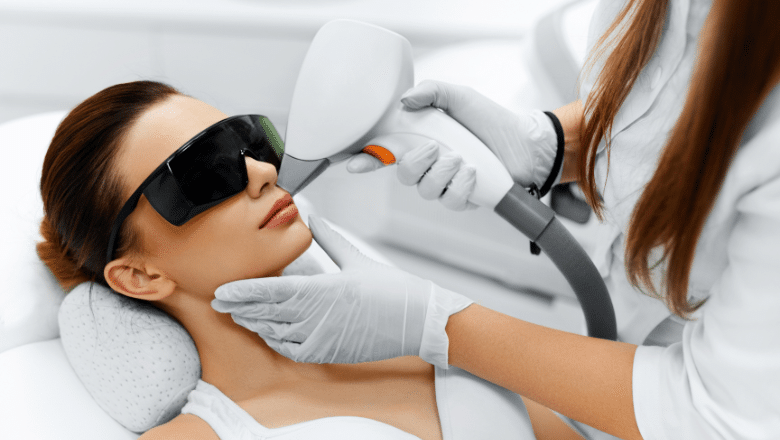
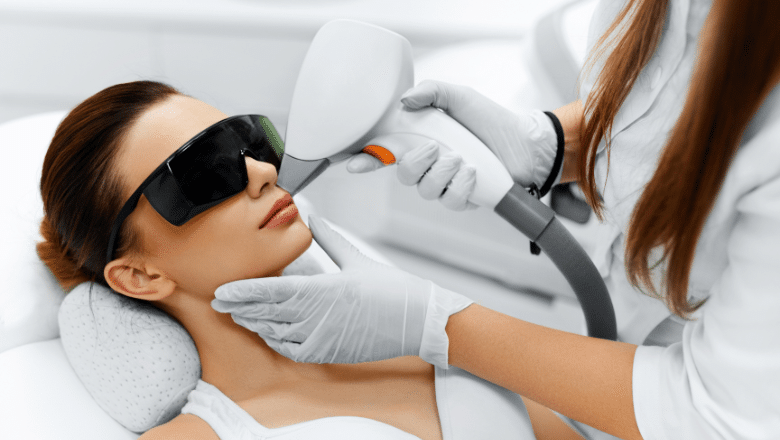
Once thread veins have formed, prevention prevents new vessels but doesn’t clear existing ones. Active treatment is needed. The most effective approach is Nd:YAG laser therapy with the Fotona SP Dynamis Pro, which delivers targeted thermal energy to collapse each treated vessel.
For the full treatment guide including pricing, session protocol, what to expect and how it compares with alternatives, see our companion spider vein removal guide.
Key points to know:
- Most patients see significant improvement after one session, with full courses of 2 to 5 sessions for extensive networks
- Treated vessels are permanently cleared; new vessels can develop with ongoing risk factors
- The procedure is comfortable with topical anaesthetic and cold-air cooling
- No significant downtime — return to normal activity the same day
- Nd:YAG at 1,064 nm is safe across all Fitzpatrick skin types
- Maintenance sessions every 12 to 24 months address any new vessels
What we don’t recommend
- Sclerotherapy on facial vessels — sclerotherapy is excellent for leg thread veins but carries higher complication risk on the face. Long-pulsed Nd:YAG laser is the safer and more effective approach for facial vessels.
- Home remedies as treatment — apple cider vinegar, vitamin C cream alone, horse chestnut, coconut oil and similar approaches don’t treat established vessel damage. They may have general skin benefits but they cannot collapse a dilated capillary.
- Topical retinoid creams as a “treatment” — retinoids can thicken the overlying skin, making thread veins less visible, but they don’t treat the vessels themselves. Stop the cream and the visibility returns.
- Aggressive home exfoliation — drives vessel damage and worsens the problem
- Treatment without addressing causes — clearing thread veins without modifying ongoing risk factors leads to new vessels developing within months
- IPL at unregulated venues — the equipment quality, operator skill and aftercare matter substantially. Treatment in a CQC-regulated medical setting by experienced clinicians consistently outperforms cheaper alternatives.
When to see a specialist
Most facial thread veins are benign and don’t need urgent assessment. However, you should consult a clinician promptly if:
- Thread veins appear suddenly without obvious cause, particularly in unusual locations
- They’re accompanied by other symptoms — persistent flushing, papulopustular lesions, eye irritation (suggesting rosacea), or systemic features
- You have a family history of hereditary haemorrhagic telangiectasia or other vascular conditions
- You have nose bleeds, easy bruising or other signs suggesting a broader vascular issue
- The thread veins are visibly progressing rapidly
For most patients, however, the right path is recognising the cause, modifying what you can, and seeking treatment when you’re ready.
Frequently asked questions
Can broken capillaries heal naturally?
Not usually. If thread veins haven’t cleared within 3 to 6 months, they’re likely to persist without treatment. Pregnancy-related vessels sometimes resolve postpartum; transient vessels from short-term causes occasionally settle if the cause is removed.
Does what I eat matter?
Modestly. A diet rich in vitamin C and antioxidants supports vascular health. Avoiding chronic alcohol use makes a more substantial difference than dietary tweaks. There’s no specific “thread vein diet.”
Will I develop more thread veins as I age?
Most people do, particularly with continued sun exposure and/or untreated rosacea. Active prevention slows the rate; without prevention, the trajectory is reliably towards more visible vessels over the decades.
Can hot water cause facial thread veins?
Chronic exposure to very hot water (long hot showers, frequent saunas) contributes to vessel damage. The mechanism involves repeated vasodilation stressing capillary walls. Lukewarm water for daily face washing is the safer approach.
Is sclerotherapy ever appropriate for facial vessels?
Rarely. We don’t recommend sclerotherapy for facial thread veins given the available alternatives. Long-pulsed Nd:YAG laser delivers safer and more effective clearance.
Will laser treatment prevent new thread veins?
It clears existing vessels but doesn’t prevent new ones. Ongoing prevention (sun protection, trigger management, rosacea control) is essential alongside any treatment.
How quickly can treatment clear my thread veins?
Most patients see significant clearance after the first session, with full course results developing over weeks to months. See our spider vein removal guide for the detailed timeline.
Why choose Centre for Surgery
Our specialist clinicians address facial thread veins within the full vascular and skin context — assessing for underlying rosacea, sun damage patterns and trigger profiles that drive the condition. Treatment is delivered on the Fotona SP Dynamis Pro at our CQC-regulated Baker Street private hospital. The goal isn’t just clearance of today’s vessels but slowing the trajectory that produced them.
Centre for Surgery · CQC-regulated · GMC specialist-registered surgeons · 95–97 Baker Street, Marylebone, London W1U 6RN · 0207 993 4849 · Book a consultation · Finance from 0% APR