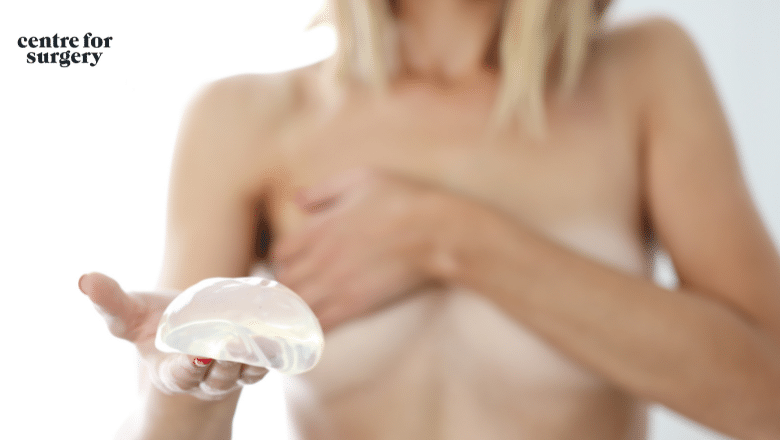
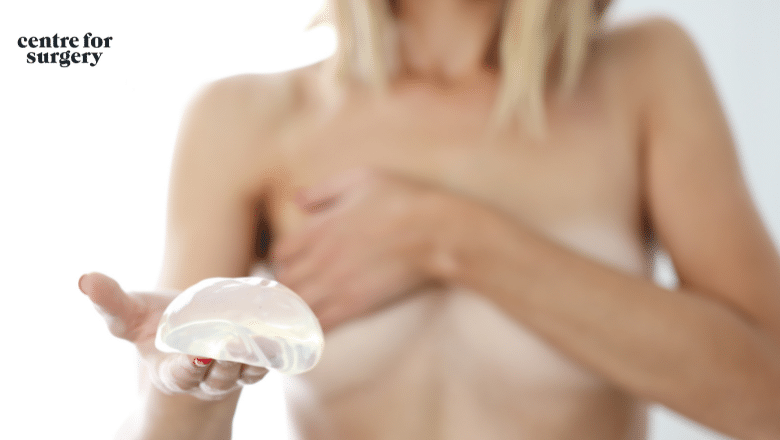
You may have recently decided to get breast implants, and one common question women ask is: Can breast implants rupture? Here’s what you need to know.
RELATED: Common questions about breast implants
Breast implants are medical devices used to make the breasts larger or fuller. There are two main types:
- Silicone implants: These are filled with a soft silicone gel and tend to feel more natural.
- Saline implants: These are filled with sterile salt water. If these rupture, the body safely absorbs the salt water.
Breast implants are not lifetime devices. They will usually need to be replaced or removed every 10 to 15 years, depending on the implant manufacturer. The risk of rupture depends on factors such as the type of implant, its age, the surgical technique used, and your lifestyle.
RELATED: What are common breast implant problems?
If an implant ruptures, the silicone gel or salt water can leak out. This may cause pain, swelling, or a change in the shape or size of the breast. Sometimes, especially with silicone implants, there may be no obvious symptoms. In these cases, scans like an MRI or ultrasound can detect a rupture. If a rupture happens, surgery is usually needed to remove or replace the implant.
It’s important for women with breast implants to attend regular check-ups with their plastic surgeon. If you notice any pain, swelling, or changes in your breasts, you should seek medical advice as soon as possible.
RELATED: 3 breast implant safety considerations to know about
How do I know if a breast implant is ruptured?
The symptoms that may suggest an implant rupture are related to the type of implant.
RELATED: Breast Implant Rupture – Causes, Symptoms and Treatments
Saline breast implant rupture
A ruptured saline breast implant is usually easy to detect because the body absorbs the saline solution, and the breast will deflate, leading to a noticeable change in its shape and size. Common signs include:
Sudden change in the shape or size of the breast
If one breast suddenly becomes smaller or deflated, this may indicate that the implant has ruptured.
Pain or discomfort
Some women may experience pain or discomfort in the affected breast if the implant ruptures.
Visible wrinkling or rippling of the skin
If the saline solution leaks out of the implant, it can cause the skin to wrinkle or ripple, which may be visible or palpable.
Hardening of the breast tissue
If an implant ruptures, the breast may start to feel hard or firmer than usual. A ruptured saline implant can also be checked using scans like an ultrasound or an MRI. If you think your saline implant may have ruptured, you should see a doctor as soon as possible. In most cases, the implant will need to be surgically removed or replaced.
Silicone breast implant rupture
Diagnosing a ruptured silicone breast implant can be more challenging than detecting a ruptured saline implant because the silicone gel is thick and does not leak from the implant as saline does. Common signs include changes in the shape or size of the breast, pain or discomfort, hardening of the breast tissue, or the breast looking uneven, misshapen, or different in size compared to the other side.
Scans such as an MRI or ultrasound can help check whether a silicone implant has ruptured, although very small or slow leaks may not always show up straight away. If you think something isn’t right, it’s important to see a doctor as soon as possible. Women with silicone implants should attend regular check-ups with their plastic surgeon to make sure their implants remain in good condition.
Is it dangerous to have a ruptured breast implant?
Whether a ruptured breast implant is dangerous depends on the type of implant, how badly it’s ruptured, and your overall health. If a saline implant ruptures, the saltwater solution is safely absorbed by the body, though a rupture can still cause pain, swelling, and changes in the shape of the breast, and the implant will usually need to be surgically removed or replaced.
If a silicone implant ruptures, the thick gel can leak into the surrounding tissue. In rare cases, this can lead to a condition called BIA-ALCL, a type of cancer affecting the lymph nodes. BIA-ALCL is treatable, but early detection and treatment are very important. Women with breast implants should have regular check-ups with their plastic surgeon. If you notice any pain, swelling, or changes in the appearance of your breasts, seek medical advice promptly.
What to do if I think my breast implant has ruptured?
If you suspect that your breast implant has ruptured, it’s important to seek medical attention promptly. Here are the steps you should take:
Contact your plastic surgeon
Your plastic surgeon is the best person to speak to if you suspect a ruptured breast implant. They will be able to assess you and determine the best course of treatment, which may include an ultrasound or MRI, or both.
Keep a record of your symptoms
If you are experiencing any symptoms, such as changes in the shape or size of your breast, pain or discomfort, or hardening of the breast tissue, make a note of them and bring them to your doctor’s attention.
Get an imaging test
An ultrasound or MRI can help confirm the diagnosis of a ruptured breast implant and provide more information about the extent of the rupture. Your plastic surgeon can advise you on the best imaging test for you.
Follow your doctor’s recommendations
After examining you and reviewing any scans or tests, your plastic surgeon will recommend the best treatment. This usually involves surgically removing or replacing the ruptured implant and keeping an eye on your health to check for any possible complications.
Schedule regular follow-up appointments
Regular check-ups with your plastic surgeon help make sure your breast implants stay in good condition and let any problems be spotted early.
RELATED: Breast Implant Scans With High-Resolution Ultrasound
How is breast implant rupture treated?
Treatment for a ruptured breast implant depends on factors like the type of implant, how badly it has ruptured, and your overall health.
Removal of the ruptured implant
If an implant has ruptured, it usually needs to be taken out. The surgeon may use a small incision for minor ruptures or a larger incision for more extensive damage.
Replacement of the ruptured implant
After removing the ruptured implant, you may choose to get a new one to restore the breast’s appearance. This can sometimes be done during the same surgery, or at a later time.
Monitoring for complications
Women with implants should have regular check-ups to make sure their implants are in good condition. If an implant ruptures, your surgeon will also watch for any rare complications, including BIA-ALCL, a very uncommon type of lymphatic cancer.
Alternative treatments
In some cases, the ruptured implant may be removed without replacement, especially if you no longer want implants or have had complications in the past. The exact treatment will depend on your individual situation, including your implant type, the extent of the rupture, and your overall health.
RELATED: Breast Implant Removal FAQs – Q&As about Explant Surgery
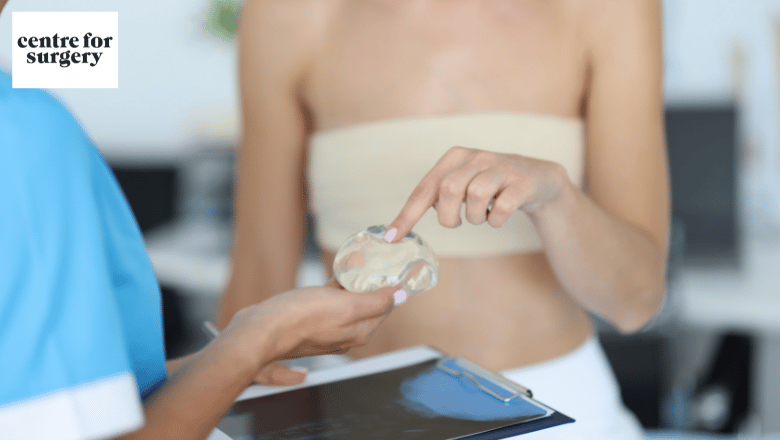
Breast Implant Revision Surgery at Centre for Surgery
Centre for Surgery is one of London’s most experienced clinics for breast implant removal, replacement, or revision surgery. Choosing the right surgeon is very important, as it can affect the results and your overall satisfaction. Here’s how to find the best surgeon for your needs:
Do your research
Learn about the different options and techniques for breast implant removal or replacement. Professional organisations like BAPRAS or BAAPS can be good resources.
Look for an experienced surgeon
Choose a surgeon who has experience with the exact procedure you need. Membership in professional organisations such as BAPRAS or BAAPS demonstrates proper training and staying up to date with the latest techniques.
Check credentials
Look at the surgeon’s medical background, training, certifications, and experience with breast implant procedures.
Ask for recommendations
Friends, family, or your GP may be able to recommend qualified surgeons. You can also ask your current surgeon for a referral.
Schedule a consultation
Meet with potential surgeons to ask questions about the procedure, risks, benefits, and their experience.
Review before-and-after photos
Many surgeons share photos of previous patients. This can help you see the results they typically achieve.
Trust your instincts
Choose a surgeon you feel comfortable with, who listens to your concerns, answers your questions, and makes you feel confident about your care.

[contact-form-7 id=”256″ title=”Treatments form”]