

Gynecomastia is a condition that causes the enlargement of breast tissue in males. It can develop at any stage of life, often due to hormonal changes, weight fluctuations, medication side effects, or underlying health conditions. While some cases resolve on their own, others persist and may require surgical intervention. One of the most common questions regarding gynecomastia surgery is about the appropriate age for undergoing the procedure.
RELATED: Male Cosmetic Surgery at Centre for Surgery
What is Gynecomastia?
Gynecomastia is a condition that leads to the enlargement of breast tissue in men. It is relatively common and can be triggered by a range of factors, including hormonal imbalances, the use of certain medications, obesity, or genetic predisposition. While not usually harmful in a medical sense, gynecomastia can cause significant physical and psychological discomfort, often leading individuals to seek treatment to restore a more masculine chest appearance.
What Causes Gynecomastia?
At its core, gynecomastia is the result of an imbalance between testosterone and oestrogen. During puberty, hormonal fluctuations are common, and many teenage boys experience temporary breast enlargement. In most cases, as hormone levels stabilise with age, the condition resolves on its own. However, for some, the excess breast tissue does not disappear, leading to persistent gynecomastia into adulthood.
RELATED: What Causes Gynecomastia?
RELATED: Does Gynecomastia Go Away?
Beyond puberty, other factors can contribute to gynecomastia. Obesity can lead to higher oestrogen production, promoting breast tissue growth. Certain medications, including anabolic steroids, antidepressants, and drugs used to treat heart conditions, can also disrupt hormonal balance. Medical conditions such as liver disease, thyroid disorders, and kidney problems may also contribute.
Is Gynecomastia Surgery the Right Solution?
For men who experience long-term or severe gynecomastia, surgery can be an effective treatment to restore a flatter, more masculine chest contour. The procedure typically involves the removal of excess glandular tissue, fat, or a combination of both. Many men who undergo gynecomastia surgery report a significant improvement in their self-confidence and overall quality of life.
RELATED: How To Get Rid Of Gynecomastia
RELATED: Gynecomastia Surgery FAQs – Q&A about Male Breast Reduction
Is Surgery a Suitable Option for Adolescent Gynecomastia?
During adolescence, gynecomastia is quite common in teenage boys and is usually caused by an imbalance between testosterone and oestrogen. For most adolescents, this breast tissue enlargement is temporary and tends to resolve on its own as hormone levels stabilise, usually by the age of 18. Because of this, surgeons generally recommend waiting before considering surgical treatment. Performing gynecomastia surgery too early can be counterproductive, as there is a possibility that the condition will resolve naturally.
However, in cases where gynecomastia is particularly severe or is causing significant emotional distress, exceptions can sometimes be made. For teenagers experiencing mild to moderate gynecomastia, lifestyle changes such as maintaining a healthy diet and increasing physical activity can help reduce fat deposits in the chest area. Certain medications can also be prescribed in specific cases, particularly if the gynecomastia is linked to hormonal imbalances.
RELATED: Can You Get Rid of Gynecomastia with Exercise?
Persistent Gynecomastia in Adulthood: When Surgery Becomes a Viable Option
When gynecomastia persists into adulthood — particularly in the early 20s and beyond — it is much less likely to improve without medical intervention. By the time a man reaches his 20s, hormone levels have generally stabilised. If gynecomastia remains, it is unlikely that the condition will resolve on its own, and surgery often becomes the most effective treatment option.
When consulting with a plastic surgeon, candidates are often advised to undergo medical tests to determine whether any specific underlying causes need to be addressed. If a clear underlying cause is identified, managing or treating this issue is usually recommended before proceeding with surgery. However, if the glandular tissue has already become well-established, surgical removal remains the only definitive solution.
As men age, testosterone levels naturally decline, leading to changes in body composition and potential breast tissue growth. Regardless of when the condition occurs, gynecomastia surgery remains an effective option.
RELATED: Gynecomastia vs Chest Fat – How to Tell the Difference
Who is a Suitable Candidate for Gynecomastia Surgery?
At Centre for Surgery, the minimum age requirement for gynecomastia surgery is 18 years old. Beyond age, several other factors must be considered. Being in good physical health is essential, and a stable body weight is also important — while gynecomastia surgery removes excess glandular tissue and fat, it is not a substitute for weight loss.
Hormonal stability is another key factor. Your surgeon may recommend hormone tests to rule out any underlying medical causes. If an imbalance is detected, addressing the issue first may help to prevent gynecomastia from recurring after surgery.
Smoking and excessive alcohol consumption can significantly impact healing and increase the risk of complications. For those who use anabolic steroids or other substances known to contribute to gynecomastia, stopping their use is essential before considering surgery.
RELATED: Steroids And Gynecomastia – Prevention And Treatment For Enlarged Male Breasts
As with any type of plastic surgery, having realistic expectations is crucial. Your surgeon will explain the expected results, recovery process, and potential risks during your consultation.
Gynecomastia Surgery at Centre for Surgery: Expert Care You Can Trust
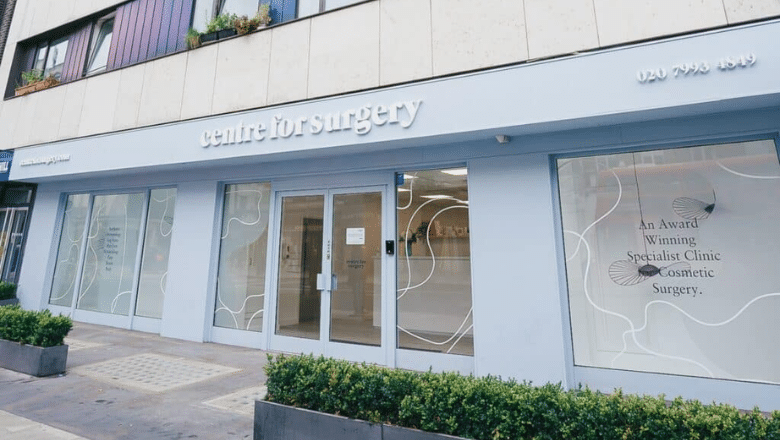
At Centre for Surgery, we specialise in advanced gynecomastia surgery, offering tailored solutions for men seeking to restore a flatter, more masculine chest. Our team of highly experienced plastic surgeons, based at our Baker Street clinic in London, are dedicated to providing exceptional patient care with a focus on safety, precision, and outstanding results. We provide personalised treatment plans to ensure every patient achieves their desired outcome, from initial consultation through to post-operative aftercare.
Our surgeons are highly skilled in liposuction-assisted glandular tissue removal, using the latest techniques to minimise scarring and enhance recovery. We understand the psychological impact of gynecomastia, which is why we prioritise a discreet and professional service.
To book your consultation: 📍 95-97 Baker Street, London W1U 6RN | 📞 0207 993 4849 | 📧 contact@centreforsurgery.com
Learn more about us on our About Us page, meet our expert surgeons, explore our 0% APR finance options, read our Plastic Surgery Blog, and browse our Clinic FAQs.
RELATED: View all Male Cosmetic Surgery procedures at Centre for Surgery
[contact-form-7 id=”256″ title=”Treatments form”]