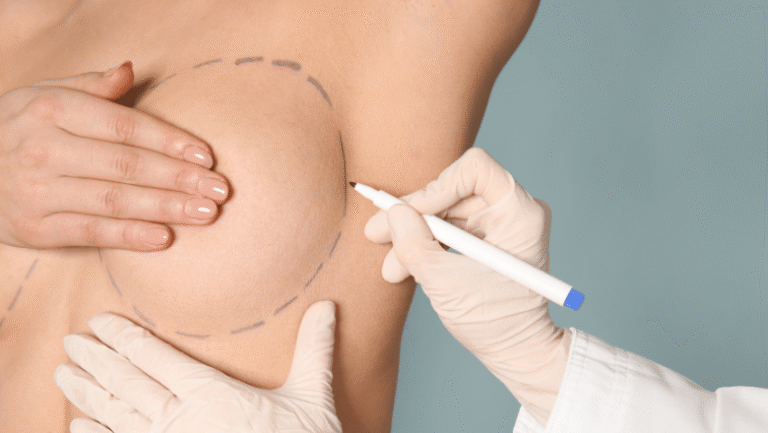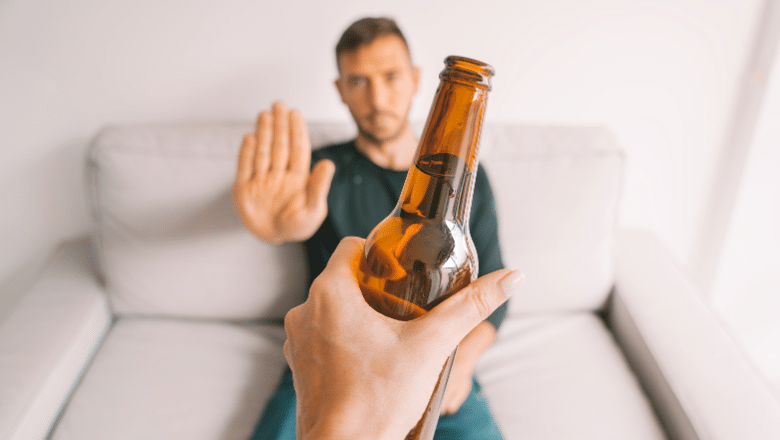

Alcohol and cosmetic surgery interact in several specific ways — none of them helpful. The risks before surgery (bleeding, anaesthetic interactions, dehydration), during the immediate post-operative period (medication interactions, impaired healing, bleeding), and during the longer recovery (delayed healing, worse scar quality, lymphatic congestion) all argue for substantial abstinence. The honest position is that the typical clinic guidance of “48 hours before, two weeks after” is the minimum rather than the optimum, and that patients who can manage longer abstinence often do better.
This article covers what alcohol actually does to the surgical course, how long you genuinely should abstain, and the practical realities of recovery during social periods.
Why alcohol matters around cosmetic surgery
Several distinct mechanisms produce the cumulative effect:
Bleeding and bruising. Alcohol has anticoagulant effects — even moderate consumption thins the blood and increases bleeding tendency. For procedures with significant surgical bleeding (facelift, abdominoplasty, large-volume liposuction), this matters both intra-operatively and in the immediate post-operative period. Increased bleeding produces:
- More visible bruising.
- Longer healing time.
- Higher risk of haematoma (collection of blood under the skin requiring drainage).
- More post-operative discomfort.
- Potentially worse final aesthetic outcome.
Dehydration. Alcohol is a diuretic. The dehydration affects:
- Skin quality and elasticity at the time of surgery.
- Wound healing dynamics — dehydrated tissue heals less well.
- Lymphatic drainage during recovery.
- Hangover-related blood pressure fluctuations that can worsen bleeding.
Anaesthetic interactions. Alcohol and anaesthetic agents interact in ways that complicate dosing and recovery. Chronic regular drinkers metabolise some anaesthetic agents faster and may need higher doses; acute drinking close to surgery produces unpredictable effects on dose response. General anaesthesia clears the body over days to a week and overlapping alcohol exposure prolongs cognitive recovery.
Medication interactions. Post-operative medications often include:
- Opioid pain relief — alcohol amplifies sedation and respiratory depression. Dangerous combination.
- Paracetamol — additive liver burden with regular alcohol.
- NSAIDs — combined bleeding and gastric risk with alcohol.
- Antibiotics — some cause unpleasant reactions with alcohol (metronidazole is the classic example; the disulfiram reaction).
- Anti-emetics — sedation effects compounded.
Immune function. Alcohol suppresses immune function, including the cellular immune response that prevents wound infection. Higher rates of post-operative infection are documented in patients who continue drinking through their recovery.
Sleep quality. Alcohol disrupts sleep architecture — patients who drink during recovery sleep worse, recover more slowly, and experience more mood disturbance.
Lymphatic congestion. Alcohol-related fluid retention adds to post-operative swelling. Patients who continue drinking through the early recovery typically have more prolonged swelling than abstinent patients.
Worse scar quality. The combination of dehydration, impaired healing, and lymphatic congestion produces measurably worse scar outcomes in regular drinkers.
Pre-operative alcohol abstinence: how long
Minimum: 48 hours abstinent before surgery. Better: 1-2 weeks.
The 48-hour minimum addresses the immediate anticoagulant and dehydration effects. A longer pre-operative abstinence period:
- Restores normal hydration.
- Returns liver enzyme activity to baseline (relevant for anaesthetic metabolism).
- Reduces baseline inflammation.
- Improves immune function.
- Provides better skin quality for the surgical work.
For patients who drink heavily, longer abstinence (4-6 weeks) before major procedures is sometimes recommended to allow the liver and immune system to normalise.
For elective cosmetic procedures, the timing is under the patient’s control. There is no clinical reason to drink in the week before surgery, and several reasons not to.
Post-operative alcohol abstinence: how long
The standard short answer is “two weeks”. The more accurate answer is procedure-dependent and stages of recovery matter:
Absolute minimum: 2 weeks abstinence for any cosmetic surgery procedure under general anaesthesia. During this period:
- Anaesthetic agents fully clear.
- Initial wound healing establishes.
- Most patients are still on some post-operative medications.
- The risk of haematoma formation is highest.
Realistic recommendation: 4-6 weeks for major procedures. During this period:
- Wound healing progresses through the active inflammatory phase.
- Compression garments are typically still in continuous use.
- Swelling is resolving.
- Patients are returning to normal activities.
Substantial benefit: 8-12 weeks for the most complex procedures (abdominoplasty, body contouring after weight loss, large-volume work). Patients who maintain abstinence through this longer window typically have noticeably better scar quality and contour outcomes.
Procedure-specific patterns:
- Rhinoplasty — alcohol-related vasodilation increases swelling and nasal congestion. Abstain for 4-6 weeks for best result.
- Facelift — bleeding risk and dehydration concerns both significant. 4-6 weeks minimum.
- Blepharoplasty — swelling-prone tissue. 4 weeks.
- Breast augmentation — 2-4 weeks for routine cases.
- Breast reduction and breast lift — 4-6 weeks; longer scars need more healing time.
- Abdominoplasty — 4-6 weeks minimum, 8-12 weeks for best result.
- Liposuction — 4 weeks for typical cases; longer for large-volume.
- BBL — 4-6 weeks. The fat survival phase benefits from optimal hydration.
- Gynaecomastia surgery — 4 weeks.
- Labiaplasty — 2-3 weeks.
- Body contouring after weight loss — each staged procedure has its own window. Patients undergoing multiple procedures effectively need extended abstinence across months.
Alcohol and weight loss medications
A specific contemporary concern: many patients presenting for body contouring have used or are using GLP-1 weight loss medications (semaglutide, tirzepatide). Alcohol on these medications presents additional considerations:
- GLP-1 medications reduce alcohol craving and tolerance — patients drink less but feel effects more strongly.
- Combination of GLP-1 medications with alcohol and post-operative nausea risks aspiration.
- GLP-1 medications should be paused before surgery (specific guidance from your anaesthetist).
- Even after resuming GLP-1 medications post-recovery, alcohol moderation is sensible.
Discuss your medication list including weight loss medications at pre-operative assessment.
Specific situations
Special occasions falling during recovery. Weddings, holidays, birthdays. The practical answer is to defer the surgery until after the event if alcohol abstinence is not possible. The alternative — drinking during recovery — produces worse results that persist long after the event. Surgery is once; the result is permanent.
Social pressure to drink. The simplest approach is “I had surgery and can’t drink for X weeks”. Most people accept this without follow-up questions. Alcohol-free alternatives (sparkling water with lime, non-alcoholic beer, kombucha) make social situations easier.
The single drink question. Patients often ask whether one glass of wine “really matters”. The honest answer is that the bigger problem is usually not one drink but the breakdown of abstinence — one becomes three, becomes regular consumption. Maintaining clear abstinence is psychologically easier than negotiating moderate use.
Patients with alcohol dependence. Surgery is not the time to address alcohol dependence — but undisclosed dependence creates real risk during surgery and recovery. Discuss honestly at pre-operative assessment so the anaesthetic and post-operative plans can be adjusted appropriately.
Patients on long-term alcohol use. Regular drinkers may need adjusted anaesthetic dosing and may have liver function considerations. These should be disclosed at pre-operative assessment and may inform timing of surgery.
Resuming alcohol after recovery
Beyond the abstinence period, gradual return to normal social drinking is usually fine. Practical points:
- Start with small amounts after the abstinence period to assess tolerance.
- Heavy drinking through the first 3-6 months can still affect scar quality.
- Ongoing alcohol moderation produces measurably better long-term skin quality.
- The recovery period can be a useful prompt to reset drinking habits more generally.
For patients on long-term post-operative medications (e.g. ongoing pain relief, antibiotics for complications), alcohol moderation should continue until medications are stopped.
The wider health picture
The pre- and post-operative period is a useful time to reset health behaviours more generally:
- Smoking and vaping cessation is the highest-yield change.
- Alcohol moderation supports healing.
- Sleep, nutrition, hydration all matter.
- Weight stability before surgery and through recovery.
- Exercise re-introduction following surgical guidance.
The patients who maintain these lifestyle adjustments through and beyond surgery typically have the best results and the longest-lasting outcomes. See pre-operative nutrition and smoking and cosmetic surgery.
Warning signs related to alcohol use during recovery
Contact the clinic if you experience:
- Sudden new bleeding from a wound after drinking.
- Significant new bruising after the early post-op period.
- Unusual swelling at the surgical site.
- Severe headache or confusion (possible interaction with medications).
- Excessive drowsiness when on opioid pain relief.
- Signs of wound infection (redness, warmth, discharge).
- Vomiting or severe nausea that affects ability to take medications.
FAQs
How long before surgery should I stop drinking? Minimum 48 hours; ideally 1-2 weeks for routine procedures, longer for heavy drinkers.
How long after surgery before I can drink? Minimum 2 weeks; 4-6 weeks recommended for major procedures; 8-12 weeks ideal for the most complex work.
Can I have one glass of wine? Not in the first 2 weeks. Beyond that, moderate amounts are generally tolerated but earlier is not better.
What about non-alcoholic alcohol-replacement drinks? Non-alcoholic beer, mocktails, and similar products are fine throughout. Some contain trace alcohol — check labels if strict abstinence is needed.
Does alcohol affect scar quality? Yes — dehydration, impaired healing, and inflammation all contribute to worse scar outcomes in patients who drink during recovery.
Will alcohol affect my final result? Yes, in ways that are sometimes subtle (slightly more visible scars, slightly more contour irregularity) and sometimes obvious (haematoma requiring drainage, infection requiring intervention, significantly delayed healing).
What if I drank by accident before surgery? Disclose at pre-operative check-in. Depending on quantity and timing, surgery may proceed with adjusted plan or be rescheduled.
Is the same advice true for non-surgical treatments? Less strict but similar principles. Avoid alcohol for 24-48 hours around injectables and energy-based treatments.
Booking a consultation
If you are planning cosmetic surgery and want to understand the realistic pre- and post-operative requirements including alcohol abstinence, this is covered at consultation. Call 0207 993 4849 or use the contact form to arrange a consultation at our Baker Street clinic.
Related reading
Centre for Surgery · CQC-regulated · GMC specialist-registered surgeons · 95–97 Baker Street, Marylebone, London W1U 6RN · 0207 993 4849 · Book a consultation · Finance from 0% APR