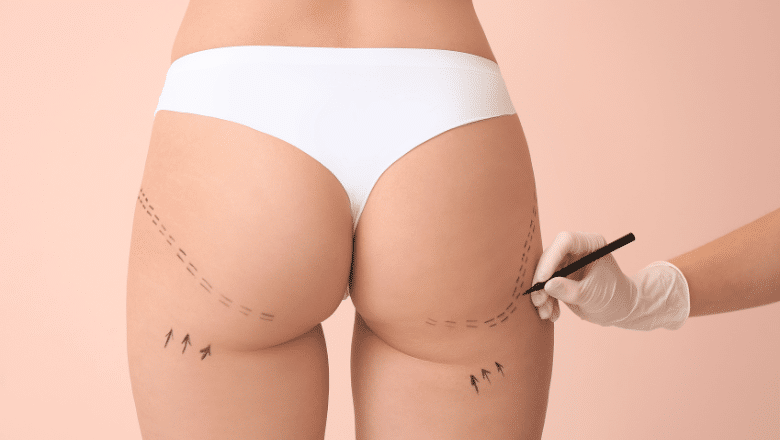
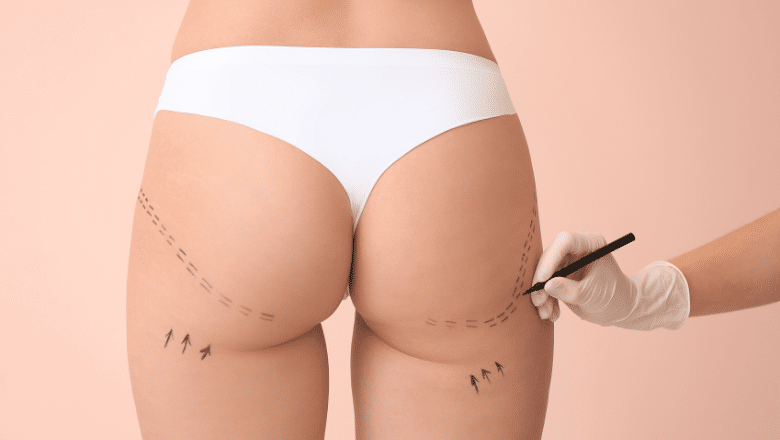
The Brazilian Butt Lift has become one of the most requested cosmetic procedures worldwide, with patients seeking a fuller, shapelier figure through fat transfer. For many, the outcome is long-lasting and transformative. Yet some people experience frustration when the results do not match their expectations. Loss of projection, flattening, or even a return to the pre-surgery appearance are common concerns that lead patients to ask the same question: why do some BBLs fail or lose volume?
Understanding the reasons behind these outcomes requires a thorough examination of the science of fat grafting, surgical technique, patient anatomy, and the crucial role of postoperative care. Centre for Surgery, a leading private hospital based in London, is dedicated to delivering safe and effective BBL procedures. Our team includes Dr Metin Nizamoglu, a consultant plastic surgeon recognised for his expertise in ultrasound-guided BBL, an advanced method designed to improve safety and support more predictable results.
RELATED: Brazilian Butt Lift (BBL) Before & After Photos
The Nature of Fat Transfer and Why Volume Loss Happens
A Brazilian Butt Lift relies on fat grafting, where fat is removed from areas such as the abdomen, thighs or flanks and injected into the buttocks. What many patients are not told in detail is that not all of this fat will survive. For fat to remain permanently, it must establish a blood supply in its new location. The body gradually reabsorbs fat cells that fail to receive adequate blood flow.
RELATED: Pros and Cons of BBL
In most cases, it is expected that between a third and half of the injected fat will not survive. This resorption process occurs naturally during healing and is the primary reason that volume reduces after a BBL. Immediately after surgery, the buttocks appear fuller, not only from the grafted fat but also from swelling. As swelling subsides and fat cells either survive or fail, the true result becomes visible over the following months. For many patients, this means their final outcome is smaller than what they saw in the early weeks after surgery.
The Importance of Surgical Technique in BBL Success
While biology explains part of the volume loss, the surgeon’s technique plays an equally significant role in whether a BBL succeeds or fails. The way fat is harvested, processed and reinjected can determine the percentage of fat cells that survive.
If fat is removed too aggressively or exposed to excessive trauma during liposuction, many of the cells are already damaged before reinjection. Fat that is not purified and handled carefully may contain oil, blood or other fluids that reduce graft survival. The injection technique is equally vital. Fat must be placed in small, controlled amounts throughout the subcutaneous tissue so that each cluster of cells has a chance to connect with a blood supply. If fat is injected in large clumps or in the wrong tissue layer, it is more likely to die off, leading to lumps, irregularities or general loss of projection.
Surgeons who lack adequate experience with fat transfer may struggle to maintain consistency in these delicate steps. It is often in these technical details that BBL failures occur.
Patient Anatomy and Why It Matters
Every patient brings unique anatomy to the operating table, and these differences can greatly influence the long-term results of a BBL. The thickness of the soft tissue layer, the elasticity of the skin, and the strength of the underlying muscles all determine how fat can be distributed and supported.
Patients with tighter skin and good elasticity tend to maintain projection more effectively than those with looser or stretched skin. A naturally flat bony structure in the pelvis may limit the extent of projection, no matter how much fat is transferred. In some cases, the blood supply in the buttock area may simply not be strong enough to sustain large amounts of grafted fat.
Lifestyle factors also affect outcome. People with high metabolisms may break down fat more quickly, leading to greater loss over time. Similarly, patients who lose significant weight after surgery will see their buttocks shrink as the grafted fat reduces along with the rest of their body.
The Role of Aftercare in Fat Survival
Even when a surgeon operates flawlessly, the way a patient cares for themselves during recovery makes a critical difference. Fat grafts need stability and protection in order to survive. Sitting directly on the buttocks too soon after surgery can compress the grafted areas, cutting off the new blood supply. Most surgeons recommend avoiding direct pressure for at least two to three weeks, and sometimes longer. Special cushions or positions are advised to keep pressure off the buttocks during this fragile period.
Wearing compression garments is another important part of aftercare. These garments help reduce swelling and provide even support across the treated areas. Patients who do not follow these instructions risk uneven healing, fat migration or reduced graft survival. Smoking, poor hydration and poor diet can further reduce blood flow, all of which contribute to fat loss. Exercise that is too intense, too soon, can also disrupt delicate fat cells before they have stabilised.
Patients who carefully follow recovery instructions usually retain more fat and enjoy better long-term results. Those who neglect these recommendations are more likely to see disappointing outcomes.
Complications That Lead to Poor Results
In some cases, what patients perceive as volume loss is the result of complications such as fat necrosis or oil cysts. Fat necrosis occurs when grafted cells die and form firm lumps, while cysts can leave irregular contours. Scar tissue from previous procedures or revisions may also make it more difficult for new fat to survive, as the blood supply in those areas is compromised.
Occasionally, fat injected incorrectly can migrate or shift over time, leaving the central buttocks flatter while surrounding areas appear fuller. These complications not only reduce volume but can also create asymmetry or contour deformities.
Safety and the Risk of Fat Embolism
One of the most serious risks in BBL surgery is fat embolism, which occurs when fat is injected into or beneath the muscle and enters the bloodstream. This can be life-threatening. Research shows that the safest approach is to keep injections strictly in the subcutaneous layer, above the muscle. The challenge is that traditional techniques rely on the surgeon’s sense of depth without direct visual confirmation.
This is where ultrasound-guided BBL provides a major advancement. By using ultrasound, surgeons can see in real time exactly where the cannula is placed, ensuring that fat is only deposited in the correct layer. This not only reduces the risk of embolism but also allows for more accurate placement of fat, improving graft survival and the overall shape achieved.
How Ultrasound-Guided BBL Improves Predictability
Dr Metin Nizamoglu at Centre for Surgery is a leading specialist in ultrasound-guided BBL. His expertise in this field ensures that fat is placed precisely where it has the best chance of surviving, while maintaining the highest standards of safety. Ultrasound allows him to map out the buttock tissue in real time, avoid dangerous areas, and deliver fat in an even and controlled manner.

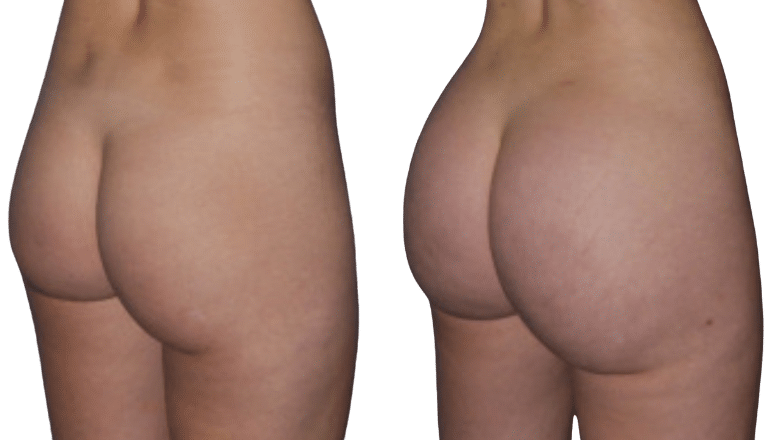
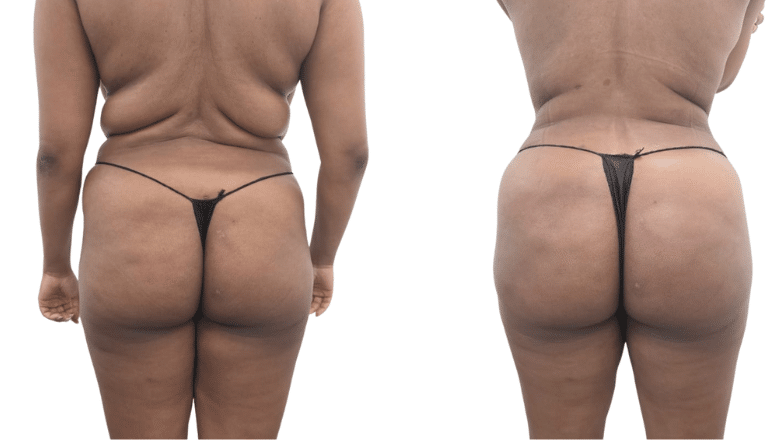
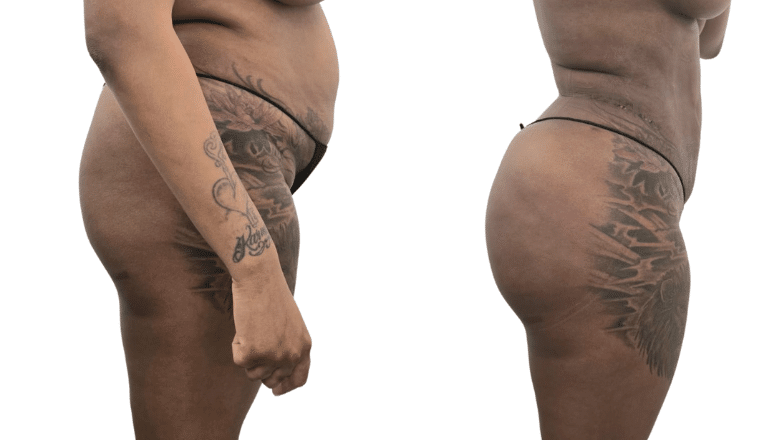
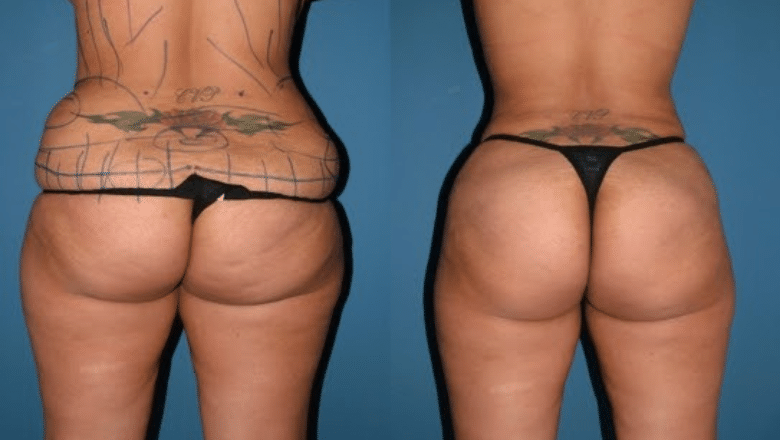
This approach addresses many of the reasons why BBLs fail. By combining advanced imaging with meticulous surgical technique, ultrasound-guided BBL offers patients a safer procedure with more predictable outcomes. For individuals concerned about volume loss, this method represents one of the most reliable ways to achieve lasting projection and contour.
Realistic Expectations and the Limits of Surgery
It is important to emphasise that some degree of fat loss is inevitable after a Brazilian Butt Lift. Even with flawless technique, careful aftercare, and ultrasound guidance, not every fat cell will survive. Patients should expect that their buttocks will look smaller at three to six months compared to the immediate postoperative period. Surgeons typically account for this by injecting slightly more fat than needed, within safe limits.
What matters most is not retaining every single cell, but achieving a balanced, natural result that lasts. When patients understand the natural process of fat resorption, they are less likely to feel disappointed by the changes that occur after surgery.
RELATED: Is A BBL Worth It?
Frequently Asked Questions

Is it normal for my BBL to shrink after surgery?
Yes, it is completely normal to see the buttocks reduce in size during the first few months. This is due to swelling going down and a proportion of the fat being reabsorbed.
Can a BBL completely fail?
Total failure is rare, but poor technique, complications or lack of aftercare can lead to disappointing results where little fat remains.
What can I do to keep my results?
Avoid sitting directly on your buttocks too soon, follow all aftercare instructions, wear compression garments as advised, stay hydrated, eat a healthy diet and avoid smoking. Maintaining a stable weight also helps preserve your results.
How soon can I sit down after a BBL?
Most patients are advised to avoid direct sitting for at least two weeks, sometimes longer. When sitting becomes unavoidable, use special cushions to offload pressure.
RELATED: When Can I Sit Normally After a Brazilian Butt Lift?
Does ultrasound-guided BBL make results more permanent?
Ultrasound guidance does not prevent natural fat resorption, but it improves safety and accuracy, giving grafted fat a better chance of surviving long-term.
Why is Dr Metin Nizamoglu recommended for BBL?
Dr Nizamoglu specialises in ultrasound-guided BBL and has extensive experience in performing safe and precise fat transfer procedures. His expertise ensures patients benefit from advanced techniques designed to improve both safety and predictability.
BBL at Centre for Surgery
At Centre for Surgery, we are proud to be recognised as one of London’s leading clinics for Brazilian Butt Lift surgery. Our highly skilled surgeons perform advanced BBL procedures with a strong focus on safety, precision, and long-term natural results. We are committed to providing personalised care from your first consultation through to your full recovery. Every patient is carefully assessed to ensure they are suitable for surgery and to create a treatment plan tailored to their goals.
Our private hospital on Baker Street is fully equipped with modern operating theatres and recovery facilities, ensuring your comfort and safety throughout your journey. The Centre for Surgery team includes consultant plastic surgeons such as Dr Metin Nizamoglu, who is known for his expertise in ultrasound-guided BBL, a safer and more predictable approach to fat transfer.
You can learn more about who we are on our About Us page and meet our highly qualified surgical team on our Team Member page. To view real results achieved at our clinic, explore our Before & After gallery. We also provide FAQs & Guides to answer common questions and give you the information you need to prepare for surgery. For those considering financial flexibility, our clinic offers finance options to make treatment more accessible. You can also keep up to date with expert advice and insights through our Plastic Surgery Blog.
Book Your Consultation
If you are considering a Brazilian Butt Lift, our team would be delighted to guide you through the process and answer any questions you may have. To book a consultation at our Baker Street clinic, please contact us today:
Centre for Surgery, 95-97 Baker Street, London W1U 6RN
Call us on: 0207 993 4849
Email: contact@centreforsurgery.com
For more detailed information, you can also browse our Clinic FAQs which cover common concerns about BBL and other cosmetic surgery procedures.

[contact-form-7 id=”256″ title=”Treatments form”]