

Changes in Nipple Sensation After Breast Reduction Surgery
Undergoing breast reduction surgery can be a transformative experience, offering relief and a newfound confidence with a more proportionate figure. However, an unexpected twist for some is a change in the way their nipples feel. This isn’t an uncommon occurrence, yet it often comes as a surprise.
The relationship between undergoing a breast reduction and experiencing alterations in nipple sensation stems from the nature of the surgery itself. At Centre for Surgery, our expert team of London plastic surgeons has extensive experience in breast surgery and is well-versed in the nuances of these procedures. The concern about shifts in nipple sensitivity is valid, but it’s not an inevitable outcome for everyone.
Can Breast Reduction Surgery Lead to Changes in Nipple Sensation?
Breast reduction surgery, also known as reduction mammoplasty, is designed to lessen the volume of overly large breasts. A significant part of this procedure involves moving the areola and nipple to a new position that matches the reduced breast size and shape.
RELATED: The Impact of Large Breasts on Breathing Problems
Yet, removing breast tissue and skin inherently risks affecting nerves in the area. It’s challenging to avoid the tiniest nerve branches during surgery altogether, but at the Centre for Surgery, our surgeons possess the expertise to minimise the risk of damaging major nerves. Their skill is crucial to reducing the likelihood of significant changes in nipple sensation following surgery.
It is normal to experience some changes in breast sensation after surgery. However, it is essential to understand when these changes are part of the expected healing process and when they might indicate a more serious issue.
Temporary and Permanent Changes in Nipple Sensation After Breast Reduction
Discovering a loss of sensation in your nipples after breast reduction surgery can be disconcerting. It’s crucial to understand that this is often a regular part of the recovery process, resulting from nerves adjusting to their new position and from the natural swelling and bruising from the operation.
The timeline for the return of nipple sensation varies significantly among individuals, depending on the body’s unique nerve regeneration capabilities. Many patients experience a gradual return of sensation within a few months after surgery, typically between 2 and 3 months. However, a subset of patients, up to 25%, may face permanent sensation loss. This unfortunate outcome can be attributed to several factors:
Surgical technique
Specific surgical approaches that require aggressive tissue removal or repositioning can adversely affect nerve integrity.
Surgical extent
The greater the amount of breast tissue removed, the higher the risk of impacting nerves responsible for nipple sensation.
Severe nerve damage
If critical nerves, particularly the larger branches, are severed or significantly injured during surgery, the loss of sensation could be irreversible.
Individual healing processes
The body’s healing response is highly individualised. Some people may naturally have slower nerve regeneration or be more prone to developing significant scar tissue.
Scar tissue formation
As the body heals, scar tissue may develop around nerves, potentially causing compression or entrapment and, consequently, long-term sensory changes.
Pre-existing medical conditions
Conditions such as diabetes or autoimmune diseases can influence nerve health and recovery, possibly leading to lasting changes.
Preserving Nipple Sensation During Breast Reduction
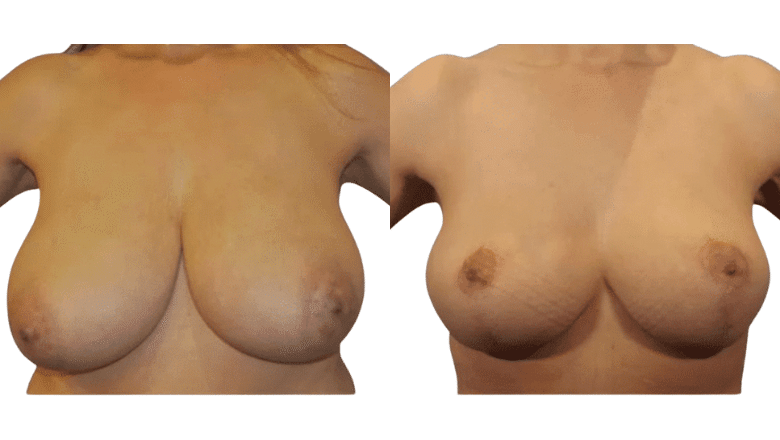
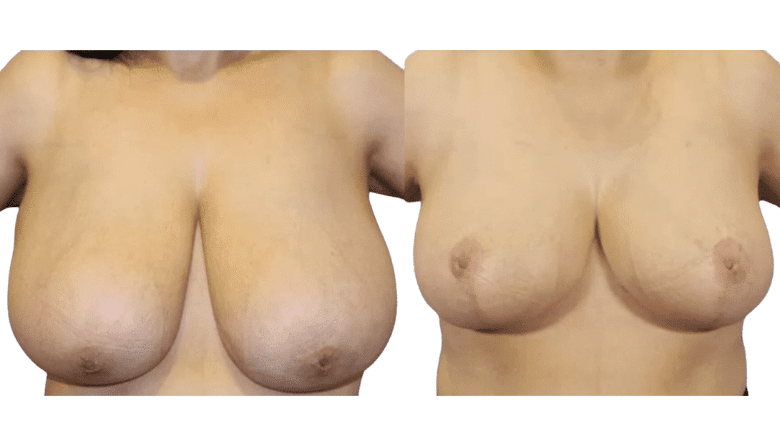
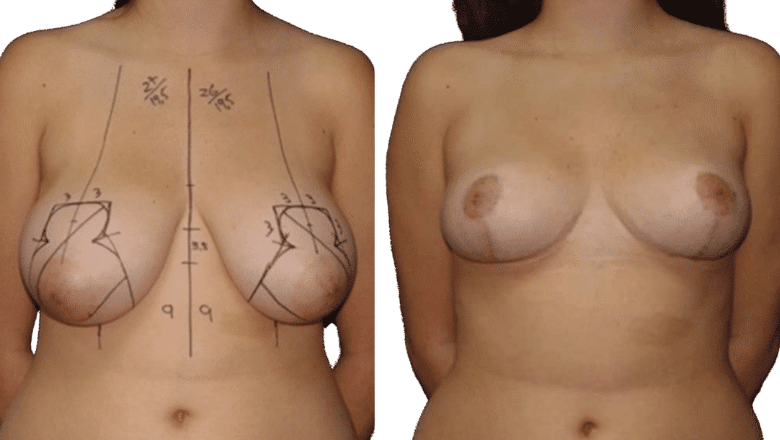
When it comes to breast reduction surgery, one of the main considerations for our surgeons at Centre for Surgery is the preservation of nipple sensation. A pivotal strategy employed is the ‘superomedial pedicle technique.’ This method ensures that the nipple and areola remain connected to their original nerves and blood supply, greatly increasing the odds of retaining normal sensation post-operation.
The precision in dissection around the nipple-areola complex (NAC) is also crucial. Our surgeons’ deep understanding of breast anatomy enables them to navigate carefully and spare major nerve tracts during surgery. The key to minimising the risk of permanent sensation loss lies in the choice of surgeon. It is essential to select a surgeon who:
- Specialises in breast surgeries, with a focus on the preservation of sensation following breast reduction.
- Has undergone rigorous training in plastic surgery, with a wealth of experience in breast reduction procedures.
- Can showcase a portfolio of aesthetically pleasing, natural results alongside positive patient testimonials.
- Prioritises a patient-centric approach, emphasising effective communication and safety.
How to Enhance Nipple Sensation Recovery After Breast Reduction
One of the most crucial steps in your journey towards recovering nipple sensation post-breast reduction surgery is maintaining an open line of communication with your surgeon. In instances where changes in sensation are noted, your healthcare provider may recommend a variety of therapeutic options:
RELATED: Recovery after Breast Reduction Surgery – Top Tips
Topical Treatments
Applying specific creams or ointments, especially those formulated with ingredients known to support nerve healing, can encourage nerve regeneration. These topical solutions may also help minimise scar tissue formation, which can impact nerve function.
Massage Therapy
Incorporating regular, gentle massage in the vicinity of the surgery site can be beneficial. Such massage techniques are designed to stimulate blood flow and promote nerve healing, thereby aiding in the recovery of sensation.
Supplements and Medications
Certain nutritional supplements, such as Vitamin B12 and omega-3 fatty acids, alongside prescribed medications, including steroids, gabapentin, and pregabalin, are recognised for their benefits to nerve health and regeneration.
Acupuncture
Acupuncture involves the insertion of fine needles into specific points on the body. It’s believed that this can relieve symptoms by stimulating nerves and promoting the recovery of sensation.
Physiotherapy
Engaging in targeted physiotherapy sessions can improve local blood circulation and nerve function. Professional guidance in physiotherapy helps systematically encourage the restoration of lost sensation.
Laser Therapy
Low-level laser therapy has been shown to stimulate nerve regeneration, offering hope for improving sensation loss in affected areas.
Nerve Stimulation Therapies
Electrical nerve stimulation, a method that uses mild electrical impulses, can significantly enhance nerve repair mechanisms. This therapy is often utilised to rejuvenate and enhance nipple sensation over time.
Counselling or Support Groups
Experiencing changes in nipple sensation can be emotionally and psychologically challenging, potentially impacting body image, sexual identity, self-esteem, and overall quality of life. Access to psychological support, whether through counselling or participation in support groups, is invaluable.
Regular Monitoring and Assessments
Ongoing follow-ups and sensory evaluations after surgery are crucial. These appointments allow for optimising your recovery process and exploring additional therapeutic options if initial interventions do not yield the expected outcomes.
Prevention Before Surgery
Strategies exist to mitigate the risk of sensation changes even before surgery, highlighting the importance of comprehensive preoperative planning and discussion with your plastic surgeon.
Minimising Risks in Breast Reduction Surgery: Key Considerations
While seemingly straightforward, breast reduction surgery is a complex procedure that demands extensive expertise and precision. The key to reducing the risks associated with this surgery lies primarily in selecting an experienced plastic surgeon. An adept surgeon not only understands how much breast tissue to remove but also masterfully selects the appropriate surgical techniques and incision sites.
RELATED: Breast Reduction Complications – Reducing Risks of Surgery
The journey towards achieving the desired outcome from breast reduction surgery begins with the careful choice of a qualified plastic surgeon. Our surgeons are not only seasoned in performing breast reductions, but they are also committed to continuously refining their techniques to ensure the safest and most effective outcomes for our patients. Let not the fear of the unknown deter you from taking a step towards your well-being — reach out and book your consultation at Centre for Surgery today.
Contact us on 0207 993 4849 or visit our About Us page to learn more. We also offer flexible finance options to help make your procedure more accessible.

[contact-form-7 id=”256″ title=”Treatments form”]